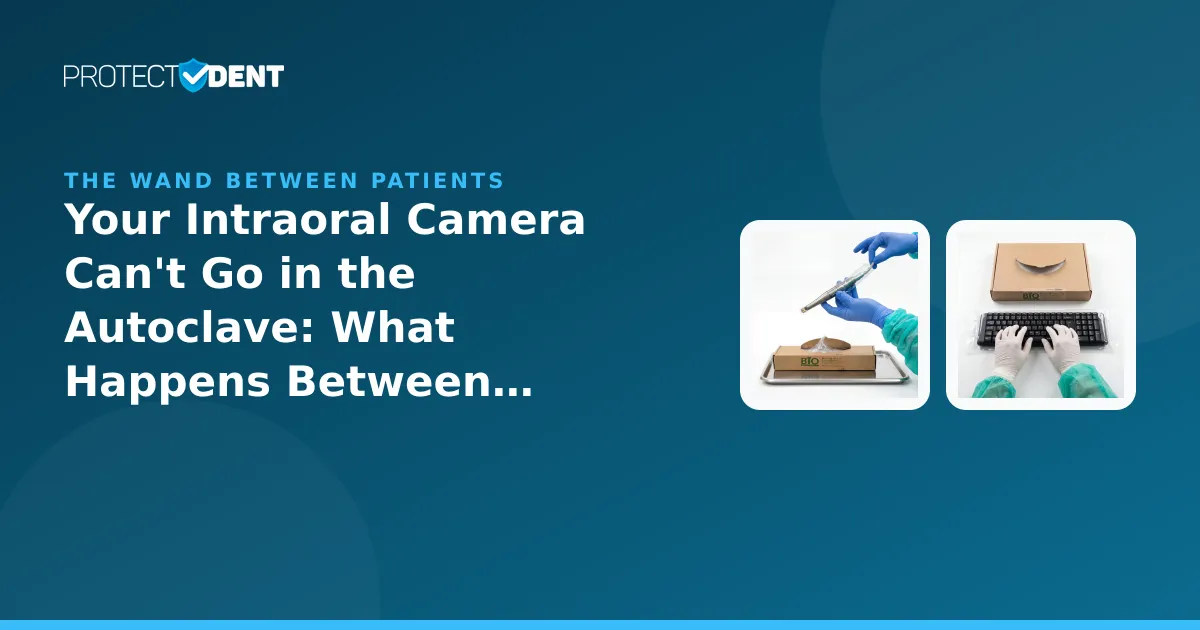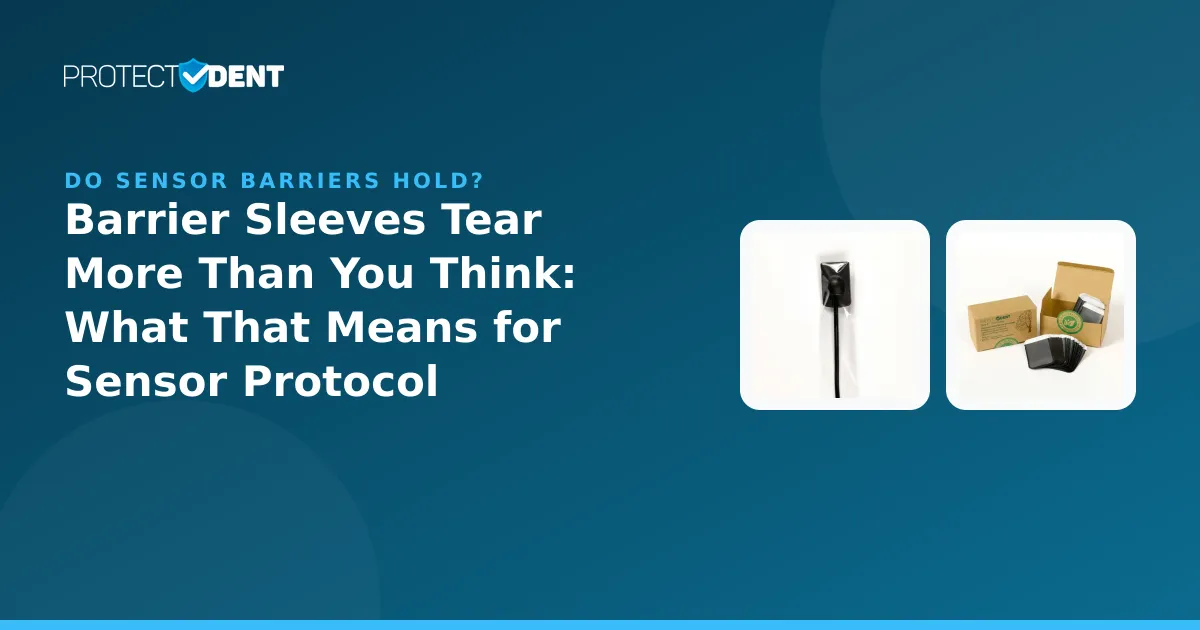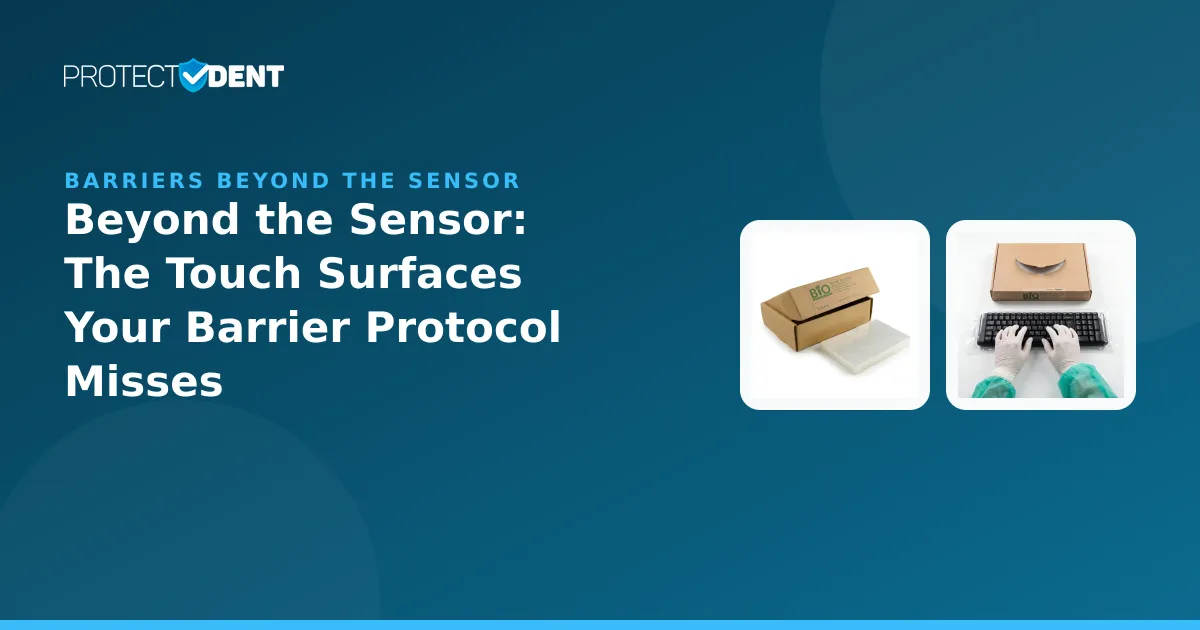
Beyond the Sensor: The Touch Surfaces Your Barrier Protocol Misses
Sensor barriers are routine in most practices. Light handles, keyboards, mice and the air/water syringe handle meet the same criteria but often don't get the same habit.
Practical notes on dental infection control, barrier protection and imaging equipment, written for the people who use them every day.
Sensor barriers are routine in most practices. Light handles, keyboards, mice and the air/water syringe handle meet the same criteria but often don't get the same habit.
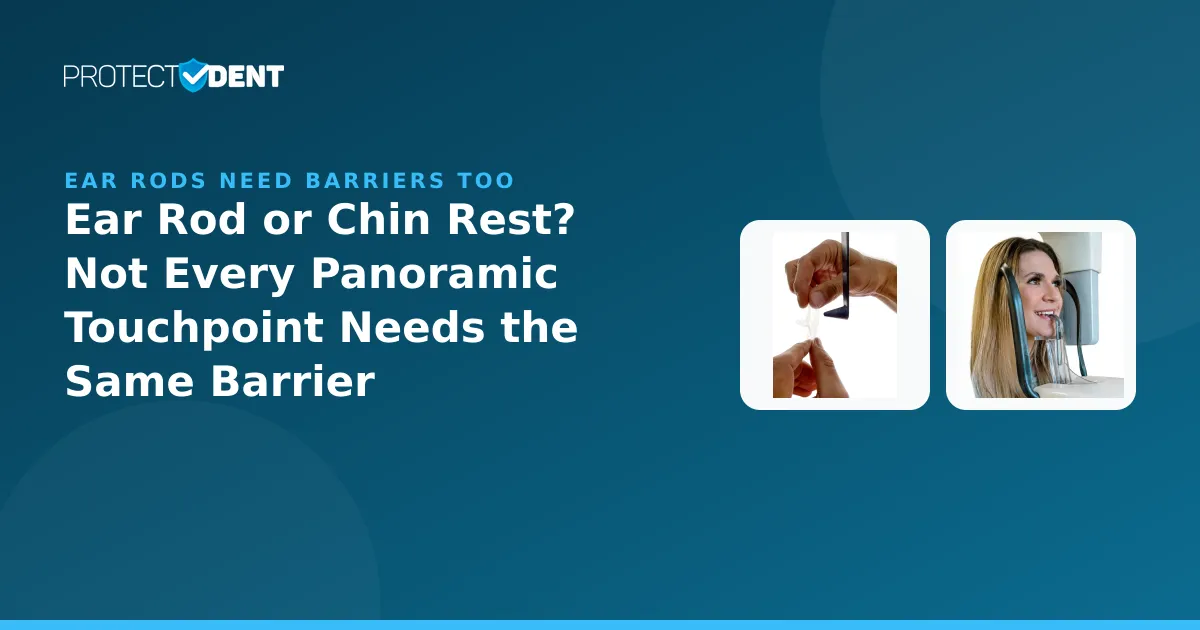
Manufacturer manuals and radiography infection-control guidance don't treat every panoramic and ceph touchpoint the same. Here's which need a fresh sleeve every patient, and which…
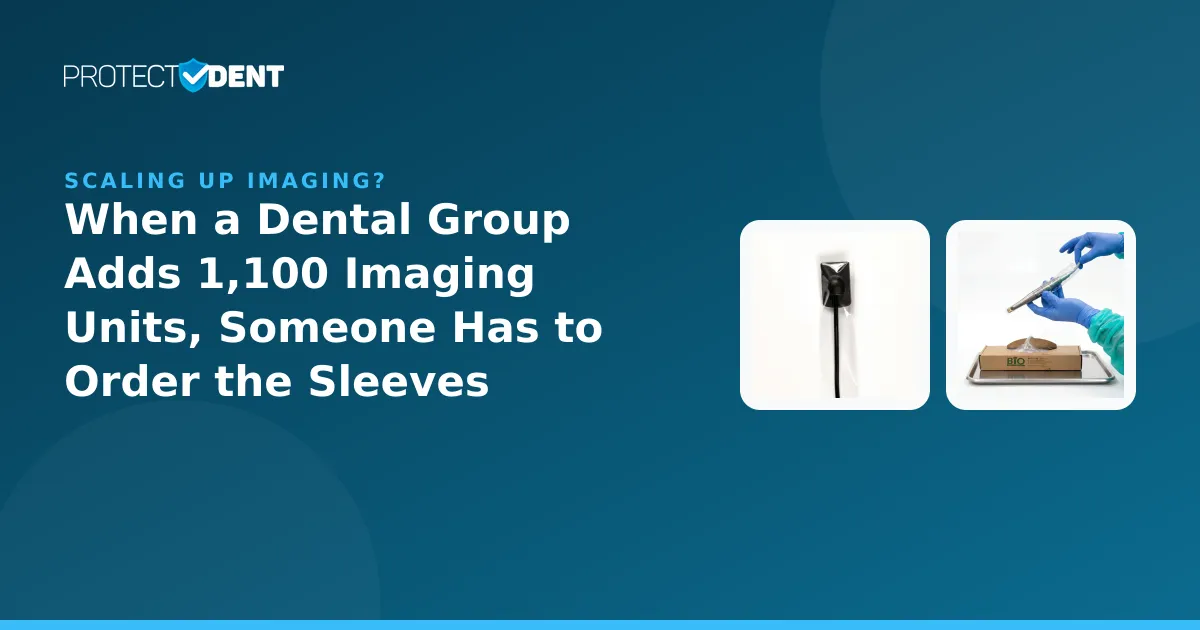
Two 2026 distribution deals show digital sensors and scanners rolling out across hundreds of practices at once, turning barrier sleeves into a real procurement line item.
Curing lights get reused all day and can't be autoclaved. Here's what published research actually shows about tip contamination, barrier sleeves, and the light-output trade-off.
Panoramic, CBCT, and cephalometric positioning hardware differ by brand and model. Here's what infection-control guidance actually asks for, and how to order the right sleeve size…
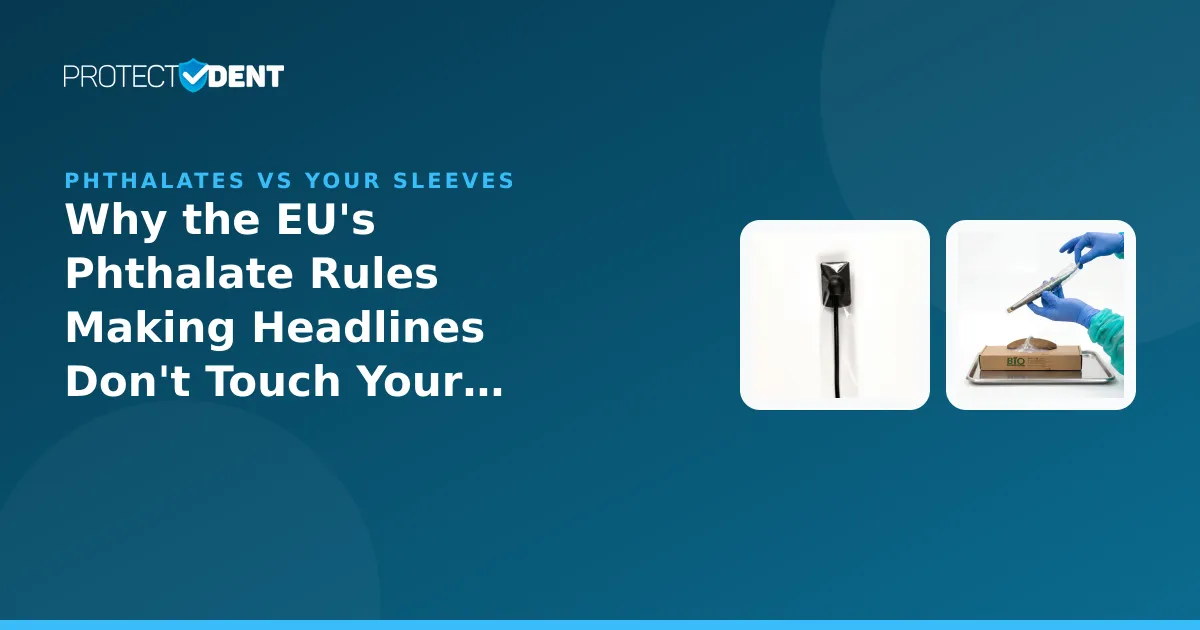
EU rules restricting DEHP phthalates target PVC-based medical plastics. Dental barrier sleeves are polyethylene, a different plastic family — here is what that means and what to c…
Regulation (EU) 2025/40 applies from August 2026 and covers the boxes, pouches and cartons your sensor sleeves and envelopes ship in. Here's what changes and what doesn't.
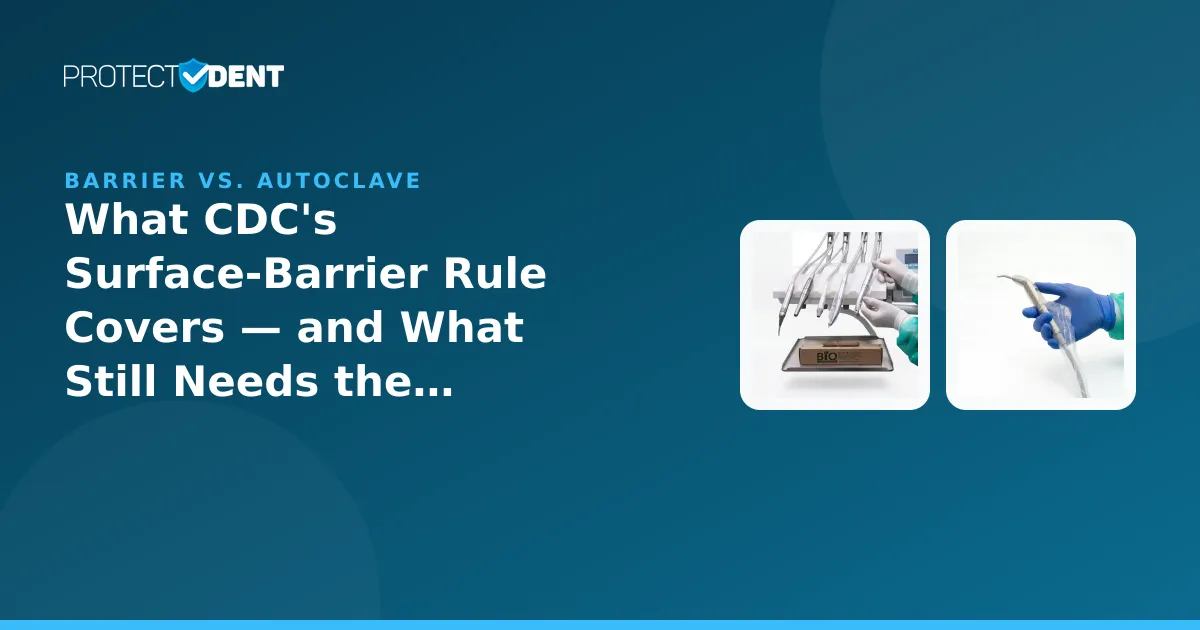
CDC draws a hard line between what a barrier sleeve can protect and what must go in the autoclave. Here's how handpieces, syringes, and waterlines each get treated between patient…
Intraoral camera wands touch mucous membranes but usually can't be heat sterilized. Here's what CDC's semicritical-device guidance means for the barrier and disinfection routine t…
Peer-reviewed testing found single-use sensor barriers perforate far more often than most practices assume. Here is what that means for your daily radiography protocol.