What the EU's New Packaging Law Means for the Box Your Barrier Sleeves Arrive In
A packaging law, not a clinical one, is heading your way
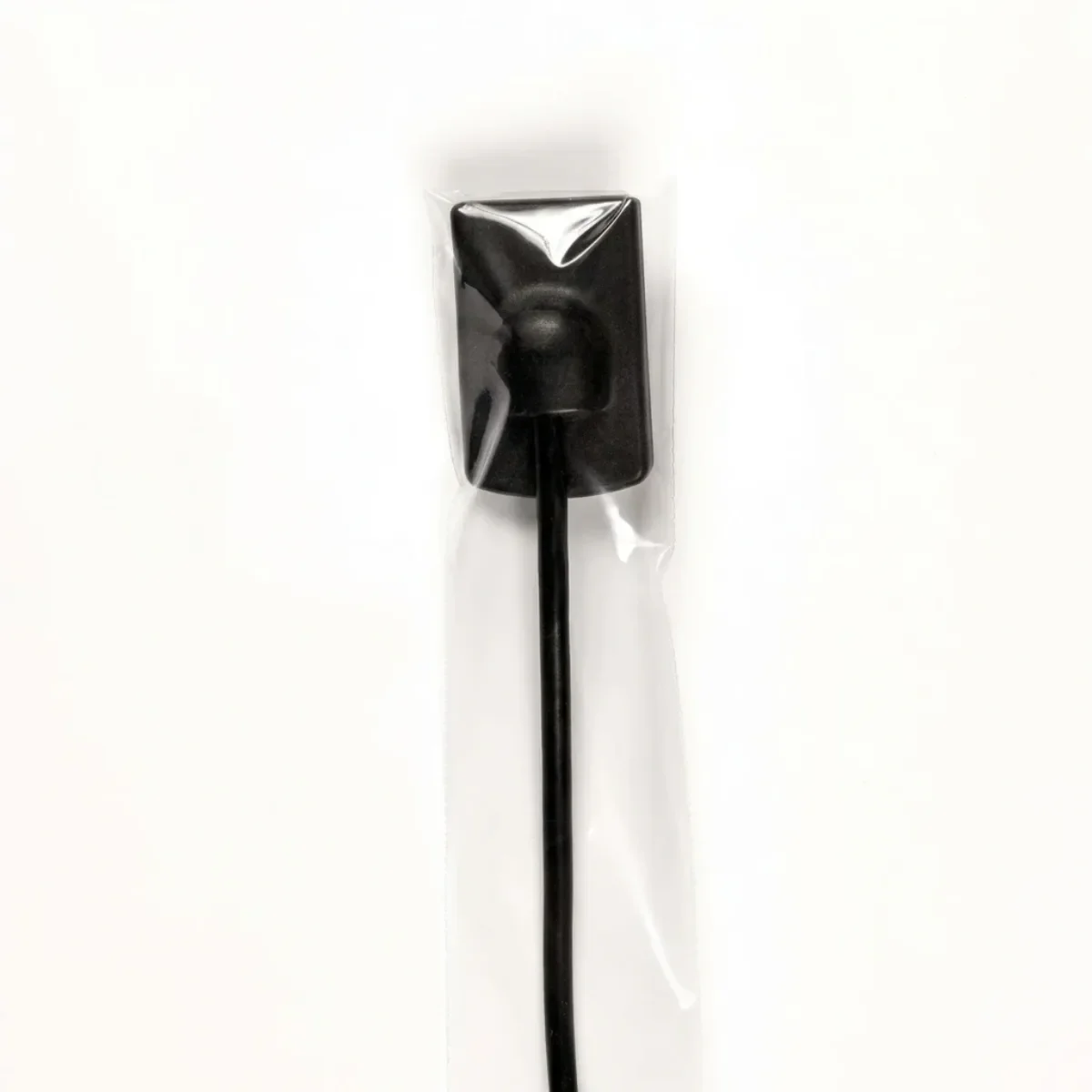
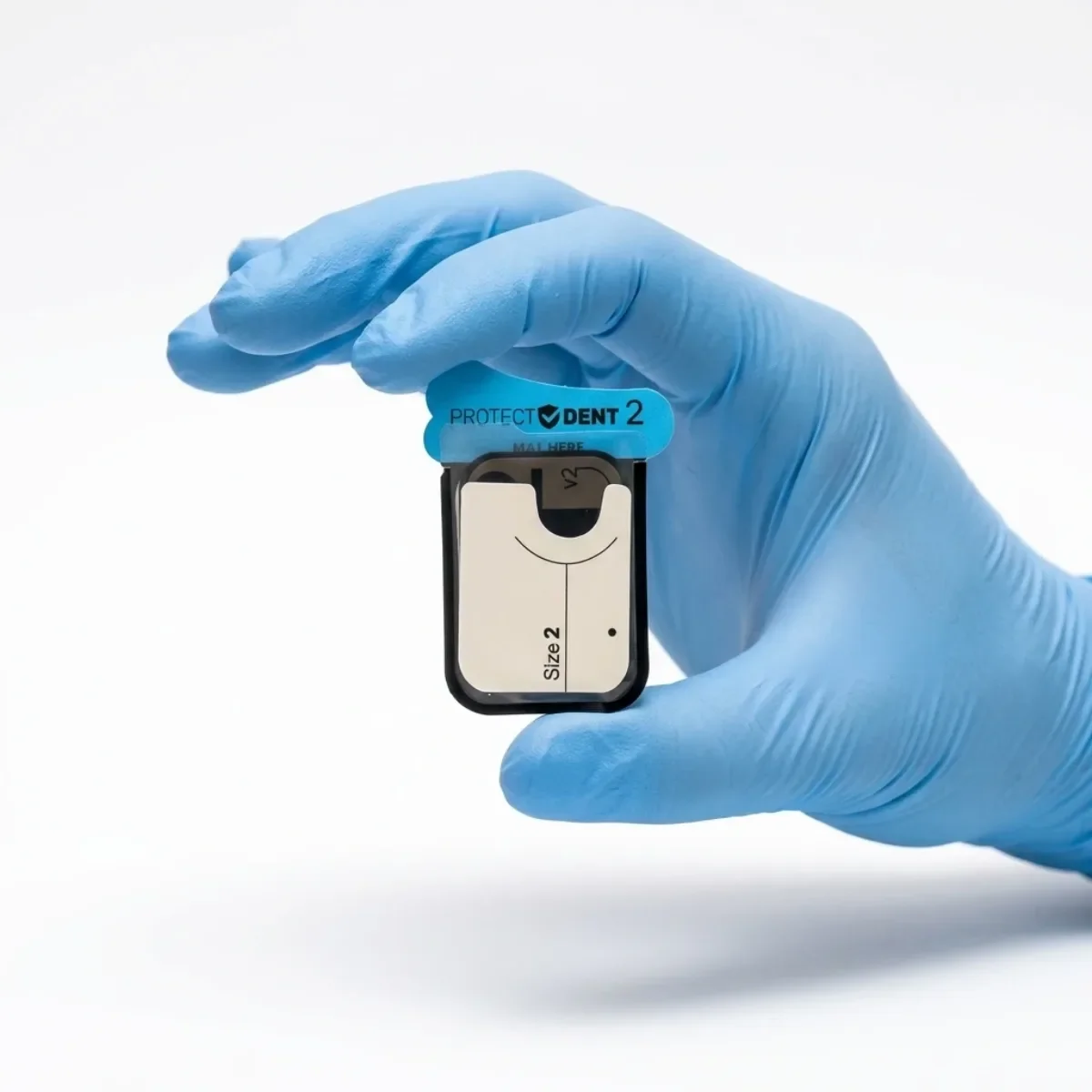
Most of the EU rules a dental practice tracks are about the device or the treatment: MDR classification, infection-control guidance, sterilisation cycles. A different piece of EU law is now moving toward application, and it has nothing to do with clinical performance. It governs the box, pouch and carton that single-use consumables — sensor sleeves, phosphor plate envelopes, and similar barrier products — are packaged and shipped in.
Regulation (EU) 2025/40 on packaging and packaging waste entered into force on 11 February 2025 and applies from 12 August 2026. It replaces the old Packaging and Packaging Waste Directive with a single regulation that applies directly in every member state, without the usual gap while each country writes its own transposition.
Three layers of packaging, three different rules
The regulation doesn't treat all packaging the same way. For a box of barrier sleeves, there are effectively three layers:
- Primary packaging — the individual pouch or envelope in direct contact with the product (for example, the sleeve wrapper itself).
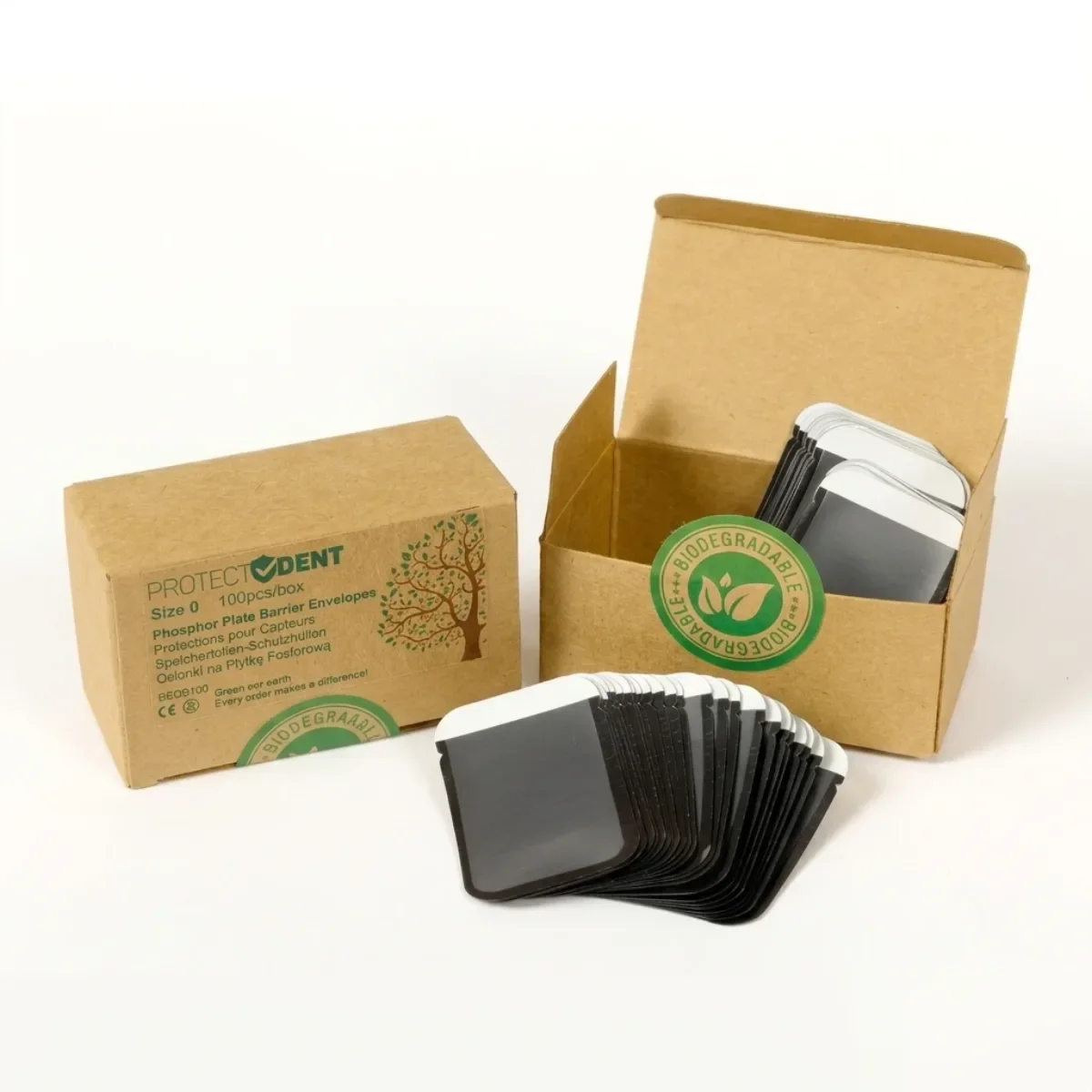
- Secondary packaging — the dispenser box holding the individual units (a box of 300 sleeves).
- Tertiary packaging — the outer shipping carton a distributor sends to the practice.
Contact-sensitive primary packaging for medical devices gets a partial carve-out. According to a regulatory summary from CIRS Group, this packaging gets relaxed recyclability-by-design requirements pending a review in 2035, and relaxed recycled-content requirements until 2040 — acknowledging that sterility and safety needs limit how much a manufacturer can change the material overnight.
There is no full exemption, and that's the part worth knowing
It's tempting to read "medical device packaging is exempt" into headlines about this law. It isn't, fully. The CIRS Group summary states directly: "There is therefore no such thing as a complete exemption for medical device packaging under the PPWR framework." Obligations that still apply in full to medical device and IVD packaging, including primary packaging, include:
- Minimisation requirements — packaging can't be oversized or over-cushioned beyond what's needed to protect the product.
- Substance restrictions, including limits on heavy metals in packaging materials.
- Labelling requirements, including harmonised recycling labels due by 2028 and digital carriers (such as QR codes) by 2030.
- Extended Producer Responsibility (EPR) registration and reporting for whoever places the packaging on the market.
A separate analysis from Emergo by UL confirms that the exclusions for medical devices and IVDs apply specifically to contact-sensitive packaging recyclability requirements under Article 6(11)(b) and (c) — not to the regulation as a whole. Emergo also notes the scale of the new text: 188 recitals, 71 definitions, 71 articles and 13 annexes, replacing a directive that ran to a fraction of that length.
What this means for a practice, not just a manufacturer
A dental practice isn't the "producer" placing packaging on the market — that obligation sits with the manufacturer or the company that first supplies the packaged product in the EU. So there's no registration or reporting task landing on a practice manager's desk because of this regulation. What does land on your desk, over the next two years, is change in what arrives at the door:
- Boxes and dispenser cartons for barrier sleeves and similar consumables are likely to get smaller or differently shaped as suppliers work toward the minimisation rules.
- New recycling labels will start appearing on packaging as the 2028 labelling deadline approaches — don't assume an unlabelled box today means a supplier is behind; the deadline hasn't arrived yet.
- Heavy-metal substance limits become enforceable from the 12 August 2026 application date, alongside the Declaration of Conformity and technical documentation requirements described in the official EUR-Lex summary of the regulation.
What doesn't change
Nothing here touches sterility, barrier performance, or infection-control protocol. A sensor sleeve or phosphor plate envelope still needs to do the same job between patients that it did before this regulation existed — this is a waste-and-recycling law, not a device-performance one. If a supplier tells you a packaging change affects how a barrier product performs clinically, that's a separate conversation from PPWR compliance, and worth asking about directly.
A practical question to bring to your next supplier review
When you're next reviewing consumables with a supplier or distributor, it's reasonable to ask which packaging tier their barrier products fall into, and whether they've started work on the 2026 substance-limit and 2028 labelling deadlines. Some manufacturers of sensor sleeves and phosphor plate envelopes already ship in oxy-biodegradable materials with recyclable secondary packaging — a sign the transition is already underway for at least part of the supply chain, ahead of the deadline rather than scrambling to meet it.
Sources
- Under the EU PPWR, Is Medical Device Packaging Truly Exempt? — CIRS Group, 2026-08-09
- European Packaging Waste Legislation Repeals the Directive and Applies in Mid-2026 — Emergo by UL, 2026-08-09
- Packaging and packaging waste (from 2026) — EU regulation summary — EUR-Lex / Publications Office of the European Union, 2026-08-09
- Regulation (EU) 2025/40 of the European Parliament and of the Council on packaging and packaging waste — EUR-Lex / Official Journal of the European Union, 2026-08-09