Beyond the Sensor: The Touch Surfaces Your Barrier Protocol Misses
The barrier habit that stops at the sensor
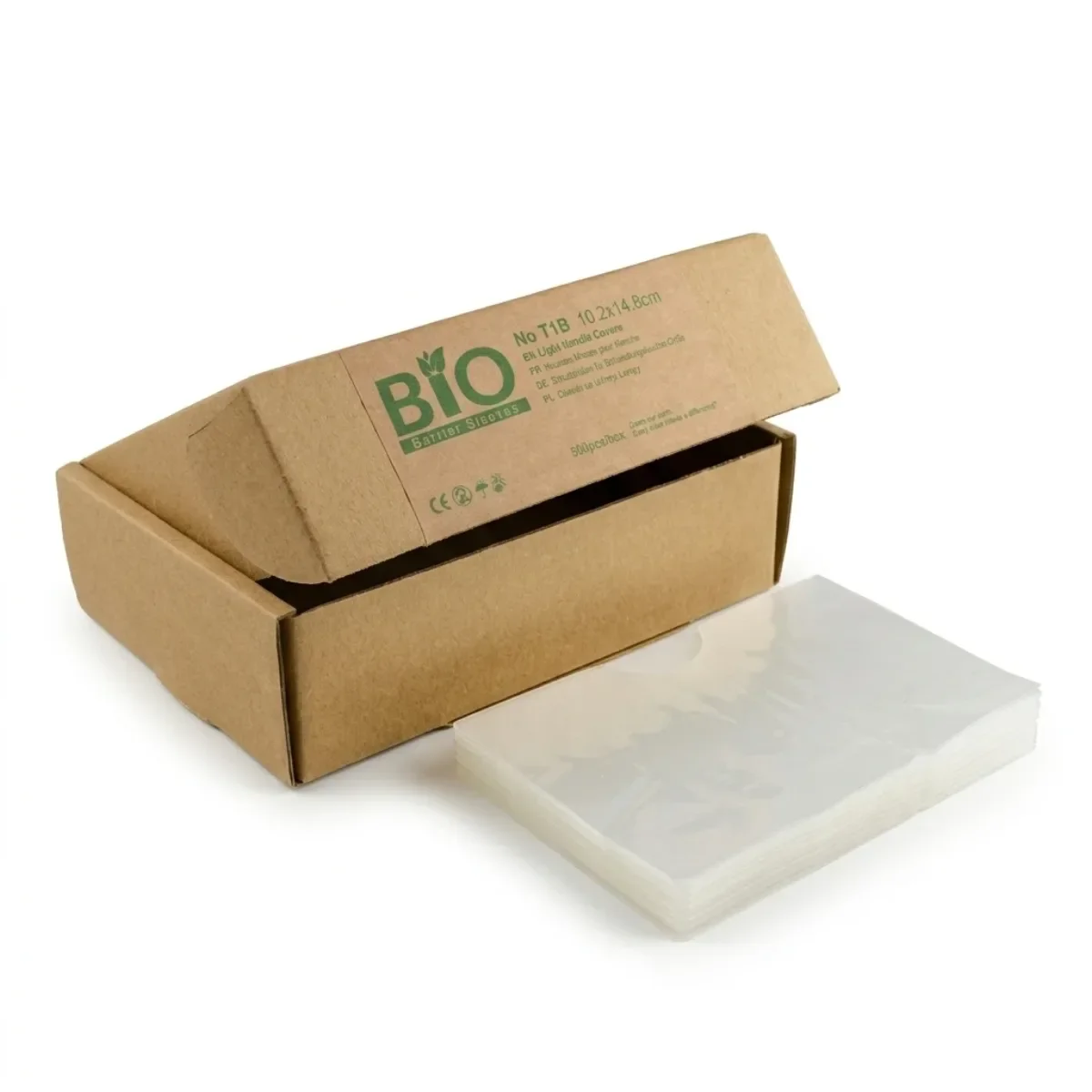
Ask any dental nurse what gets a barrier between patients and the sensor sleeve comes up first, every time. It's the easiest habit to build, because the device is expensive, awkward to disinfect, and sits right in front of the operator for the whole appointment. But infection-control guidance aimed at dental teams draws the barrier line much wider than the sensor — and several everyday touch points in the operatory tend to fall outside that habit.
Where the line actually sits
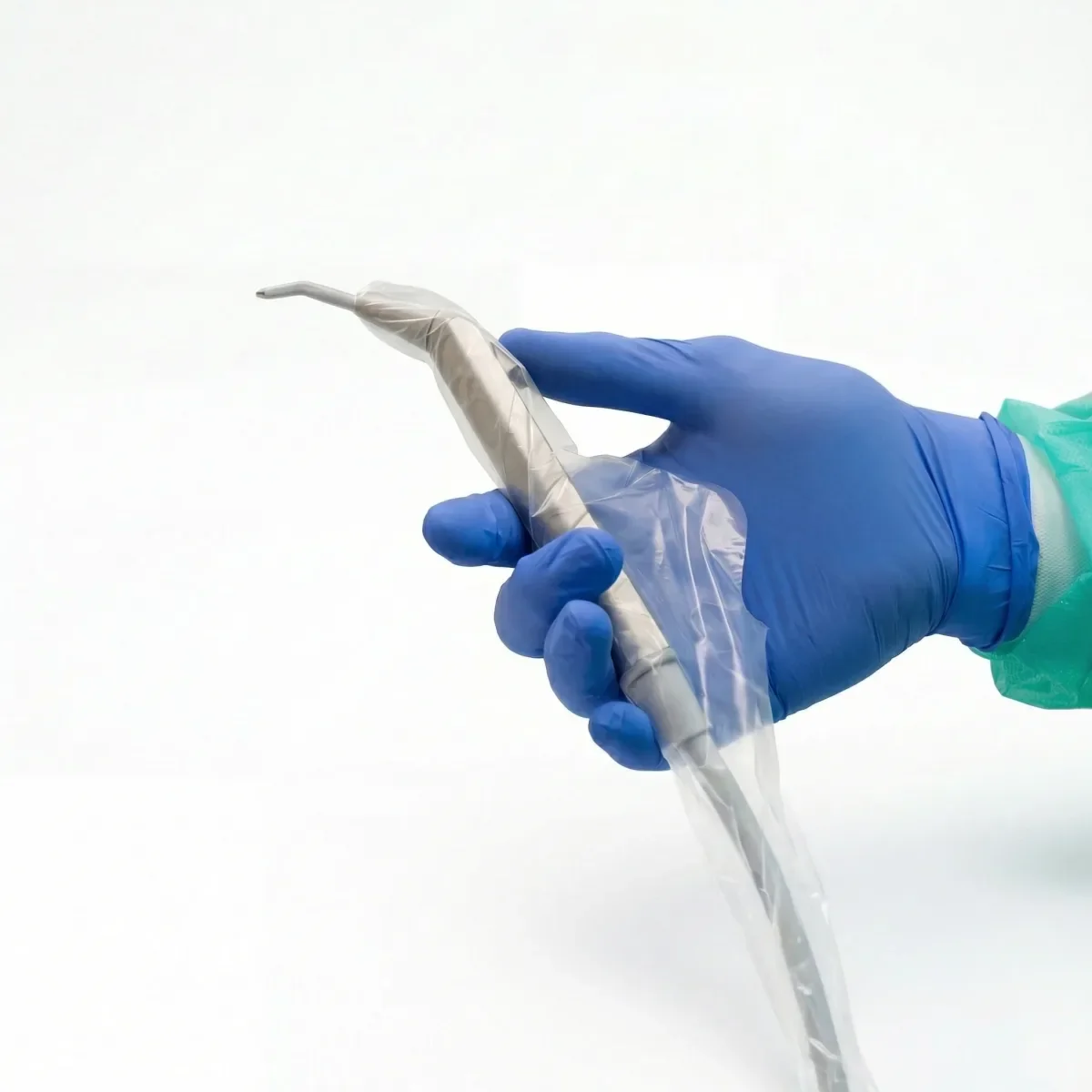
Guidance summarized by industry publications sorts operatory surfaces into groups based on how they're touched, not on how expensive they are. One breakdown separates surfaces that staff contact directly with gloved hands during a procedure — the air/water syringe, chair switches and headrest, X-ray control panels — from surfaces contaminated only indirectly, by instruments passing over them, such as bracket tables and instrument trays. A third group covers surfaces nobody touches during treatment, like view boxes and unused countertop, which get a daily wipe-down rather than a barrier or disinfection between patients (Dental Economics).
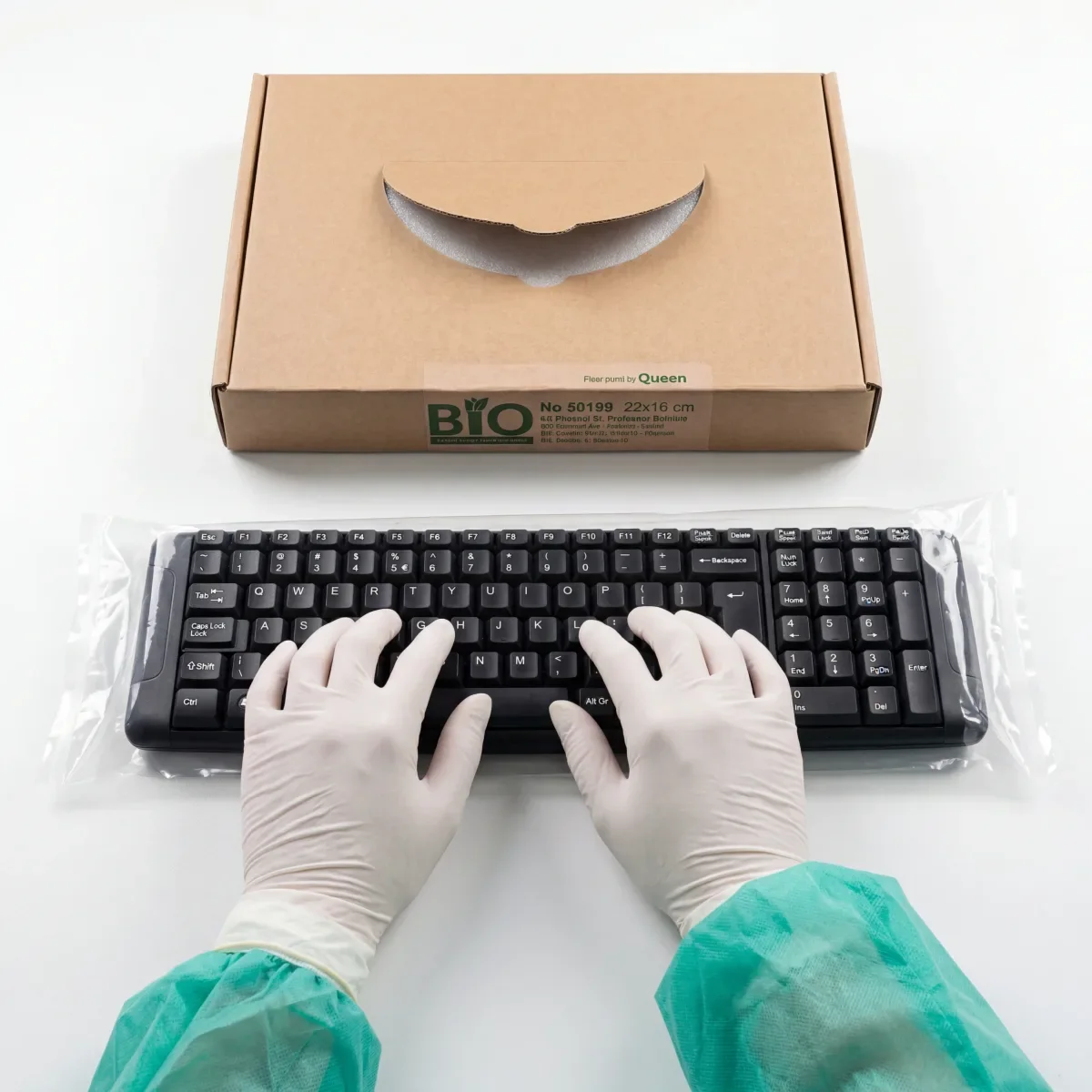
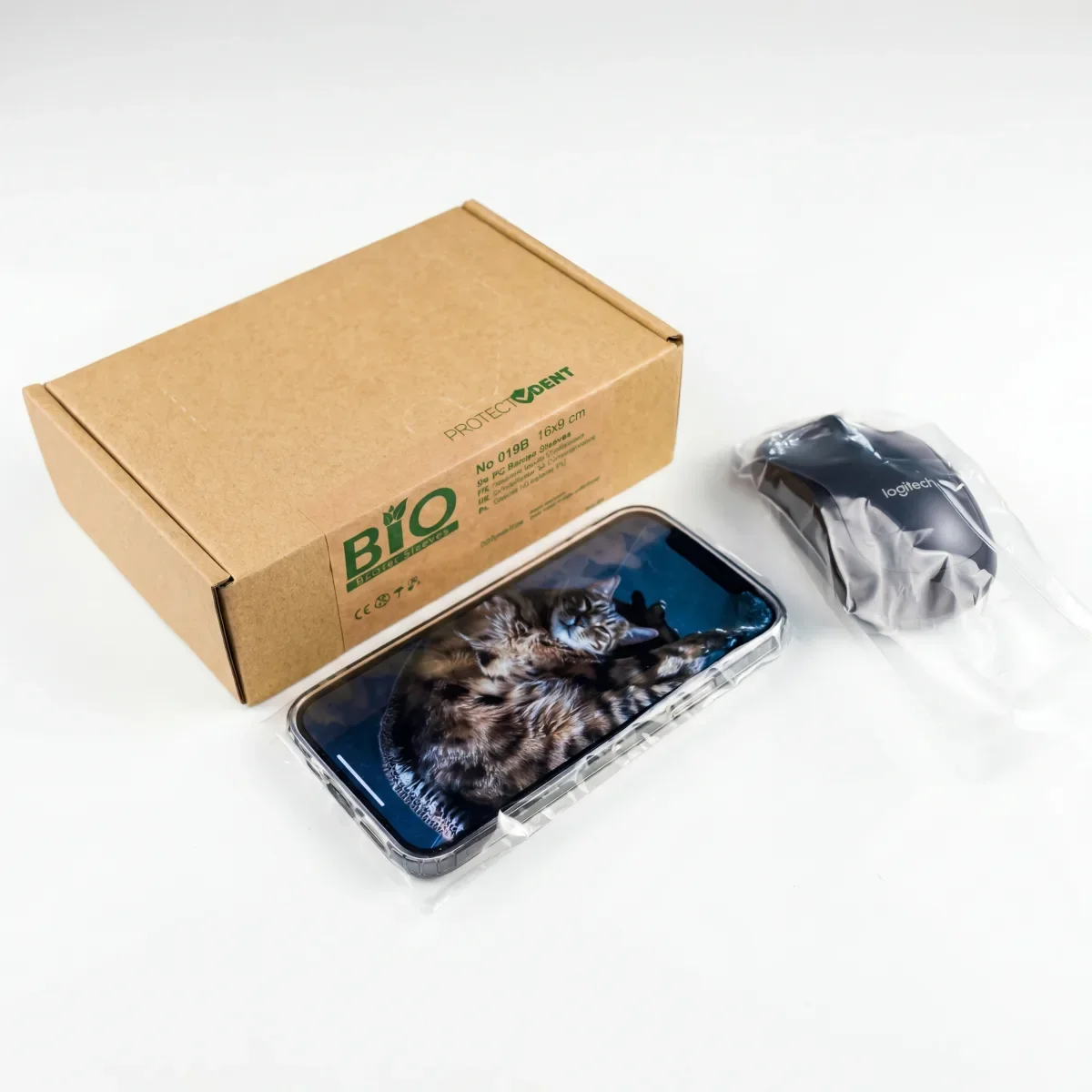
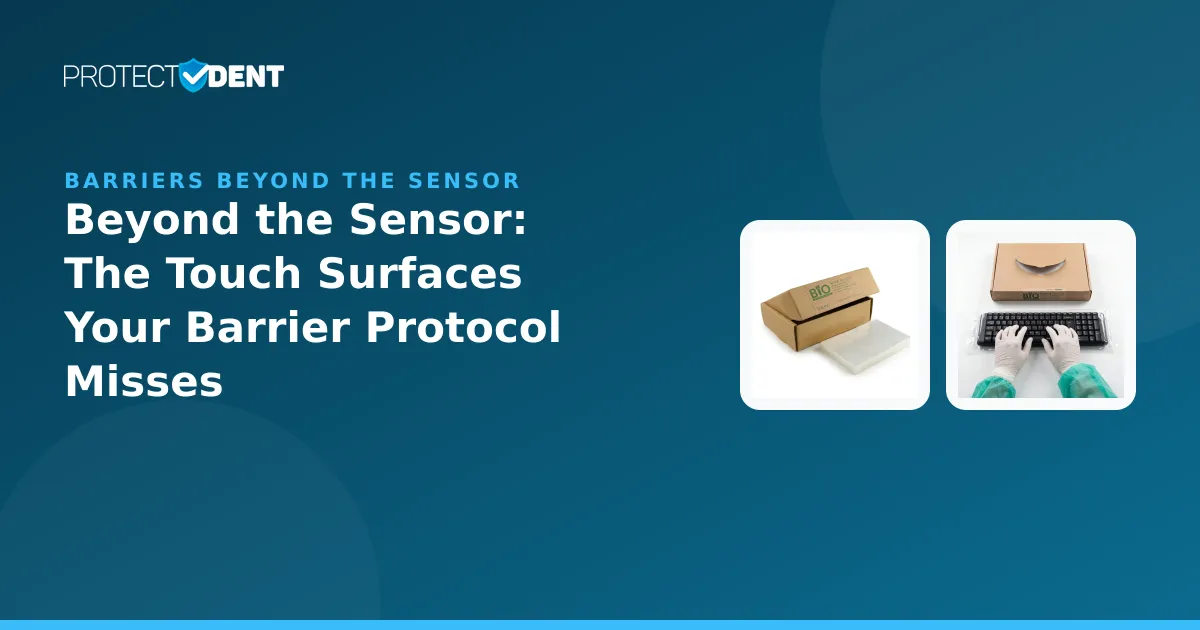
A related summary of the same body of guidance names the light handle specifically, alongside switches, drawer handles and faucets, as an item that "cannot be removed between patients" and therefore needs either a barrier or disinfection every time (CDEWorld). Keyboards, mice, tablets and phones used chairside get called out the same way — not because they're unusual, but because they're touched constantly and are genuinely hard to clean without risking damage.
What "hard to clean" is doing in the criteria
The recurring test across these sources isn't whether a surface looks dirty — it's whether it's touched frequently with gloved hands, likely to pick up blood or saliva, and difficult to clean and disinfect without damaging it. A light handle or a mouse fits all three. A wall or a floor fits none of them. That's the practical reason barrier protocols single out a fairly short, specific list rather than covering the whole room.
The sequence that keeps barriers doing their job
The guidance is specific about mechanics, not just the surface list. Barriers go on clean, dry surfaces before the next patient is seated — applying one over a surface that's still wet or visibly contaminated defeats the point. They need to fully cover the surface, stay intact through the appointment, and be impermeable to moisture. And they come off every time, regardless of whether the surface underneath looks like it needs it: "barriers must always be replaced between patients," even when they appear clean (OSHA Review). The removal step matters too — staff take barriers off while still gloved, inspect what's underneath, and only reach for disinfectant if there's visible contamination; gloves come off and hands get washed before the next barrier goes on.
What changes on Monday morning
None of this requires a new sterilization step. It's a checklist question: does the keyboard get a sleeve, or does someone wipe it down between patients and hope the wipe reached under the keys? Does the light handle get covered, or does it get disinfected along with the chair at the end of the shift instead of between each patient? Same question for the air/water syringe handle.
For a practice auditing its own routine, the useful exercise is simple: walk the operatory and list every surface a gloved hand touches between the patient sitting down and standing up. Whatever's on that list needs one of two things — a barrier that gets changed every time, or a disinfectant wipe that actually happens every time. The sensor already gets the first option. The rest of the list is worth the same few minutes.
Sources
- Infection Control in Dentistry: Understanding the Use of Surface Barriers — OSHA Review, 2026-08-16
- Surface barriers — Dental Economics, 2026-08-16
- Behind-the-Scenes Infection Prevention: Focusing on Clinical Surfaces and Instrument Processing — CDEWorld / Compendium of Continuing Education in Dentistry, 2026-08-16