When a Dental Group Adds 1,100 Imaging Units, Someone Has to Order the Sleeves
Two announcements, one quiet procurement problem
In October 2025, The Aspen Group and Planmeca announced that Planmeca imaging equipment — Viso and ProMax CBCT units, plus ProX, ProSensor HD and ProX GO 2D intraoral systems — would be integrated across Aspen Dental's network of "more than 1,100 locations," with Henry Schein's team of "over 900 highly skilled technicians" handling installation.
In May 2026, Dentsply Sirona announced that Nashville Dental, Inc. (NDI) would begin distributing its CEREC system, Primescan intraoral scanners and other digital imaging solutions across a nine-state Southeast and Mid-Atlantic territory, effective August 1, 2026.
Neither release mentions barrier sleeves. Neither has to — that's a decision that gets made after the equipment truck leaves, by whoever runs supply ordering at each location. But when a rollout spans a thousand-plus operatories instead of one, the barrier line becomes a real logistics question: which sleeve fits which sensor model, who standardizes the order across locations, and how many boxes a multi-chair practice actually burns through in a month.
Why the sleeve isn't optional in the first place
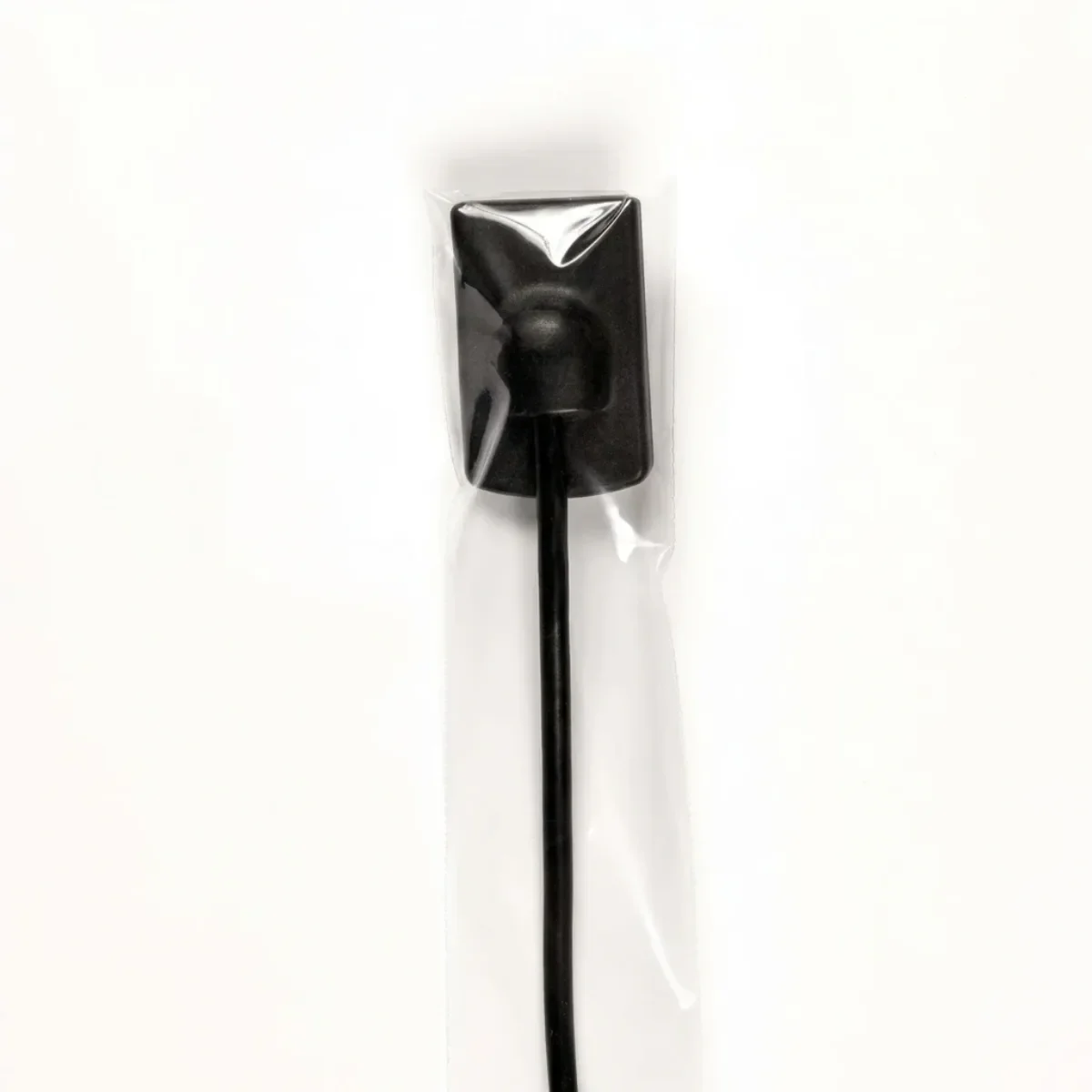
CDC infection-control guidance classifies digital radiography sensors as semicritical devices. The guidance calls for covering the sensor — and the patient-contacting portion of its cable — with an FDA-cleared, single-use disposable barrier for every patient, followed by cleaning and either heat sterilization or high-level disinfection of the parts a barrier can't fully protect.
That second step matters because the barrier alone isn't airtight. CDC's summary cites research finding perforation rates of 44% to 51% after use of a single 0.04-mm-thick plastic barrier on an intraoral digital sensor — which is why the guidance pairs barrier use with an intermediate-level, EPA-registered disinfectant wipe-down between patients rather than treating the sleeve as the whole answer.
Manufacturers are starting to build that expectation into the hardware itself. When Dentsply Sirona launched Primescan 2, the product was described as shipping with "single-use closed sleeves for a high-level of ease of use, scan performance and hygiene," with an optional multi-use steel sleeve with a sapphire glass window — a high-level-disinfection alternative — added later. In other words, the barrier isn't an accessory bolted on after the fact; it's part of how the scanner is specified and sold.
What changes on Monday morning
For a single-practice office adding one new sensor, none of this is complicated — you order sleeves that fit the model and move on. The problem shows up at the scale in these announcements:
- Model-matching across a fleet. A group running Dentsply Sirona Xios XG in some locations and Planmeca ProSensor HD in others needs staff at each site to know which sleeve fits which sensor — sleeves are not interchangeable across brands.
- Reorder volume, not reorder habit. A single-chair practice can restock when a box runs low. A location manager overseeing several operatories needs a standing reorder quantity calculated from patient volume, not a note to "grab more when we're out."
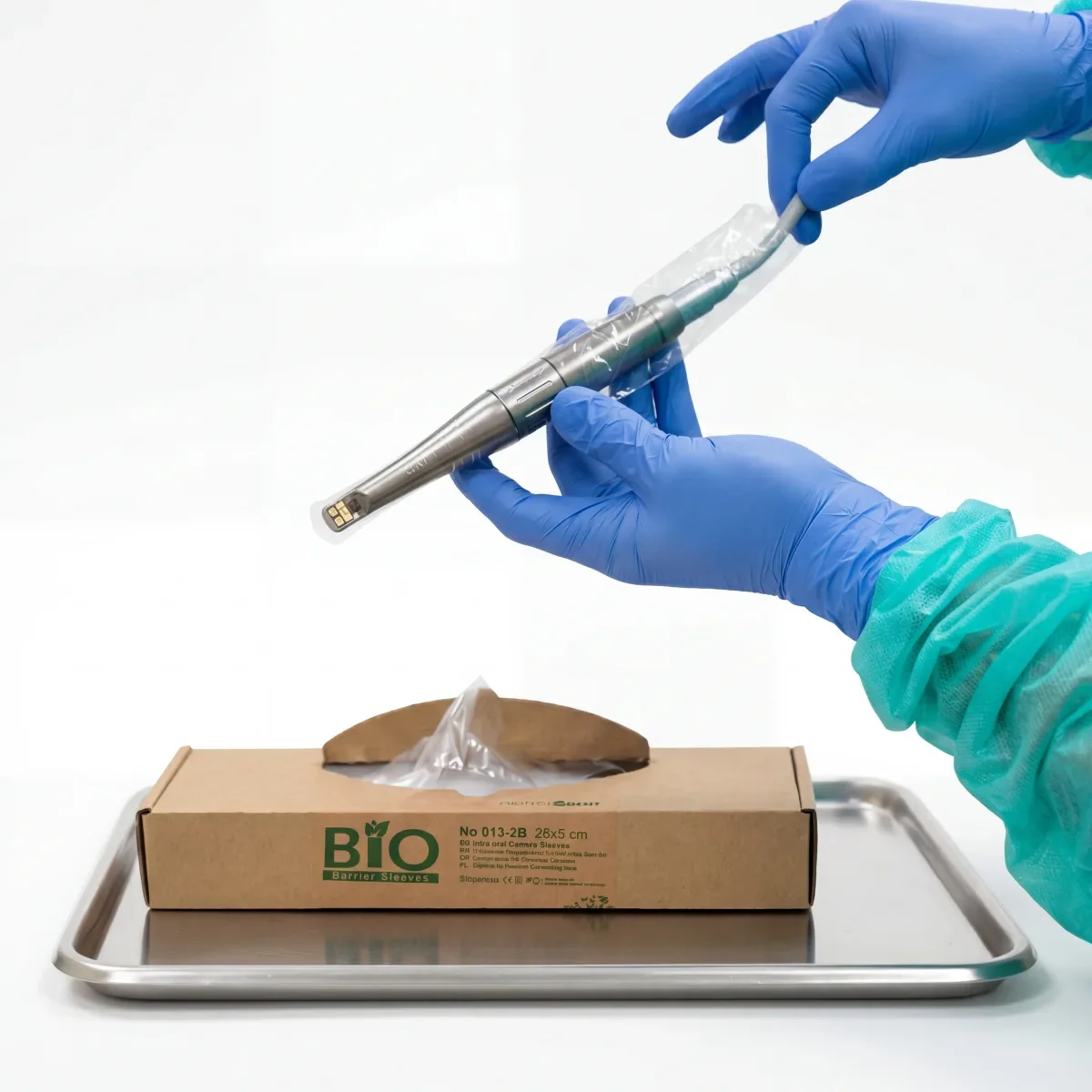
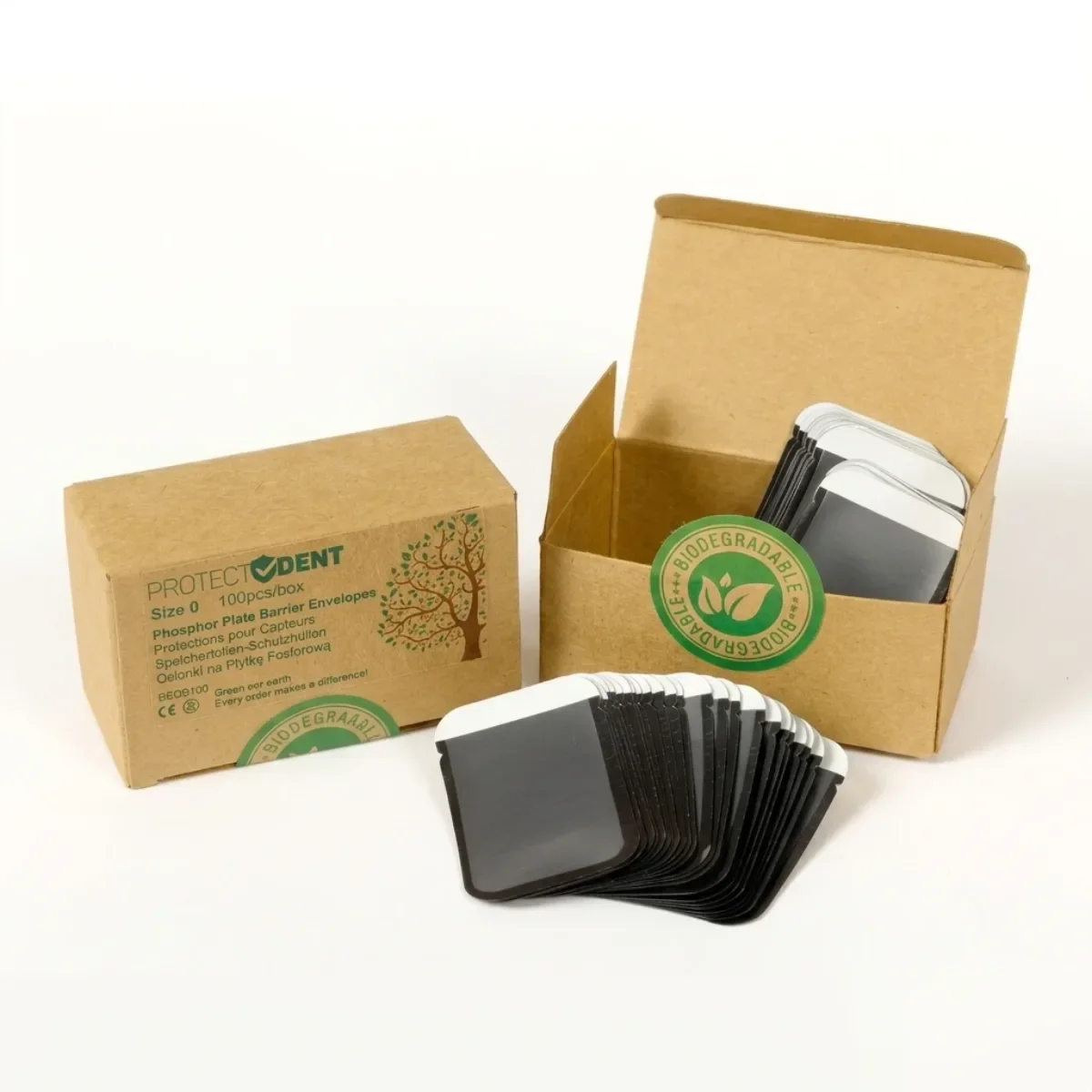
- New device categories arriving together. These rollouts don't just add sensors — CBCT consoles, intraoral cameras and, in some configurations, phosphor-plate systems land in the same shipment. Each has its own barrier requirement, and a practice manager evaluating one is usually about to need the others.
- Training that travels with the equipment. Installation techs set up the hardware; they don't necessarily train front-desk or assisting staff on barrier-per-patient protocol for a device nobody in that operatory has used before.
None of this requires new regulation or a new clinical claim — it's the same barrier-per-patient practice CDC has described for years, just multiplied across more rooms at once. The practices that handle it smoothly are the ones that treat the barrier order as part of the equipment rollout, not a separate task for later.
A short checklist for a rollout
- Confirm the exact sensor, camera or plate model at each location and match it to the correct sleeve — check the manufacturer's compatibility list rather than assuming last year's sleeve still fits.
- Set a standing reorder quantity per operatory based on patient volume, not a reactive "we're low" trigger.
- Fold barrier-per-patient protocol into the same training session as the equipment walkthrough, so it isn't a separate afterthought for staff.
- If multiple imaging device types are arriving together, order barriers for all of them in the same pass rather than one at a time as each gets discovered.
Sources
- The Aspen Group Enhances Patient Experience with Planmeca Digital Imaging at Aspen Dental Locations Nationwide — PR Newswire, 2026-08-14
- Dentsply Sirona Continues to Expand U.S. Distribution Network to Strengthen Access to its Digital Dentistry Solutions Across Key Regional Markets — GlobeNewswire, 2026-08-14
- Summary of Infection Prevention Practices in Dental Settings: Basic Expectations for Safe Care — CDC, 2026-08-14
- Dentsply Sirona presents Primescan 2 powered by DS Core: The first cloud-native intraoral scanning solution — PR Newswire, 2026-08-14