Why the EU's Phthalate Rules Making Headlines Don't Touch Your Barrier Sleeves
If anyone in your practice has read a headline this year about the EU tightening its grip on phthalates in medical-device plastics, it is a fair question to ask: does that touch the barrier sleeves going on the sensor, the intraoral camera, or the phosphor plates? The short answer is no, and the reason why is a useful thing for whoever orders your consumables to actually understand, rather than just take on faith.
What the phthalate rules are actually about
DEHP — bis(2-ethylhexyl) phthalate — is a plasticiser: an additive blended into rigid plastics like PVC to make them soft and flexible. It shows up in items such as blood bags, IV tubing, catheters and some disposable gloves, because PVC on its own is stiff and needs a plasticiser to behave like a flexible medical product (ecomundo.eu).
Under REACH Annex XVII, entry 51 restricts DEHP together with three related phthalates (DBP, BBP, DIBP) in plasticised materials above a combined concentration of 0.1% by weight. That restriction has applied since 2020 — but it carries explicit, open-ended exclusions for measuring devices used in laboratories, medical devices, and packaging for medicinal products (rohs.ca).
Separately, DEHP is also on the REACH Annex XIV authorisation list because of its classification as a reproductive toxicant and endocrine disruptor. That track sets a deadline for when continued use requires special authorisation. The European Commission recently pushed that deadline back again: the use-cessation date moved from May 2025 to 1 July 2030, via Regulation (EU) 2023/2482, specifically to give manufacturers more time to shift PVC medical devices to DEHP-free formulations (ecomundo.eu).
Either way you look at it, the entire conversation — the restriction, the exclusions, the authorisation deadline — is about PVC and the plasticisers used to soften it.
Why that isn't the plastic your barrier sleeves are made from
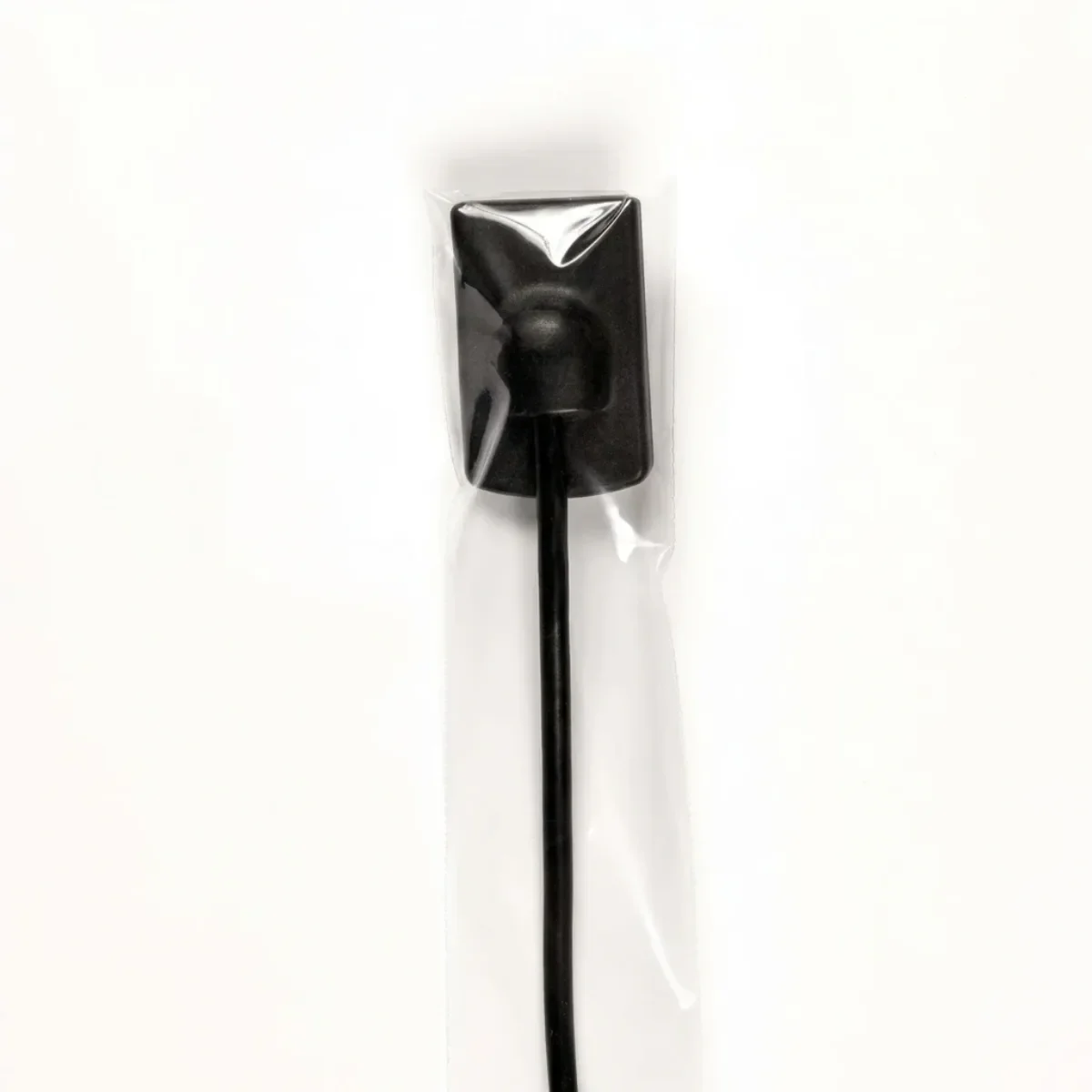
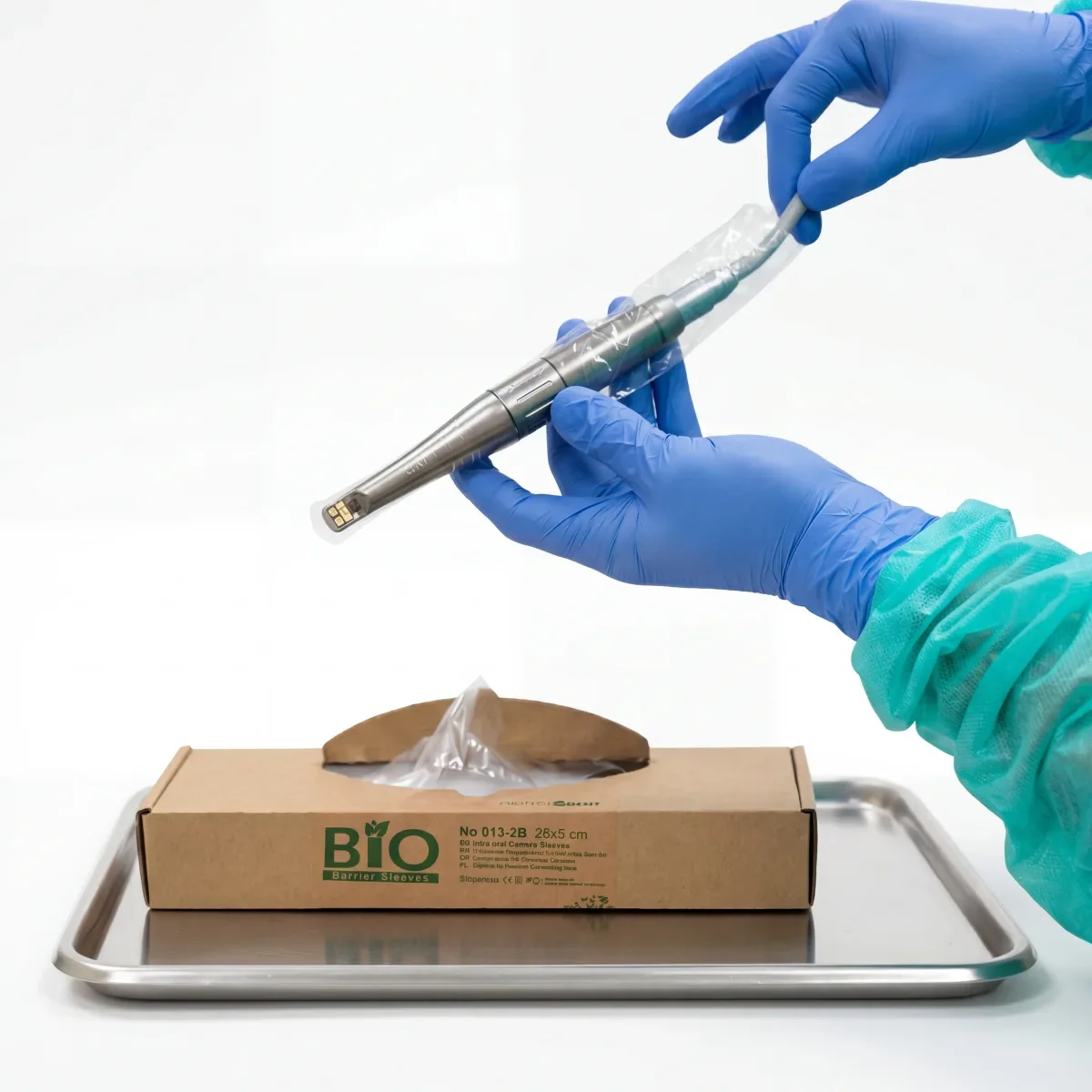
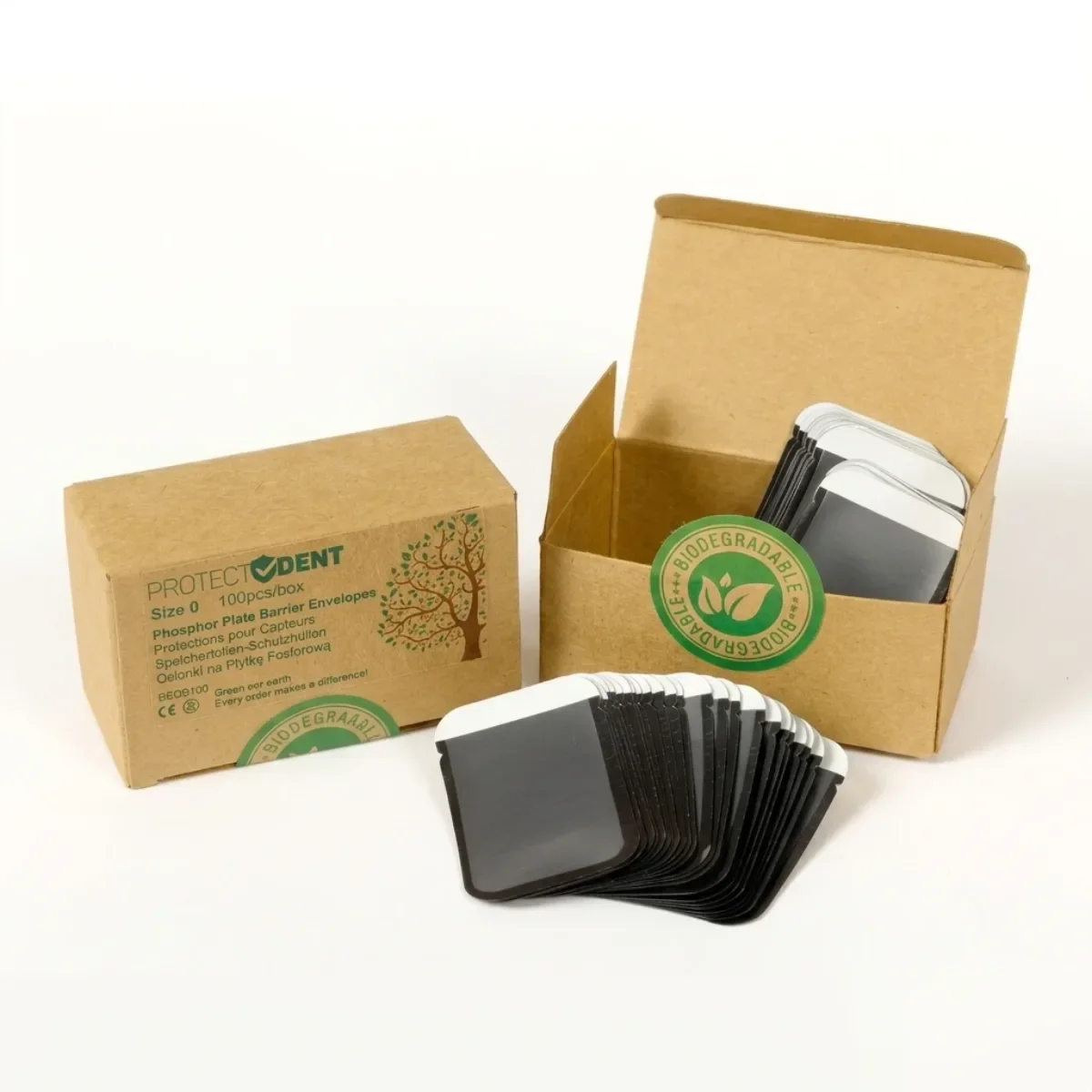
Sensor sleeves, camera sleeves and phosphor plate envelopes are, in practice, made from polyethylene film — LDPE or LLDPE (low-density and linear low-density polyethylene). Dental supply catalogues describing digital X-ray sensor sleeves specify this directly: sleeves made from LLDPE and LDPE, chosen because the material is thin, flexible and optically clear enough not to interfere with sensor or camera image quality (dhpsupply.com).
That matters here because polyethylene does not need a plasticiser to be flexible — flexibility is a property of the polymer itself, not something added afterward. PVC needs DEHP or a similar additive to soften it; polyethylene doesn't. So the entire phthalate story — restriction, exemption list, authorisation postponement — is describing a different plastic than the one wrapped around your imaging equipment. It isn't that barrier sleeves are exempt from a rule that would otherwise apply to them; the rule was never written with this material in mind, because it doesn't need what the rule is regulating.
What that means for Monday morning
Practically, nothing changes in your ordering process because of this. You don't need to chase down DEHP compliance paperwork for sensor or camera sleeves, and there's no looming deadline on your side of the supply chain to plan around.
What is still worth doing, any time you're evaluating a new barrier supplier, is asking two separate questions rather than one:
- What is the base plastic? Polyethylene is the standard for optical-clarity applications like sensors and cameras. If a supplier can't say, that's worth a follow-up, not because of phthalates specifically, but because material inconsistency is a sign of a less controlled production process generally.
- What else is in the film? Some barrier films use additives for other reasons entirely — for example, oxo-biodegradable additives that help the polyethylene break down faster after disposal. That is a separate, deliberate formulation choice about end-of-life behaviour, not a plasticiser, and it's worth asking suppliers to distinguish the two so you know what you're actually buying.
If your team wants to keep a paper trail regardless, a supplier's safety data sheet will confirm the base resin. It's a five-minute check, and it settles the question definitively rather than by inference from a catalogue description.
The takeaway
EU phthalate rules are aimed at PVC, not the polyethylene film your sensor and camera sleeves are built from. That's a fact about material chemistry, not a compliance loophole — the rule was written for a plastic that needs plasticisers to be usable, and yours doesn't. Worth knowing next time the subject comes up at a team meeting or a supplier switch is on the table.
Sources
- EU Delays DEHP Ban in Medical Devices: Key Updates — Ecomundo, 2026-08-10
- EU – REACH Annex XVII Restriction of Phthalates — ECD Compliance / rohs.ca, 2026-08-10
- Barrier Protection - Digital Imaging (product catalogue) — DHP Supply, 2026-08-10