What CDC's Surface-Barrier Rule Covers — and What Still Needs the Autoclave
Two problems, one changeover routine
Between patients, an operatory has to solve two different problems at once: instruments that touched saliva or blood need to be reprocessed, and surfaces that got splashed or touched with gloved hands need to be dealt with. CDC's dental infection-control guidance treats these as separate requirements with separate rules, and mixing them up is an easy way to under-protect a patient or waste staff time on the wrong step.
What has to go in the autoclave — no barrier substitutes
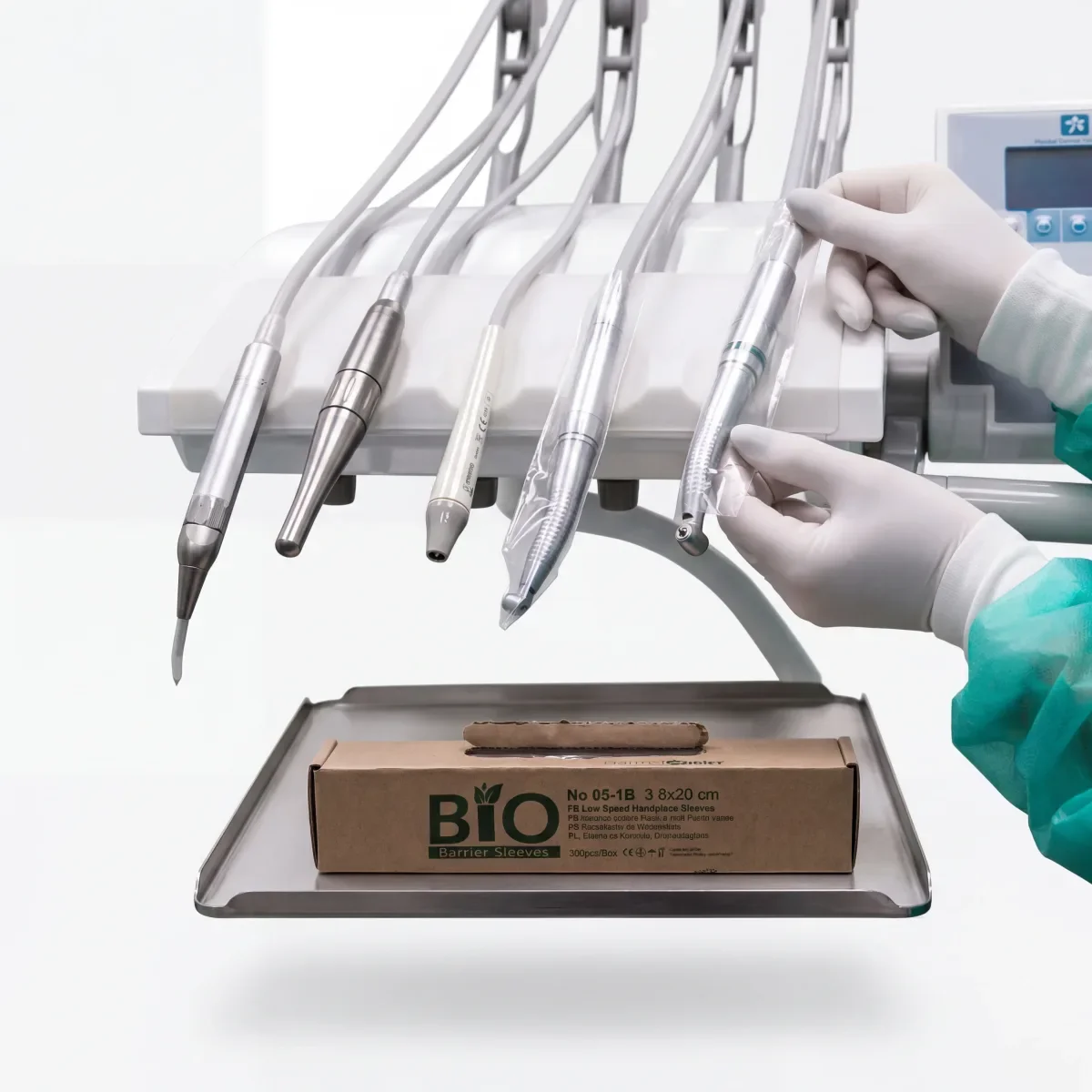
CDC is direct about handpieces: "Dental handpieces and associated attachments, including low-speed motors and reusable prophylaxis angles, should always be heat sterilized between patients — not high-level or surface disinfected," because their internal surfaces can pick up patient material during use. A barrier sleeve on the outside of a handpiece does not change this. It's worth saying plainly for anyone tempted to skip a sterilization cycle because a sleeve was used: the sleeve protects the cable and housing, the working end still goes in the autoclave, every time.
What can be barrier protected instead
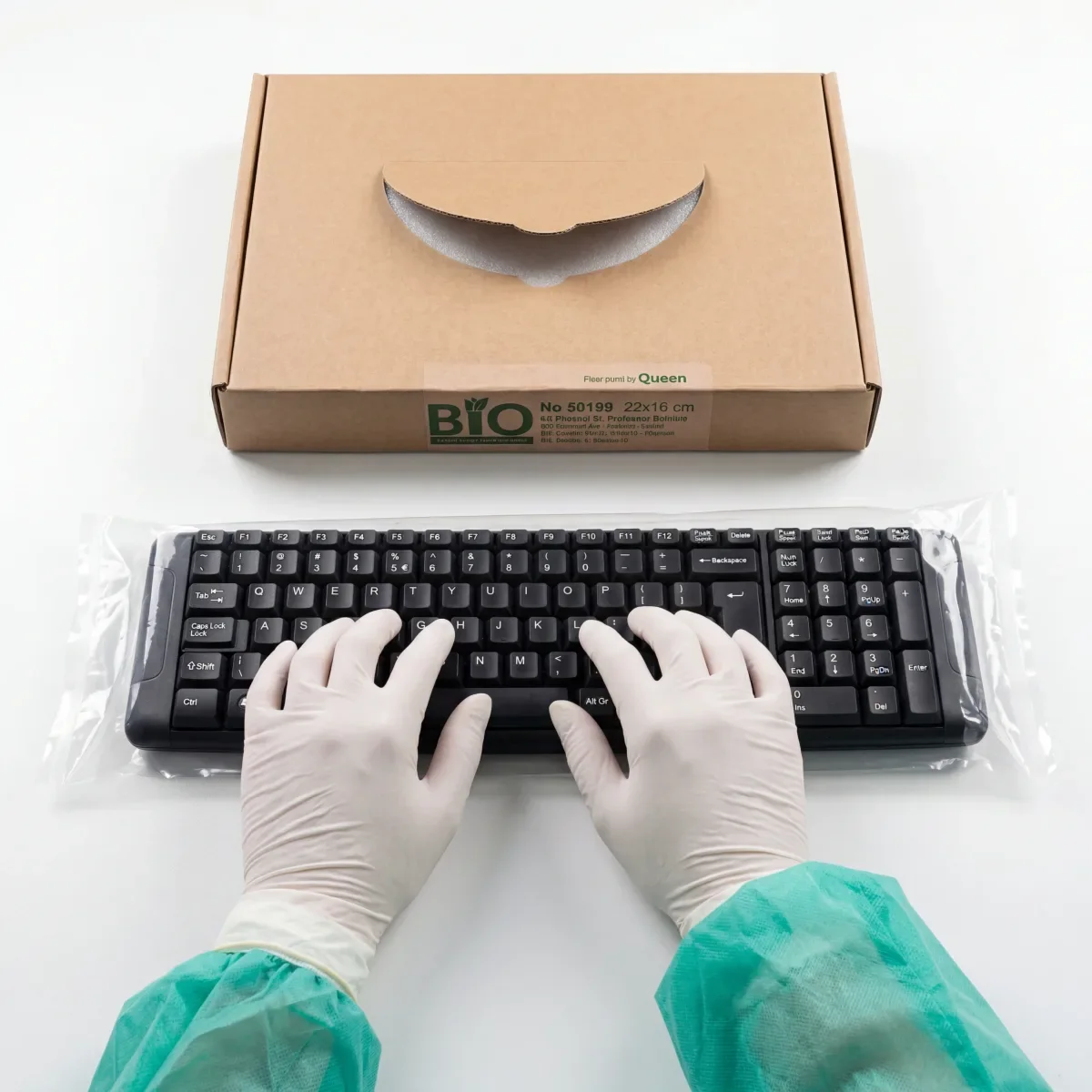
A second category of surfaces is handled differently. CDC's guidance on clinical contact surfaces names light handles, bracket trays, switches on the dental unit, and computer equipment as examples of surfaces that "are likely be contaminated by direct spray or spatter generated during dental procedures" and by contact with gloved hands. For these, the recommendation is to use an FDA-cleared surface barrier and change it between each patient — and to inspect the surface underneath before it goes back into use. If a barrier isn't practical for a given surface, the fallback is cleaning followed by an EPA-registered disinfectant, not barrier protection, so the two approaches aren't meant to be combined on the same surface.
The waterline flush is a third, separate step
A third requirement applies specifically to handpieces, air/water syringes, and ultrasonic scalers because they connect to the dental unit's waterline. CDC's water-quality guidance calls for flushing these lines for at least 20 seconds between patients, and for the water itself to meet the same standard the EPA sets for drinking water — no more than 500 CFU/mL for routine, non-surgical procedures. This is about what's inside the tubing, not what's on the outside of the handpiece or syringe, so a barrier sleeve and a waterline flush are solving different problems on the same device, and neither one substitutes for the other.
A changeover checklist that keeps the three apart
- Handpiece heads and attachments: remove, clean, heat sterilize. No exceptions for a barrier having been used.
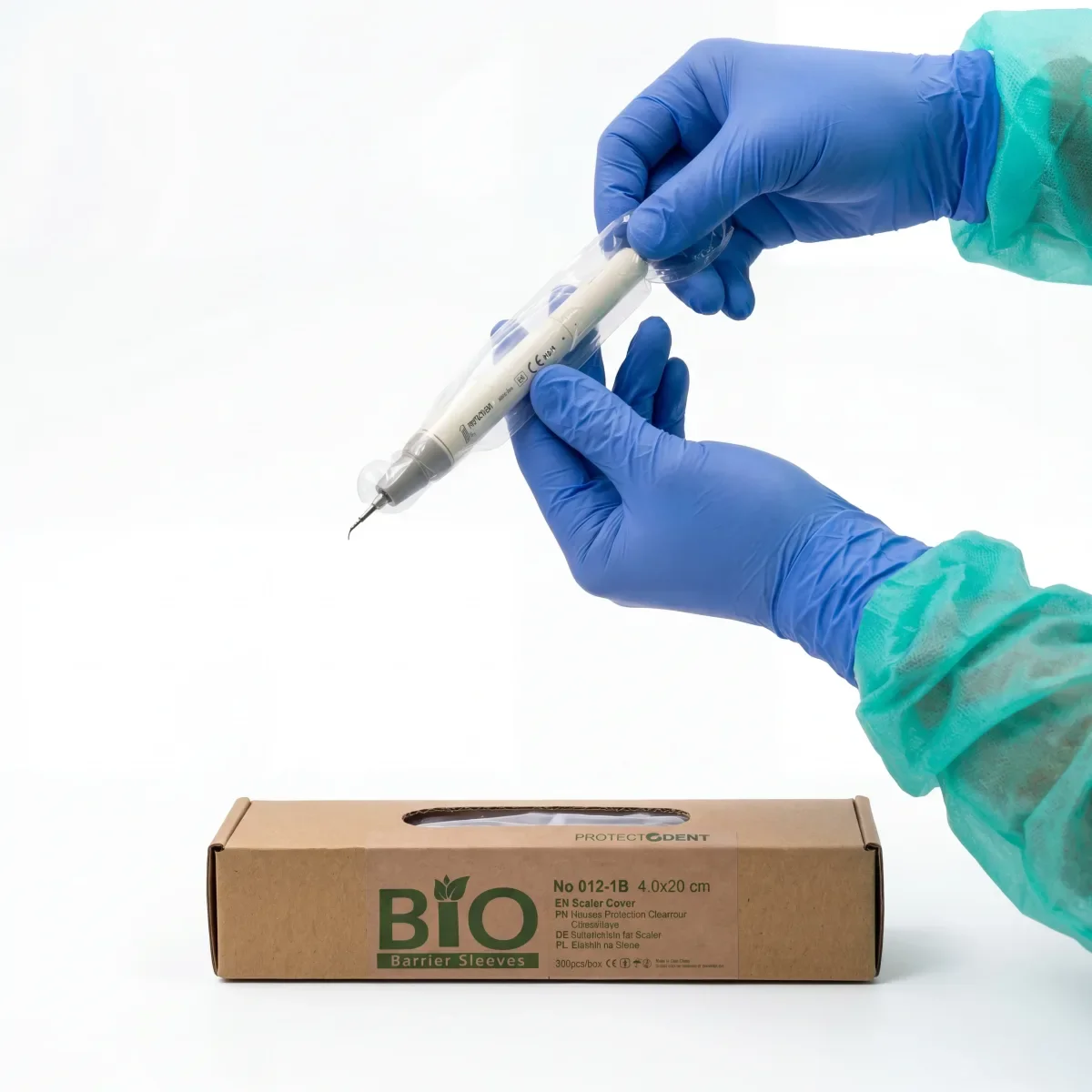
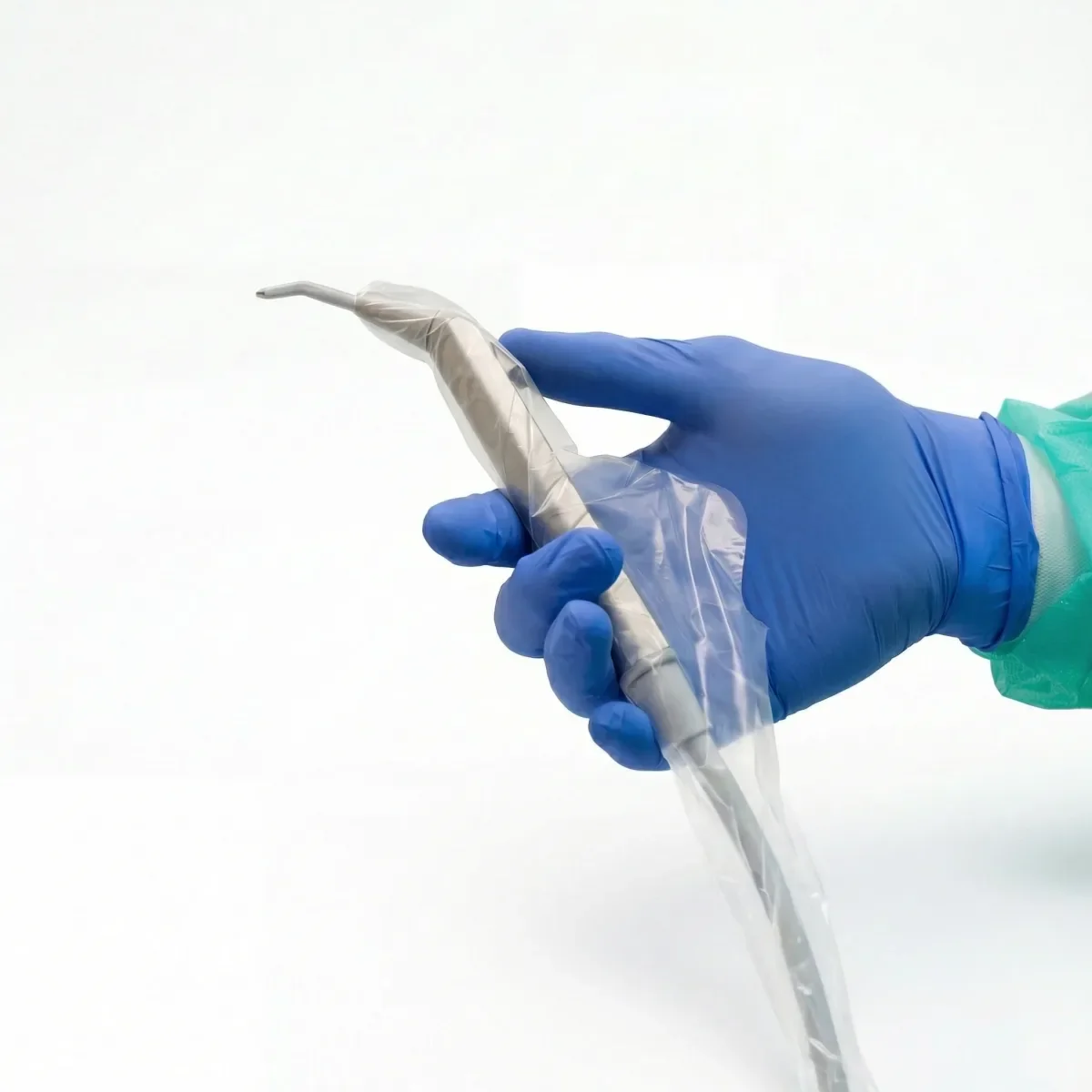
- Handpiece and scaler cables, syringe bodies, light handles, chair switches, keyboard and mouse: barrier protect and swap the barrier every patient, or clean and disinfect if no barrier is in use.
- Waterline-connected devices: flush at least 20 seconds before the next patient sits down.
Written down like this it looks obvious, but it's the step that gets skipped under time pressure — usually the flush, because nothing visibly dirty is left behind to remind anyone.
Where sleeves actually help
Sleeves earn their place on the surfaces CDC calls hard to clean: cables, handles, and computer peripherals that a spray bottle and a cloth don't reach well, and that get touched again within seconds of removing gloves. They don't shorten the sterilization list, and they don't replace the flush. Treated as one piece of a three-part routine rather than a stand-in for the other two, they do exactly what the guidance describes: reduce what a barrier surface picks up between the moment a patient leaves and the moment the next one sits down.
Sources
- Best Practices for Environmental Infection Prevention and Control — CDC, 2026-08-07T00:00:00Z
- Sterilization and Disinfection — CDC, 2026-08-07T00:00:00Z
- Dental Unit Waterlines — American Dental Association, 2026-08-07T00:00:00Z