Your Intraoral Camera Can't Go in the Autoclave: What Happens Between Patients
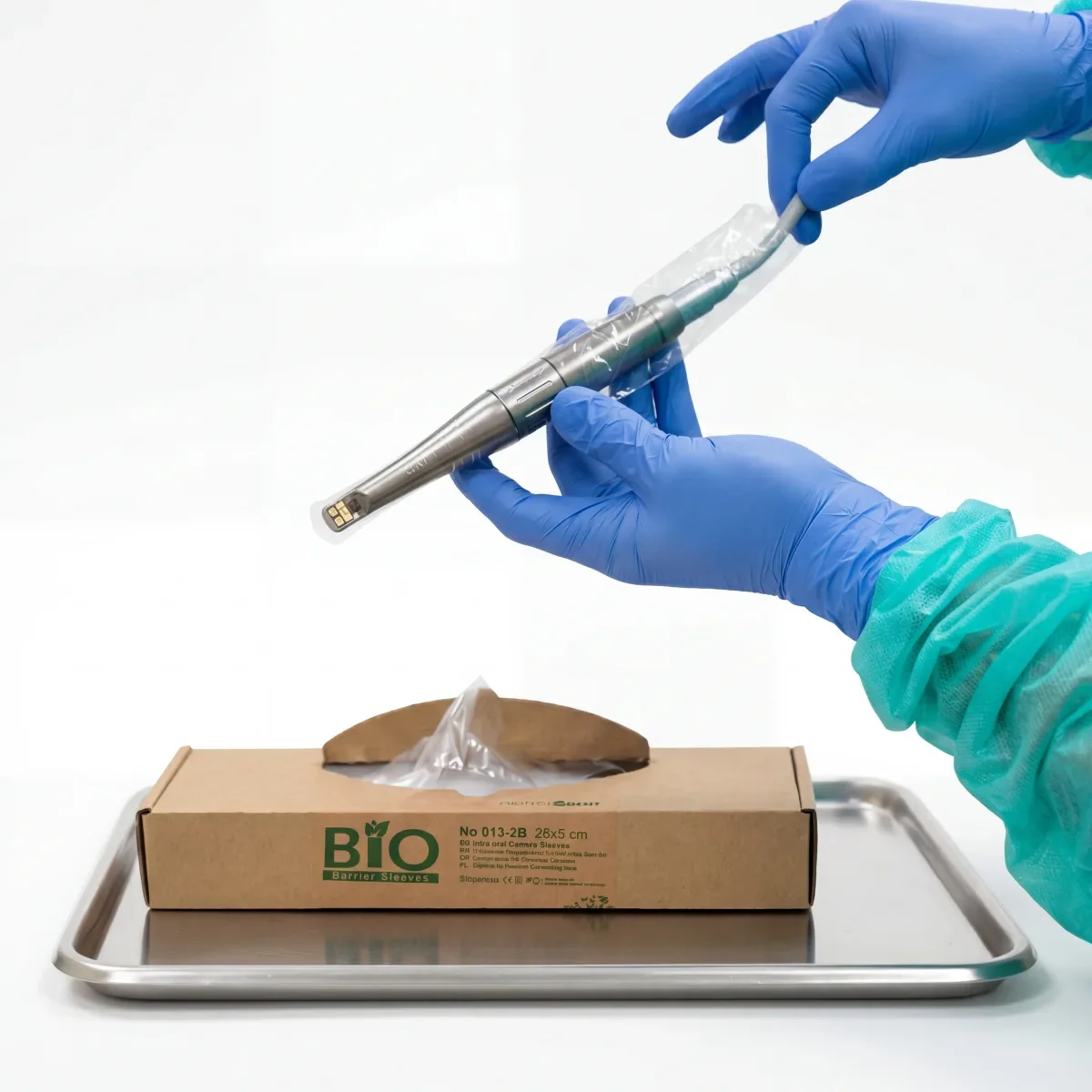
Ask most dental teams what happens to the handpiece between patients and you get a confident answer: it goes in the autoclave. Ask the same question about the intraoral camera wand, and the answer gets vaguer. That gap matters, because the camera touches the same mucous membranes the handpiece does — it just can't be processed the same way.
Semicritical does not mean "pick a method"
CDC's dental infection-control guidance sorts patient-care items by risk, not by convenience. Items that touch mucous membranes or non-intact skin are classified as semicritical, and the default instruction is direct: sterilize them if they can tolerate heat, or run them through high-level disinfection if they can't. CDC is explicit that skipping straight to a wipe-down is not an option for this category — its guidance states that "the use of heat-sensitive semicritical items that must be processed with liquid chemical germicides is discouraged" in the first place, precisely because heat sterilization is so much more reliable than a liquid soak.
An intraoral camera wand is a semicritical item by that same definition: it contacts the oral mucosa during use. But the camera body is electronics, optics and a cable — not something you can run through a steam cycle. That combination is exactly what CDC's guidance anticipates for devices like this. For items that can't tolerate sterilization or high-level disinfection at all, the guidance falls back to a minimum standard: protect the device with an FDA-cleared barrier during use, then clean it and disinfect it with an EPA-registered, intermediate-level tuberculocidal hospital disinfectant between patients. The barrier is not a nice-to-have on top of disinfection — for a device that can't be sterilized, it is the control that is actually doing the infection-control work, with the wipe-down as backup for whatever the barrier didn't cover.
What high-level disinfection looks like when a manufacturer does spell it out
It is worth seeing what the alternative — real high-level disinfection — actually involves, because it explains why so many practices default to barriers instead. Shining3D's published protocol for its Aoralscan intraoral scanner tip is a useful, concrete example: after a multi-step pre-clean with distilled water and an enzymatic surfactant, the tip is immersed in an ortho-phthalaldehyde (OPA) solution at 5.5 g/L for 12 minutes, then rinsed three times and air- or cloth-dried for up to 30 minutes before reuse. The manufacturer is also explicit that this chemical route and heat sterilization are not interchangeable steps in the same cycle. That is a real, validated process — but it is also a multi-step chairside task with its own timer, chemical handling and drying window, repeated for every patient, on a device most practices only have one or two of.
The chain of touch nobody schedules for
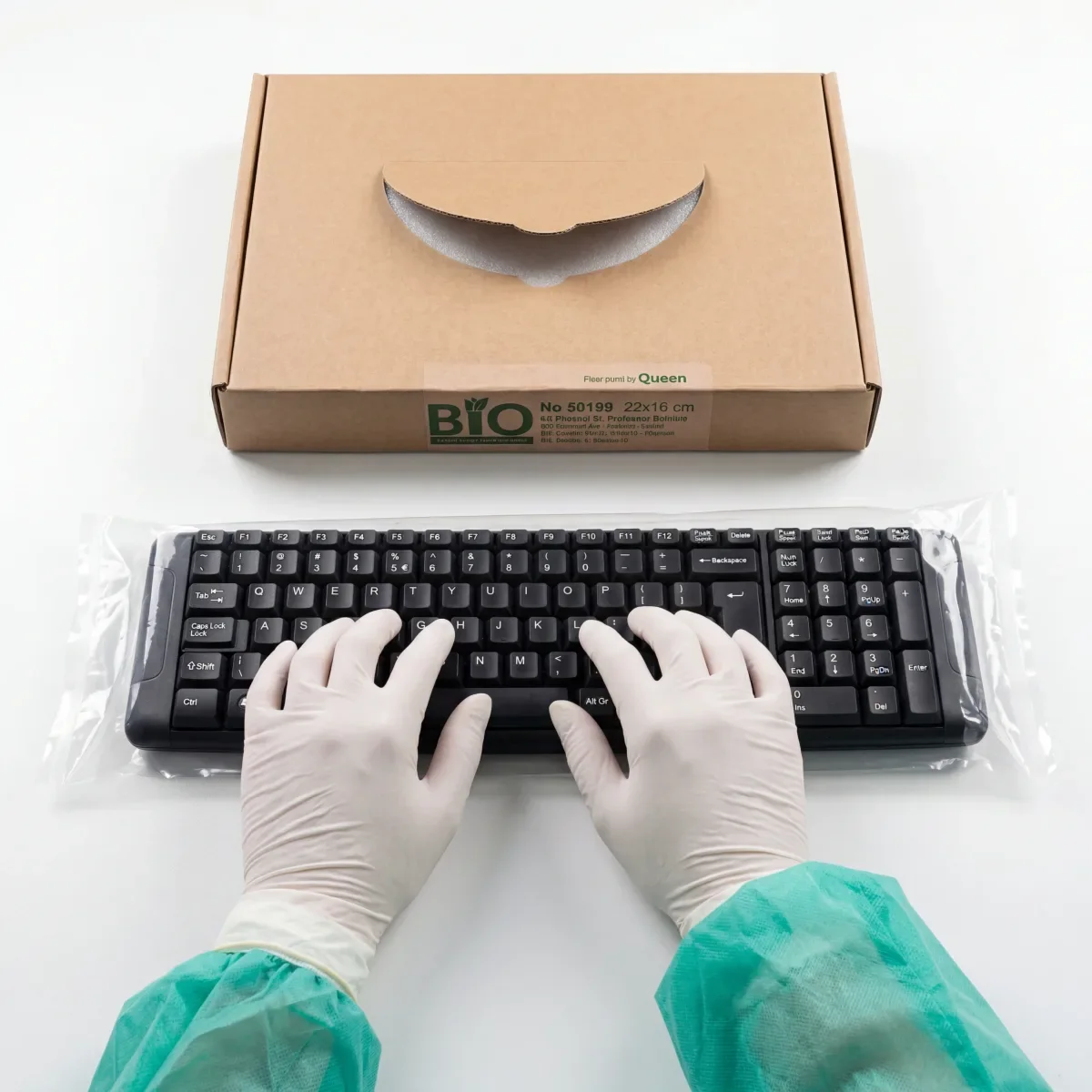
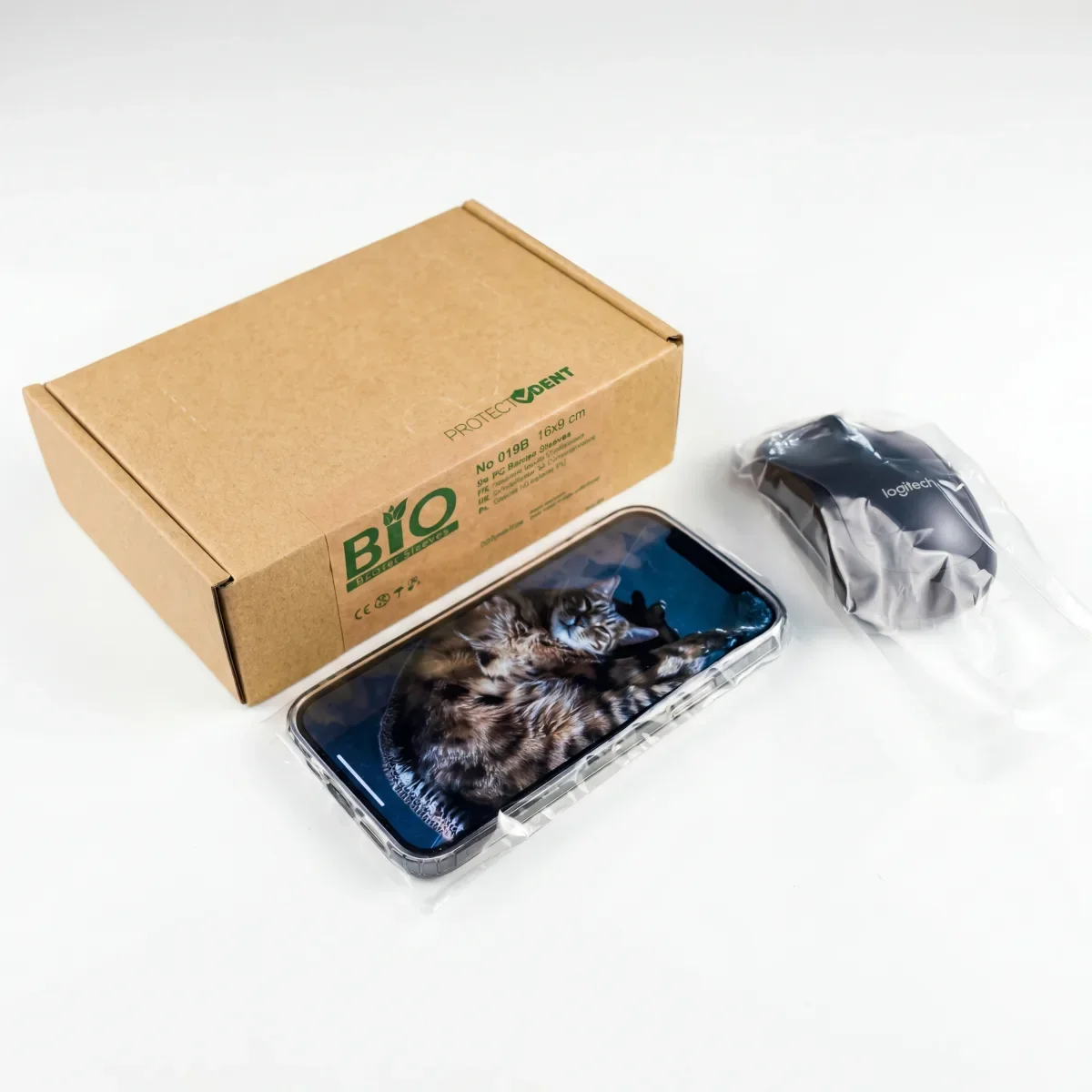
The camera doesn't get used in isolation. A typical sequence: the assistant hands the wand to the dentist, the dentist captures the images, the wand goes back to its holder, and someone's hands go straight to the keyboard and mouse to pull the images up on screen. ADA's infection-control guidance places light handles, extraoral equipment and similar frequently touched surfaces in the noncritical category — items that may be barrier-protected and should otherwise be wiped with an intermediate-level disinfectant between patients. Keyboards and mice sitting at chairside fall into that same noncritical bucket in practice, and they get touched on almost every visit, right after hands that were just holding a semicritical device.
What this means for Monday morning
The practical takeaway isn't a new protocol — it's closing the gap between what the camera wand actually needs and what it's currently getting:
- Confirm in writing whether your camera/scanner manufacturer's instructions call for heat sterilization, high-level disinfection, or barrier-plus-intermediate-disinfection. Don't assume; check the IFU.
- If the device can't be sterilized, treat the barrier sleeve as the primary control, changed for every patient, not just between visibly different cases.
- Follow the barrier removal with an intermediate-level, EPA-registered wipe-down of the wand body and cable — the barrier covers what it covers, not the whole device.
- Extend the same barrier-or-wipe logic to the keyboard and mouse the team touches immediately afterward, since they sit in the same touch chain as the camera.
- Log which devices in the operatory are sterilizable and which are barrier-only, so new staff aren't guessing at chairside.
None of this replaces the manufacturer's instructions for use — those govern which chemicals and cycles are validated for a specific device. What CDC's semicritical framework and ADA's noncritical-item guidance do is explain why the barrier-and-wipe routine exists for devices that can't be autoclaved, so it stops feeling like a workaround and starts being treated as the actual protocol.
Sources
- Best Practices for Sterilization in Dental Settings — CDC, 2026-08-06
- Infection Control and Sterilization — American Dental Association, 2026-08-06
- Aoralscan – Recommended Methods for Scan Tip Disinfection — Shining3D Dental Support, 2026-08-06