One Sleeve Doesn't Fit Every Bite Block: A Buying Guide by Equipment Brand
A Barrier Sleeve Is Only as Good as Its Fit
A practice running a panoramic unit from one brand, a CBCT from another, and a separate cephalometric attachment is common — equipment gets added over years, one purchase at a time. What causes trouble is assuming a single "universal" bite block sleeve or ear rod cover will seat correctly on all of them. Often it doesn't, and the mismatch shows up at the worst moment: mid-positioning, with the patient already in place.
What the guidance actually asks for
Dental infection-control guidance sorts patient-care items by the kind of contact they make. The CDC lists radiograph head/cone as an example of a noncritical item — one that only touches intact skin — and says cleaning, or cleaning followed by disinfection when visibly soiled, is "adequate" for that category, with barrier protection offered as a preferred alternative to disinfecting between every patient. Items that touch mucous membranes or non-intact skin sit in a stricter semicritical category and are expected to be heat-sterilized whenever that's practical.
The American Dental Association draws the same line for imaging equipment specifically: extraoral radiographic equipment "may be barrier-protected," then disinfected with an intermediate-level hospital disinfectant between patients. Neither body publishes one answer for every bite block or ear rod on the market — that comes down to the equipment's own instructions for use. Which makes the two questions worth asking before an order goes out: what does this item actually touch, and what does the manufacturer's IFU say about reprocessing it?
Barrier use doesn't replace checking the disinfectant
A barrier sleeve covers the hardware; it doesn't remove the need to disinfect that hardware underneath. Guidance aimed specifically at imaging and digital equipment flags disinfectant strength as its own issue:
Plastic barriers should be used — along with a disinfectant containing less than 17% alcohol — on handheld radiography units.
That's from Decisions in Dentistry coverage of infection control for dental technology, and the logic carries over to fixed imaging equipment too: high-alcohol wipes can degrade housings and touch surfaces over repeated use. If barrier sleeves and disinfectant wipes are on separate ordering cycles in your practice, it's worth confirming the two are actually meant to be used together.
Why "one size" creates rework, not savings
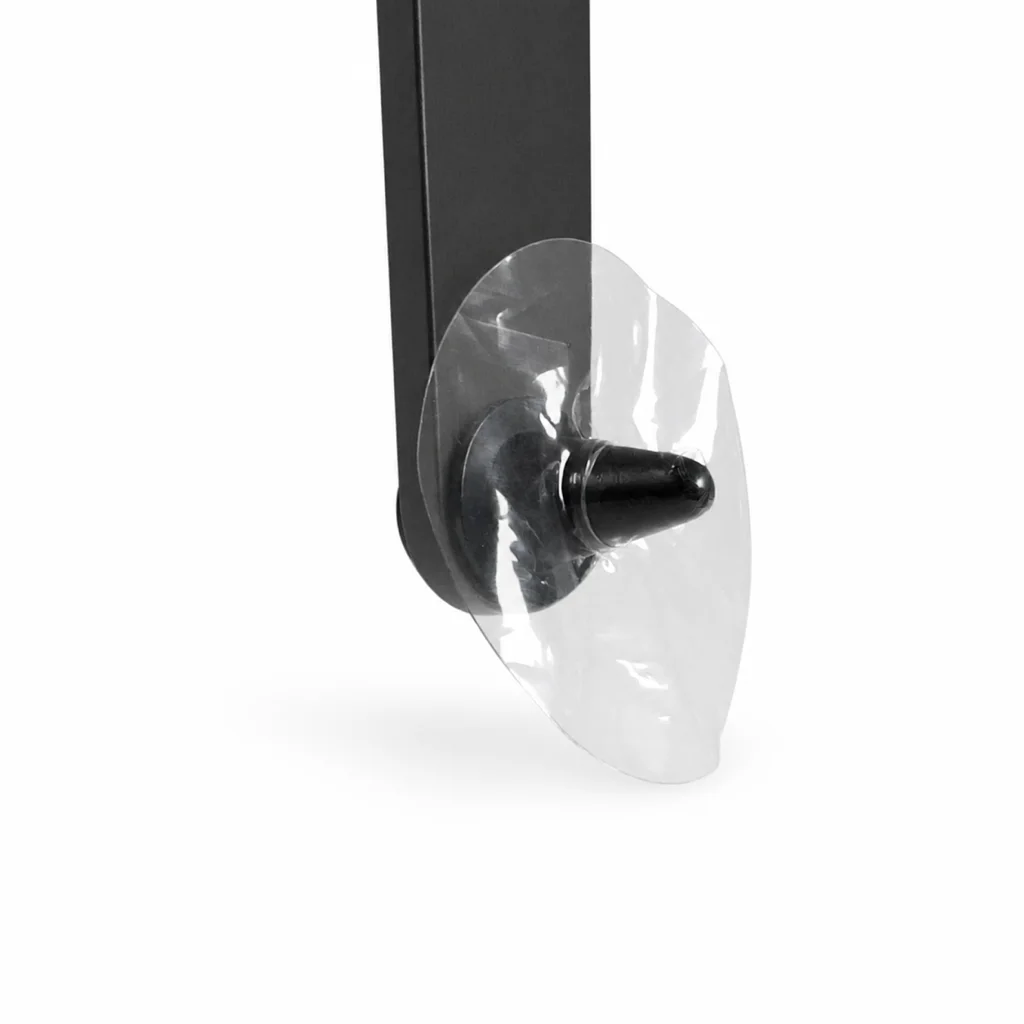
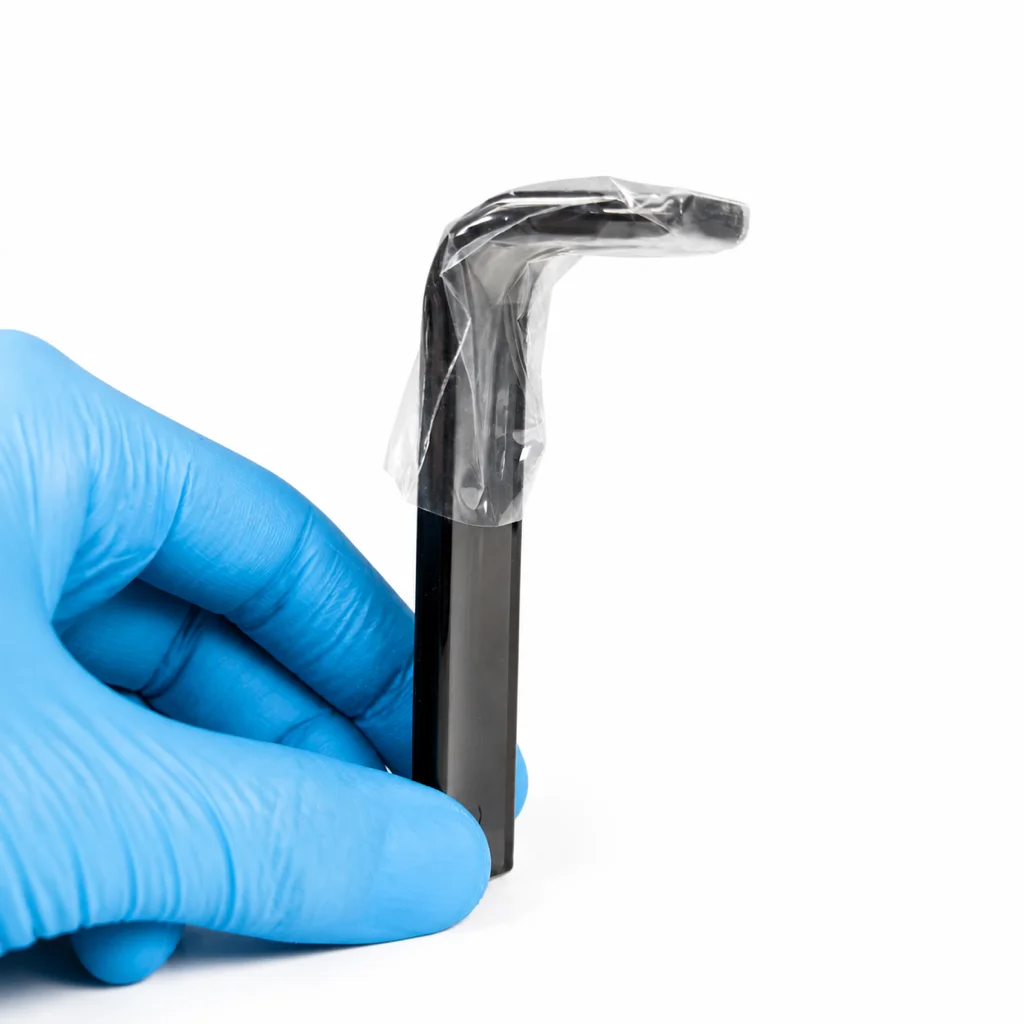
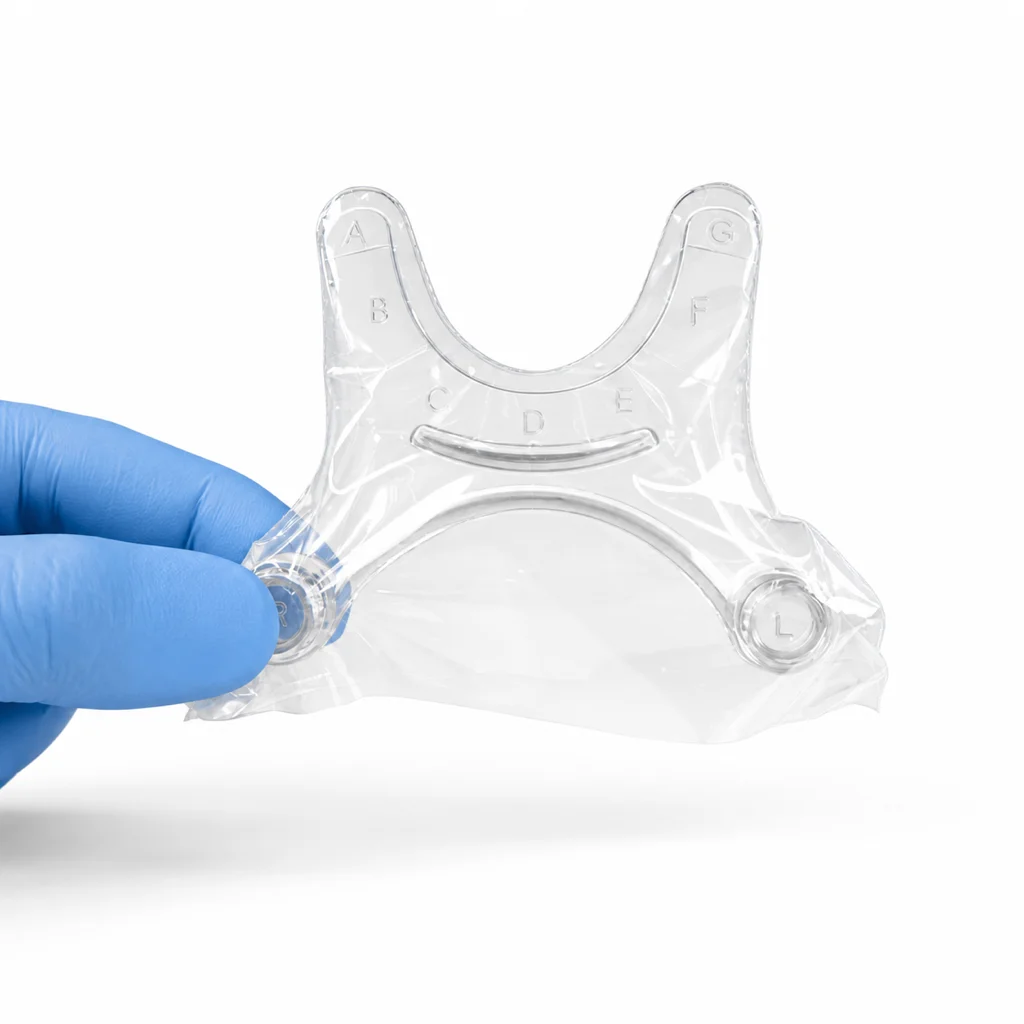
Standardizing on a single bite block sleeve SKU across every unit looks efficient on a purchase order. In the operatory, a sleeve cut for one manufacturer's bite stick geometry can sit loose on another unit, bunch at the seam, or need to be adjusted after the patient is already positioned — which means re-touching the item that was just covered. That's not a clinical-outcome claim; it's a workflow cost, and it's the reason equipment-specific sizing exists as its own product category rather than a single generic sleeve covering everything.
A short checklist before you reorder
- Match the sleeve to the exact model, not just the brand — positioning hardware can differ between generations of the same product line.
- Confirm which attachments are in use — panoramic, CBCT, and cephalometric positioning devices on the same unit don't always share one sleeve size.
- Look for sleeve material described as leak-proof and tear-resistant; a barrier that splits mid-exam has already failed its purpose.
- Keep the disinfectant used on the reusable base compatible with the equipment housing, not only with the barrier film.
- Reorder by exam volume per unit rather than a flat count across the practice — a ceph attachment used twice a day doesn't need the same stock cadence as a panoramic unit in daily use.
What this means Monday morning
None of this requires a policy rewrite. It's a five-minute check the next time a box of bite block sleeves or ceph ear rod covers is due for reorder: confirm the model, not just the brand, and confirm the sleeve is rated for the type of contact the item actually makes. For practices running mixed equipment fleets — which by now is most multi-chair practices — that's the difference between a barrier that stays in place for the whole exposure and one that needs fixing halfway through.
Sources
- Sterilization and Disinfection | Dental Infection Prevention and Control — Centers for Disease Control and Prevention (CDC), 2026-08-11
- Infection Control and Sterilization — American Dental Association (ADA), 2026-08-11
- Infection Control Policy for Dental Technologies — Decisions in Dentistry, 2026-08-11