England's HTM 07-01 Update Changes How You Bin Barrier Waste
Why this matters now
In England, a dental practice no longer has to treat every patient's waste as potentially infectious by default. HTM 07-01, the NHS guidance on healthcare waste that covers dentistry, moved to a risk-based approach when it was updated, and dental trade press is still publishing explainers on it well after the fact, because a lot of practices have not changed how they sort what comes off the chair. If every bag from every patient is still going out as infectious waste, you are probably paying to have ordinary barrier waste treated and disposed of as something it no longer has to be.
What actually changed
- Under the old "universal precautions" approach, waste from any patient was bagged as if it could be infectious, regardless of that patient's actual risk.
- The current guidance asks the practice to risk-assess instead: waste is classed as infectious only when it comes from a patient with a known or suspected infection.
- Items contaminated with bodily fluids from a patient who isn't flagged as infectious can go into the offensive-waste stream — yellow bags with a black stripe, usually called "tiger bags" — rather than the infectious one.
- Anatomical waste, chemicals, medicines, and cytotoxic or cytostatic drugs sit outside this change entirely. They still require incineration, and risk assessment does not alter that.
- NHS England presents the update as part of a wider, ten-year Clinical Waste Strategy, which also pushes the waste hierarchy and a shift away from single-use items toward reusable ones where that's practical.
What this means in the operatory
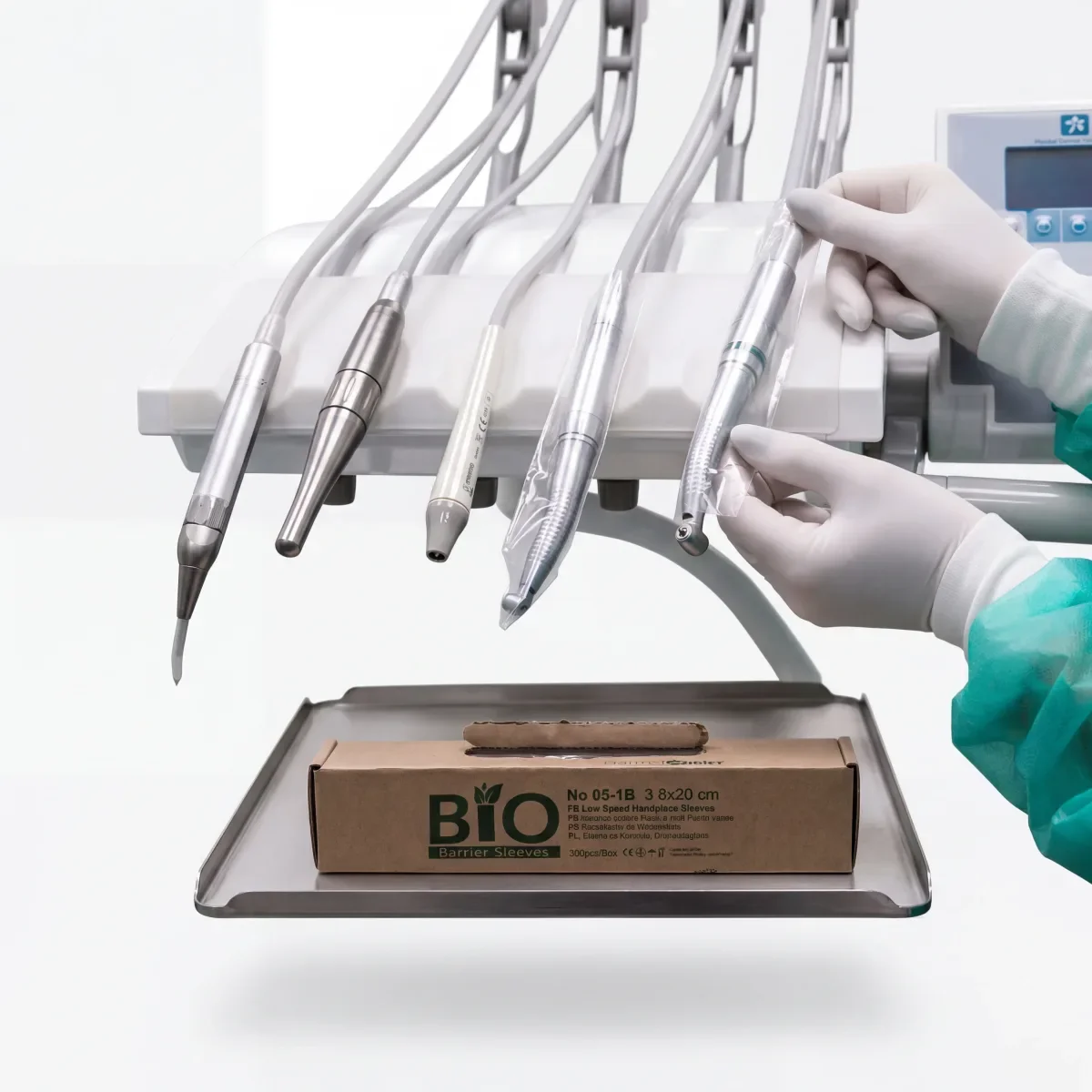
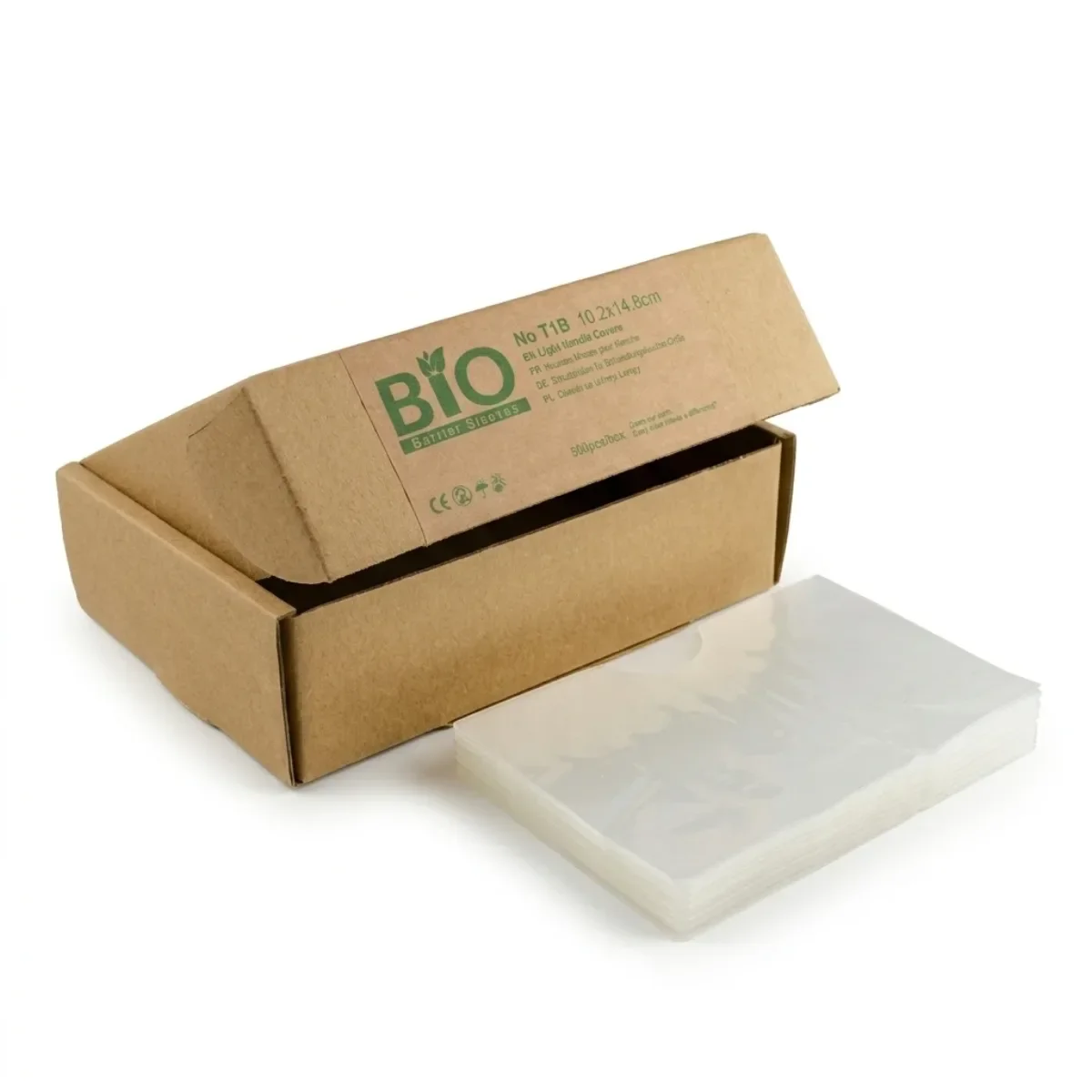
Most of what comes off a chair at turnaround — barrier sleeves, PPE, other single-use covers — used to default into the infectious stream no matter who sat in the chair. Under the current rule, unless that patient's history flags a known or suspected infection, the same waste generally belongs in the offensive stream instead.
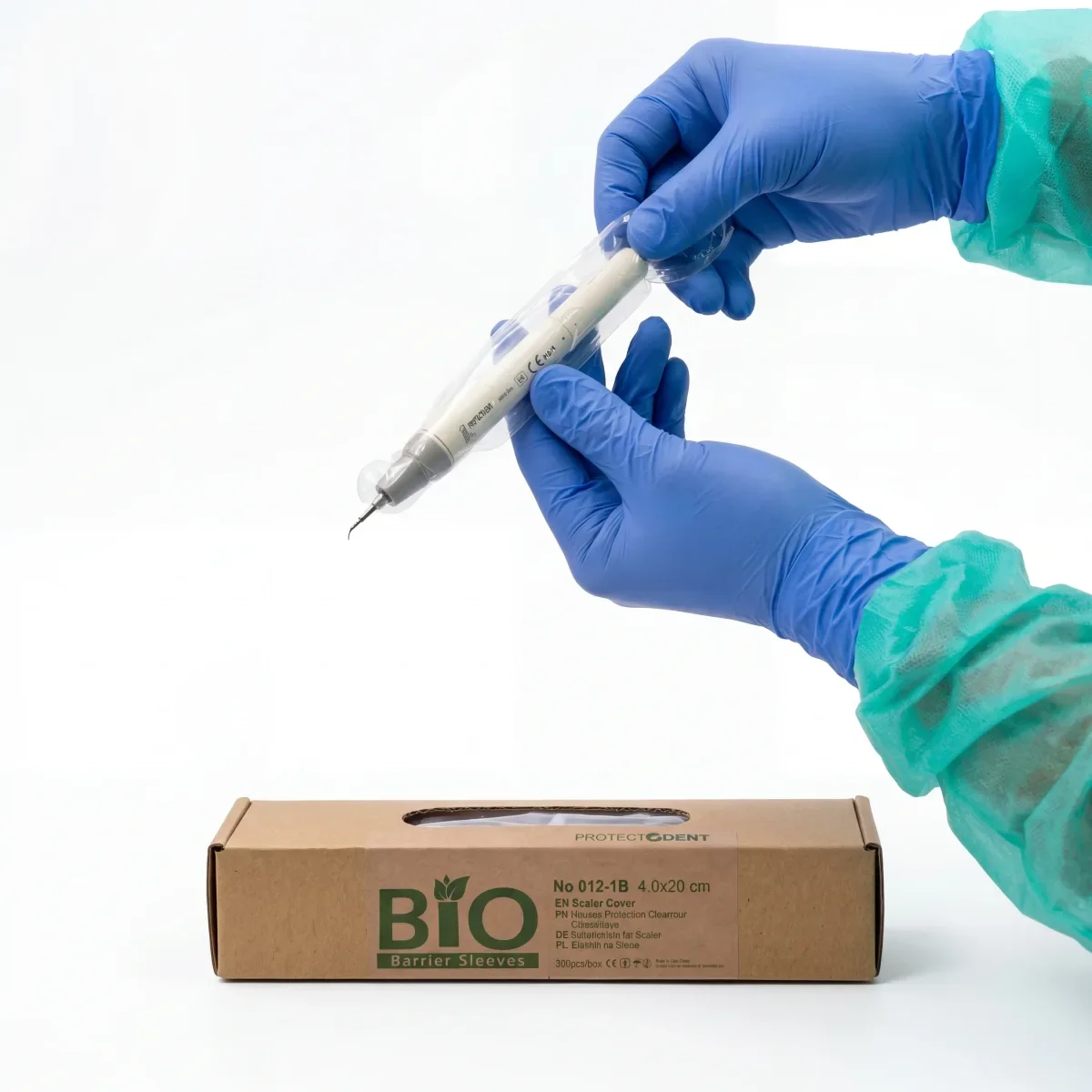
That is not a lower bar for infection control at the chair. A barrier sleeve does exactly the same job while it is in use, whether or not the patient turns out to be risk-assessed as infectious: it stops contact between the patient and a surface you cannot wipe down or autoclave between appointments. What has changed is what happens to the sleeve after you take it off, not whether you fit one in the first place.
The other side of this is that the risk assessment has to be real. A meaningful share of relevant infections are undiagnosed or asymptomatic at the time of treatment, so the classification depends on how current and thorough your patient history process actually is. The training point that matters now is keeping that history up to date and teaching the team to tell the two waste streams apart — not loosening anything about how or when a barrier gets used.
What to check
- Confirm your waste contractor's current bag colours match the rule in force: orange for infectious, yellow with a black stripe for offensive.
- Look at your waste invoice. If every collection is still billed and treated as infectious, ask your contractor why — the split should have moved since the update.
- Make sure anatomical, chemical, medicinal and cytotoxic or cytostatic waste is still segregated on its own; the risk-based approach does not touch this category.
- Replace any training material that still says to treat everything as infectious with the current risk-based instruction, and confirm EWC codes on your waste paperwork match what's actually in each bag.
- If your practice is outside England, check the equivalent guidance for your nation — HTM 07-01 is NHS England's document, and Scotland, Wales and Northern Ireland issue their own.
Frequently asked questions
Does this mean I can stop using barrier sleeves on low-risk patients?
No. The classification change affects what happens to waste after it's removed, not infection-control practice at the chair. A barrier sleeve still does the same job while it's in use.
What bin does a used barrier sleeve go in now?
If it came off a patient with no known or suspected infection, it generally belongs in the offensive-waste stream — yellow bag with a black stripe — rather than the infectious stream, under the current risk-based approach.
Does HTM 07-01 apply across the whole UK?
HTM 07-01 is NHS England's guidance. Scotland, Wales and Northern Ireland each publish their own equivalent healthcare waste guidance, so check the version for your nation.
Do I need to renegotiate my clinical waste contract?
Not necessarily, but it's worth checking that your contractor is classifying and billing your waste according to the current risk-based rule rather than treating everything as infectious by default.
What hasn't changed under the update?
Anatomical waste, chemicals, medicines, and cytotoxic or cytostatic drugs still require incineration regardless of patient risk assessment.
Sources
- Healthcare waste: appropriate measures for permitted facilities — Managing healthcare wastes — GOV.UK, 2026-10-18
- Healthcare waste guidance changes: what you need to know — Dentistry, 2026-10-18
- HTM 07-01: Summary of Key Changes — Sharpsmart, 2026-10-18