What the EU's New Battery Rule Means for Your Portable X-Ray Unit
Why this matters now
On 14 July 2026 the European Commission adopted a delegated act that settles a question the EU's Battery Regulation had left open for portable medical equipment: who is allowed to swap the battery. For a handheld dental X-ray unit or a wireless intraoral camera, the answer the act gives is not "the end user." It names "professional medical imaging and radiotherapy devices" as a category whose batteries need only be removable and replaceable by independent professionals — not by whoever is holding the device in the operatory.
What actually changed
The Batteries and Waste Batteries Regulation (EU) 2023/1542 sets a general rule, from 18 February 2027, that portable batteries built into a device must be removable and replaceable by the end user. The regulation always allowed for exemptions from that general rule, decided through delegated acts.
- On 14 July 2026, the Commission adopted a delegated act under Article 11(4) adding several product categories to a middle exemption tier: batteries in these devices need only be removable and replaceable "by independent professionals," rather than by the end user.
- One of the named categories is "professional medical imaging and radiotherapy devices (as defined in Article 2(1) of Regulation (EU) 2017/745) and in vitro diagnostic medical devices."
- The same act adds unrelated categories too — water-exposed wearables, ATEX equipment, wireless food-contact thermometer probes, on-body drug-delivery systems, agricultural telematics units and certain electric toys — so this wasn't written with dentistry specifically in mind, but the imaging category catches it.
- This is a middle tier, not a full exemption. Full exemption from removability is reserved separately for devices where continuous power is a safety issue, such as implantables.
- The act still has to clear a scrutiny period in the European Parliament and Council and be published in the Official Journal before it takes effect. It is adopted, not yet in force.
What this means in the operatory
If a practice owns a handheld or portable dental X-ray generator, or a wireless intraoral camera with a built-in rechargeable battery, that battery — once the exemption takes effect — is meant to be serviced by the manufacturer's authorised channel, not opened up and swapped by whoever is free that afternoon. Fixed, mains-powered wall units without a battery aren't affected; this is specifically about portable equipment that carries its own power source.
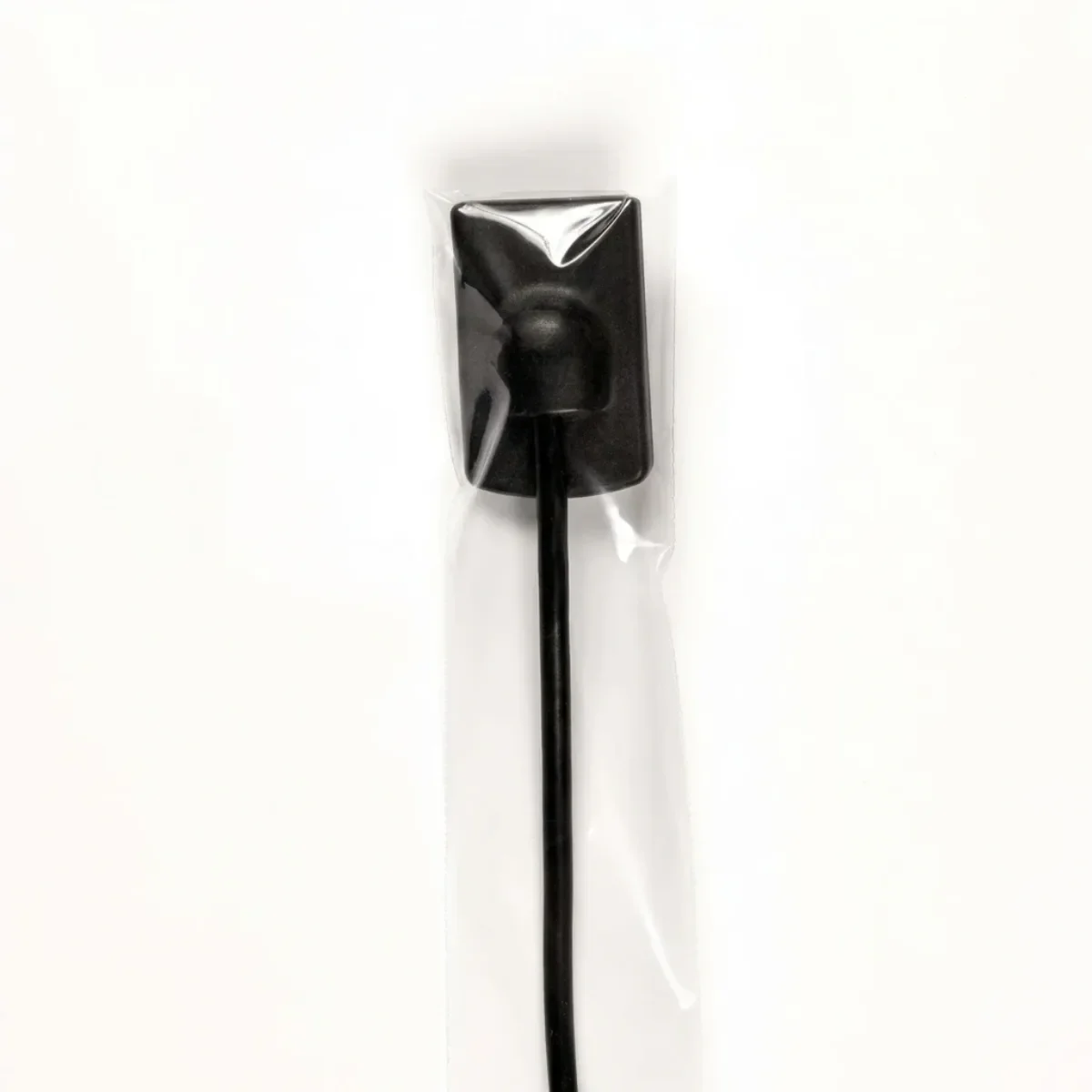
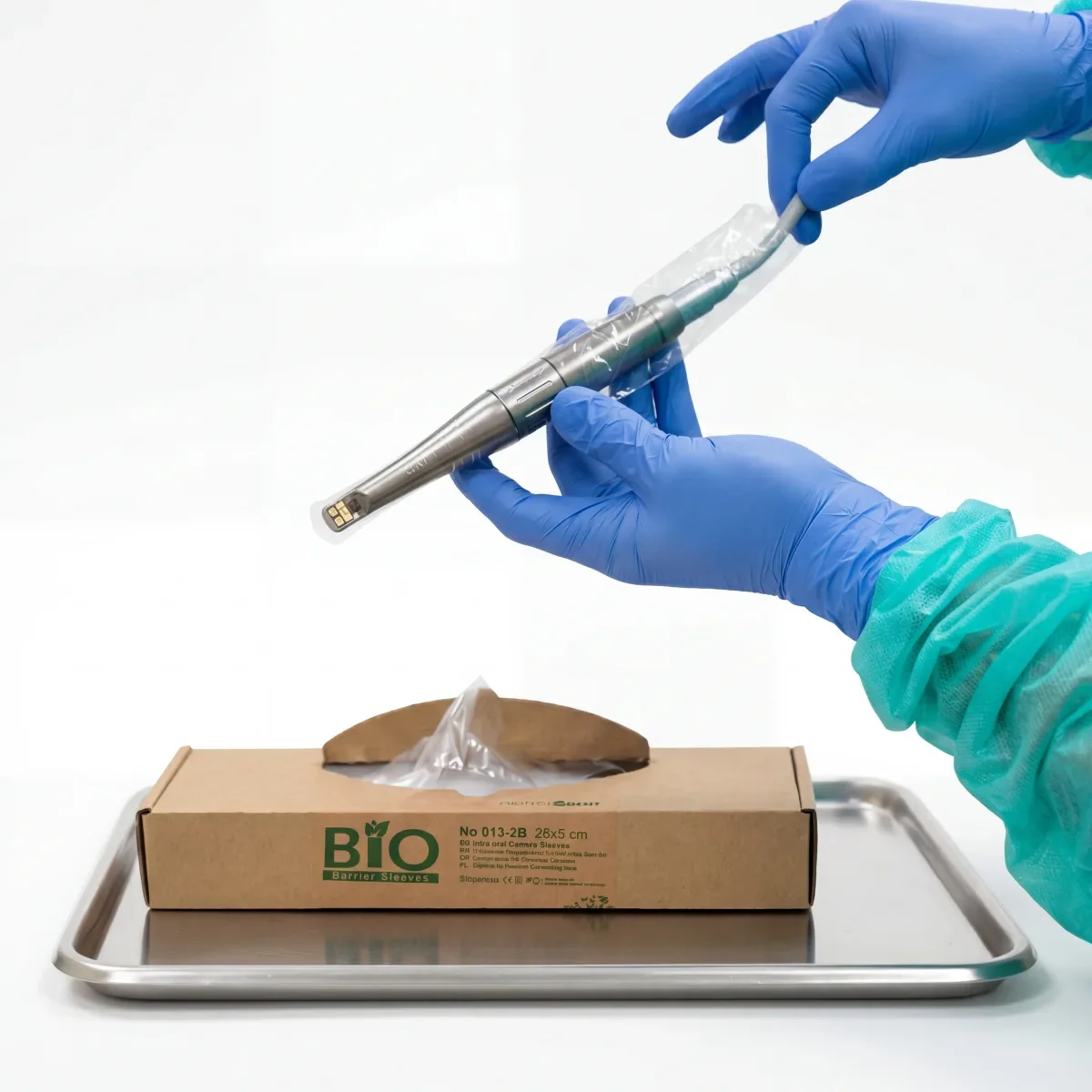
The practical planning point is service logistics, not compliance paperwork on your end: build battery service for these devices into your maintenance contract rather than assuming a replacement can be ordered and fitted in-house. A device that comes back from a professional battery swap with even a slightly different housing seam or charging port is also a reasonable moment to double-check that the barrier sleeve you use on it still seats and seals the way it did before.
What to check
- Ask your supplier whether your specific handheld X-ray unit or wireless intraoral camera falls under the new "professional medical imaging" category once it's finalised.
- Don't assume in-house battery replacement is still an option for these devices after the rule takes effect — check with the manufacturer's service channel first.
- Watch for the act's publication in the Official Journal; the Parliament/Council scrutiny period can still adjust details before it applies.
- After any professional service that opens the device housing, recheck that your barrier sleeve still fits and seals correctly before the next patient.
Frequently asked questions
Does this mean I can no longer replace the battery in my portable X-ray unit myself?
Once the rule takes effect, batteries in devices classed as professional medical imaging equipment are meant to be removed and replaced by an authorised professional, not by practice staff.
Is this rule already in force?
No. The European Commission adopted the delegated act on 14 July 2026; it still needs to clear a Parliament and Council scrutiny period and Official Journal publication before it applies.
Does this affect my wall-mounted intraoral X-ray unit?
No. This rule concerns portable batteries. A fixed, mains-powered wall unit without a battery is outside its scope.
Does my cordless curing light fall under this same exemption?
Not under this specific imaging category. Cordless curing lights are still covered by the Battery Regulation; check with your supplier how its exemptions apply to that particular product.
Sources
- Commission adds exemptions to portable battery removal rules — European Commission (DG Environment), 2026-09-13
- Removability and replaceability of batteries: new partial exemptions — ProdLaw, 2026-09-13
- EU Adopts New Derogations for Portable Battery Removability and Replaceability — TÜV Rheinland, 2026-09-13