DEXIS Put a Number on How Many Times You Can Autoclave a Scanner Tip
Why this matters now
In March 2026, DEXIS announced that the Institute of Digital Dentistry named its Imprevo intraoral scanner the 2025 Most Improved Intraoral Scanner, crediting a year of changes that included a smaller scan tip. Independent coverage from DrBicuspid confirmed the recognition and reported that the smaller tip was designed to improve patient comfort and reduce scan time. DEXIS's own product page goes further: it now lists a standard tip and a new slim tip, swappable mid-scan to reach posterior teeth and tight spaces.
The award isn't the interesting part. What DEXIS does, and doesn't, publish about reusing that tip is — and it's a useful prompt to ask the same question about everything else in the practice marked "autoclavable."
What actually changed
DEXIS's specification page states a reuse limit for the standard Imprevo tip:
- Hygiene cycle (134°C, 4 minutes): up to 160 cycles
- Extra hygiene cycle (134°C, 18 minutes): up to 100 cycles
Two different ceilings for the same tip, depending on which cycle the sterilizer runs. That detail matters more than the numbers themselves: a reuse-life figure is tied to specific sterilizer parameters, not a flat lifetime stamped on the device.
The new slim tip carries no equivalent figure on that page. It's described by its fit and its mid-scan swap feature, not by how many autoclave cycles it can take before it needs replacing.
That's the exact gap FDA's 2015 guidance on reprocessing addresses. In the section on reuse life, the guidance states that device labeling should either tell the user how many times a device can be reused, based on testing, or give a method to check whether the device has exceeded its use life — and if a specific cycle count is stated, the labeling should also describe how to track that count. It adds that the number assumes full compliance with the device's directions for use.
FDA doesn't fix a cycle count for any device category. It sets a disclosure requirement: give the user a number, or give them a way to check.
What this means in the operatory
If your practice adds the slim tip, don't assume it shares the standard tip's cycle limit. Ask DEXIS or your supplier for the slim tip's own figure, the cycle parameters it was tested against, and how you're meant to log the count per tip — sticker, barcode, paper log. That tracking method is part of what the guidance expects alongside the number itself.
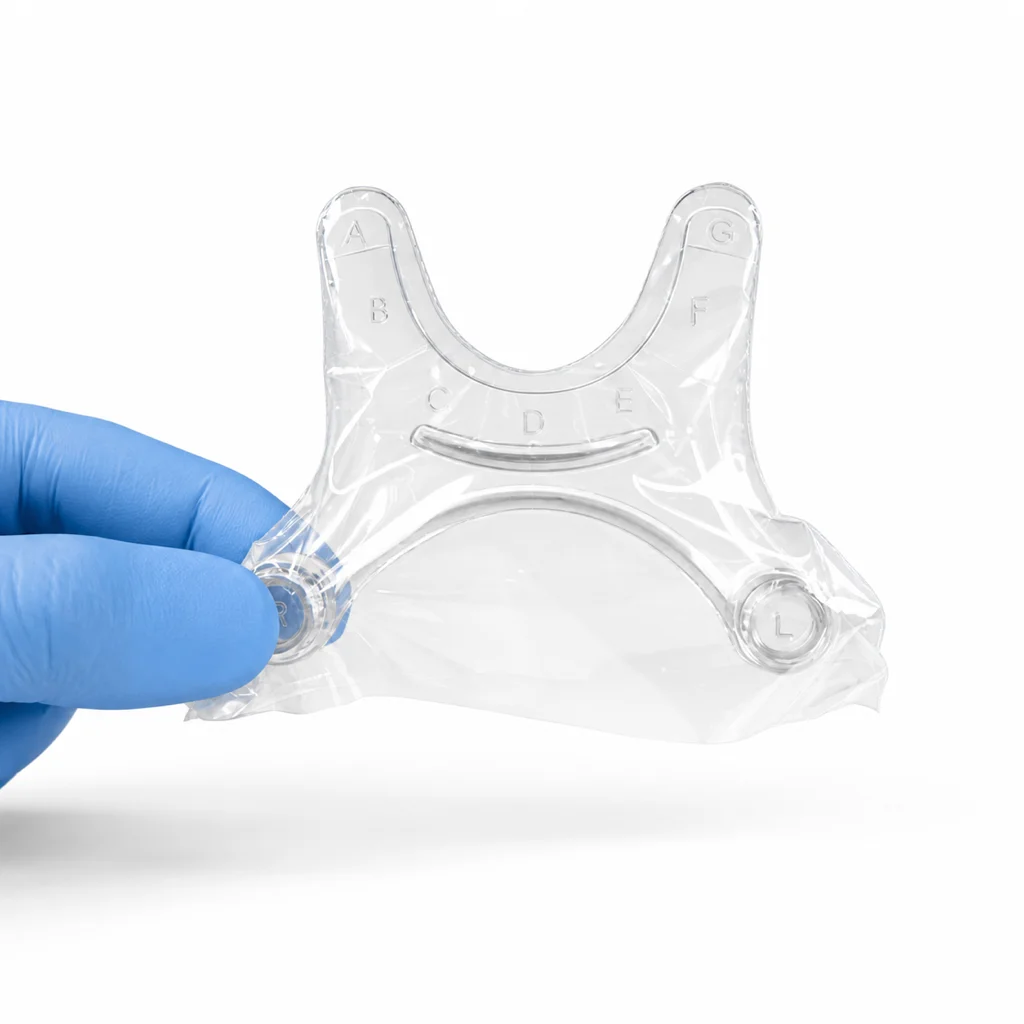
The same question is worth asking about anything else labelled autoclavable rather than single-use: reusable bite block assemblies, impression trays, anything with a lumen. "Autoclavable" describes what a material can withstand, not how long a specific unit is good for. If a supplier can't give you a cycle count or a documented way to check for wear, that's a gap in their instructions for use — not a reason to assume the device is fine indefinitely.
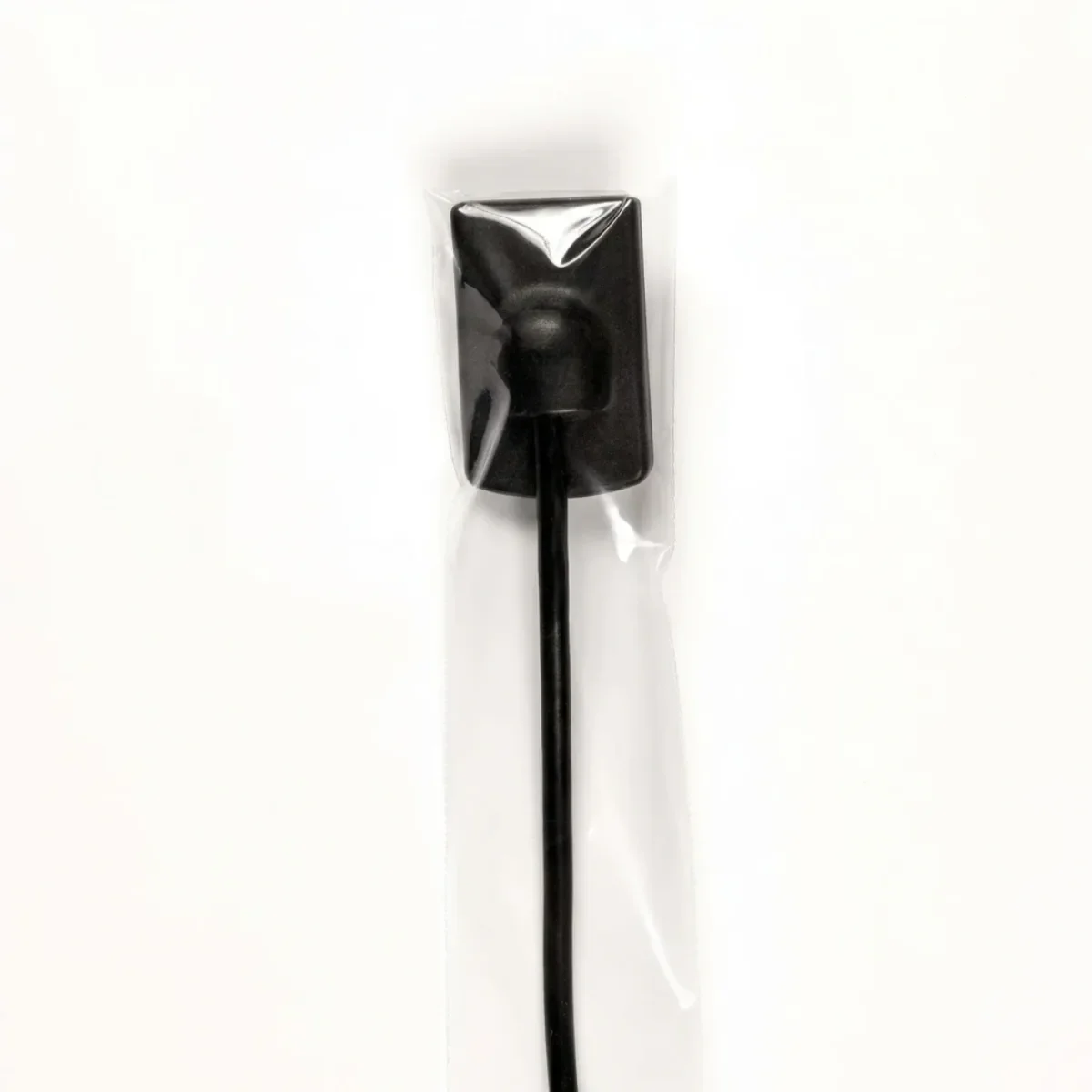
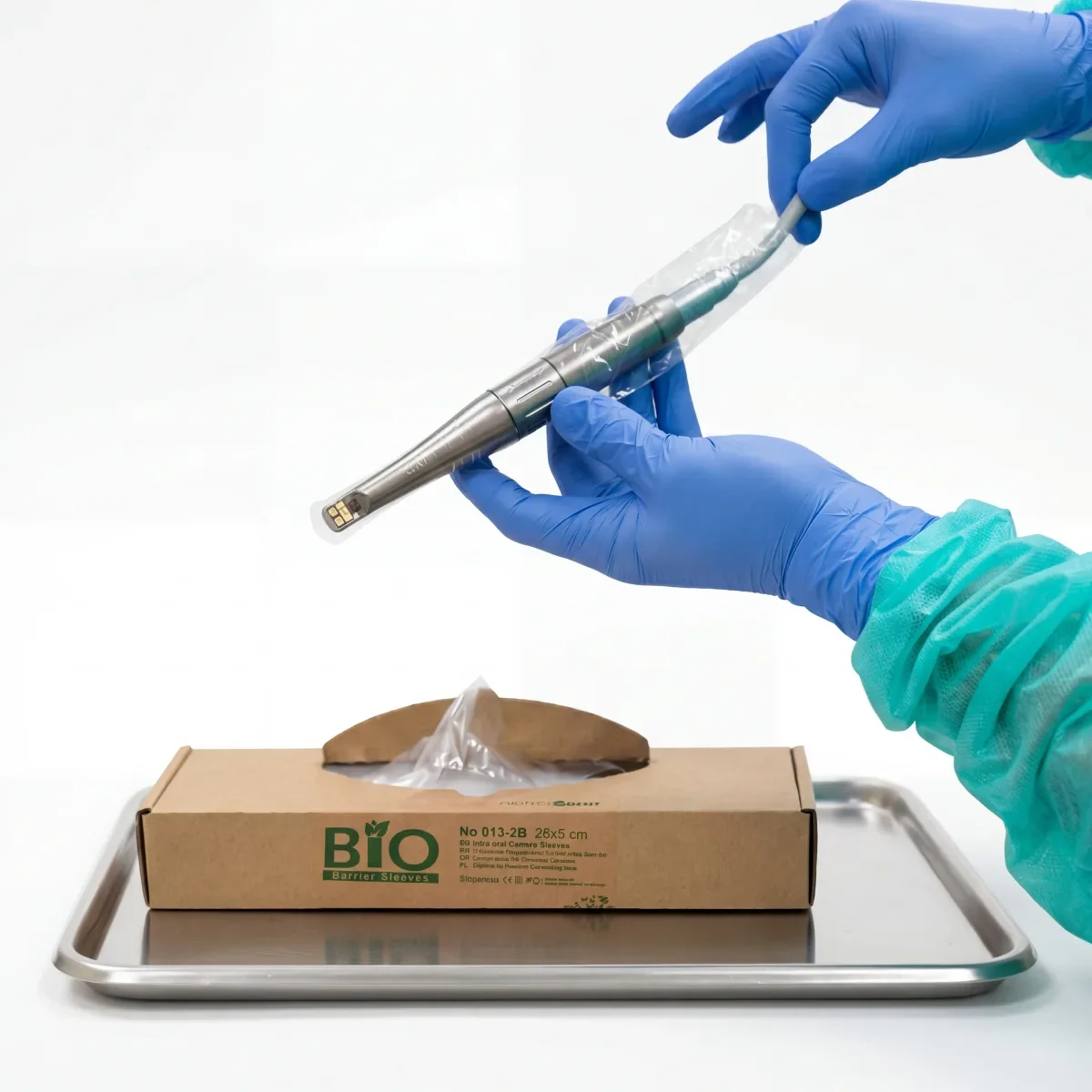
Devices you cover with a single-use barrier instead don't raise this question. A sleeve discarded after one patient has no cycle count to track, because it never goes through a second cycle.
What to check
- Does the instructions for use for each reusable intraoral device state a maximum reprocessing cycle count or a documented wear-check method?
- If a count is given, does it match the sterilizer cycle you actually run — temperature and time — not just a cycle name?
- Is there an agreed way to log cycles per individual tip or instrument, not just per device model?
- For anything your supplier can't answer clearly, would a disposable barrier remove the question instead?
Frequently asked questions
Does the DEXIS Imprevo's new slim tip have a published number of autoclave cycles?
Not on DEXIS's current product page. The standard tip does — up to 160 cycles in the hygiene cycle or 100 in the extra-hygiene cycle — but the slim tip's own figure isn't listed there; ask your supplier before you put it into rotation.
Does FDA require a device to state how many times it can be reused?
FDA's 2015 reprocessing guidance says labeling should either give a tested reuse count with a tracking method, or a documented way to check whether the device has exceeded its use life — it doesn't set one fixed number for any device category.
Why does sterilizer cycle type matter for a reuse-life number?
DEXIS's own figures show it: up to 160 cycles at 134°C for 4 minutes, but only up to 100 cycles at 134°C for 18 minutes, on the same tip.
Do single-use barrier sleeves need this kind of cycle tracking?
No — since they're discarded after one use, there's no cycle count to track or ceiling to reach.
Sources
- DEXIS IMPREVO — product specifications — DEXIS, 2026-10-19
- DEXIS Imprevo Recognized by IDD as 2025's Most Improved Intraoral Scanner — DEXIS, 2026-10-19
- DEXIS scanner recognized by IDD — DrBicuspid, 2026-10-19
- Reprocessing Medical Devices in Health Care Settings: Validation Methods and Labeling — U.S. Food and Drug Administration, 2026-10-19