Bundling Barrier Products Into Your Own Kit? Check MDR Article 22 First
Why this matters now
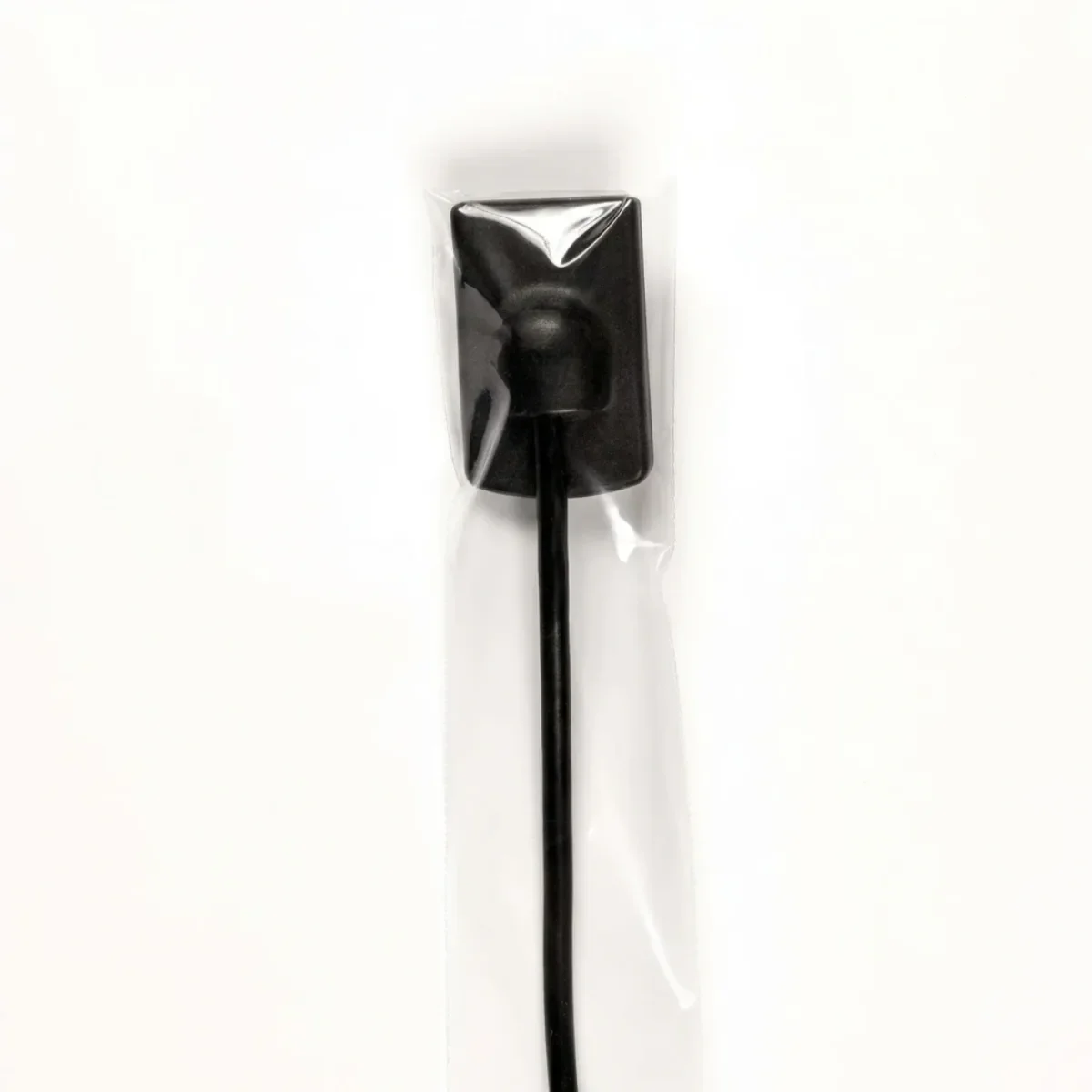
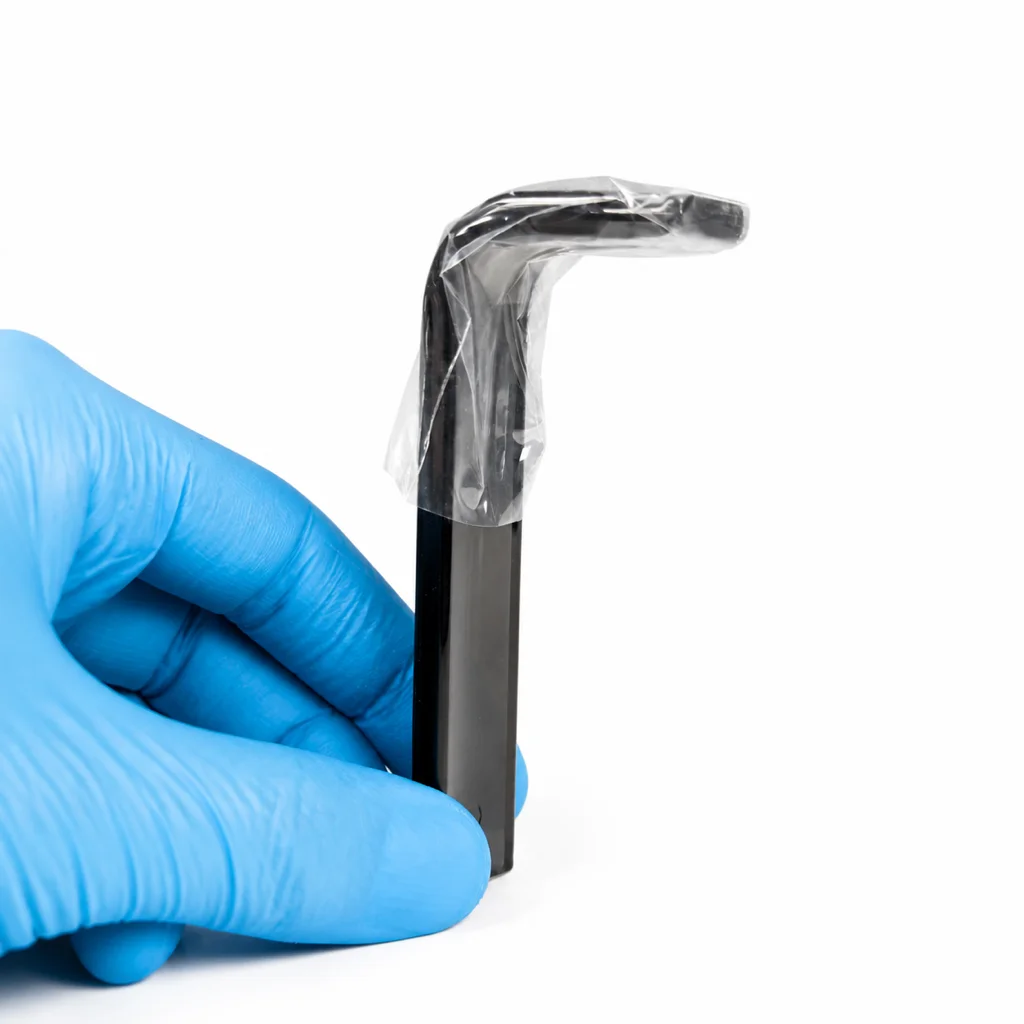
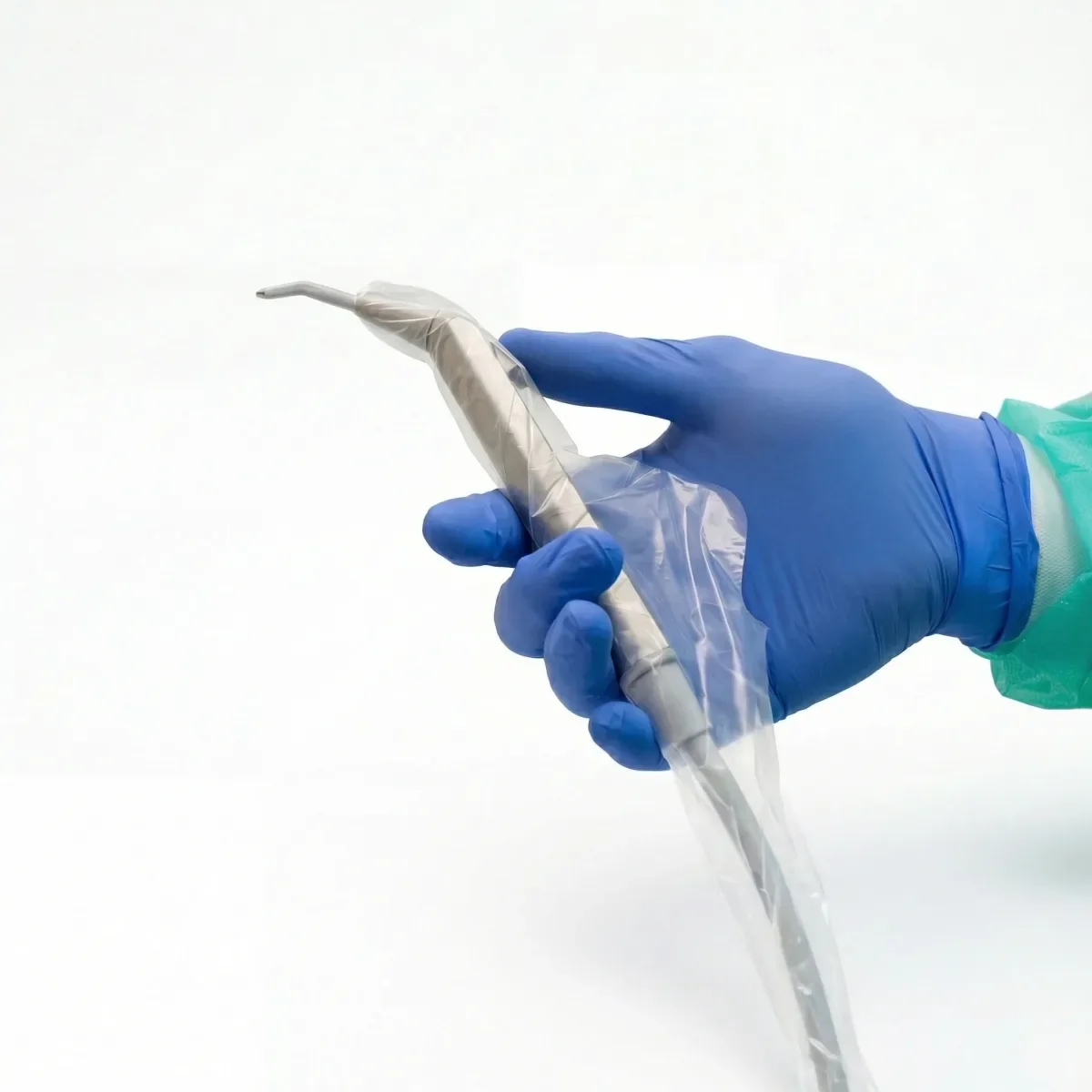
Many practices and small dental groups put together their own standard "trays" — a sensor sleeve, a bite block sleeve and a syringe sleeve packed as one set and sent out under the practice's own name to every chair or every branch. That is no longer just repackaging. Under EU MDR Article 22, combining individually CE-marked devices into a branded set for a specific purpose can make you a "system or procedure pack producer" in the eyes of the regulation, with obligations that have nothing to do with the barrier products themselves.
This is not a new law — Article 22 has applied since the MDR came into force. What is useful is how concretely the Medical Device Coordination Group's own guidance, and a 2024 synthesis from France's medtech industry body SNITEM, spell out where the line sits. Dental is named directly in the guidance, so this is not a stretch.
What actually changed
Nothing in the regulation's text changed this year. What is worth reading now is MDCG 2018-3, the guidance on UDI for systems and procedure packs, because it draws the line between a distributor and a producer more plainly than the regulation itself does.
- A procedure pack is "a combination of products packaged together and placed on the market with the purpose of being used for a specific medical purpose." The guidance lists first aid kits, skin traction kits — and orthodontic procedure packs — as its examples.
- A system is a combination of products, packaged together or not, meant to be connected or combined for a specific medical purpose. The guidance's example is an X-ray system.
- If you simply fulfil a one-off request — a distributor ships sterile tweezers, a sterile needle and surgical gloves together because a client asked for those three items in one box — you stay a distributor. The guidance gives almost exactly this example. You only become a "system or procedure pack producer" when you package and market the combination, under your own name, as a set intended for that specific purpose.
Norway's medicines agency gives the same reading and uses an "orthodontic procedure kit" as one of its own worked examples, alongside first aid kits and X-ray systems — so this is not a hypothetical corner of the rule for dentistry.
What this means in the operatory
If your practice, dental group or distributor assembles a standard set — say a sensor sleeve, a bite block sleeve and an air/water syringe sleeve — and ships identical sets to multiple chairs or sites under your own branding, you may already be acting as a procedure pack producer rather than a distributor. SNITEM's 2024 synthesis of Article 22 lays out exactly what that status requires before the pack goes anywhere:
- Check compatibility. Verify that the combined products are mutually compatible, following each manufacturer's own instructions for use.
- Package and inform. Package the set and pass on the relevant information to the end user, including the instructions supplied by each component's own manufacturer.
- Monitor the process. Apply internal monitoring, verification and validation to the combining activity itself — not just to the individual products.
- Write a statement. Draw up a written statement confirming the above, and keep it on file for the competent authorities for 10 years after the last pack is placed on the market — 15 years if any component is an implantable device.
- Register. Apply for a Single Registration Number, assign a Basic UDI-DI to the pack, and register it in EUDAMED.
None of this adds a second CE mark to the pack. Article 22(5) is explicit: systems and procedure packs do not bear an additional CE marking of their own. Each barrier product keeps the CE marking it already has. What goes on the pack instead is your own name, registered trade name or trademark, and your contact address.
There is a harder line, too. If any component in the pack does not carry a valid CE marking, if the combination does not match the components' original intended purpose, or if you sterilise the pack other than as its manufacturers instructed, the pack stops being treated as a combination of separate devices. It becomes a device in its own right, and you take on full manufacturer obligations — including a notified body conformity assessment under Article 52. That is a materially different, and much heavier, position than the one most practices assume they are in.
What to check
- Are you packaging individually CE-marked barrier products together and marketing the combination under your own name, rather than just shipping separate items a client asked for in one box?
- Does every component in the set still carry a valid CE marking, and has anything expired or been withdrawn since you last checked?
- Do you have a written statement on file covering compatibility checks, packaging and user information, and internal monitoring of the combining activity?
- Have you registered for a Single Registration Number and assigned a UDI-DI to the pack in EUDAMED?
- If you sterilise any part of the set yourselves, does that sterilisation follow the original manufacturer's instructions exactly, with your own statement to that effect?
None of this changes what any individual barrier product is rated to do. It changes who is legally responsible for the set you built out of them.
Frequently asked questions
Does bundling a sensor sleeve with a syringe sleeve in one shipment make us a device producer?
Not on its own. MDCG 2018-3 gives almost this exact example: a distributor shipping separate CE-marked items together at a client's one-off request stays a distributor. You cross into producer territory when you package and market that combination under your own name as a set for a specific purpose.
Does our barrier kit need its own CE mark?
No. Article 22(5) states that systems and procedure packs do not bear an additional CE marking. Each component keeps the CE mark it already has; the pack instead carries the producer's name, trade name or trademark and contact address.
How long do we need to keep the compliance statement for a procedure pack?
Ten years after the last pack is placed on the market, or fifteen years if any component in it is an implantable device.
What happens if one of the bundled products isn't CE-marked, or we sterilise it differently from the manufacturer's instructions?
The pack is then treated as a device in its own right, not a combination of separate CE-marked devices, and whoever assembled it takes on full manufacturer obligations, including a notified body conformity assessment.
Sources
- MDCG 2018-3: Guidance on UDI for Systems and Procedure Packs — Medical Device Coordination Group (MDCG), 2026-10-20
- Systems and procedure packs of medical devices — Norwegian Medicines Agency (DMP), 2026-10-20
- The Person Referred to in Article 22 of the MDR — Synthesis — SNITEM (French National Union of Medical Technology Industries), 2026-10-20