The EU Is Reviewing the Rulebook Behind Every Disinfectant You Buy

Why this matters now
The European Commission has opened a formal review of the regulation that authorises every surface and hand disinfectant sold in the EU — the Biocidal Products Regulation (BPR). This isn't a new product ban or a labelling change you need to act on this week. But a 2021 Commission implementation report, cited in the Commission's own evaluation documents, already found "continuous substantial delays" in approving and renewing the active substances and products this regulation covers. The review that follows from that finding runs through 2027, and it's worth tracking now rather than when your usual disinfectant supplier tells you a product is temporarily unavailable.
What actually changed
The Commission published a Call for Evidence and public consultation on the BPR in the fourth quarter of 2025, with submissions closing on 27 February 2026. The evaluation is being scored against five standard criteria — effectiveness, efficiency, relevance, coherence, and EU added value — and the Commission's own page for the review states the full evaluation is targeted for completion around mid-2027, with any decision on revising the regulation to follow after that.
Industry weighed in directly. Detergents Europe, the trade association for the manufacturers who formulate these products (under its A.I.S.E. banner), submitted a position paper responding to the call for evidence in March 2026. It described the existing framework in blunt terms: "challenges linked to complexity, lengthy procedures and inconsistent implementation across EU Member States," and it named product availability — disinfectants being available where and when they're needed — as one of its central concerns, precisely because these products are relied on in healthcare settings.
None of this is dramatic on its own. What it confirms is that the system authorising your disinfectant supply was already under strain before this review started, and the review exists to work out what to do about that.
What this means in the operatory
The most useful thing to take from this isn't a countdown to a deadline — it's a distinction. Your barrier sleeves, sensor covers and similar single-use products are certified under the Medical Device Regulation. Your surface spray and your hand disinfectant are authorised under the Biocidal Products Regulation. These are two separate legal frameworks with separate approval processes, separate national bodies, and separate paperwork. A CE mark on a device tells you nothing about whether the disinfectant sitting next to it has current biocidal authorisation, and a disinfectant's authorisation tells you nothing about your barrier stock.
That distinction matters here because the strain identified in the Commission's own report sits specifically on the disinfectant side. If a product your sterilisation routine depends on is caught in one of those approval or renewal delays, it isn't something your barrier supplier can tell you about — it's a question only your disinfectant manufacturer or distributor can answer.
Some member states add a further layer worth knowing about. In Germany, for example, the Verbund für Angewandte Hygiene (VAH) maintains its own list of certified disinfection procedures and has published guidance addressing how that list relates to BPR authorisation — the two aren't interchangeable, and a product can appear on one without automatically satisfying the other.
What to check
- Ask your disinfectant supplier directly whether the product's biocidal authorisation is current, and when it's next due for renewal — don't assume a long-standing product is exempt from the delays the Commission itself has flagged.
- Keep your BPR and MDR paperwork separate in your own records. A device's CE certificate is not evidence of your disinfectant's authorisation status, and auditors will ask for both separately.
- If you're in a country with a national certified-disinfectant list — Germany's VAH list is one example — check your product against that list as well as its EU-level authorisation, not instead of it.
- Watch for updates from the Commission and from Detergents Europe through 2026 and 2027, rather than waiting to find out about a supply gap when you reorder.
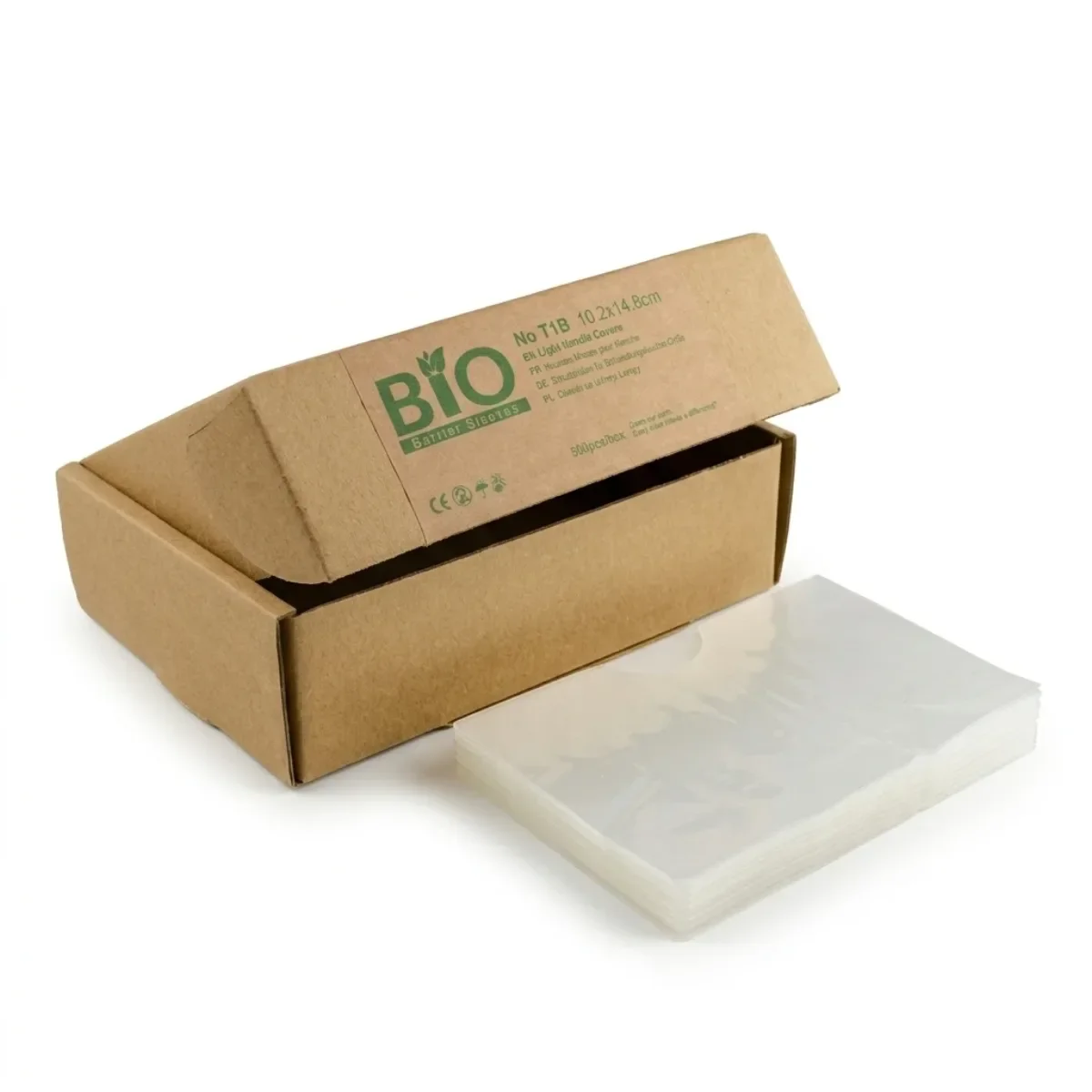
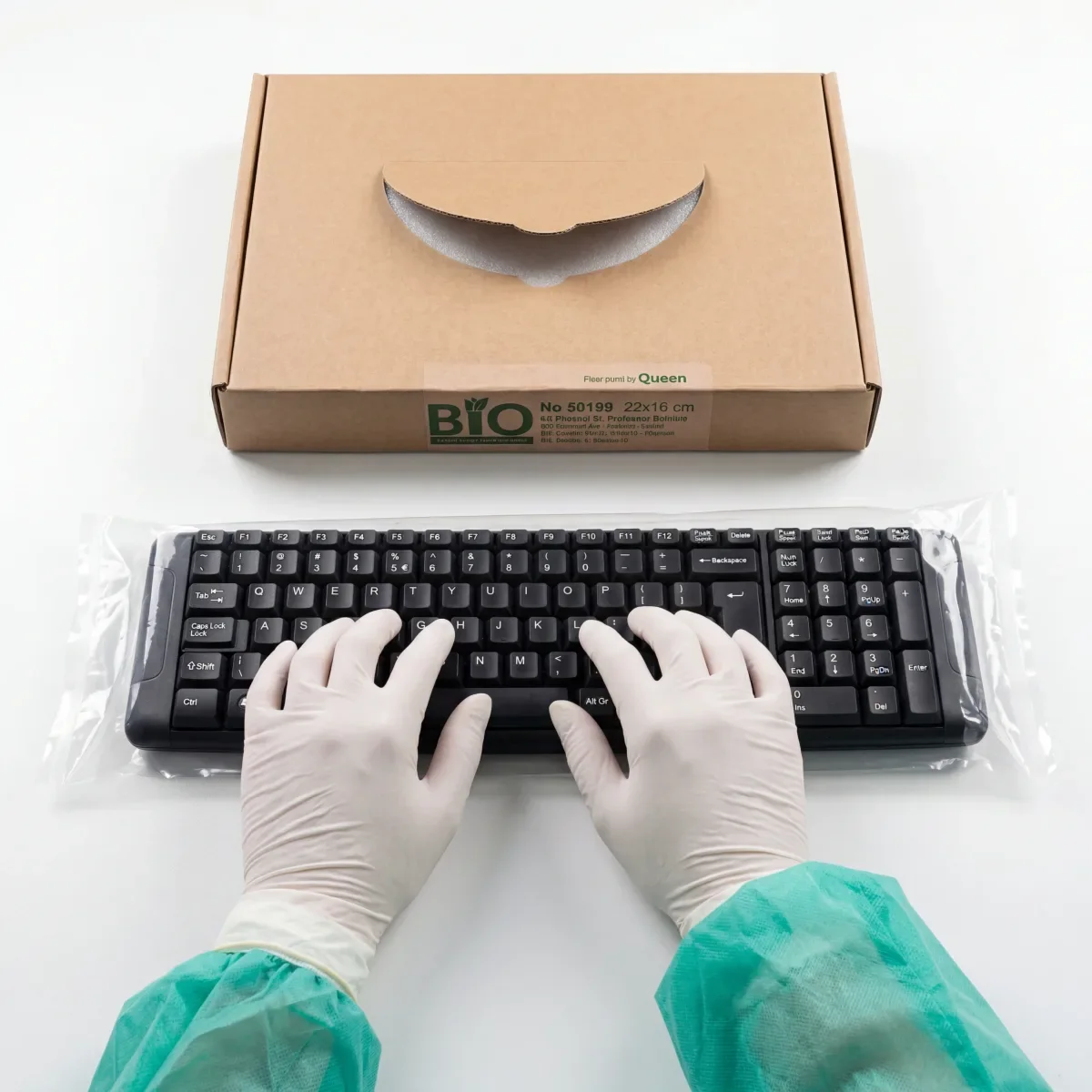
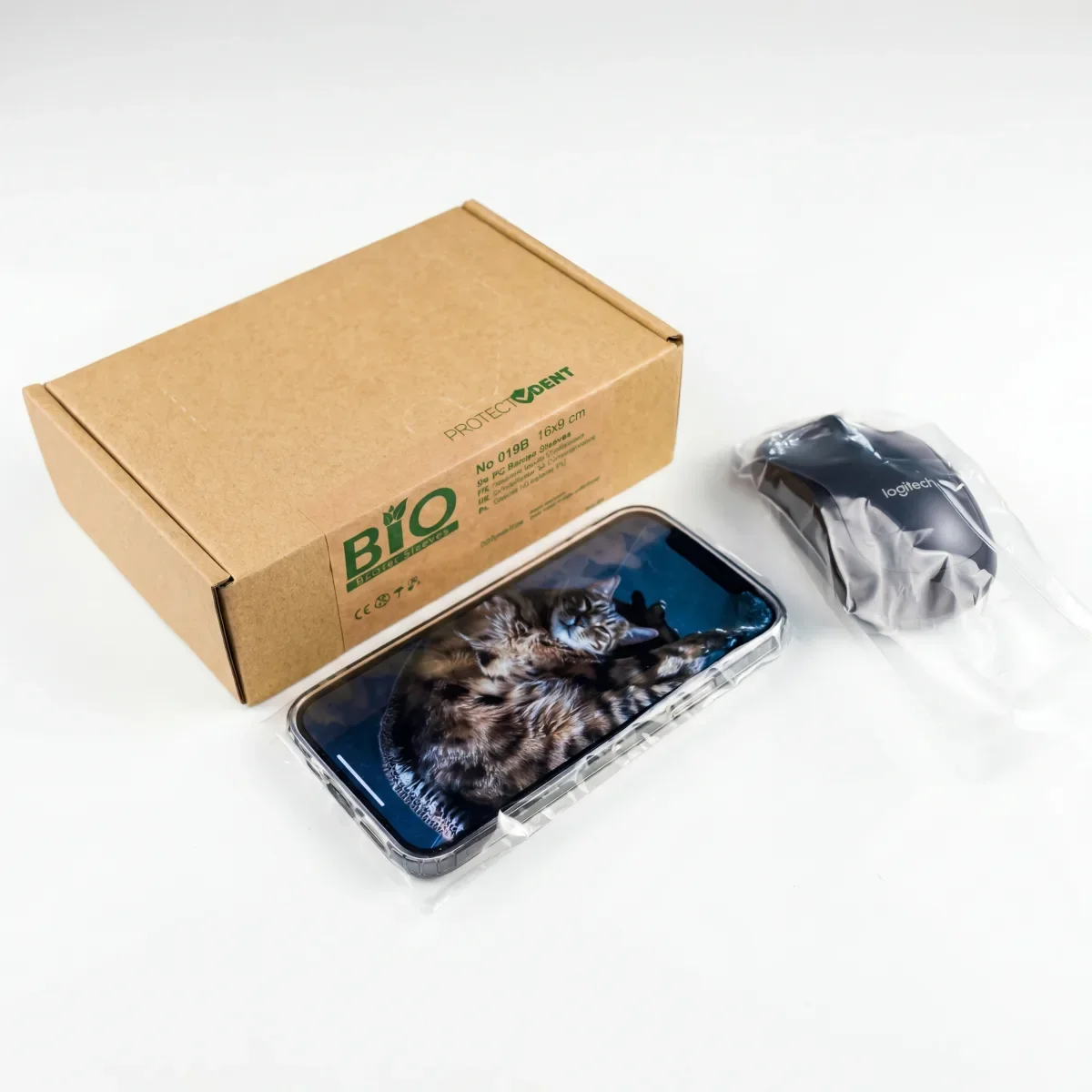
- Where a surface is touched between every patient regardless of what's in your spray bottle — light handles, keyboards, mice — a single-use barrier removes that surface from the disinfectant conversation entirely, one less thing to track while this review plays out.
Frequently asked questions
What is the EU Biocidal Products Regulation, and does it affect my dental practice?
It's the EU law (Regulation 528/2012) that authorises the surface and hand disinfectants used in your operatory. The European Commission is currently reviewing how well the system is working — it is not proposing to withdraw specific products.
Will my current disinfectant be pulled from the market because of this review?
Not because of the review itself — it's an evaluation, not a ban. But a 2021 Commission report already found approval and renewal delays in the system, so it's worth checking your supplier's authorisation status independently of the review.
Does this review affect my barrier sleeves or other protective products?
No. Barrier sleeves and similar single-use products are certified under the Medical Device Regulation, a separate legal framework from the Biocidal Products Regulation that covers disinfectants.
Where can I check whether a disinfectant is properly authorised?
Ask your supplier for the product's BPR authorisation status. In some countries, such as Germany, you can also check a national list — the VAH list — which the Verbund für Angewandte Hygiene maintains alongside BPR authorisation.
When will the Commission's review be finished?
The evaluation is targeted for completion around mid-2027. The Commission would only propose legislative changes after that point.
Sources
- Evaluation of the Biocidal Products Regulation — European Commission, DG SANTE, 2026-09-14
- Biocidal Products Regulation (BPR) evaluation — Detergents Europe (A.I.S.E.), 2026-09-14
- VAH-Mitteilungen — Verbund für Angewandte Hygiene e.V. (VAH), 2026-09-14