Travel and Procurement, Not Packaging, Drive a Dental Practice's Carbon Footprint
Why this matters now
Two independently published studies have quantified where a dental practice's carbon footprint actually comes from, and both point the same way: it is not the barrier sleeve in the bin. Clinical guidelines for environmental sustainability in dentistry, published jointly by Trinity College Dublin, NHS England's Office of the Chief Dental Officer and the Royal College of Surgeons of England's Faculty of Dental Surgery, found that staff and patient travel together account for roughly two-thirds of the footprint of English NHS dental services, with waste at 0.2%. A separate 2025 study of private clinics in Egypt, published in BMC Oral Health, found a different mix but the same ranking: travel first, energy and procurement well ahead of waste.
If a practice's sustainability effort begins and ends with checking whether a box of sleeves says "recyclable," it is spending attention on the smallest line item in both data sets.
What the numbers show
The UK guidelines reproduce a 2013–2014 analysis of English NHS dental services; the Egypt figures come from private clinics averaging 3,322 patient visits a year. Different settings, same order of priority:
- Travel (staff + patient): 64.5% UK, 65.2% Egypt
- Procurement: 19.0% UK, 12.4% Egypt
- Energy: 15.3% UK, 18% Egypt
- Waste: 0.2% UK, 4.2% Egypt
- Water: 0.1% UK, 0.3% Egypt
The UK figures also separate out nitrous oxide release, at 0.9%. In both data sets, waste — the category most sustainability claims on barrier packaging address — comes near the bottom, while procurement sits second or third.
What this means in the operatory
This does not make packaging claims meaningless; it means they are not where the leverage is. Three things the data put ahead of packaging:
Appointment scheduling. Since travel dominates both breakdowns, a practice does not reduce its largest category by changing what it reorders — it reduces it by cutting the number of trips patients and staff make, through combining procedures where clinically appropriate and cutting down on rebooking.
Energy. Both studies put energy consumption ahead of procurement, or close to it. The UK guidelines list retrofitting existing practices — heating, cooling, lighting — as its own domain, separate from waste management.
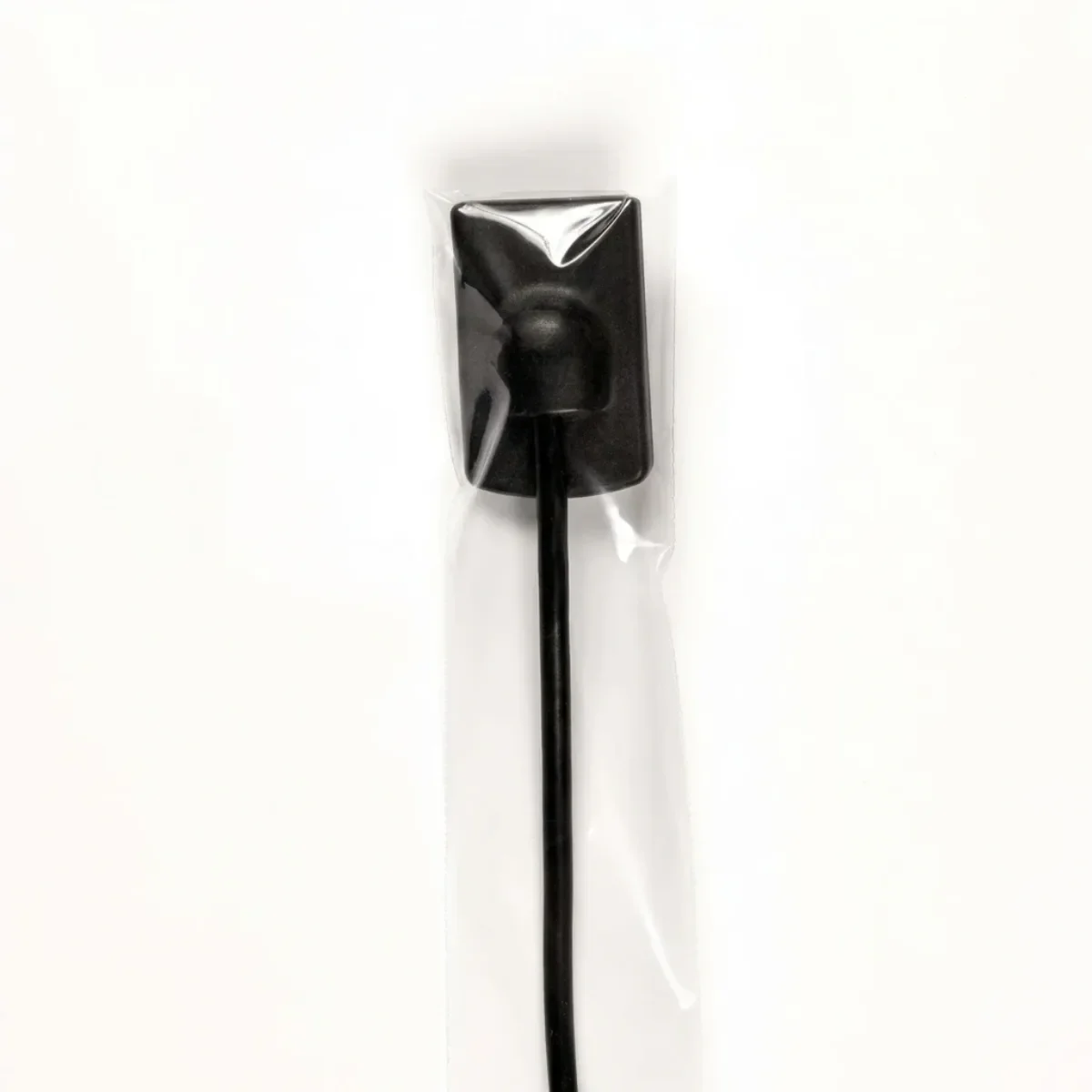
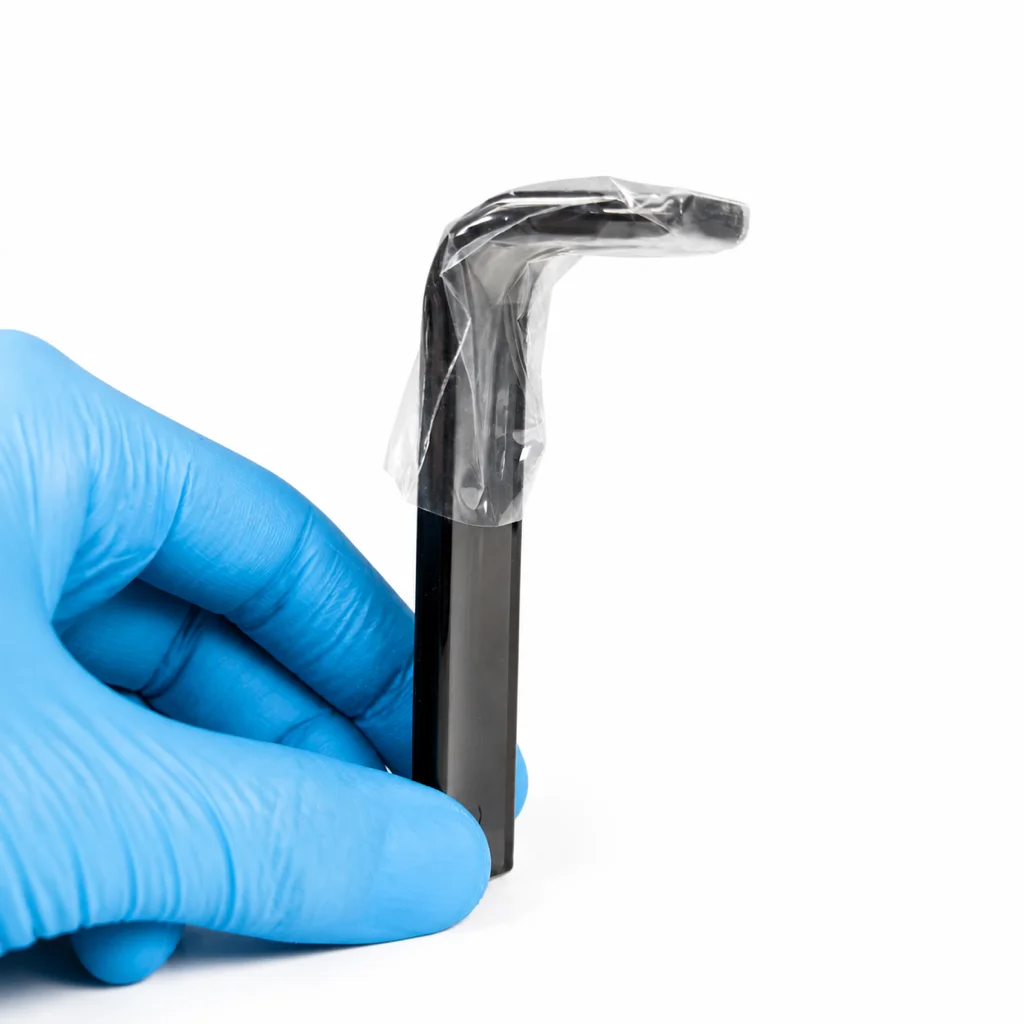
Procurement, broadly defined. FDI World Dental Federation's Sustainability in Dentistry initiative is built around a Code of Good Practice for sustainable procurement and supply, not a recycling pledge. Procurement in these studies covers everything a practice buys, not just what the packaging is made of. One lever within it is order consolidation: fewer, larger shipments of items a practice reorders routinely — sensor sleeves, bite block sleeves, keyboard covers — generate fewer transport trips than frequent small top-up orders, and transport sits inside the procurement figure.
What to check
- Ask suppliers whether they publish a sustainability statement, as both FDI's guidance and the UK clinical guidelines recommend doing before placing recurring orders.
- Look at order frequency, not just order content — consolidating routine reorders into fewer shipments addresses the procurement share directly.
- If an energy retrofit (lighting, heating, cooling) is already due, it outranks packaging choices in both data sets.
- Keep waste segregation and recycling in place — both sources still list it as good practice — just don't expect it to move the total by much.
Frequently asked questions
Does this mean barrier sleeve packaging doesn't matter for sustainability?
It matters, but the data show it's a small slice of the footprint — well under 5% in both studies. Procurement choices and appointment scheduling carry more weight.
What counts as "procurement" in these carbon-footprint studies?
Everything a practice buys — consumables, equipment, supplies — including how it's manufactured, packaged and shipped, not just the packaging itself.
Why is travel such a large share of a dental practice's footprint?
Both studies found staff commuting and patient travel to and from appointments make up the largest single share, because they involve the most vehicle trips.
Should we stop tracking packaging and waste then?
No — waste segregation and recycling are still part of good-practice guidance (the UK clinical guidelines list it as its own domain), just not the highest-impact one.
Sources
- Carbon footprint of private dental clinics in Egypt: a cross-sectional study — BMC Oral Health, 2026-10-05
- Clinical guidelines for environmental sustainability in dentistry — Royal College of Surgeons of England (Faculty of Dental Surgery), with NHS England and Trinity College Dublin, 2026-10-05
- FDI World Dental Federation Sustainability in Dentistry initiative — FDI World Dental Federation, 2026-10-05
- The Path to Sustainable Oral Healthcare to Foster Sustainability in Dentistry — European Journal of Dentistry, 2026-10-05