Germany's Updated Hygiene Guide Confirms What a Barrier Sleeve Does and Doesn't Change
Why this matters now
The Deutscher Arbeitskreis für Hygiene in der Zahnmedizin (DAHZ) — Germany's working group for hygiene in dentistry — published the 17th edition of its Hygieneleitfaden on 31 March 2026, produced together with the dental working group of the German Society for Hospital Hygiene (DGKH) and hosted alongside the German Dental Association (BZÄK). This document is the template most German practices adapt into their own written hygiene plan, and practice inspectors treat it as the current state of the art. The revised Chapter 7, on reprocessing medical devices, adds a passage that names barrier sleeves directly and ties their use to a specific risk classification and a specific reprocessing rule. If your practice is in Germany, or you supply one, this is worth reading before your next hygiene-plan review rather than during an inspection.
What actually changed
The guide keeps its existing device classification: unkritisch (no mucosal contact), semikritisch A and B (mucosal contact, split by how demanding the reprocessing is), and kritisch A and B (penetrates skin or mucosa, contacts blood or wounds). What's new is how it treats devices that touch the mucosa in normal use but where a manufacturer-recommended, single-use sleeve prevents that contact.
- Two ways a device can avoid mucosal contact are now distinguished. One is genuinely contactless use — the guide's example is a curing light, intraoral camera or intraoral scanner operated without touching tissue, using retraction technique or a rubber dam. Used that way, it counts as unkritisch. The other is contact prevented by a barrier sleeve, which the guide places in a separate category.
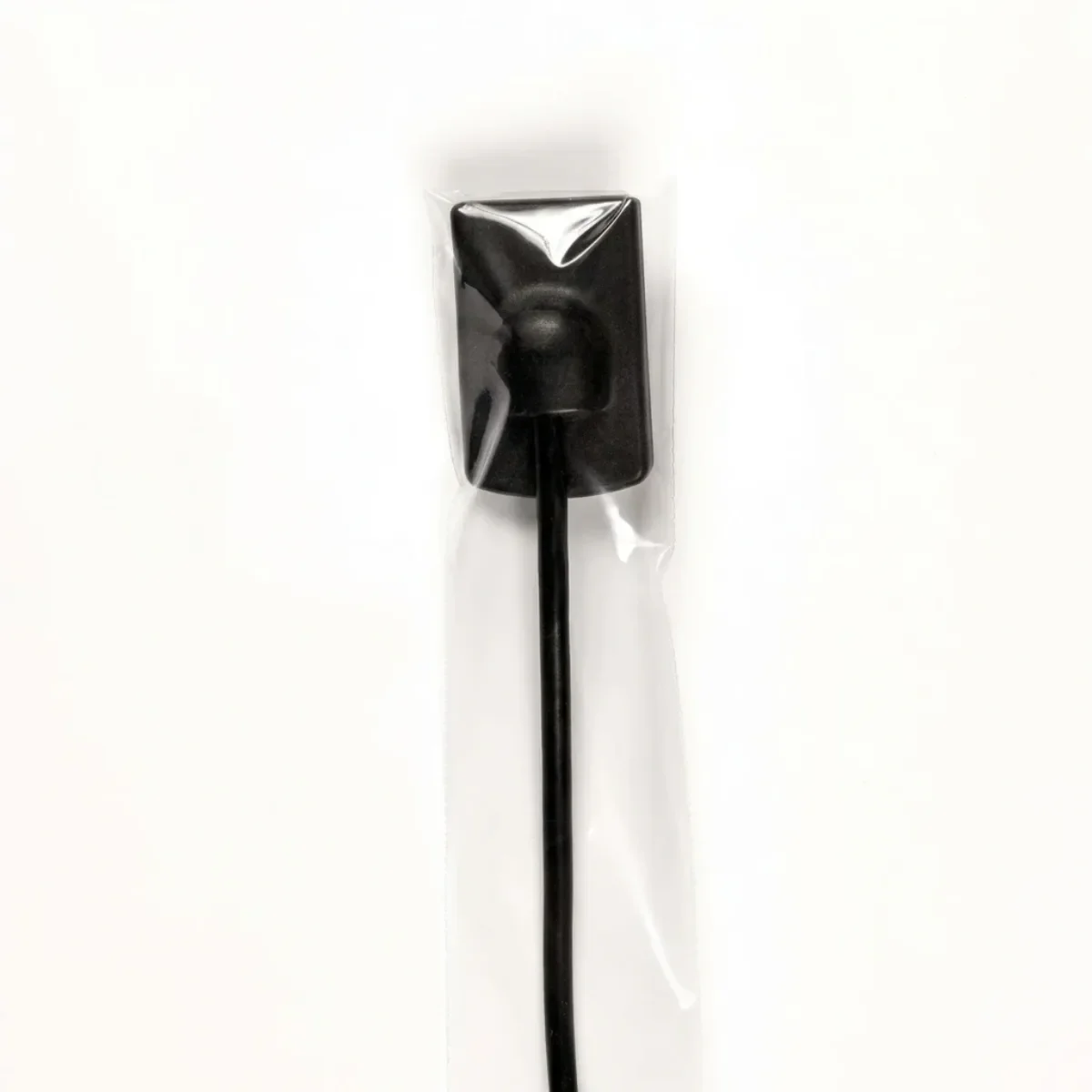
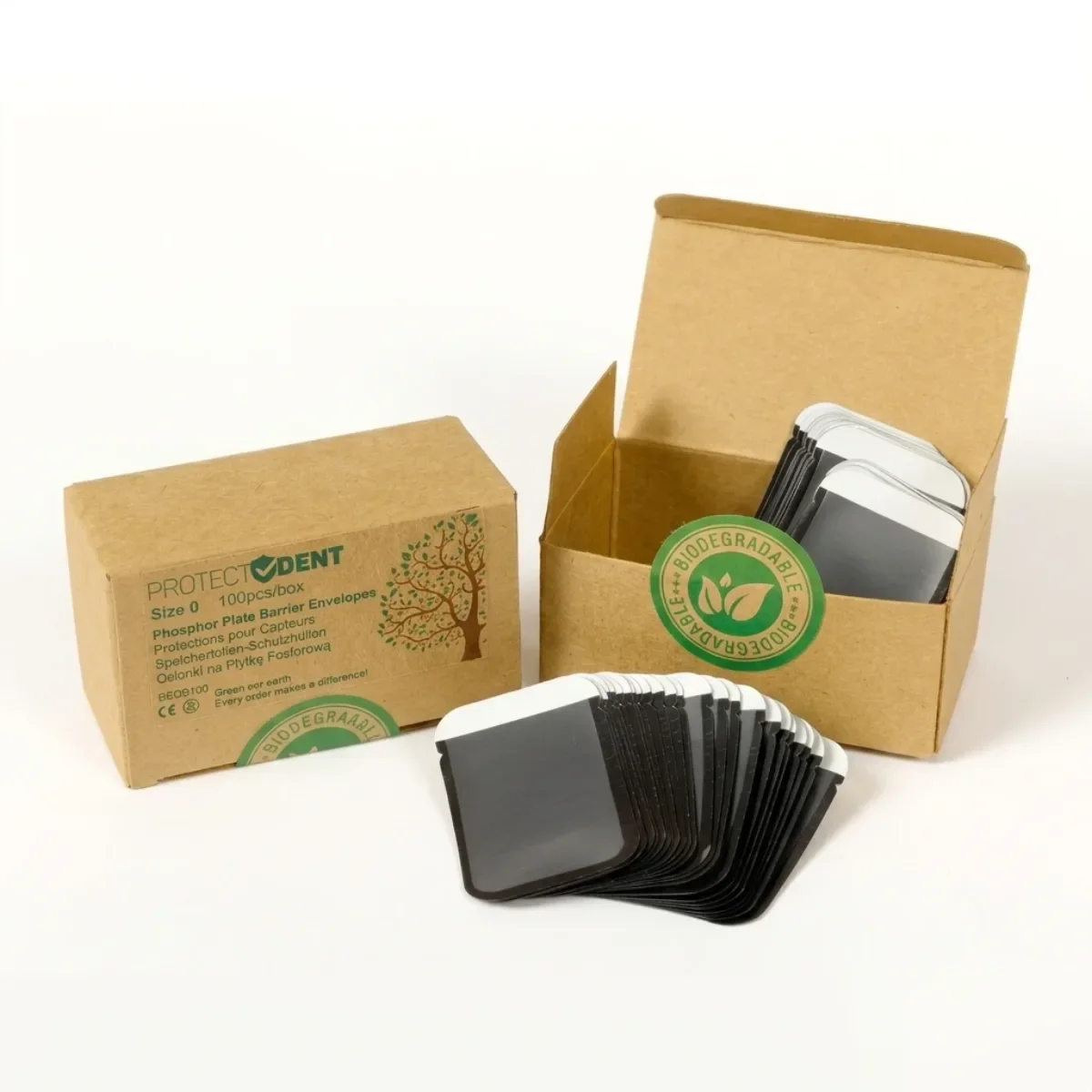
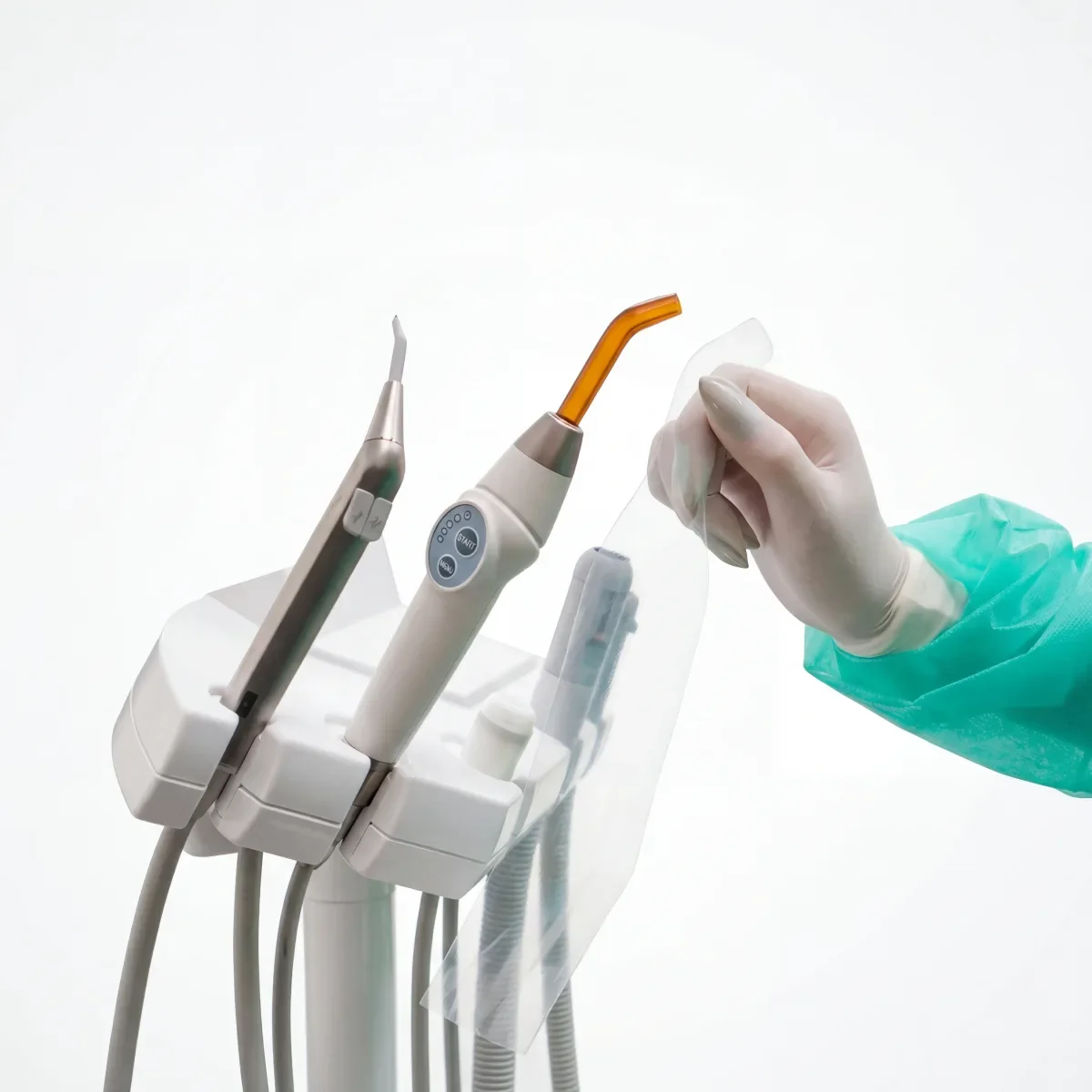
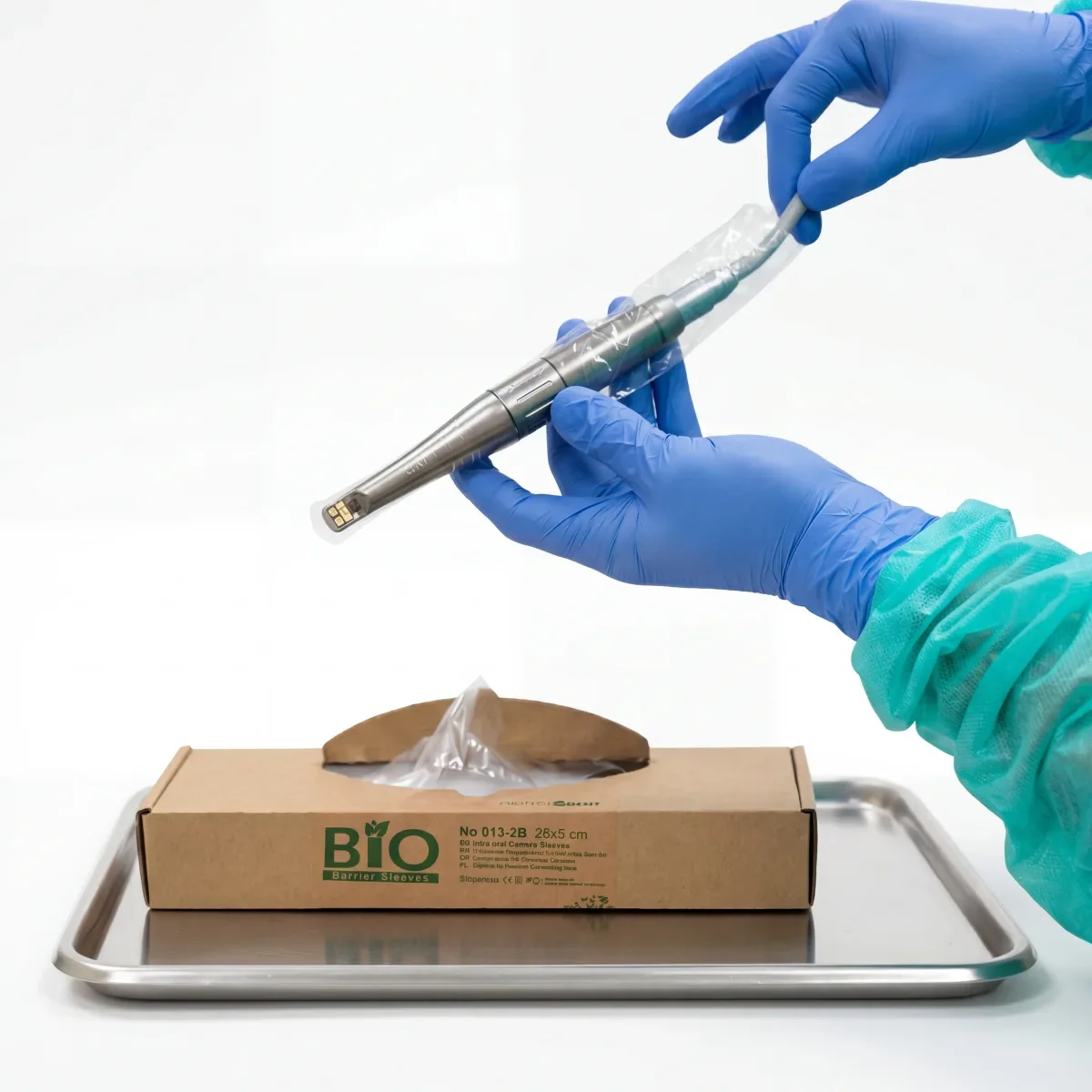
- Devices named explicitly in the sleeve passage: x-ray sensors, phosphor plates, curing lights, and intraoral cameras. Used with the sleeve recommended in the manufacturer's instructions, these are classified semikritisch A.
- New and concrete: when a semikritisch-A device is used with its recommended sleeve, reprocessing does not have to take place in a separate decontamination room.
- The guide is explicit that a sleeve does not, on its own, lower a device's classification — its stated example is that a device classified semikritisch B stays semikritisch B whether or not a sleeve is used.
- It also flags a validation limit: because sensors and cameras cannot go through a washer-disinfector, a practice reprocessing them manually cannot rely on an "equivalent to the machine process" argument — that equivalence proof only applies to devices that could be run either way. Manual reprocessing of these devices has to be validated on its own terms, with its own documented procedure.
- The guide repeats a caution about the sleeves themselves: like single-use gloves, they can develop unnoticed micro-tears. What the sleeve buys you is easier reprocessing and less soiling of the device underneath — not an exemption from cleaning and disinfecting the device after the sleeve comes off.
What this means in the operatory
For most practices, none of this changes what happens chairside. A sensor sleeve or camera cover between patients is standard practice already. What changes is the documentation you can point to when a hygiene-plan review or an inspector asks two specific questions.
- Where does reprocessing happen? If your sensor, phosphor plate, curing light or camera gets wiped down at the chairside station rather than in a dedicated room, the semikritisch-A passage is the citation for that layout — on the condition that the manufacturer's recommended sleeve is used every time, not occasionally.
- How is the manual wipe-down validated? If a device has no machine option, its written procedure — product, contact time, technique — needs to stand as its own validated process. A note that it's "equivalent" to a washer-disinfector cycle used elsewhere in the practice does not hold up under this guide, because that equivalence route was never available for a device that never had a machine cycle in the first place.
Neither point is a reason to skip the wipe-down. The sleeve keeps the device itself off the mucosa; it does not replace cleaning and disinfecting the device, because the sleeve can fail without being noticed.
What to check
- Match the sleeve to the manufacturer's instructions for that specific device — sensor, phosphor plate, curing light, or camera — rather than a generic substitute. The guide's simplification on reprocessing location only applies when the recommended sleeve is the one actually in use.
- Update your hygiene plan to state, in writing, that reprocessing for these devices doesn't require a separate room, and that this depends on sleeve use — don't leave that condition implied.
- Review the written procedure for any device you reprocess manually. Make sure it's validated as its own process rather than described as equivalent to a machine cycle.
- If you're citing this guide in a hygiene plan or an audit, cite the edition and date: 17. Ausgabe 2026, Stand 31.03.2026. DAHZ publishes it digitally and updates it as needed, so the edition date matters.
- If your curing light, camera or scanner is genuinely used without any mucosal contact — full retraction, rubber dam — check whether it can be documented as unkritisch instead, which carries lighter reprocessing requirements than semikritisch A.
Sources
- Hygieneleitfaden, 17. Ausgabe 2026 (Stand 31.03.2026) — Deutscher Arbeitskreis für Hygiene in der Zahnmedizin (DAHZ) / Bundeszahnärztekammer (BZÄK), 2026-08-20