Where Does the Plastic Go? What a Dental Waste Study Says About Film
Dental plastic waste is easy to complain about and hard to measure. Three recent documents give you something concrete to work from on Monday morning: a measured waste audit, a practical case study, and a plain guide to recycling codes.
What a waste audit actually found
A cross-sectional study published in the Journal of Oral Science in 2025 collected plastic waste for 19 days at a private university dental centre in Peru. It covered five clinical sections and one radiology section, 40 dental units in total. The authors projected annual plastic waste at 4,254.9 ± 2,498.1 kg. Of that, 22.2 ± 18.5% was dental-unit protective film.
The authors say the waste was mainly personal protective equipment, sterilisation packaging and protective film. The wide error margin matters: the film share varied a lot between sections. This is a university teaching centre in one country, so do not copy the percentage into your own sustainability report. Use it as a reason to run your own count.
What one practice changed
A May 2026 case study prepared for the Australian Dental Association in South Australia describes Rose Park Dental, a practice with 7 chairs that treats between 25 and 80 patients a day. Two of its changes are about plastic:
- Reusable instrument trays. Instead of single-use trays or trays wrapped in plastic film, the practice uses washable colour-coded trays with fitted lids. The case study gives the cost as about $36 per tray (lasting around 8 years) and about $47 per lid (around 6 months), and says the practice avoids producing more than 7,000 single-use trays a year.
- Splitting autoclave pouches. Sterilisation sleeves combine paper and plastic. Staff pull the two sides apart after opening, keep two piles on the counter, and at the end of service the plastic goes to a private soft-plastics service and the paper to the comingled recycling bin.
Note what the case study does not claim. It describes sterilisation pouches and trays, not barrier film that has covered a sensor or handpiece in a patient's mouth.
Recycling codes do not decide for you
The Australian Dental Association's guide makes a point that applies anywhere: a plastic code identifies the type of plastic, not whether it is recyclable. It also says council bins may not process some codes and that your local council's website will tell you what goes in each bin. The guide dates from 2022 and names collection schemes that may have changed since, so treat it as a method, not a directory.
A Monday-morning checklist
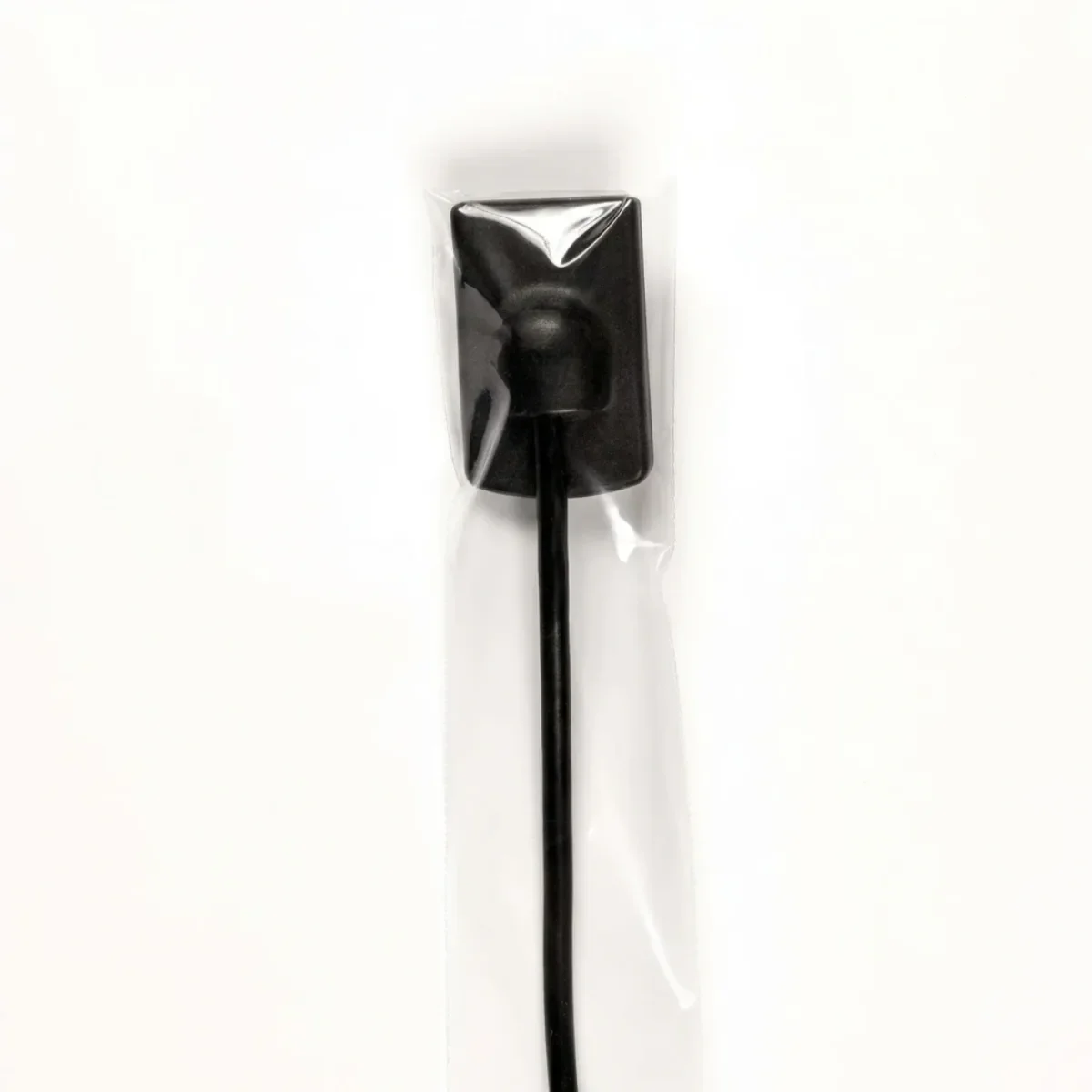
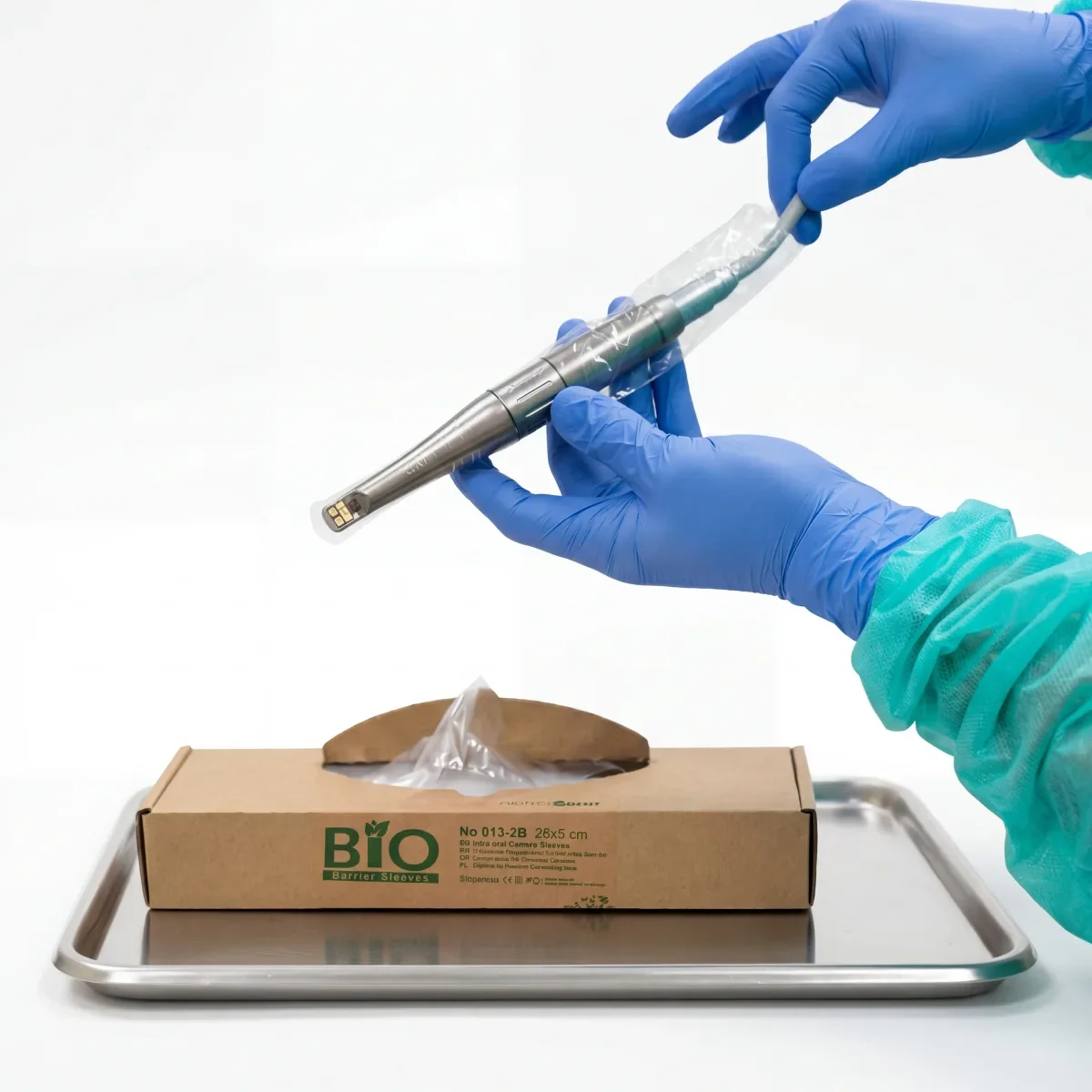
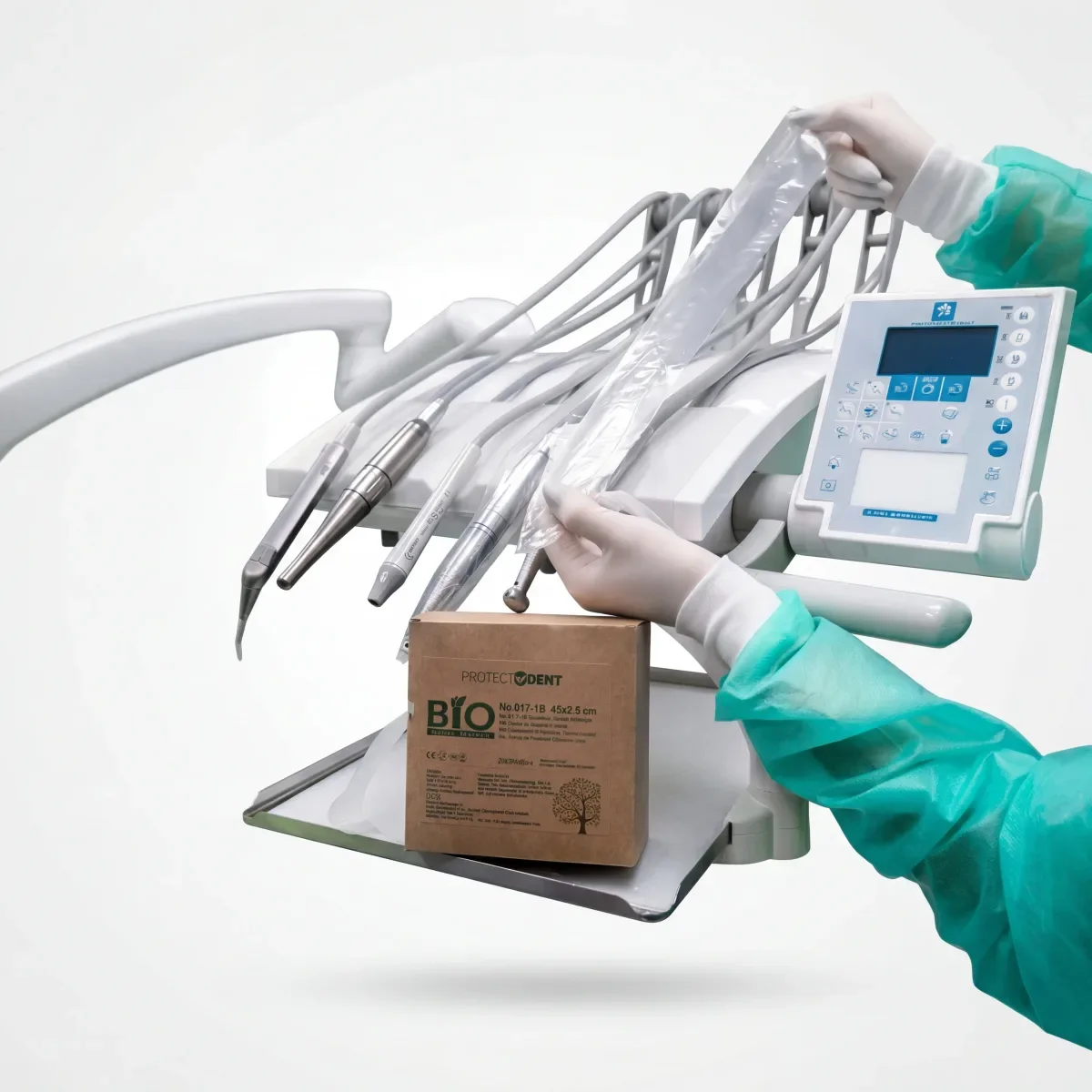
- Count first. For one week, tally the film items per chair: sensor sleeves, camera sleeves, handpiece sleeves, light-handle covers, keyboard covers.
- Separate by origin. Packaging that never touched a patient (outer boxes, roll cores, unused liners) is a different waste stream from used barrier film.
- Ask your waste contractor in writing how used barrier film from clinical areas must be classed in your region. None of the three sources answers this for barriers, so do not assume it is recyclable.
- Fix the pouches. Splitting paper from plastic needs no purchase, only a habit and two piles.
- Do not remove a barrier to save plastic. Dropping a barrier changes your infection-control protocol, and that decision belongs to your protocol, not your waste report.
Where barrier choices fit
The practical lever is not fewer barriers but knowing your numbers: which items you use per chair per day, in which format, and what each ends up costing in waste handling. When you review suppliers, ask for pack sizes and material information so that your waste classification rests on documents rather than guesses.
Frequently asked questions
Does the Peruvian study apply to my practice?
Not directly. It measured one university dental centre over 19 days. Use it as a prompt to count your own plastic, not as a benchmark.
Can I recycle used sensor or handpiece sleeves?
None of the sources reviewed say so. Ask your waste contractor how used barrier film from clinical areas is classed in your region.
What is the easiest first step?
Separating the paper and plastic sides of sterilisation pouches, as Rose Park Dental does, requires no purchase.
Sources
- Sustainability in practice: a dental case study – Rose Park Dental — Green Industries SA / ADA South Australia, 2026-11-10
- Sustainability in dentistry: Waste and recycling 101 — Australian Dental Association, 2026-11-10
- Plastic waste in a university dental centre (Journal of Oral Science 67(3)) — Journal of Oral Science (J-STAGE), 2026-11-10