A Dental Practice Closed Over Reused Single-Use Items. Audit Your Operatory.
What happened in Philadelphia
In May 2026 the Philadelphia Department of Public Health told former patients of a Center City dental practice to get tested for hepatitis B, hepatitis C and HIV. The recommendation covers patients seen between April 2025 and May 2026. According to the city's own notice, the state had temporarily suspended the dentist's licence, and the practice could only reopen once the Health Department was satisfied that the unsafe practices had been remedied. The notice says the city believes the risk of infection is low and that it was not aware of any infections resulting from these practices.
The city's notice does not list the specific lapses. A Canadian dental supplier's write-up reports that single-use anaesthetic vials were set aside and reused, that single-patient saline bags were shared between patients, and that the practice could not document routine sterilisation cycles. Treat those details as that article's account, not as the city's findings. The city's notice later states that the clinic reopened on 23 July 2026 after the dentist's licence was reinstated.
This is a US case, and nothing here says it describes your practice. It is useful for one reason: the failure was not exotic. It was about what counts as single-use and what gets quietly reused because the box is half full.
The audit question: what is single-patient in your operatory?
Most teams can recite the obvious items: needles, carpules, saliva ejector tips. The items that drift are the ones that look like part of the furniture. Walk one operatory with a colleague and for each item ask: is it reprocessed between patients, replaced between patients, or simply wiped and left?
Start with these groups:
- Injectables and irrigation. Anaesthetic cartridges, vials, saline and irrigation lines. Anything labelled single-use stays single-use, even when a few millilitres remain.
- Items that go in the mouth. Suction tips, saliva ejectors, bite blocks, disposable mirrors.
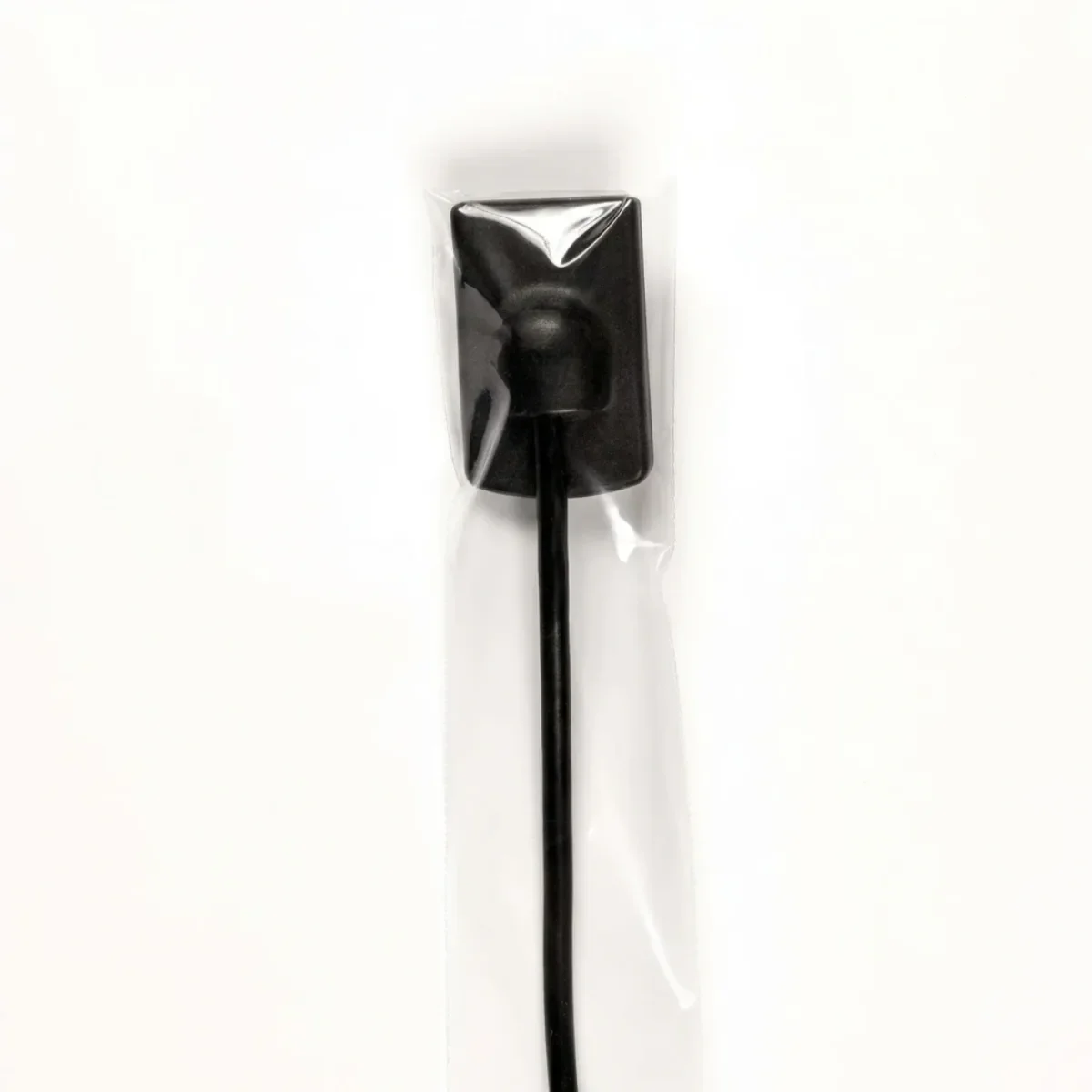
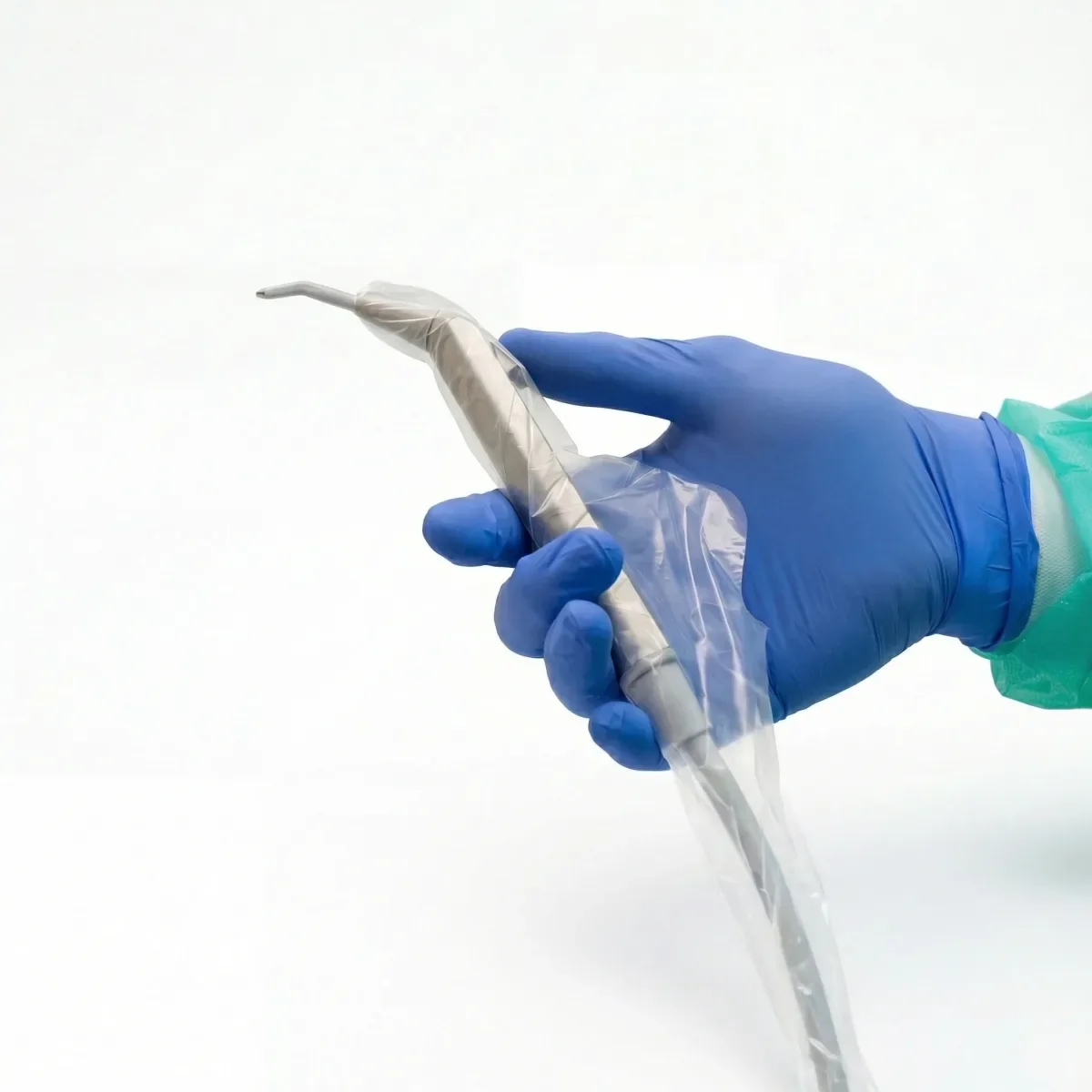
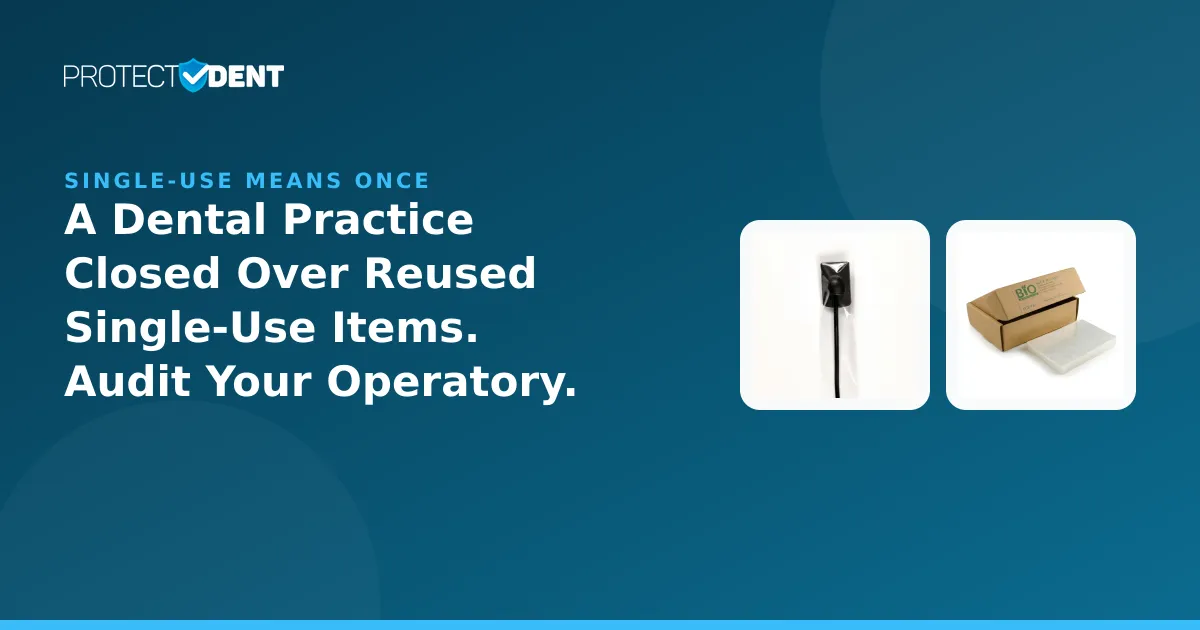
- Touchpoints that cannot be sterilised. Light handles, air/water syringe bodies, sensor cables, intraoral cameras, curing lights, keyboards and mice.
- Items that are reprocessed. Handpieces, instrument sets, reusable scanner tips. These need a documented cycle, not a barrier.
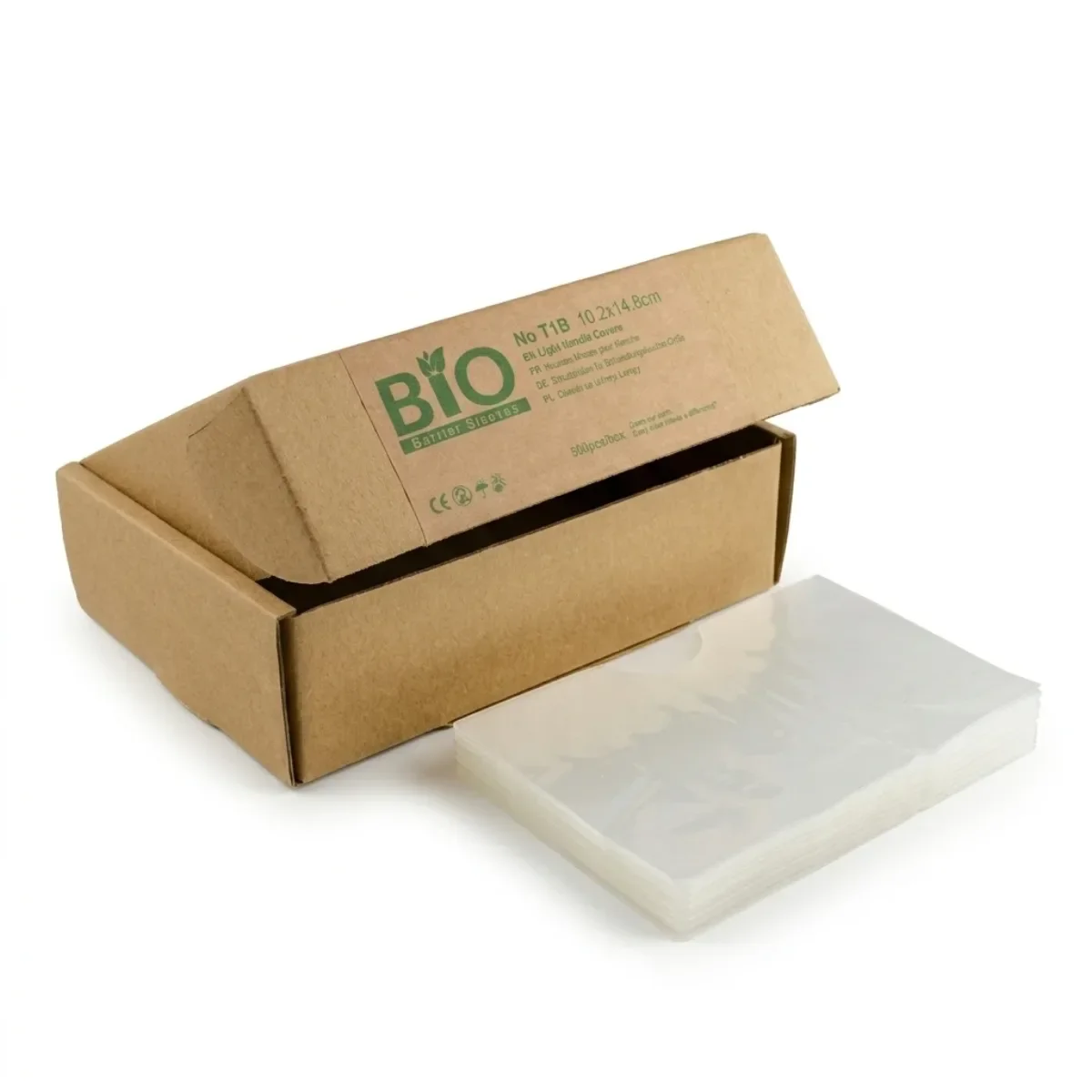
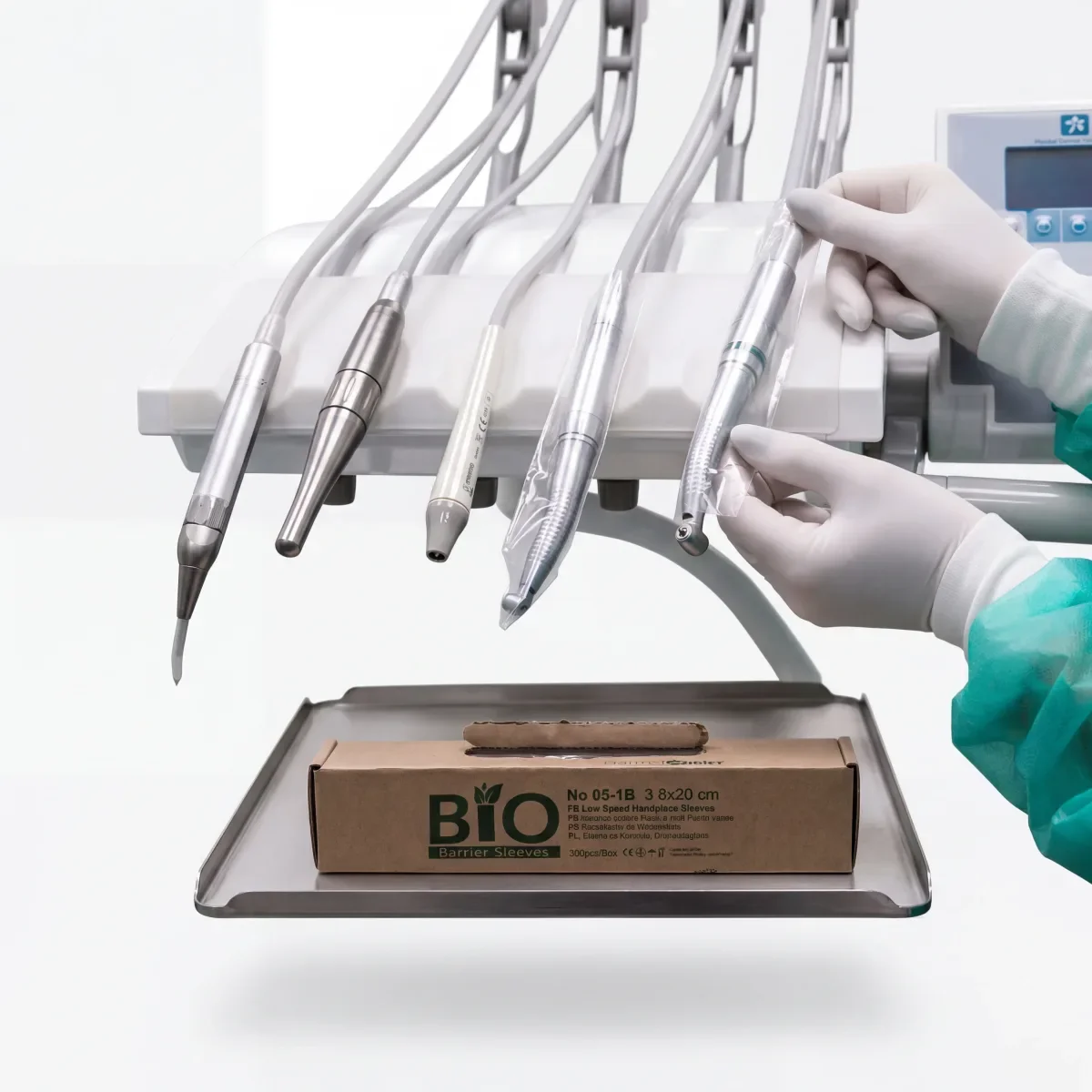
Group three is where barrier products belong. A barrier is changed between patients and discarded. It does not replace sterilisation for group four, and it does not make a reused vial acceptable.
Documentation is part of the control
The same Canadian write-up lists documentation among its lessons: mechanical, chemical and biological monitoring recorded for every sterilisation cycle, a written infection-prevention manual, and a named coordinator. If an inspector or a patient's lawyer asks what happened in a given room on a given day, the record is the answer. A practice that did everything right but cannot show it is in a weak position.
For a practice manager, a practical Monday-morning version is short:
- Print a one-page list of single-use items per operatory and tape it inside the cabinet.
- Decide who restocks, and remove open multi-patient packs from the chairside.
- Check that sterilisation logs are filled in at the time of the cycle, not at the end of the week.
- Put barrier changes on the same turnaround checklist as the instrument tray.
A cheap training prompt
The American Dental Association has announced a three-hour live webinar on infection control and OSHA for 3 December, covering sterilisation, instrument reprocessing, waterline management, environmental cleaning, PPE and administrative controls. It is a US-oriented course and the ADA states that it is not included in its continuing-education subscription, so check whether it fits your regulatory setting. The topic list is still a handy skeleton for an internal team meeting, wherever you work.
What to take from it
An incident like this rarely starts with a decision to cut corners. It starts with small habits that nobody audited. A one-hour walk-through of each operatory, with a written list of what is single-use and what is reprocessed, costs far less than finding out later. Where an item cannot be sterilised and sits in a patient's line of contact, a fresh barrier for every patient is a simple, visible habit that the whole team can check at a glance.
Frequently asked questions
Does this case apply to practices in the EU?
It happened in the US and the city did not publish a list of specific lapses. It is a reminder, not a statement about any other practice. The audit questions apply anywhere.
Does a barrier sleeve replace sterilisation?
No. A barrier covers a touchpoint that cannot be sterilised and is discarded after each patient. Reprocessed items still need a documented cycle.
What should we check first?
Single-use injectables and irrigation items, then any item that is wiped and reused between patients, then the sterilisation log.
Sources
- Philadelphia Department of Public Health notifying patients of Smiles at Rittenhouse Square dental clinic of risk of exposure — City of Philadelphia, 2026-11-12
- Dental Practice Shutdown Exposes Infection Control Failures: Lessons for Canadian Dentists — EBIKO Dental, 2026-11-12
- ADA webinar to cover infection control requirements — ADA News, 2026-11-12