Check How Much of the Sensor Cord Your Barrier Sleeve Covers
Why this matters now
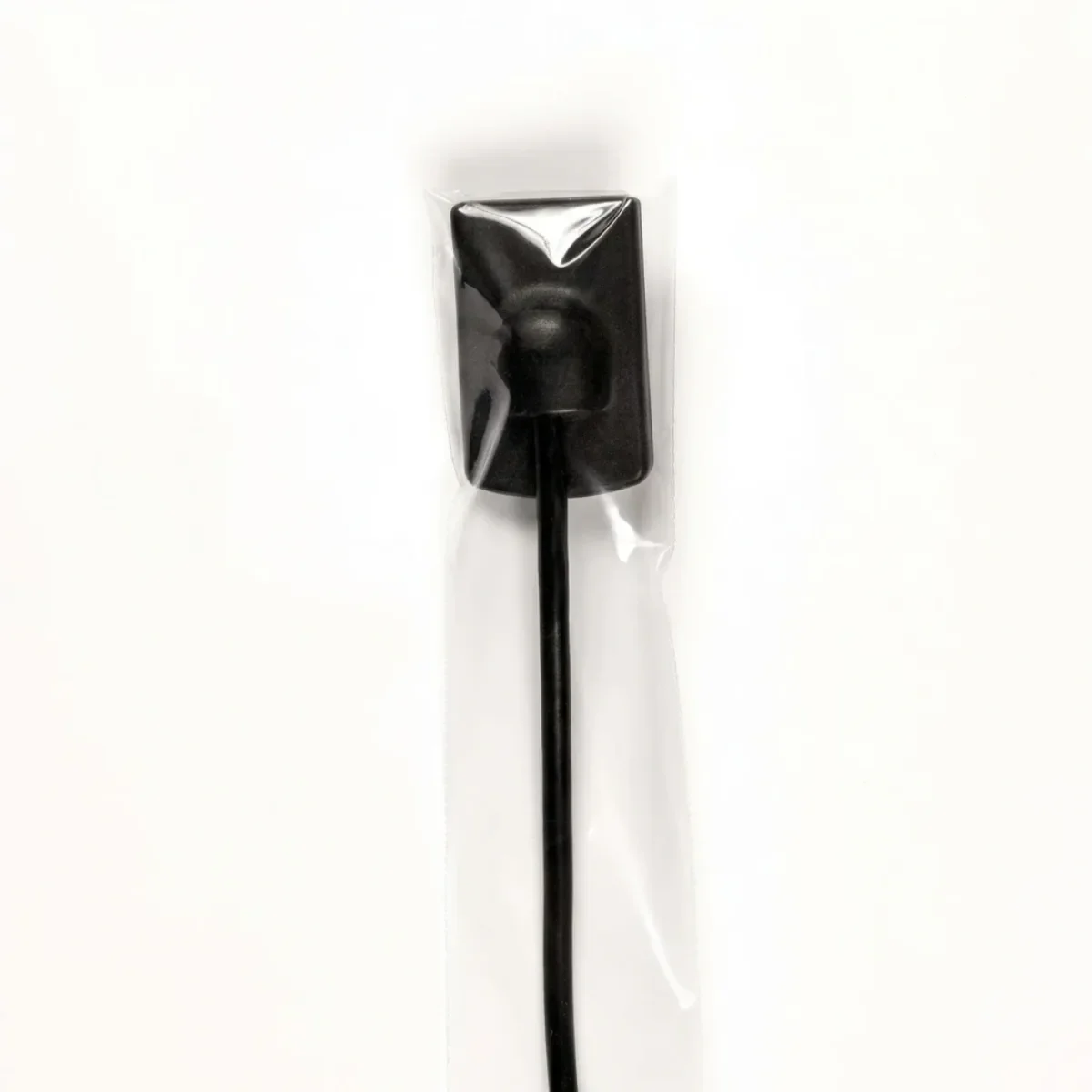
A barrier sleeve on an intraoral sensor usually gets judged on one thing: does it fit over the sensor head. But the head is attached to a cord, and several centimetres of that cord travel into the mouth along with it every time the sensor is positioned against the arch. Current radiographic-asepsis literature treats that stretch of cord as part of what the barrier has to cover, not as an extra. If a sleeve stops at the head, the contact the cord makes during positioning is unprotected.
What actually changed
No regulation changed this month. What has shifted is how explicitly current sources name the cord as part of the barrier, and how clearly they separate "barrier" from "disinfection":
- A 2024 review of disinfection and asepsis in radiographic procedures, published in Dimensions of Dental Hygiene, states that the sensor barrier needs a sleeve "long enough to cover the cord," not just the receptor, and says plainly that a barrier on its own is not "adequate to prevent cross contamination" — it has to be paired with wiping the sensor and cord with an intermediate-level disinfectant once the sleeve comes off.
- CDC's own dental infection-control guidance frames disposable barrier protection as the preferred alternative specifically for noncritical equipment that is difficult to clean or could be damaged by cleaning agents — which describes a cord running into a sensor that cannot be autoclaved.
- A peer-reviewed test of plastic sensor barrier sheaths, published in the Journal of the American Dental Association, found that 44% to 51% of plain sheaths were perforated after a single intraoral exposure. The authors traced most of that failure to how the sensor was placed and removed — the point where the cord meets the sensor is where the barrier is under the most stress.
- Manufacturer sensor-care guidance instructs staff to push the sensor fully into its sleeve so the cord is covered, not just rest the head inside it, and separately names improper cable handling — pulling the cord to strip off a sheath, letting it hang, coiling it, stepping on it — as the most common cause of sensor failure.
None of this is new science. What is new is that it keeps resurfacing as a named gap rather than an assumption, and the manufacturer wording — push it all the way in, cover several inches of cable — suggests practices routinely fall short of it without noticing.
What this means in the operatory
- Check your current sleeve against the cord, not just the head. Hold the sensor the way it actually sits in the holder for a bitewing or periapical exposure and see how much cord is still outside the sleeve at that point — not with the sensor held loose on the bench.
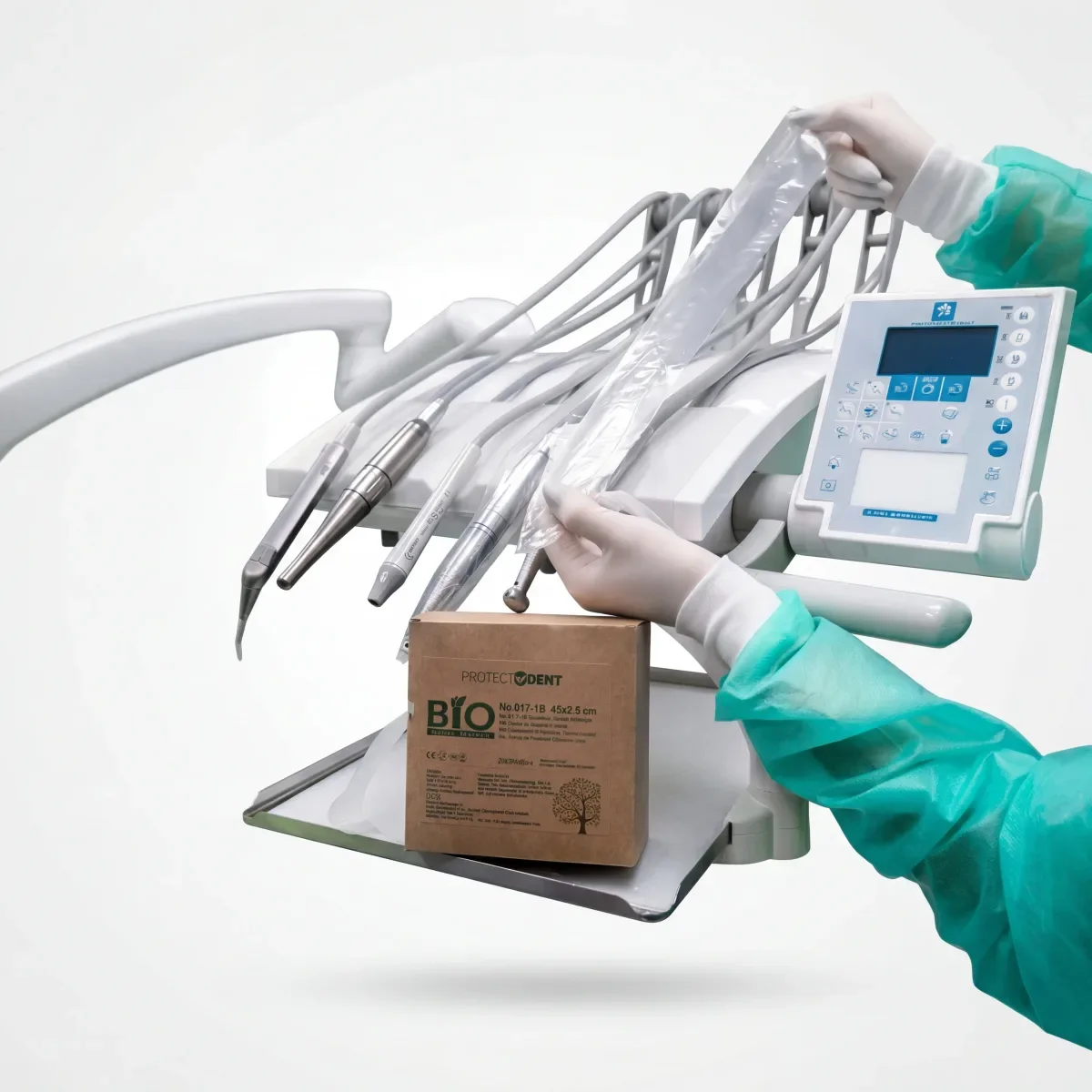
- Stop stripping sleeves off by pulling the cord. It is named as a leading cause of cord and connector damage, and a seam under tension is also where a sheath is most likely to tear before it comes off.
- Treat the sleeve as the first step, not the only one. After the barrier is removed, the sensor and the length of cord that was exposed still get wiped with the intermediate-level disinfectant your protocol specifies, for its full contact time — current guidance is explicit that the sleeve does not replace this, regardless of how much cord it covered.
- If the practice runs more than one sensor brand or more than one holder style, check cord coverage separately for each combination. A sleeve that reaches the connector on a straight bitewing holder may fall short on an anterior periapical set-up, where the sensor sits at a different angle.
What to check
- Hold the sensor in its holder the way it is used clinically, with the sleeve fitted, and confirm the cord is covered to the connector — not just when the sensor is held loose
- Review how staff remove sleeves after exposure: by the seam, not by pulling the cord
- Confirm the post-barrier disinfectant wipe on the sensor and exposed cord is still happening, with the correct contact time, regardless of sleeve length
- If switching sensor brands or holders, re-check sleeve-to-cord coverage rather than assuming the previous sizing still applies
Frequently asked questions
Does a sensor barrier sleeve need to cover the cord, or just the sensor head?
Current guidance treats the cord as part of what the barrier covers, since several centimetres of it enter the mouth with the sensor during positioning. A 2024 review of radiographic asepsis specifically calls for a sleeve long enough to cover the cord.
Is a barrier sleeve enough on its own, or do I still need to disinfect the sensor?
No. Current literature is explicit that a sleeve alone is not adequate to prevent cross-contamination. The sensor and the length of cord that was exposed still need wiping with an intermediate-level disinfectant after the sleeve is removed.
How often do plastic sensor sheaths actually fail?
A peer-reviewed test published in the Journal of the American Dental Association found 44% to 51% of plain plastic sheaths perforated after a single intraoral exposure, with most failures linked to handling at the sensor-cord connection.
What is the most common cause of sensor cable damage?
Manufacturer sensor-care guidance names improper cable handling — pulling the cord to remove a sheath, letting it hang, coiling it, or stepping on it — as the leading cause of sensor failure.
Do I need a different sleeve for every sensor brand and holder?
Not necessarily a different sleeve, but check coverage separately. How much cord gets covered depends on how the sensor sits in its specific holder, so a length that reaches the connector on one set-up may fall short at a different angle or on another brand.
Sources
- Guidelines for Infection Control in Dental Health-Care Settings — 2003 — CDC, 2026-11-04
- Best Practices for Disinfection and Asepsis in Radiographic Procedures — Dimensions of Dental Hygiene, 2026-11-04
- Assessing the effectiveness of direct digital radiography barrier sheaths — Journal of the American Dental Association (via OHSU), 2026-11-04
- Protecting Digital Tools: Intraoral Sensor Care and Maintenance — Dental Tribune, 2026-11-04