OSHA Team Training: Make Sure Your Barrier Items Are Part of It
A webinar title that doubles as a checklist
On 3 December the American Dental Association is running a three-credit live webinar titled "Infection Control and OSHA: What Every Team Member Must Know and Do". According to the ADA's announcement of 4 November 2026, it reviews OSHA bloodborne pathogens requirements, CDC recommendations for dental settings and guidance from professional organisations, then turns them into practical steps for sterilisation, instrument reprocessing, waterline management, environmental cleaning, personal protective equipment and administrative controls.
You do not need to attend to use the idea. The list of topics is a ready-made agenda for a team meeting. This article is about one item on it that practices often leave to chance: training on protective equipment, and whether the barrier items in your operatory are part of it. The rules below are US rules; if you work in the EU, your national occupational-safety law sets the equivalent duties, so use this as a model for the questions to ask, not as a legal reference.
What the OSHA standard says about training
The text of the OSHA bloodborne pathogens standard (29 CFR 1910.1030) is specific. Training must be given "at the time of initial assignment to tasks where occupational exposure may take place" and "at least annually thereafter", and the annual training must be provided within one year of the previous one. It must be at no cost to the employee and during working hours. Training records are kept for 3 years from the date of training.
The minimum content includes how protective equipment is used and its limits, "proper use, location, removal, handling, decontamination and disposal" of it, and "an explanation of the basis for selection of personal protective equipment". The employer also provides appropriate protective equipment at no cost to the employee.
Notice what is in that list: location, removal and disposal. Those are exactly the steps that go wrong with surface and equipment barriers, because nobody thinks of a sensor sleeve or a handpiece sleeve as "protective equipment" until something is missing.
Why a September update is not a reason to relax
On 25 September 2026 ADA News reported that the CDC had added a viral respiratory infections section to its guidance for healthcare personnel in general. The CDC excludes dentists from that guidance because it keeps separate dental recommendations. The ADA's summary says: "The updates do not modify standard precautions or introduce any new infection control requirements for dental practices."
The same article suggests the update is a good prompt to revise employee health policies, check vaccination and immunity records, set up exposure and illness reporting procedures, set return-to-work procedures and train staff on any changes. So nothing new is required, but the housekeeping around it is a reasonable use of one team meeting.
A Monday-morning audit for barrier items
Use the OSHA training elements as a checklist, and walk the operatory with it:
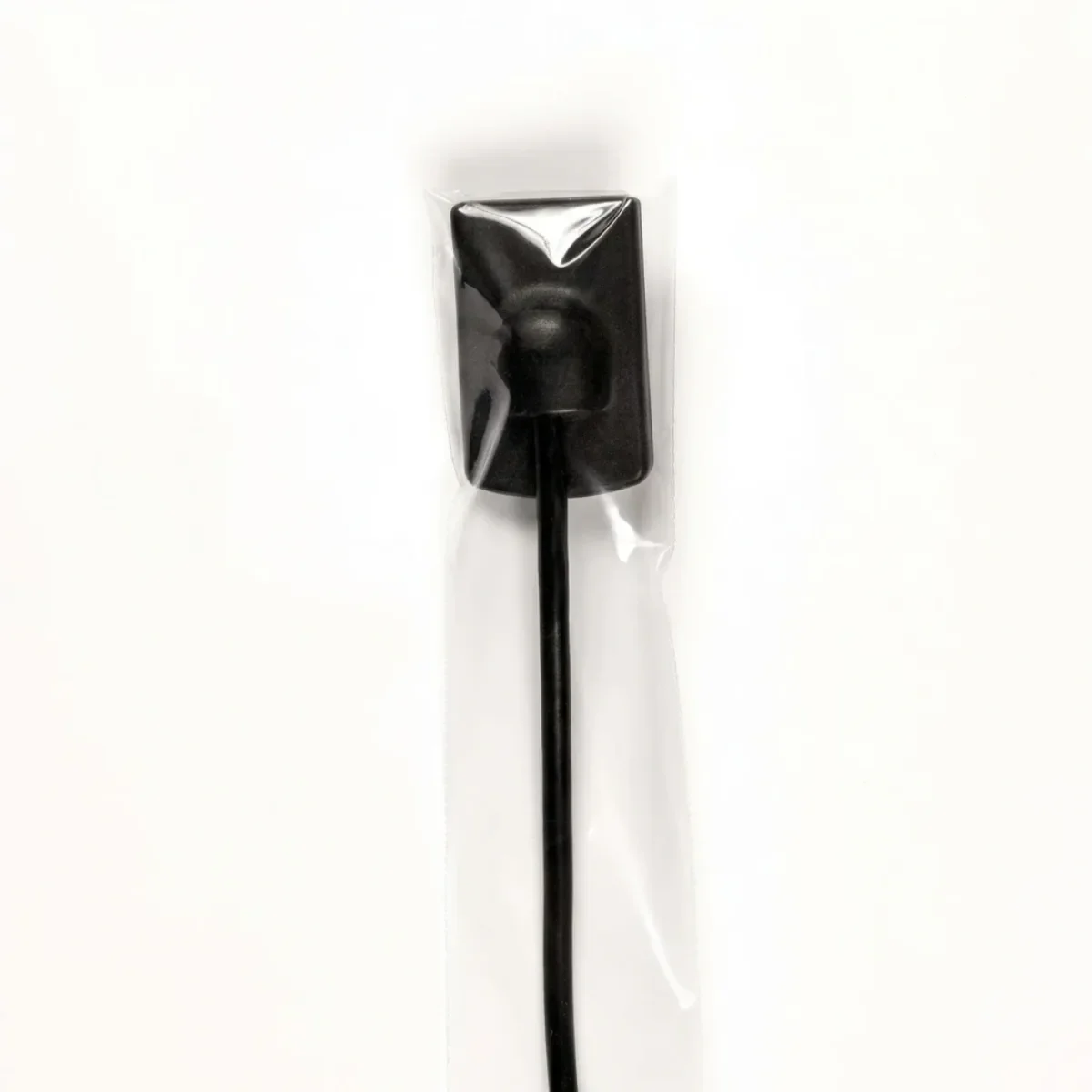
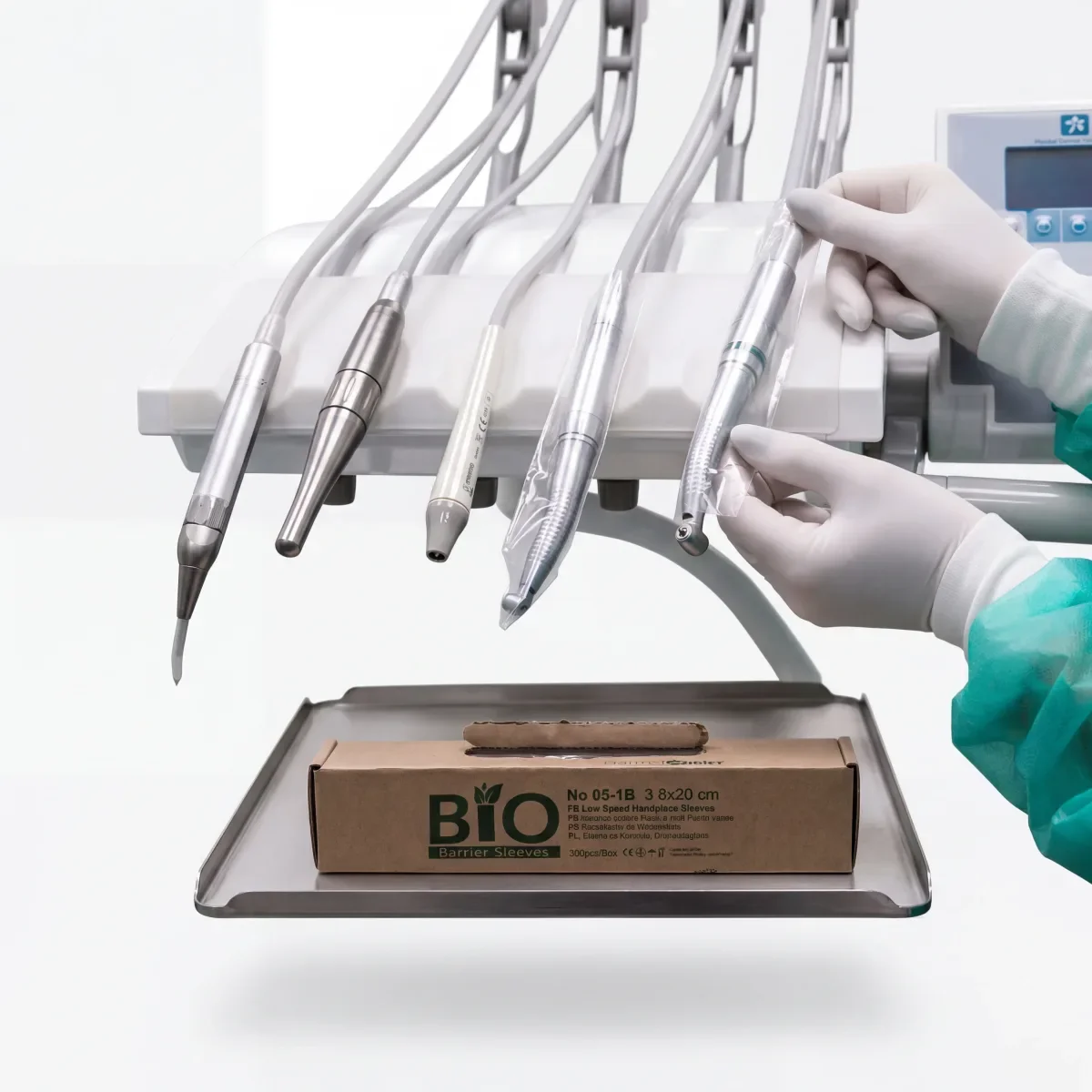
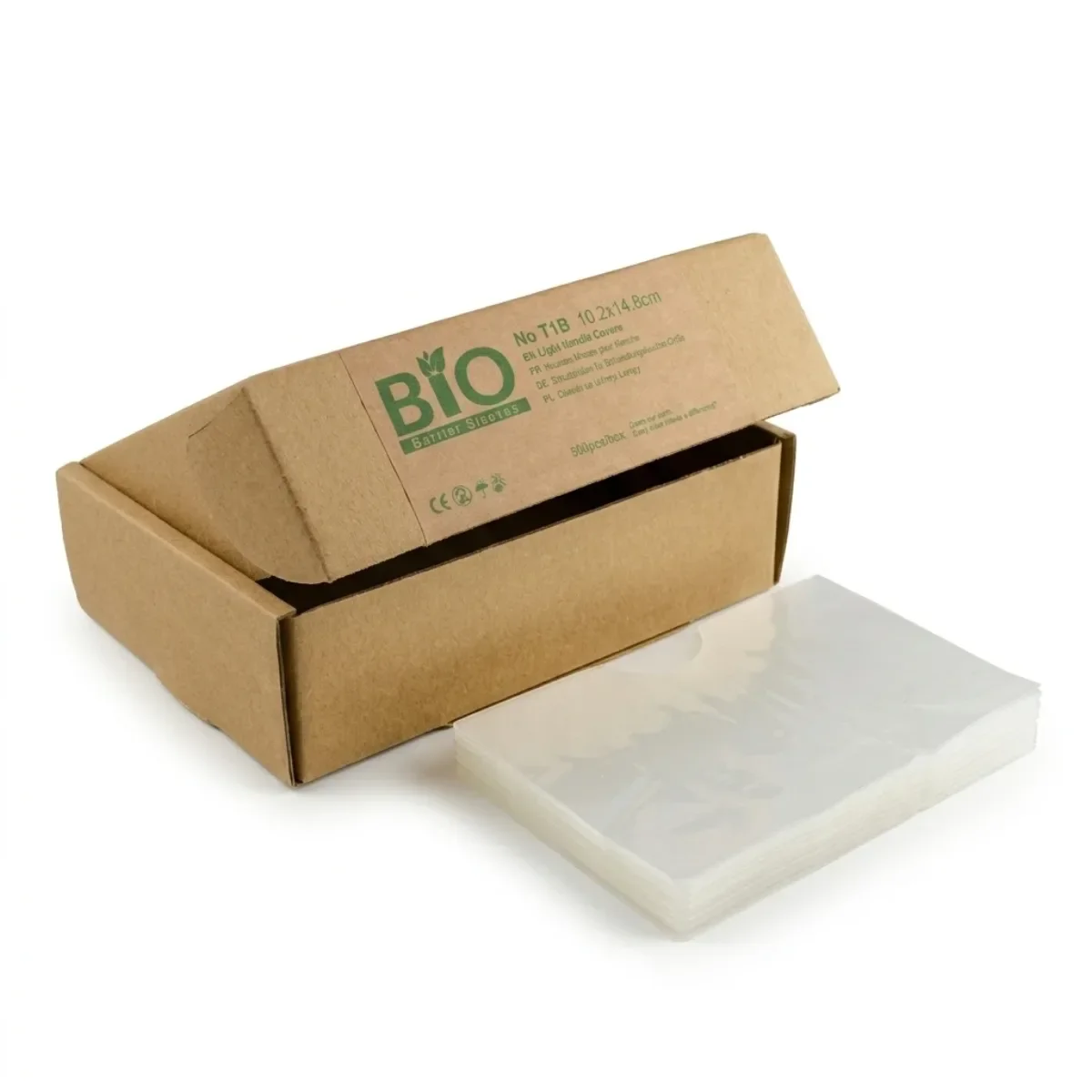
- Is every barrier item named in your written procedure? Sensor and plate covers, handpiece and syringe sleeves, curing-light sleeves, light-handle covers, keyboard and mouse covers. If it is not written down, it is not trained.
- Does the new hire see the removal step, not only the placement step? Removal and disposal are in the OSHA list for a reason; show the sequence once, at the chair.
- Is the reason for each choice explained? The standard asks for the basis of selection of protective equipment. A one-line note per item, such as "fits this sensor with the cord covered", is enough.
- Are training dates and attendees recorded, and is the next date in the calendar? Annual means within one year of the last session.
- Is the stock where the person doing the task can reach it? A procedure that requires a trip to the storeroom mid-appointment will be skipped on a busy day.
What this does not tell you
The webinar announcement lists topics, not content, and does not name its presenters, so we cannot say what it will conclude. Nor does any of the sources above say which barrier products a practice must use: they set duties for the employer, not a product list. Choosing a sleeve that fits your sensor or handpiece remains your call, and your written procedure is where that choice should live.
Frequently asked questions
How often does OSHA require bloodborne pathogens training?
At the time of initial assignment to tasks with occupational exposure and at least annually thereafter, within one year of the previous training. Records are kept for 3 years.
Did the CDC's September 2026 update add requirements for dental practices?
No. According to ADA News, the updates do not modify standard precautions or introduce any new infection control requirements for dental practices.
Are these OSHA rules valid in the EU?
No, they are US federal rules. EU practices follow their national occupational-safety law, but the same questions are a useful model for an internal audit.
Does the OSHA standard say which barrier products to use?
No. It sets duties for the employer, including providing appropriate protective equipment and training on its selection, but it does not list products.
Sources
- ADA webinar to cover infection control requirements — ADA News, 2026-11-25
- No new dental requirements in updated CDC infection control guidance — ADA News, 2026-11-25
- 29 CFR 1910.1030 Bloodborne pathogens — OSHA, 2026-11-25