New Imaging Equipment, New MDR Rules: What to Check Before You Reorder Sleeves
Why this matters now
On 10 June 2026, Vatech announced that its entire 2026 dental imaging line-up — intraoral X-ray systems, panoramic platforms and CBCT units, including newly launched models such as the Green X 21, Green X Plus, Green X 12 Plus and Green X 12 SE — now holds EU MDR certification through a single conformity assessment with its Notified Body, DNV Product Assurance AS. The company frames this as unusual: in its own words, it completed the transition "at a time when the industry norm has been to pull back."
That framing points at a real bottleneck. Notified bodies under the EU Medical Device Regulation (2017/745) have been a well-known chokepoint for manufacturers, and the European Commission has just moved to standardise how those bodies work. Commission Implementing Regulation (EU) 2026/977, adopted 4 May 2026, sets uniform quotation, timeline and reporting requirements for notified bodies handling MDR and IVDR conformity assessments — it applies from 25 February 2027.
For a dental practice, none of this is abstract paperwork. It affects which imaging systems you can actually buy, when, and what happens to your existing barrier supplies when you do.
What actually changed
- Vatech's full-portfolio certification (announced 10 June 2026) covers all existing commercial models plus every 2026 launch across intraoral, panoramic and CBCT categories, assessed as one package rather than model-by-model.
- Implementing Regulation (EU) 2026/977 (adopted 4 May 2026, applicable from 25 February 2027) sets maximum timelines for each stage of a notified body's conformity assessment — including limits on application review, quality-management audits and product verification — plus mandatory published reporting on cost and duration.
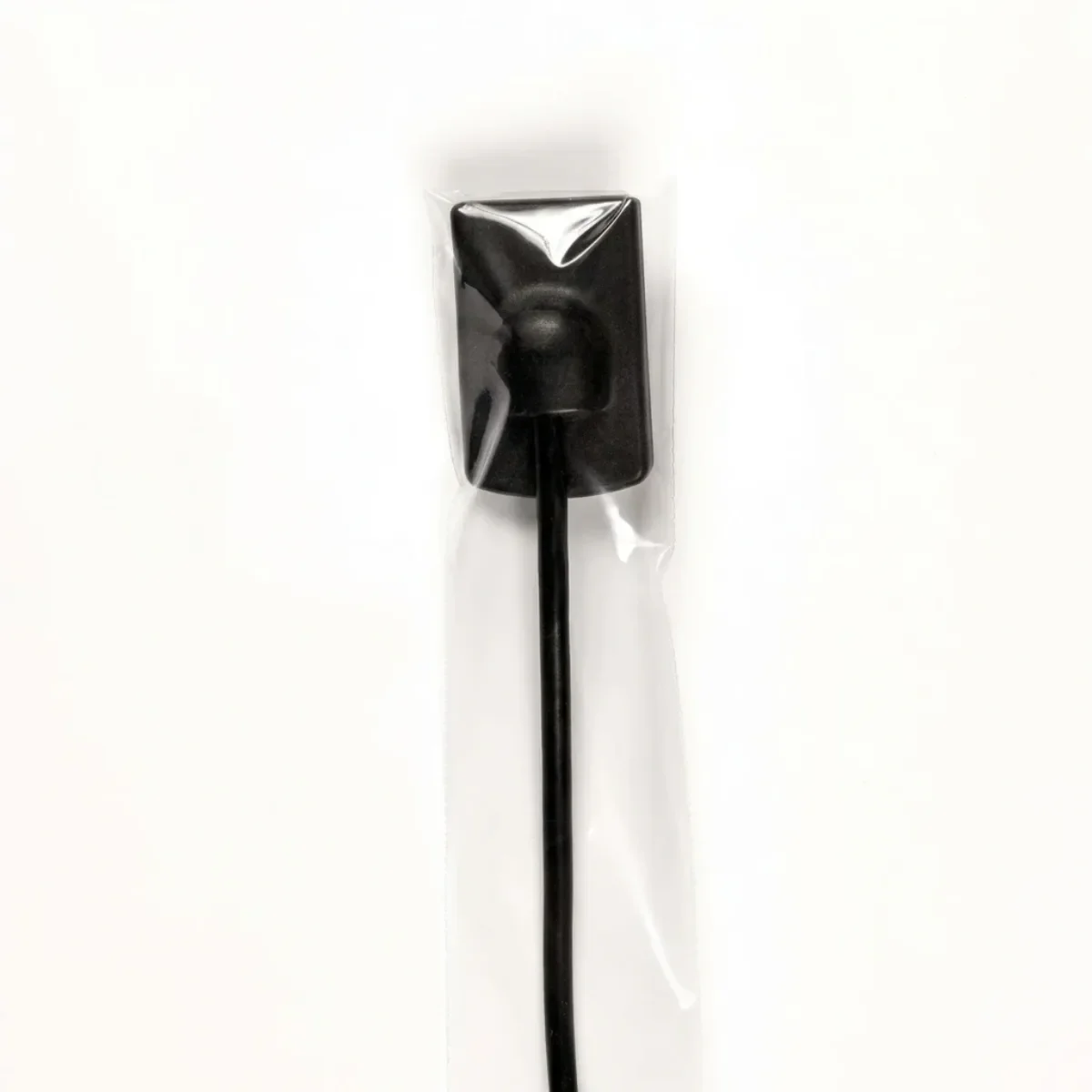
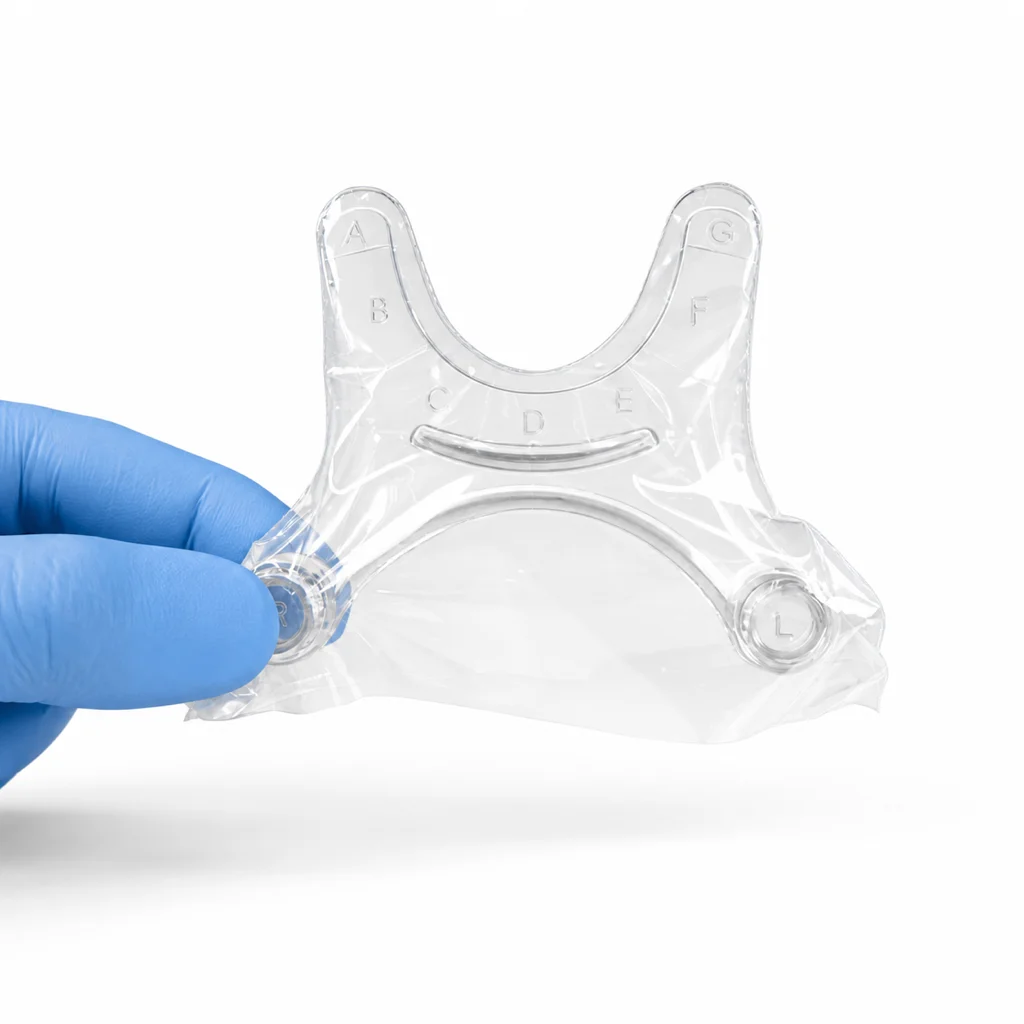
- Neither development changes the regulatory status of accessories like barrier sleeves. Sensor sleeves, bite block covers and cephalo sleeves are assessed and classified independently of the imaging hardware they protect.
What this means in the operatory
If your practice is evaluating a new sensor, panoramic unit or CBCT system this year, the MDR story explains why more current-generation hardware may be reaching the EU market without the launch delays some manufacturers have had in recent MDR cycles. That's procurement-relevant: a wider, more current choice of certified equipment is good news if you've been holding off an upgrade.
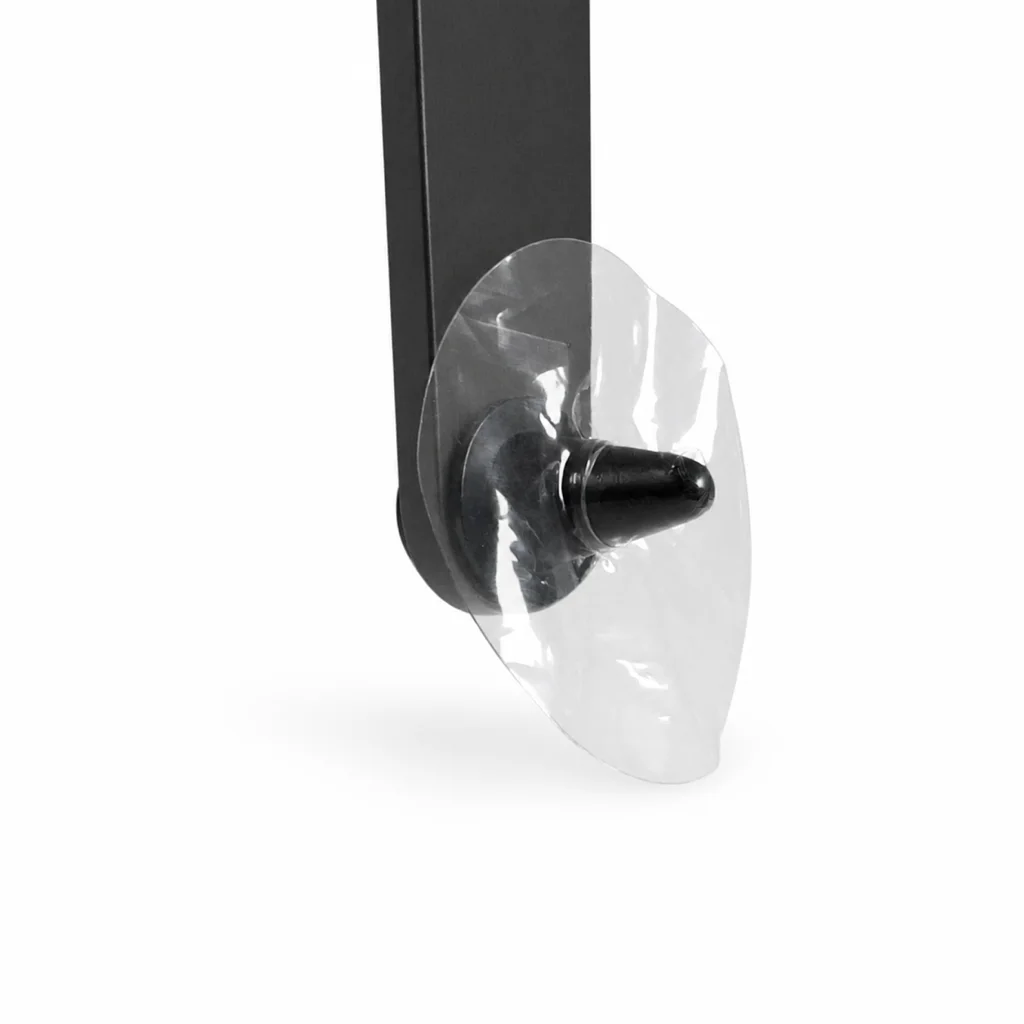
It also creates a practical hand-off point that has nothing to do with MDR directly. A new sensor generation, a new panoramic ear-rod design or a new bite block shape rarely matches the dimensions of the model it replaces. Your barrier sleeve stock is sized to the equipment, not to the manufacturer's certificate — so a hardware upgrade is exactly the moment to re-check sleeve fit rather than assume the old box on the shelf still works.
What to check
- Confirm the exact model name and generation before reordering sleeves — "Green X 21" is not interchangeable with an older Green X panoramic unit for barrier sizing purposes.
- When new imaging hardware arrives, keep the outgoing model's sleeve stock physically separated until it's confirmed you no longer need it, to avoid a mis-fit sleeve being used under time pressure.
- Ask your barrier supplier which SKU is validated for the new sensor, bite block or cephalostat before the equipment goes into daily use, not after.
- Remember that a device's MDR certification says nothing about the barrier product covering it — check the barrier's own documentation separately.
Sources
- Vatech Completes Full-Portfolio EU MDR Certification — PR Newswire, 2026-08-21
- Commission Implementing Regulation (EU) 2026/977 of 4 May 2026 on uniform requirements for notified body conformity assessment under the MDR and IVDR — EUR-Lex, 2026-08-21
- Regulation (EU) 2026/977: new rules for Notified Bodies on timelines, costs and procedures — Complife Group, 2026-08-21