The EU's E-Waste Rule Excludes 'Infective' Devices. Your Sensor Isn't One.
A rule written for test strips, not sensors
The EU's e-waste law, Directive 2012/19/EU (WEEE2), carves out an exemption that sounds like it could have been written with dental kit in mind. It excludes "medical devices and in vitro diagnostic medical devices, where such devices are expected to be infective prior to end of life, and active implantable medical devices" from counting as electrical and electronic equipment under the directive at all (Directive 2012/19/EU, Article 2).
If a retired intraoral sensor, camera or handpiece motor is heading for the bin, it's tempting to read "infective," think of everything that device has touched, and assume the exclusion applies.
The European WEEE Registers Network's 2016 interpretation guidance draws the line somewhere narrower (EWRN guidance document):
"The exclusion applies only to single-use medical equipment and accessories (e.g. electrodes, test stripes for blood glucose meters) when they are expected to be infected prior to the end of their life."
The deciding factor isn't whether a device gets contaminated during use. It's whether the device is designed to be used once, or designed to be used again. The guidance explains that equipment "intended to be used more than once... is designed in such a way that the risk of contamination on handling is extremely low," so it is "expected to reach the end of its life-span without representing a risk of public health" — and so stays inside ordinary WEEE scope, collected and recycled as e-waste rather than clinical waste.
Where that puts your sensor, camera and scaler
Run that test against what's actually at the chair:
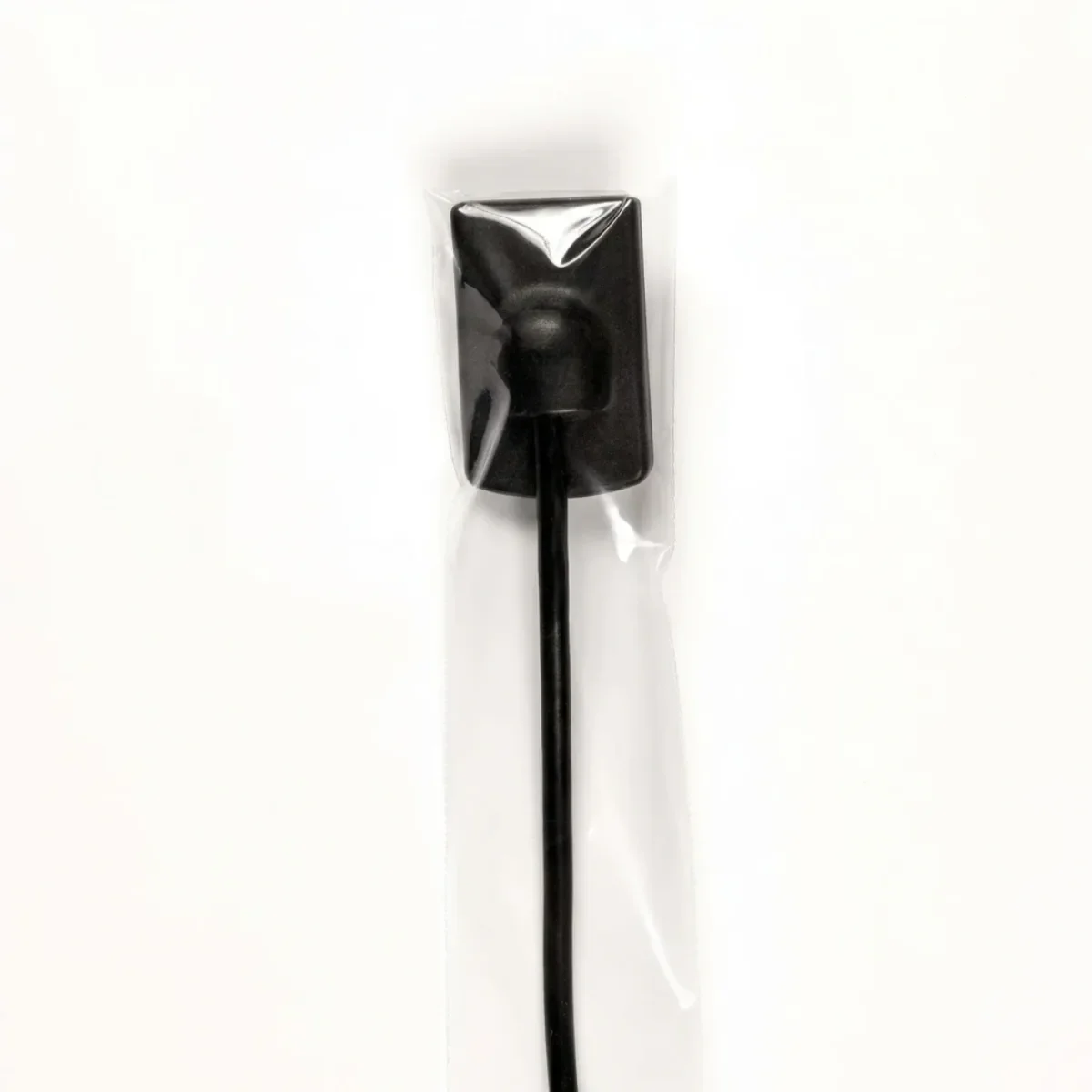
- An intraoral sensor, a scanner, or a camera handpiece is built to be used on patient after patient. It isn't single-use equipment.
- A disposable saliva ejector tip or a single-use test strip is built to be thrown away after one patient. That is the kind of item the exclusion is actually talking about.
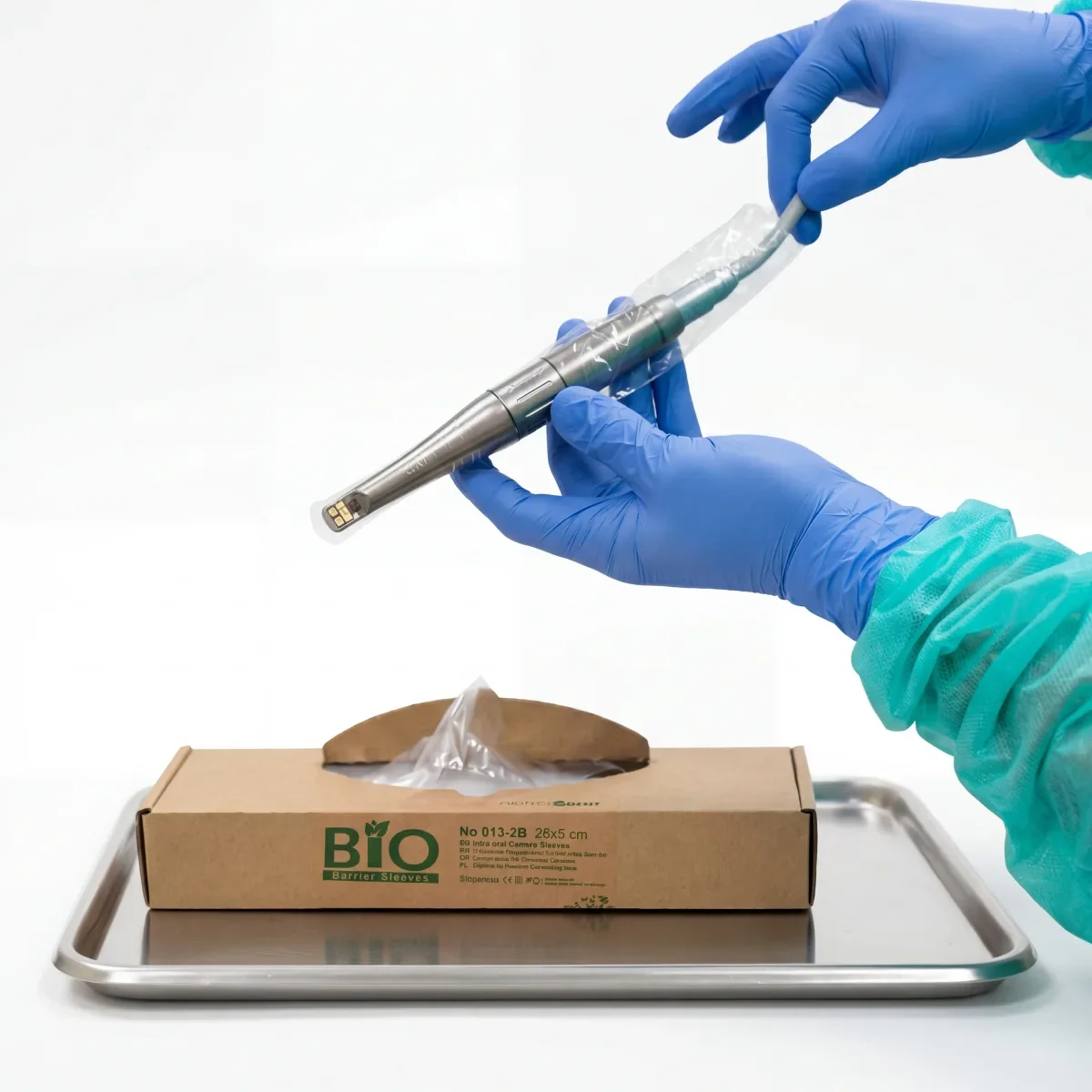
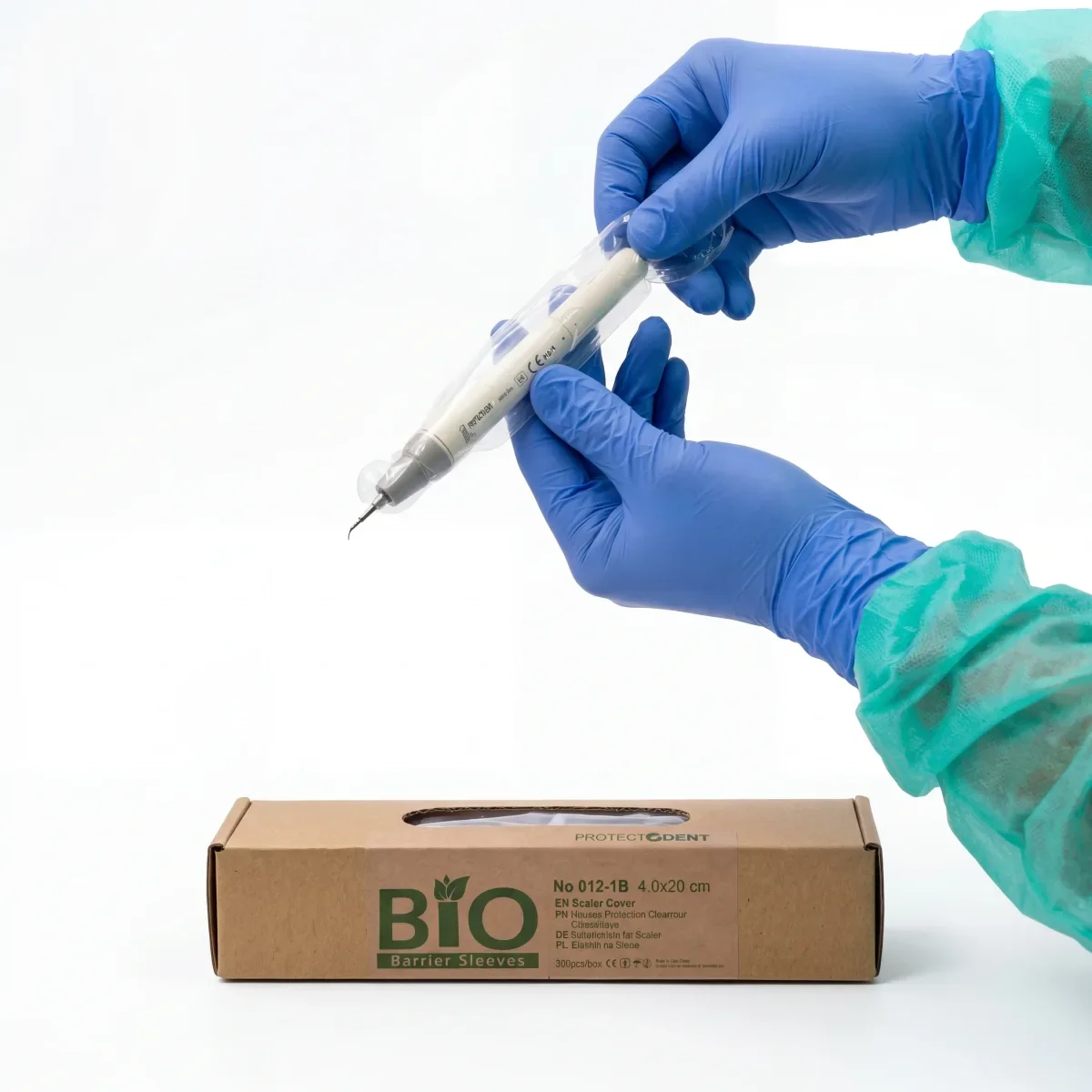
Under this reading, a retired sensor, scanner or camera handpiece doesn't fall under the "infective" exclusion at all. It stays inside the e-waste stream, collected the same way as a till or a laptop leaving the building. The "extremely low" contamination-on-handling risk the guidance cites as the justification for that is exactly what a barrier sleeve exists to deliver — a sensor sheathed for every exposure, a camera covered for every pass over the arch.
What this means on a Monday morning
This doesn't change how a device gets cleaned while it's still in service; that's an infection-control question, not a waste-classification one. It changes what happens once the device is retired:
- A worn-out sensor, scanner or camera handpiece goes through the practice's normal WEEE/e-waste collection route, the same as any other electronic equipment leaving the building.
- It isn't automatically clinical or infectious waste just because it spent years in a mouth.
- A device that's visibly contaminated at the point of disposal — a torn sleeve, debris cleaning didn't remove — is still a practical reason to route it through clinical waste regardless of how the directive classifies it on paper. The exclusion is a legal classification, not a substitute for looking at the item in your hand.
The revision in progress doesn't touch this logic
The European Commission is working on turning WEEE2 into a directly applicable Regulation, with a legislative proposal reportedly expected in the third quarter of 2026 (Certivo's overview of the revision). In its November 2025 submission on that revision, MedTech Europe — the industry association representing device manufacturers — asked the Commission to maintain "the Article 2(4)(g) scope exclusion" for medical devices and align it more closely with the Medical Devices Regulation (MedTech Europe's recommendations). Nothing in that submission proposes widening the exclusion to cover reusable equipment — the ask is to preserve the existing narrow carve-out for genuinely single-use infective items as the directive's text is rewritten. For a reusable sensor or scanner, the practical answer isn't expected to change: e-waste bin, not clinical waste.
Before your next disposal run
Check two things before a retired sensor, camera or scanner leaves the building: that it has actually been decontaminated per the practice's routine protocol, and that it's going into the practice's WEEE/e-waste collection arrangement — not the clinical waste contractor by default. The paperwork difference is small. Getting it backwards means paying a clinical-waste rate, or picking up a hazard classification, for equipment the directive doesn't put there.
Frequently asked questions
Does the WEEE 'infective' exclusion cover my intraoral sensor?
No. Per EWRN's 2016 guidance, the exclusion applies only to single-use devices and accessories (such as test strips or electrodes) expected to be infective at end of life. Reusable equipment like sensors, scanners and cameras is designed for low contamination risk on handling and stays within ordinary WEEE e-waste scope.
What should I do with a retired intraoral sensor or scanner tip?
Dispose of it through the practice's normal WEEE/e-waste collection route, the same as any other electronic equipment, unless national guidance in your country directs otherwise for a specific device.
Is this changing under the 2026 WEEE revision?
Not based on what's public so far. MedTech Europe's November 2025 recommendations ask the European Commission to keep the infective-device exclusion aligned with the medical devices regulations as the directive is revised into a Regulation, with a proposal expected in Q3 2026.
Sources
- Waste Electrical and Electronic Equipment (WEEE) Directive 2012/19/EU — Article 2 Scope — legislation.gov.uk, 2026-11-03
- WEEE2 Guidance Document: Medical Devices, In Vitro Diagnostic and Active Implantable Medical Devices — European WEEE Registers Network (EWRN), 2026-11-03
- MedTech Europe's Key Recommendations for the Revision of Directive 2012/19/EU on WEEE — MedTech Europe, 2026-11-03
- EU WEEE Regulation 2026: What the Directive Revision Means for Manufacturers — Certivo, 2026-11-03