The EU Extended a Phthalate Deadline. Your Barrier Sleeves Never Needed It.
Why this matters now
The EU has pushed back two compliance deadlines for DEHP, a plasticizer long used in flexible PVC medical devices. Commission Regulation (EU) 2023/2482 extended the dates by which devices containing DEHP must have an EU REACH authorisation to stay on the market. Updates like this travel through supplier bulletins and compliance newsletters, and a busy practice manager skimming the headline could reasonably wonder whether it touches their next barrier sleeve order. It doesn't — and the reason is worth two minutes, because it tells you what actually to watch for instead.
What actually changed
- Commission Regulation (EU) 2023/2482 amended REACH's Authorisation List (Annex XIV) entry for DEHP, which applies to medical devices.
- The "latest application date" — the point after which a manufacturer needs an EU authorisation to keep using DEHP in a device already on the market — moved from 27 November 2023 to 1 January 2029.
- The "sunset date" — after which a device containing DEHP cannot be placed on the market at all without that authorisation — moved from 27 May 2025 to 1 July 2030.
- DEHP has one job in these devices: it is a plasticizer, added to otherwise rigid PVC to keep it soft and flexible. The US Agency for Toxic Substances and Disease Registry's toxicological profile for DEHP lists medical tubing and blood storage bags among the PVC products it is commonly added to.
- An Authorisation List entry is not the same as an outright ban. A manufacturer can keep placing a device on the market past the sunset date only if it has applied for and received a time-limited EU authorisation for that specific use — typically granted while a suitable substitute is still being qualified. That application and review process is what the extended dates now give manufacturers more time to complete.
What this means in the operatory
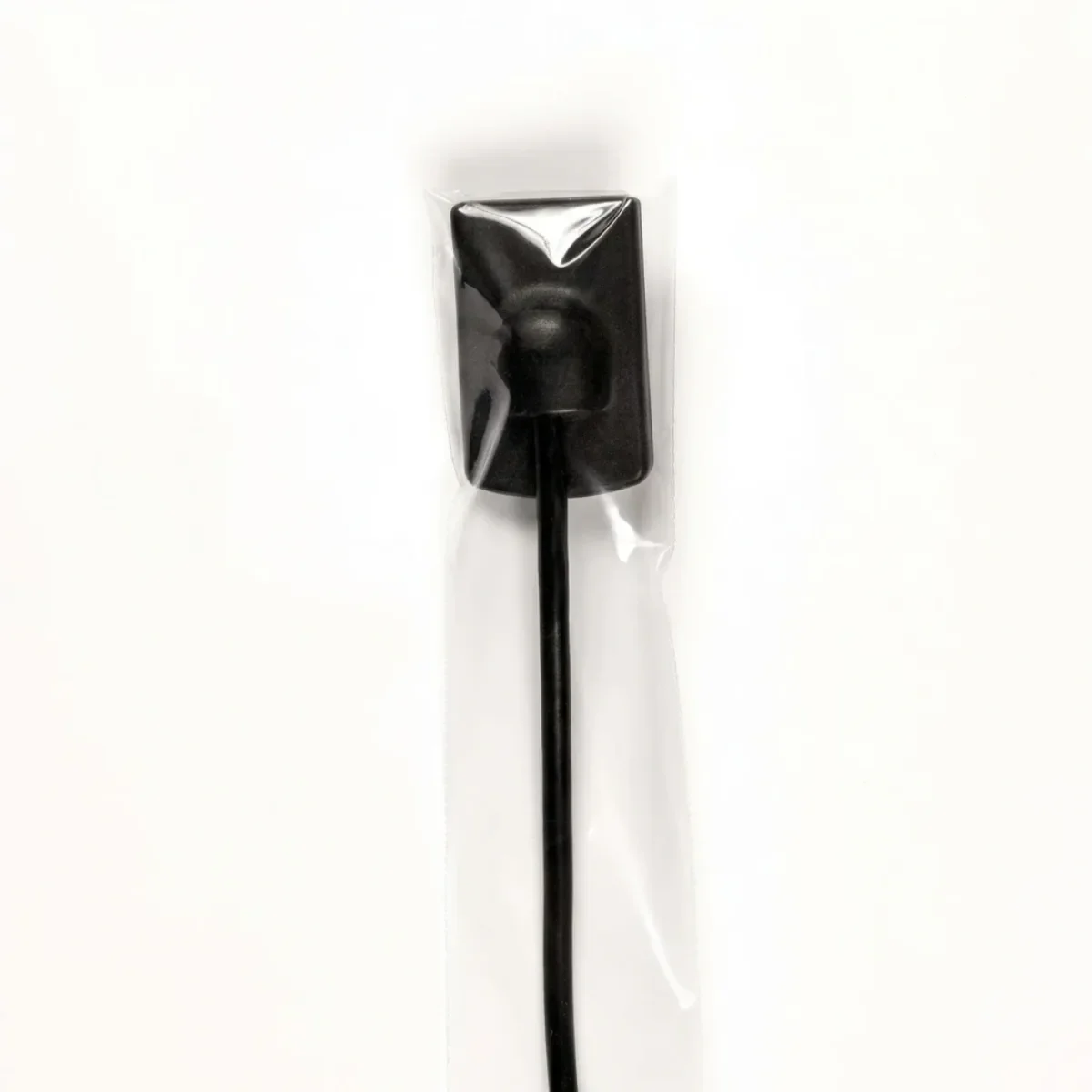
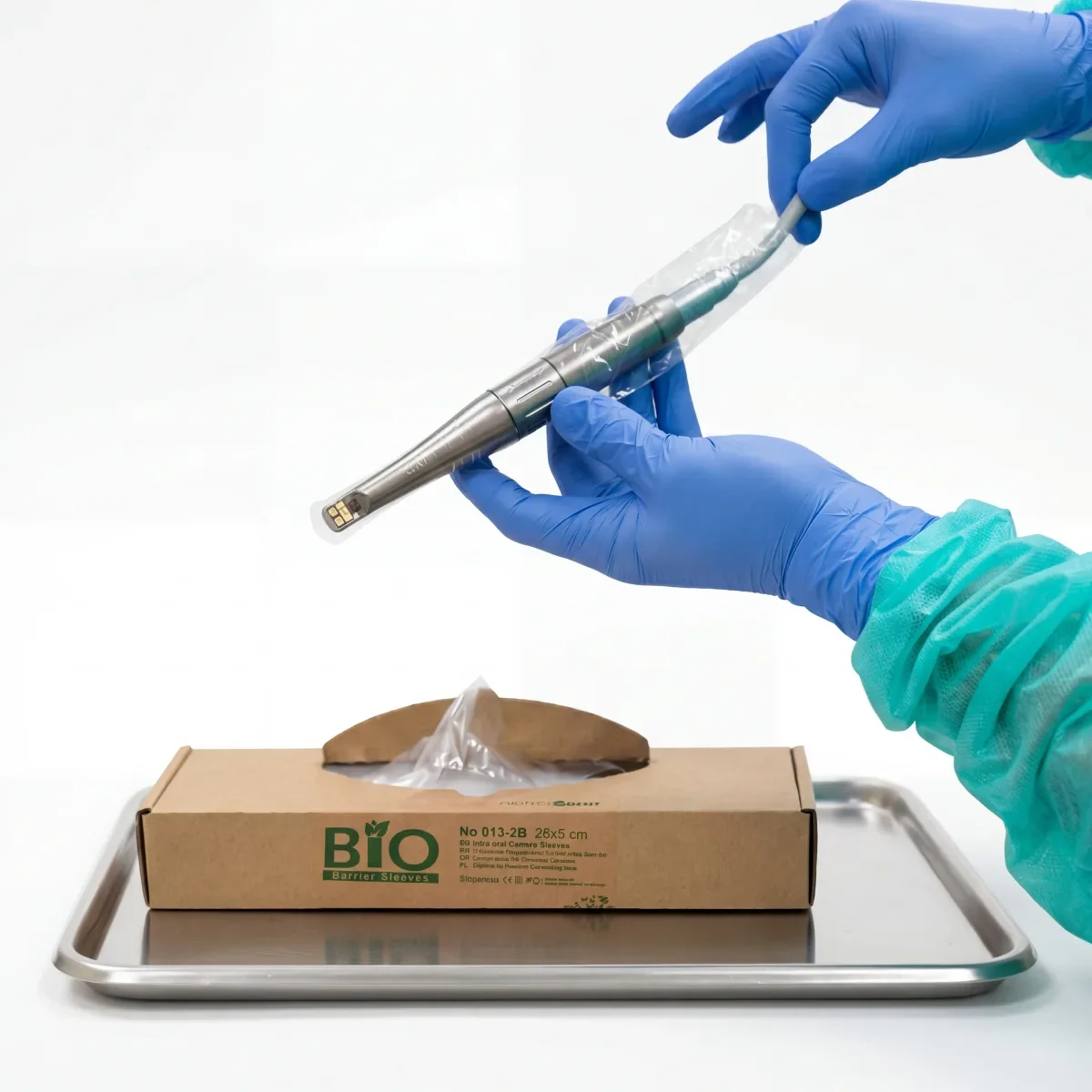
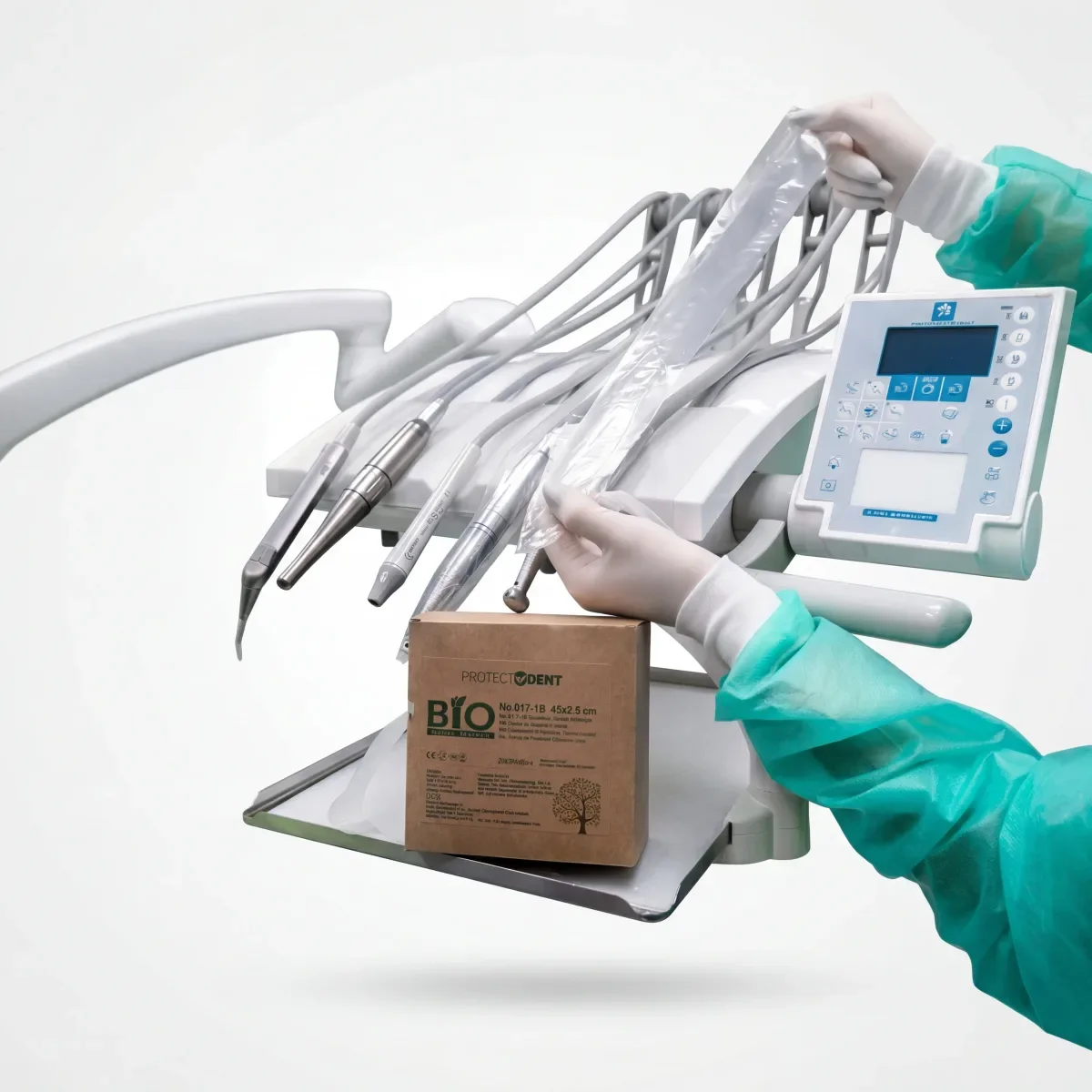
None of that touches the disposable barrier sleeves and film you reorder for sensors, cameras, bite blocks or handpieces, because that product category isn't PVC in the first place. Two separate FDA clearance filings for barrier sleeve products — different manufacturers, different device types — both specify polyethylene film as the material: one lists "30% LDPE, 70% LLDPE," the other "low-density polyethylene film." DEHP has no role in polyethylene. It isn't added to it, and it doesn't need to be, because PE doesn't need a plasticizer to stay flexible the way PVC does. So a REACH Authorisation List update for DEHP, with its new 2029 and 2030 dates, isn't a compliance item for your sleeve or film supply, whichever brand you buy from.
What to check
- If a supplier bulletin or trade newsletter cites this REACH entry, check which of their actual products use flexible PVC before treating it as relevant to a reorder — most disposable barrier film and sleeves won't.
- A barrier product's own documentation usually states the material. "Polyethylene" or "PE" is the norm for this category, a different polymer family from PVC entirely.
- If your practice does use flexible PVC elsewhere — certain tubing or line components not sold as barrier sleeves — this extension gives manufacturers until 2029–2030 before anything about that specific chemical has to change.
- There's no reason to pay more for a sleeve marketed as "DEHP-free." If the film is polyethylene, as it normally is for this product type, it was never a DEHP product to begin with.
Frequently asked questions
Does the EU's DEHP deadline extension affect my barrier sleeve or sensor cover orders?
No. DEHP is only used to soften flexible PVC, and disposable barrier sleeves and film are made of polyethylene, based on their FDA clearance filings — a different plastic that doesn't use DEHP.
What did Commission Regulation (EU) 2023/2482 actually change?
It moved two REACH Authorisation List deadlines for DEHP in medical devices: the latest application date from 27 November 2023 to 1 January 2029, and the sunset date from 27 May 2025 to 1 July 2030.
What is DEHP used for in medical devices?
It's a plasticizer added to PVC to keep it soft and flexible. It's commonly used in flexible PVC items such as medical tubing and blood storage bags.
Should I switch to "DEHP-free" barrier sleeves to be safe?
There's no need if the sleeve is already polyethylene, which is standard for this product category — it was never a DEHP item.
Sources
- Toxicological Profile for Di(2-Ethylhexyl)Phthalate (DEHP) — Agency for Toxic Substances and Disease Registry (ATSDR/CDC), 2026-10-21
- EU amendment on REACH Authorization List: DEHP in medical devices — TÜV SÜD, 2026-10-21
- 510(k) Summary: Plasdent Disposable Barrier Sleeves and Barrier Film (K201604) — U.S. Food and Drug Administration, 2026-10-21
- 510(k) Summary: Minitube Dentasleeve Protective Barrier Sleeves (K211026) — U.S. Food and Drug Administration, 2026-10-21