The Cleaning Instructions on Your Sensor Box Just Became a Listed Hazard
Why this matters now
Every year, ECRI — the independent nonprofit that reviews health-technology safety for hospitals and clinics — publishes a ranked list of the hazards it thinks health care should watch most closely. For 2026, "Deficient Device Cleaning Instructions" made the list at number seven. The finding isn't about staff cutting corners. ECRI reports "wide variation in the content, quality, and feasibility of the reprocessing instructions provided by product manufacturers," and warns that failing to properly clean, disinfect or sterilize a reusable device "can lead to the spread of infection, device damage, and other forms of harm."
Intraoral sensors, cameras and handpieces are exactly the devices this applies to: semicritical equipment that touches mucous membranes, often can't tolerate an autoclave cycle, and depends entirely on whatever instructions came in the box.
What actually changed
Nothing in the underlying law changed this year — the obligation on manufacturers has existed for a while. What's new is that a respected, independent patient-safety body has named the gap between that obligation and what practices actually receive as one of the top technology hazards of 2026.
The obligations themselves:
- In the EU, Annex I of the Medical Device Regulation (2017/745) requires that, for any reusable device, the instructions for use cover "the appropriate processes for allowing reuse, including cleaning, disinfection, packaging and, where appropriate, the validated method of re-sterilisation appropriate to the Member State or Member States in which the device has been placed on the market" — and must state when to stop reusing the device, based on things like material degradation or a maximum number of cycles.
- In the US, the FDA has required, since its 2015 guidance, that manufacturers validate reprocessing instructions against six specific criteria and, for higher-risk devices, submit validation data showing the instructions work reliably. The CDC has separately told dental providers that instructions for devices cleared before 2015 "may not be consistent with state-of-the-art science" and may not actually ensure a device ends up clean, disinfected or sterile.
Neither requirement is new. What ECRI is flagging is that compliance with it is inconsistent enough, across manufacturers and device categories, to be a live patient-safety risk in 2026.
What this means in the operatory
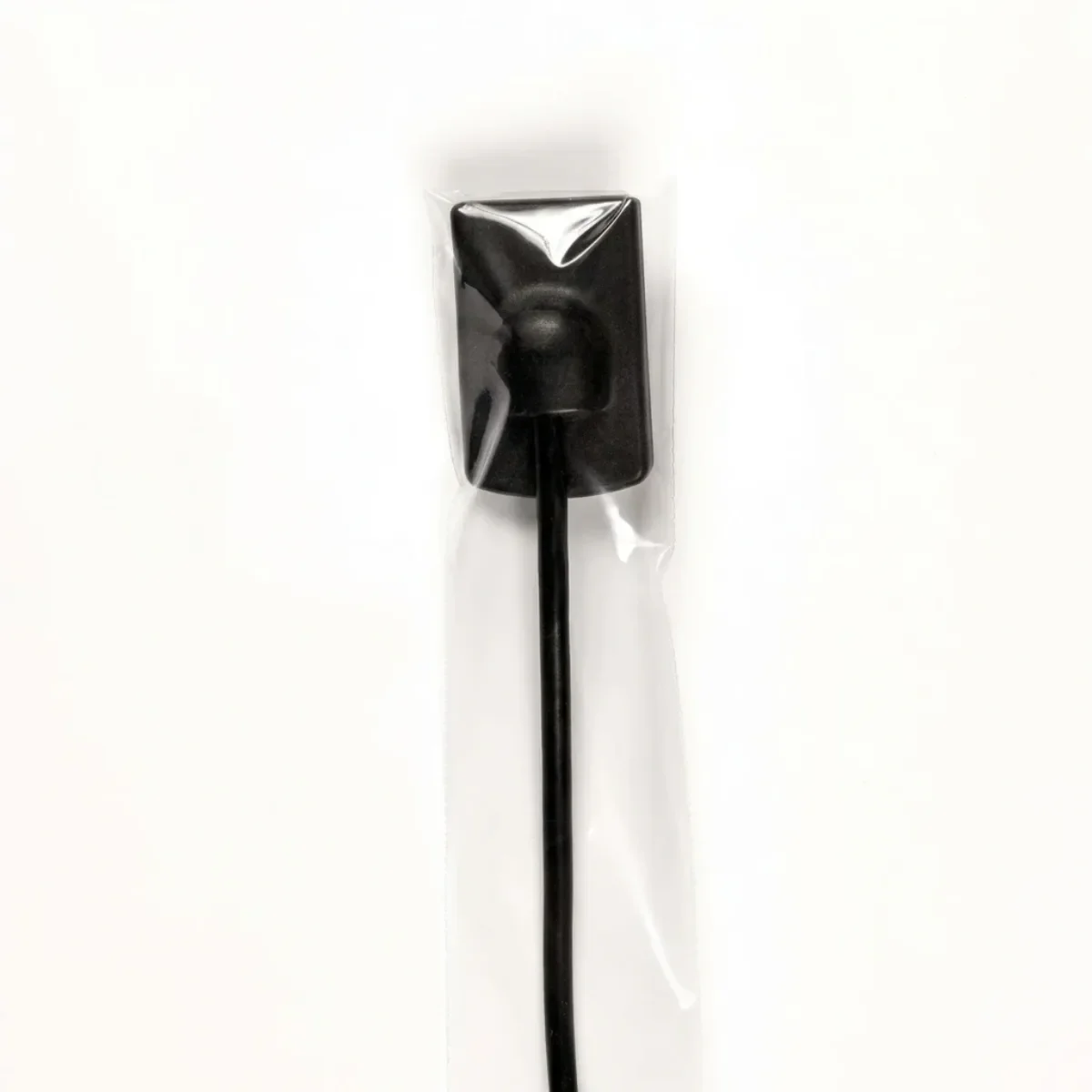
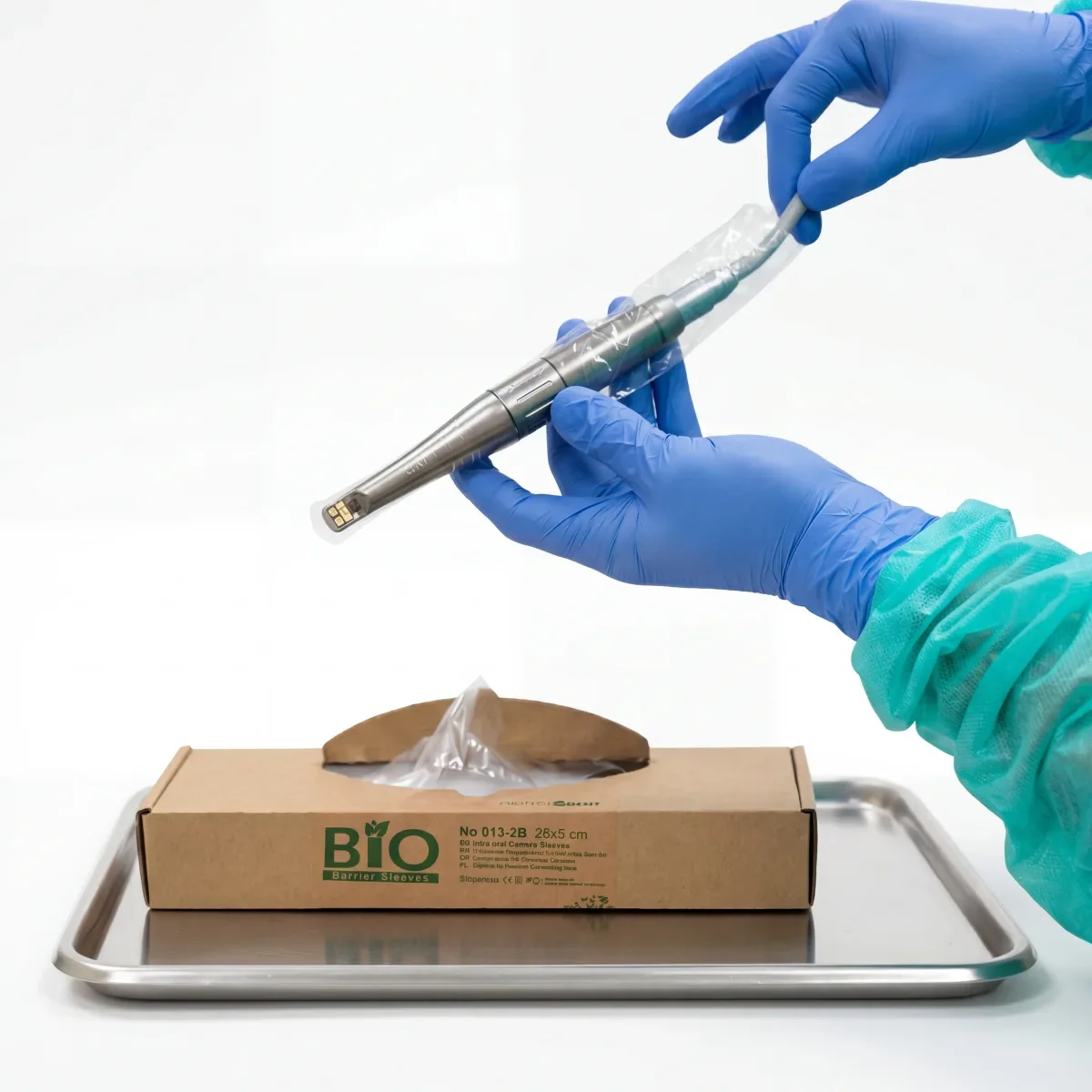
A barrier sleeve on a sensor or a camera reduces what needs cleaning between patients. It does not replace whatever the manufacturer's instructions for use specify for that device's own periodic disinfection — and if those instructions are vague, a sleeve doesn't fix that.
Concretely:
- If your sensor, camera or handpiece was cleared before 2015 on the US market, or you can't find a specific, validated reprocessing method in its instructions for use, that's worth raising with the manufacturer directly — CDC's own advice, not something to assume is fine because "that's how we've always done it."
- A spec sheet that just says "autoclavable" or "wipe clean" is not the same as a validated instruction with a stated contact time, temperature or disinfectant concentration. MDR Annex I requires the latter for any reusable device sold in the EU.
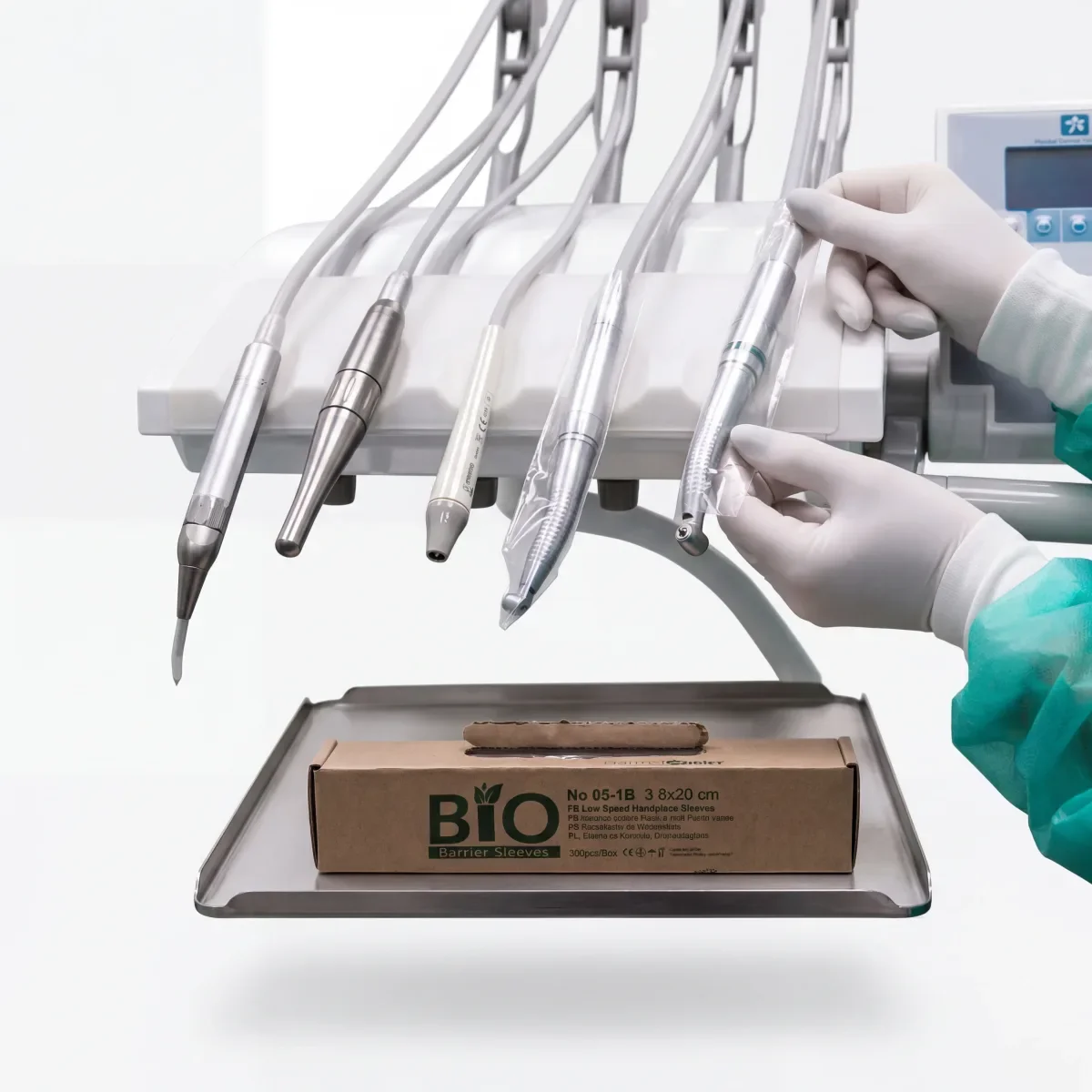
- This applies to more than sensors and cameras. Ultrasonic scalers, handpieces and any other semicritical reusable device on your tray carry the same requirement, and the same risk if the paperwork is thin.
What to check
- Pull the current instructions for use for your intraoral sensor, intraoral camera and handpieces. Does it name a specific disinfectant, contact time and temperature, or does it just say "clean thoroughly"?
- Check the clearance or CE date. Equipment cleared in the US before 2015 may predate the FDA's current validation criteria.
- Before your next purchase, ask your equipment rep to show you the validated reprocessing method, not just the word "autoclavable" on a brochure.
- If you replace equipment because its reprocessing instructions fall short, confirm the barrier sleeves you already stock are still rated for the new model before you reorder.
Frequently asked questions
What did ECRI name as a health technology hazard for 2026?
Deficient device cleaning instructions — inconsistent quality in the reprocessing instructions manufacturers provide for reusable medical devices. It ranked seventh on ECRI's 2026 Top 10 Health Technology Hazards list.
Does EU law require manufacturers to give reprocessing instructions for reusable dental equipment?
Yes. Annex I of the Medical Device Regulation requires the instructions for use of any reusable device to cover cleaning, disinfection, packaging and, where applicable, a validated re-sterilisation method, plus when to stop reusing the device.
Does a barrier sleeve replace those manufacturer instructions?
No. A sleeve reduces what needs cleaning between patients on devices that can't be heat-sterilized. It doesn't substitute for the manufacturer's own validated reprocessing method for the device itself.
How do I know if my equipment's cleaning instructions are outdated?
In the US, check whether the device was cleared before 2015 — CDC has said instructions for devices cleared before then may not meet current FDA validation criteria. In the EU, check whether the instructions for use name a specific validated method rather than general wording like "clean thoroughly."
Sources
- Examining the Greatest Health Technology Threats of 2026 — ECRI, 2026-09-28
- CDC Statement on Reprocessing Dental Handpieces — CDC, Division of Oral Health, 2026-09-28
- Reprocessing of Reusable Medical Devices: Information for Manufacturers — U.S. Food and Drug Administration, 2026-09-28
- Regulation (EU) 2017/745, Annex I, Chapter III, Section 23.4 — UK National Archives (retained text of EU Regulation 2017/745), 2026-09-28