Your Scanner Tip Is Sterile. What About Everything Else You Touch?
Why this matters now
Chairside CAD/CAM scanners aren't a niche purchase anymore. Practices use them for same-day restorations, orthodontic records, aligner cases and routine digital impressions, often standing next to the equipment they already have rather than replacing it. That means a new handheld device is now part of the between-patient routine, and it's worth being clear about which part of the hygiene chain the manufacturer already solved and which part is still on the practice.
What actually changed
Nothing changed in the underlying rule. What changed is that this equipment category is now common enough that the barrier-protection question — which used to come up mainly for handpieces and intraoral cameras — now applies here too.
The framework itself is old and still holds. The ADA sorts dental equipment into two practical categories: semicritical items, which contact mucous membranes and "should be heat-sterilized whenever possible, or high-level disinfected," and noncritical items, which "may be barrier-protected, and should be disinfected using an intermediate-level tuberculocidal hospital disinfectant between patients," according to the ADA's guidance on infection control and sterilization.
A scanner's tip is semicritical — it goes in the mouth. Manufacturers built for that. Planmeca's Emerald S, for example, uses autoclavable scanning tips designed to be heat-sterilized between patients, with interchangeable options for different mouth sizes and clinical uses. That part of the hygiene chain is genuinely solved by design.
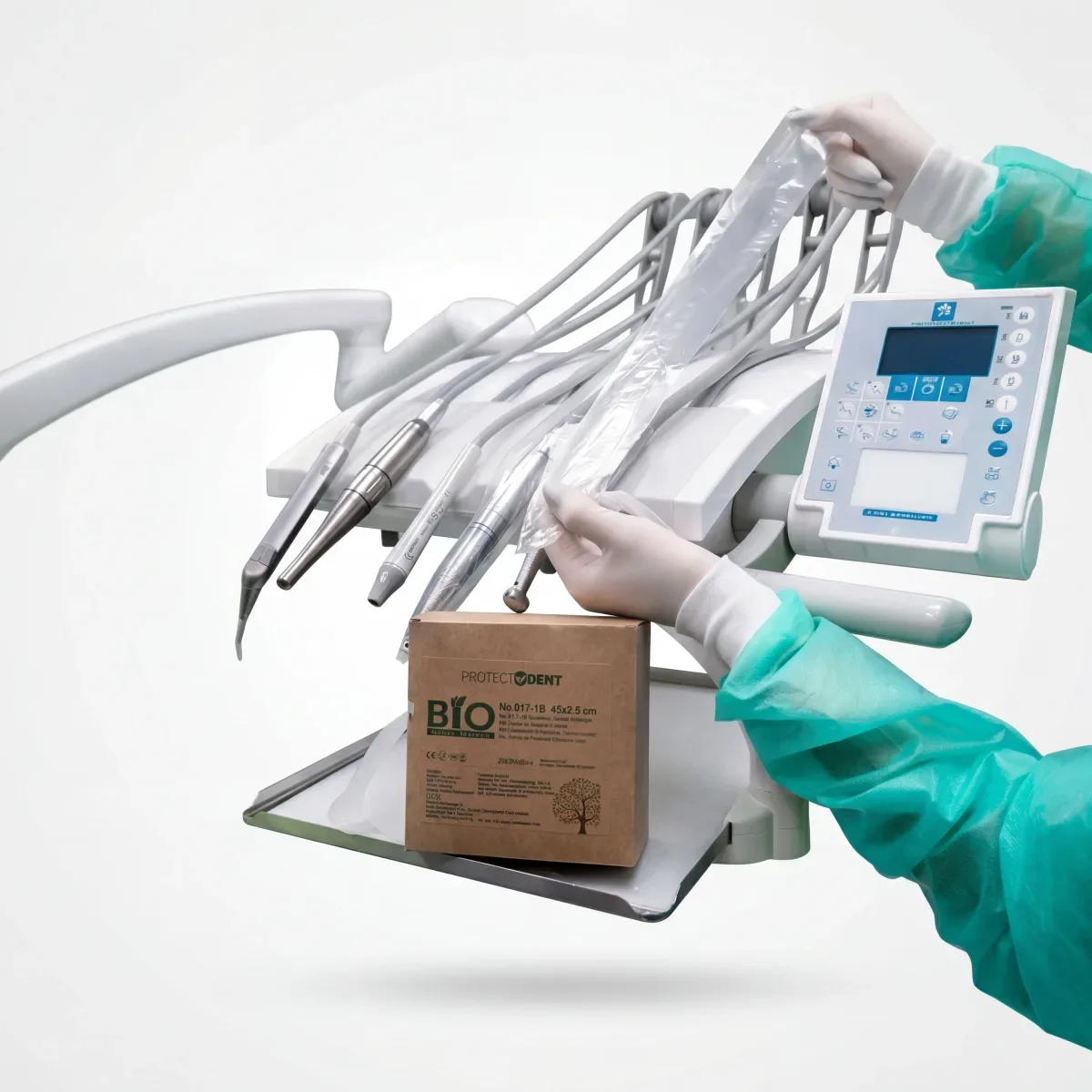
Everything else the operator's hand touches during a scan is noncritical — and noncritical does not mean unimportant, it means the rule for it is different. One university infection-control manual lays out the actual routine in plain terms: scanner tips are sterilized between patients, while the wand body and cord get wiped with an intermediate-level disinfectant using a wipe-discard-wipe technique. The lens is handled separately again — disinfectant is kept off it, and it's cleaned with a lint-free glass wipe instead.
What this means in the operatory
In practice, a scan touches more surfaces than the tip:
- The wand handle and cord, which get gripped and repositioned throughout the scan.
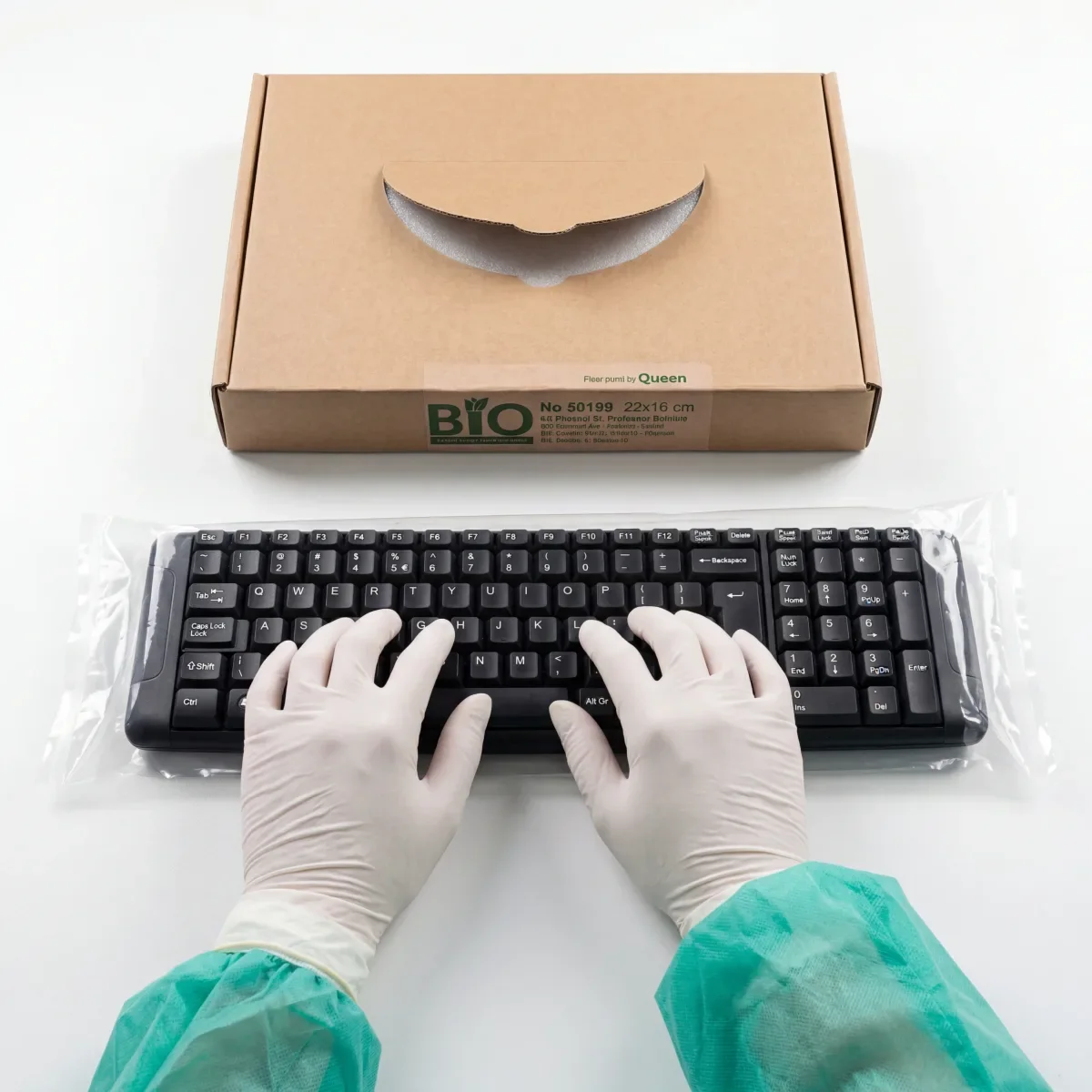
- The cart or laptop keyboard, if the operator types a note or patient ID mid-appointment.
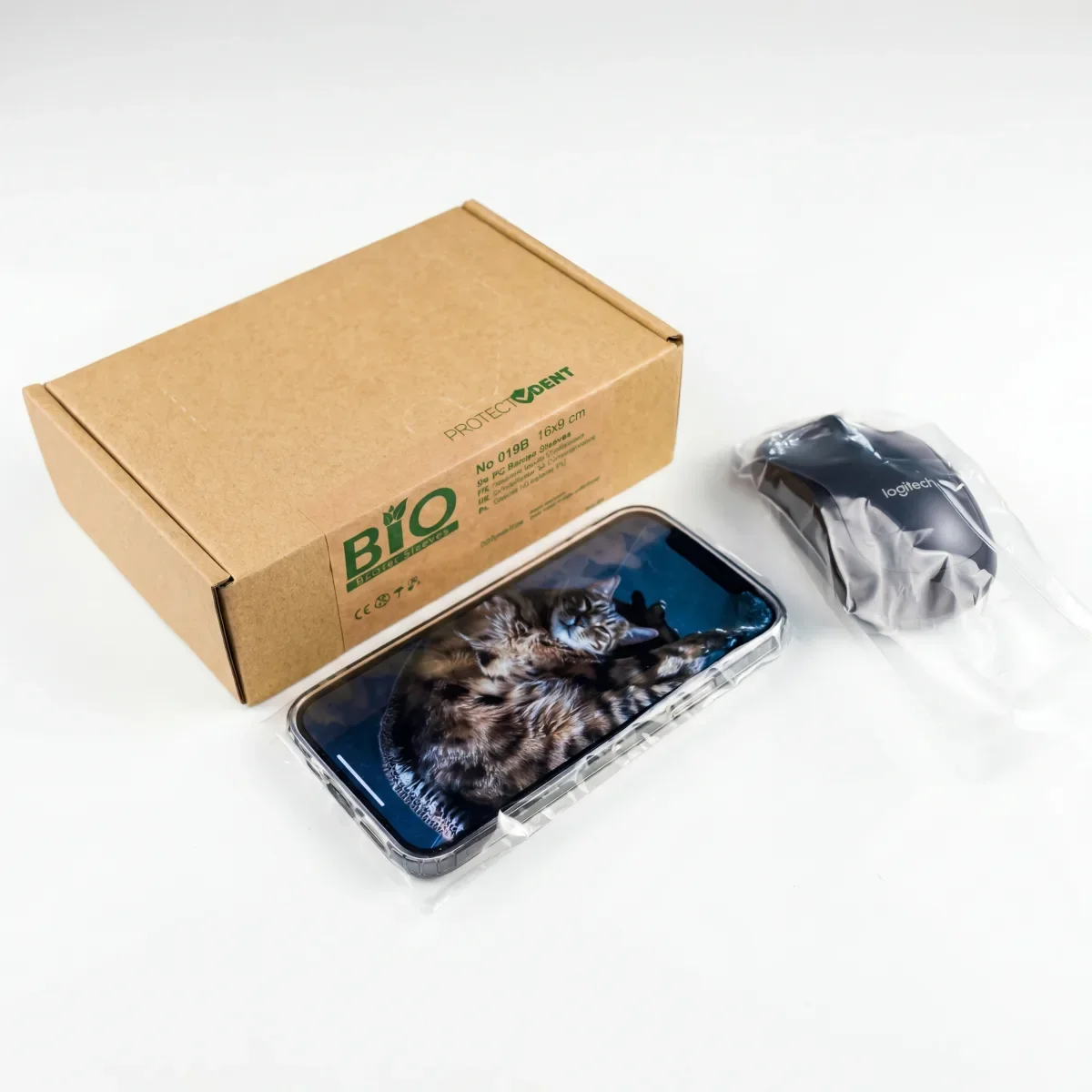
- The mouse, trackpad or tablet used to review the model and confirm the scan.
- The cart handle itself, if it's wheeled between operatories.
None of these are semicritical in the ADA sense — nobody is putting a keyboard in an autoclave — but they're all hand-contact surfaces touched between patients, sometimes with gloved hands mid-procedure. The ADA's guidance on noncritical items gives two options: disinfect between patients, or cover with a barrier and swap the barrier instead. For equipment that gets touched repeatedly during a single appointment — a keyboard queried three or four times while reviewing a scan — a barrier that gets replaced in seconds is often more realistic than a full wipe-disinfect-dry cycle every time.
This isn't a scanner-specific rule. It's the same logic that already applies to keyboards, mice and cables anywhere else in the operatory. The scanner just adds one more workstation where it needs to be applied consistently, instead of assumed to be covered because the tip is sterile.
What to check
- Confirm which parts of your scanner are actually semicritical (go in the mouth) versus noncritical (touched by hands only) — the manufacturer's instructions for use will say.
- Check that scanner tips are being sterilized between every patient, not just wiped, and that the sterilizer cycle matches what the instructions specify.
- Look at what's actually touched during a scan — cart keyboard, mouse, tablet, cord — and decide barrier or disinfect-between-patients for each, rather than assuming one covers the other.
- If a barrier is the answer, replace it between patients like any other sleeve. A barrier left in place across appointments isn't doing the job.
We make barrier sleeves for keyboards, mice, tablets and equipment cables for exactly this reason: the parts of a digital workflow that don't go in an autoclave still need a plan.
Sources
- Infection Control and Sterilization — American Dental Association, 2026-08-22
- Adams School of Dentistry Infection Control Manual — Chapter 12: Equipment, Impressions, & Laboratory Considerations — UNC Adams School of Dentistry, 2026-08-22
- Planmeca Emerald S Intraoral Scanner — Patterson Dental, 2026-08-22