What an IP68 Rating on Your Sensor Doesn't Tell You
Why this matters now
More intraoral sensor spec sheets now carry an IP rating — IP67 or IP68 — next to the resolution and pixel-size numbers. Vatech markets its EzSensor HD and EzSensor Soft as IP68, describing "complete protection against dust and water." Read quickly, that looks like a hygiene credential. It isn't one. IP68 comes from an electrical-enclosure standard, not an infection-control standard, and the same manufacturers who print it on a spec sheet still hand out a short, named list of approved disinfectants, with warnings about what happens if you use the wrong one.
What the IP code actually tests
IEC 60529, "Degrees of protection provided by enclosures (IP Code)," is the international standard behind the rating. It classifies how well an enclosure for electrical equipment resists solid objects and water ingress under defined laboratory conditions. An IP68 claim says the housing kept dust and water out during that specific test. It says nothing about:
- Resistance to the chemicals in an EPA-registered dental disinfectant, as opposed to the clean water used in the standard's ingress test
- What happens to a housing or coating after hundreds of wipe-downs or immersions over the sensor's working life
- Whether the rating extends past the sensor head to the cable and USB connector, or applies to the whole assembly
What this means in the operatory
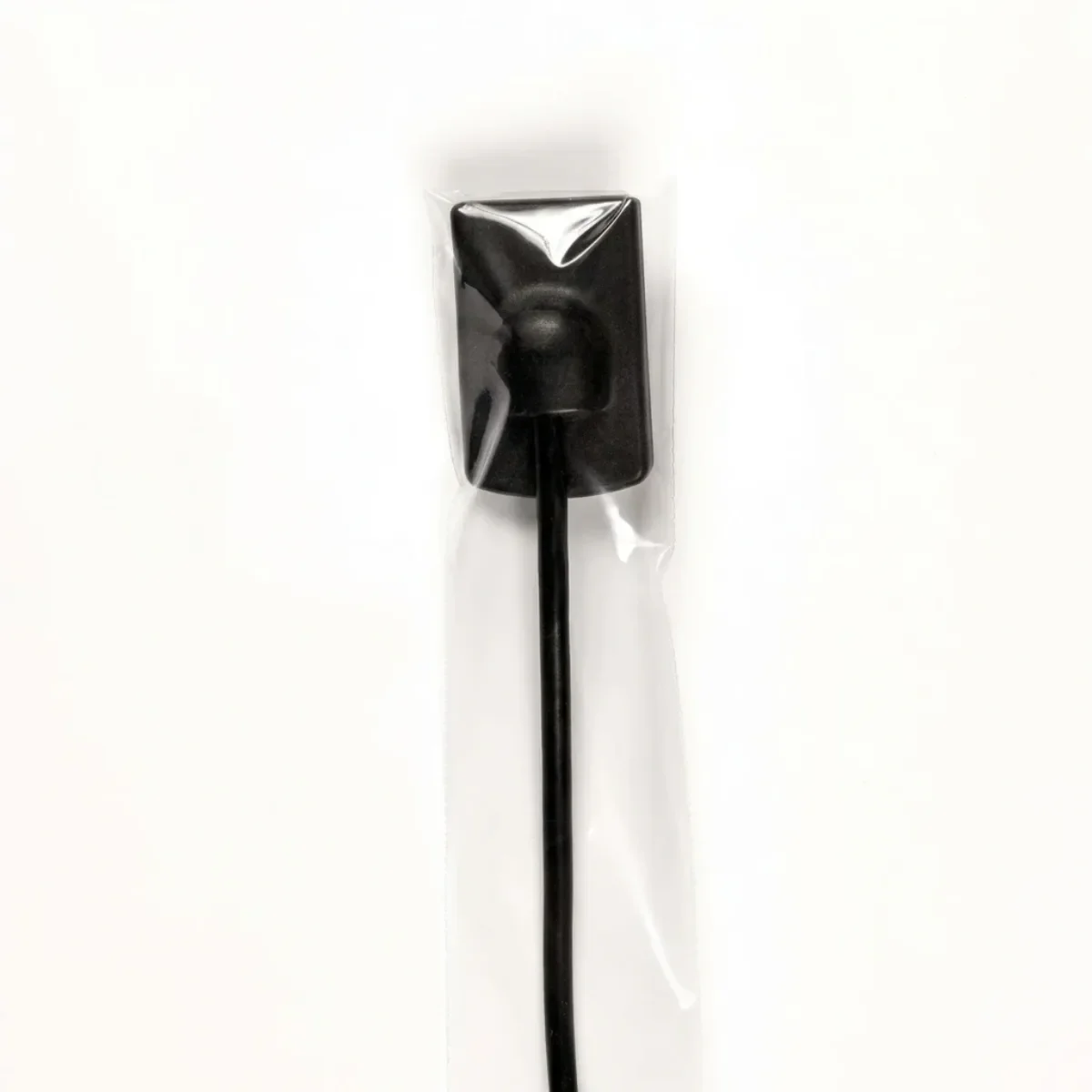
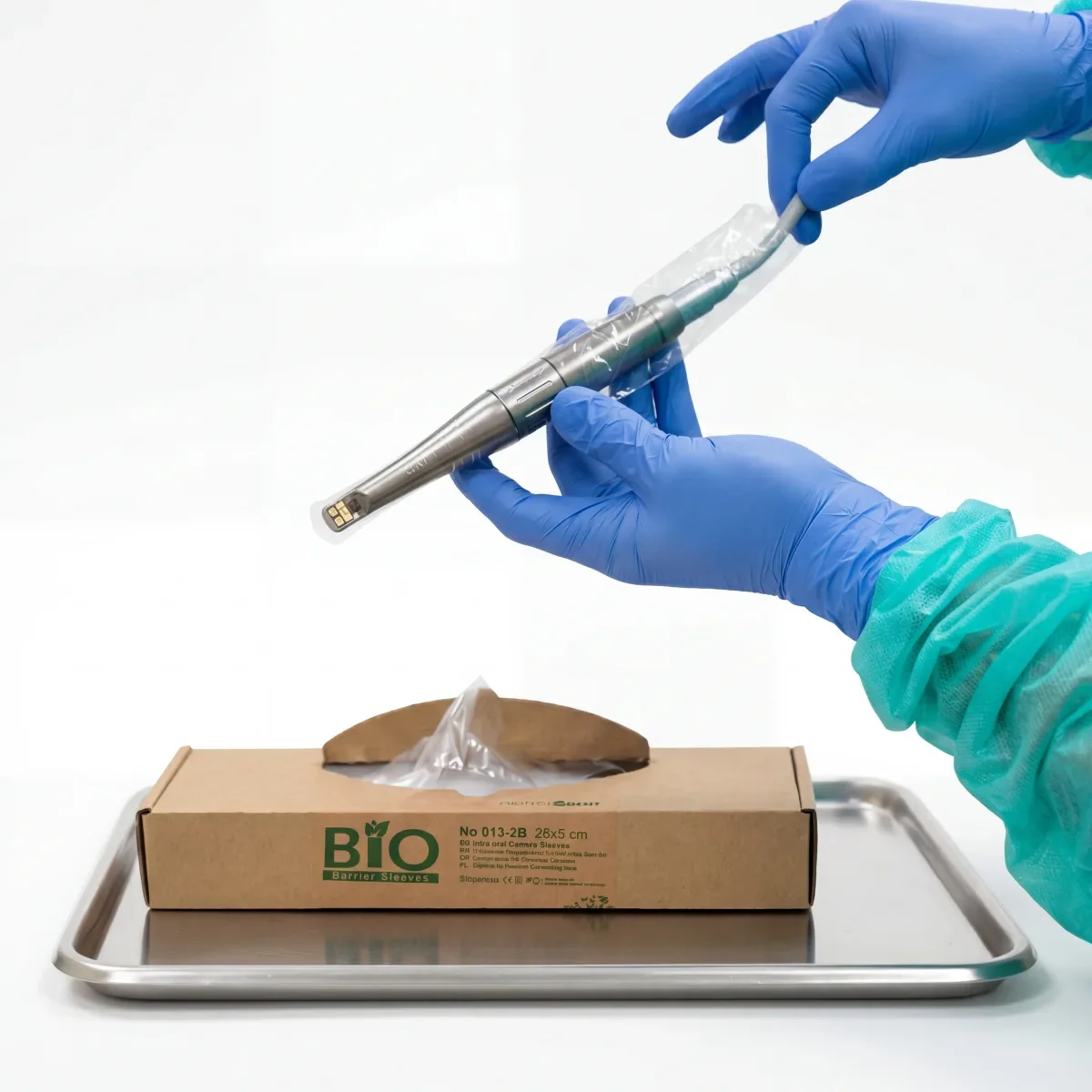
CDC's infection-control guidance for dental settings classifies digital radiography sensors as semicritical devices — the same category as mouth mirrors and impression trays — because they contact mucous membranes. That classification doesn't change based on the sensor's own ingress rating. The requirement is to protect the sensor with an FDA-cleared barrier during use, then clean and heat-sterilize or high-level disinfect it between patients, or, at minimum, protect it with an FDA-cleared barrier and clean and disinfect it with an EPA-registered, intermediate-level (tuberculocidal) disinfectant. Nothing in that requirement is waived by a water-ingress rating. A sensor that can survive full submersion in the IEC test still needs the barrier and still needs the between-patient disinfection step.
Meanwhile, the manufacturers selling these IP-rated sensors publish disinfectant lists that are considerably narrower than "waterproof" suggests. Dentsply Sirona's cleaning instructions for Schick sensors name specific approved products — Cavi-Wipes (original), 70% isopropyl, Cavicide (original), Prospray, VoloWipes — and explicitly flag that similarly named products are not approved: "Not Cavi-Wipes1," "Not Cavicide1." The instructions open with a direct warning that unapproved disinfectants "may produce issues with the physical appearance of the product and potentially its operation," and separately warn against exposing the USB and connector contacts to liquid at all, regardless of the housing's rating. None of that caution appears on a spec sheet that just lists "IP68."
What this changes when you're comparing sensors
Two sensors from different brands can both carry an IP68 badge and still differ completely on which disinfectants they tolerate, how the cable is rated, and whether the connector needs special handling. When a buying decision comes down to two similarly specified sensors, the ingress rating is not the differentiator — it answers a water-and-dust question both products have already passed. The differentiator is the manufacturer's actual disinfectant-compatibility list and cable-handling instructions, which is a separate document from the spec sheet and worth reading before you order, not after a cable fails.
What to check
- Pull the device-specific cleaning and disinfection document for your sensor model, not just the marketing spec sheet, before you add or change a disinfectant.
- Match the disinfectant you buy to the exact product name and formulation the manufacturer lists — "original" and reformulated versions of the same brand are not interchangeable.
- Keep the FDA-cleared barrier in the protocol regardless of the ingress rating the sensor carries; CDC's semicritical classification has no IP-rating exception.
- Confirm separately whether the rating covers the cable and connector or only the sensor head — manufacturer instructions can warn against wetting the connector even on a sensor marketed as waterproof.
Frequently asked questions
Does an IP68-rated sensor still need a barrier sleeve?
Yes. CDC guidance classifies digital radiography sensors as semicritical devices that need an FDA-cleared barrier during use, plus cleaning and sterilization or high-level disinfection — or at minimum an EPA-registered intermediate-level disinfectant — between patients, regardless of the sensor's ingress rating.
What does an IP68 rating actually test?
IP68 comes from IEC 60529, the international standard for degrees of protection provided by enclosures. It measures how a housing resists dust and water ingress under defined laboratory conditions — it is not a disinfectant-compatibility or infection-control certification.
Can I use any EPA-registered disinfectant on a waterproof sensor?
No. Manufacturers publish disinfectant lists by exact product name. Dentsply Sirona's instructions for Schick sensors name approved products such as Cavi-Wipes (original) and Cavicide (original), and explicitly warn that similarly named products are not approved and may damage the sensor.
Does the IP rating cover the sensor's cable and connector too?
Not necessarily. Manufacturer cleaning instructions can warn against exposing the USB or connector contacts to liquid even when the sensor body itself is marketed as waterproof — check the device-specific document rather than assuming the rating covers the whole assembly.
Sources
- Sterilization and Disinfection — Dental Infection Prevention and Control — CDC, 2026-10-02
- EzSensor HD — Intra-oral Imaging Systems — VATECH, 2026-10-02
- Cleaning & Disinfecting Intraoral Sensors — Dentsply Sirona, 2026-10-02
- IEC 60529:1989+AMD1:1999+AMD2:2013 CSV — Degrees of protection provided by enclosures (IP Code) — International Electrotechnical Commission, 2026-10-02