Phosphor Plates Need More Than a Barrier Envelope Between Patients
Why this matters now
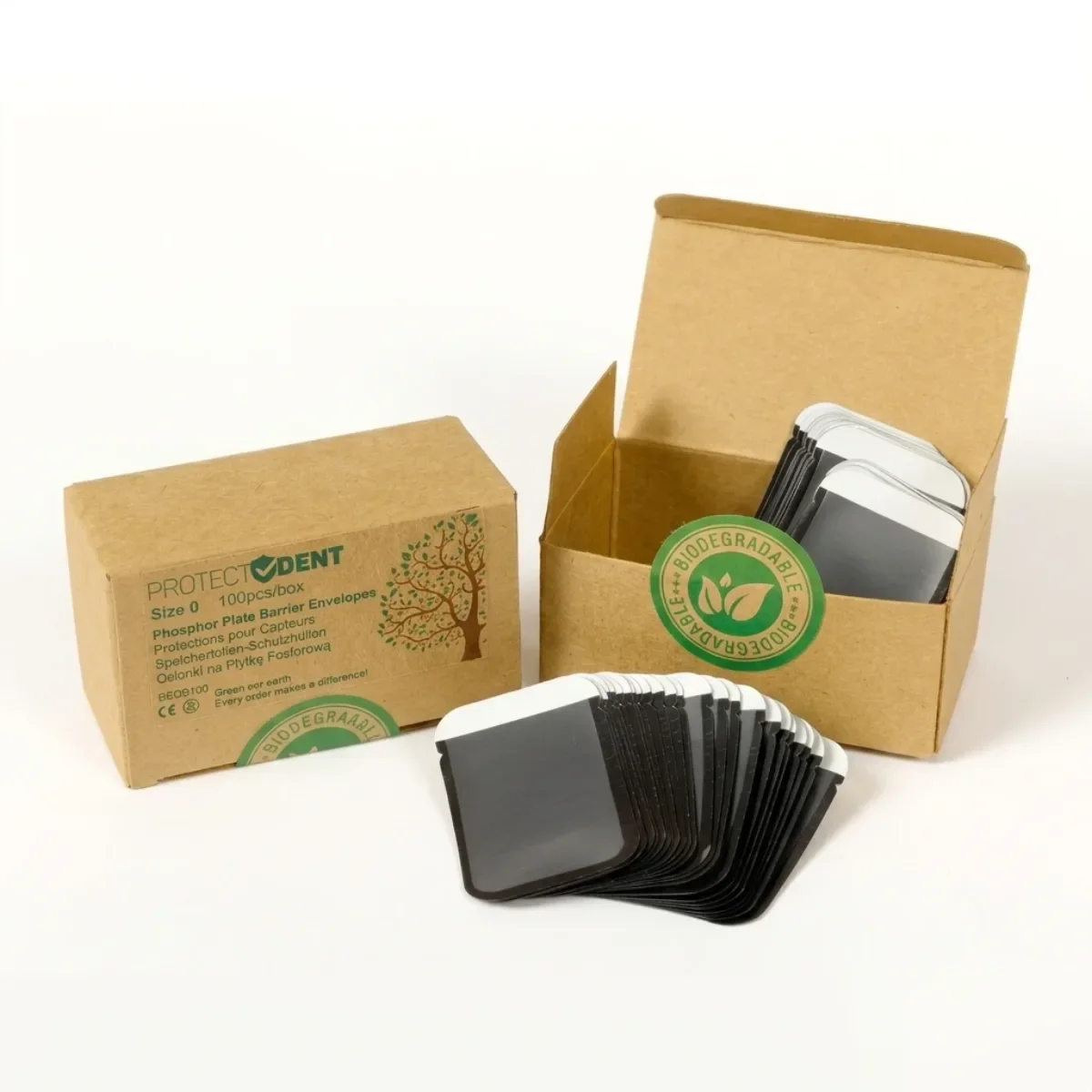
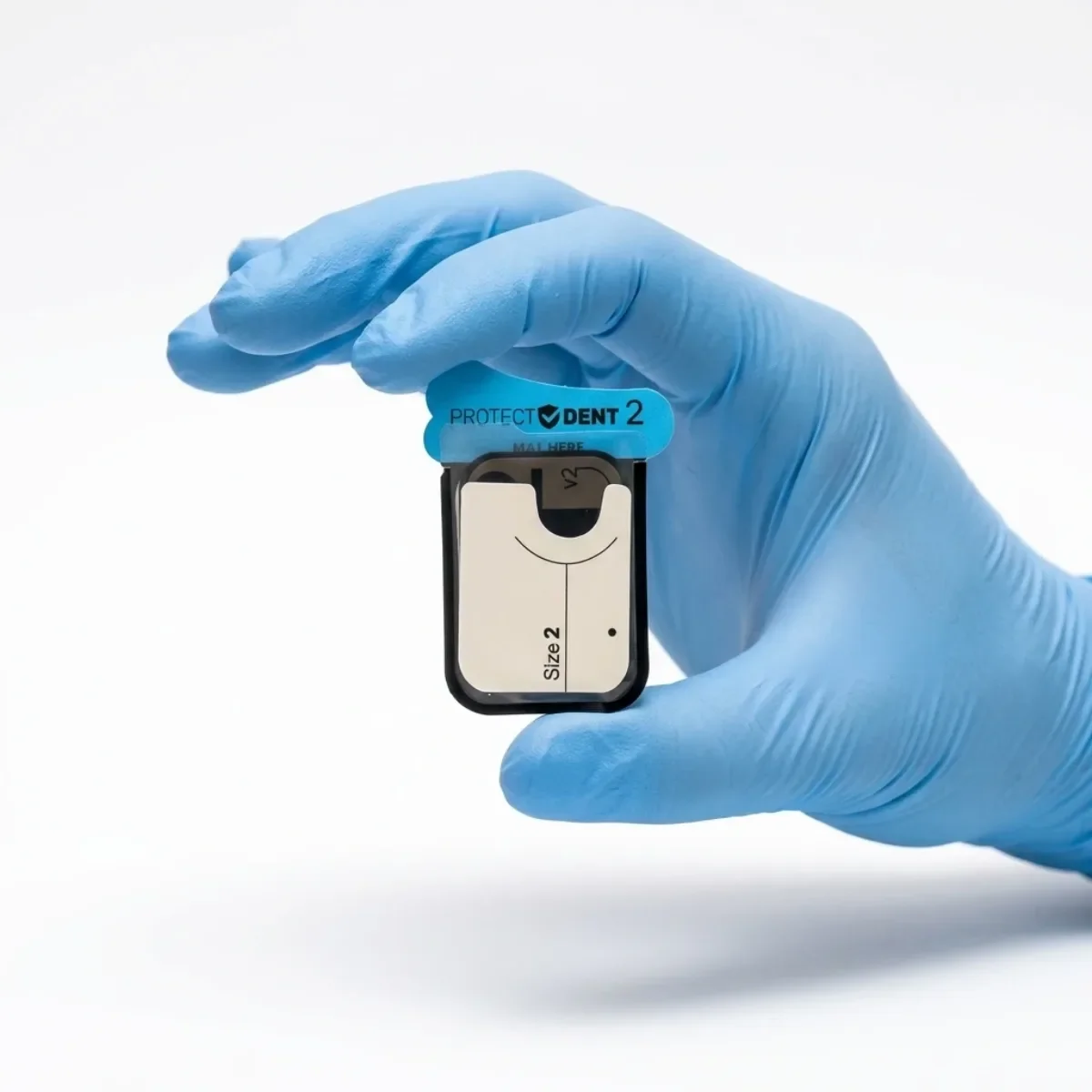
Photostimulable phosphor (PSP) plates are still the imaging sensor of choice in many practices running Vatech, Carestream, Dexis or Dentsply Sirona systems on wired or older digital setups. Unlike metal instruments, a PSP plate cannot go in the autoclave. The barrier envelope is the only thing standing between the plate and the patient's mouth — but peer-reviewed research and current CDC guidance both make the same point: the envelope is not the whole protocol. What happens in the moments after it comes off the plate matters just as much.
What actually changed — what the research found
CDC's dental infection control guidance, last updated in May 2024, classifies digital radiography sensors as semicritical items. Its default recommendation is to protect the item with an FDA-cleared barrier during use, then clean and heat-sterilize or high-level disinfect it between patients. Where sterilization isn't possible, the fallback is a barrier plus cleaning and disinfection with an EPA-registered intermediate-level (tuberculocidal) disinfectant between every patient. The guidance is explicit that manufacturer instructions for reprocessing should be the final word, because devices vary.
A peer-reviewed study in the Journal of the Canadian Dental Association looked at exactly how PSP plate barrier envelopes fail in practice. Researchers evaluated 52 barrier envelopes after clinical use:
- 4 envelopes (7.7%) had integrity defects — damage from forceps or a sealing failure at the edge.
- Of those 4 defective envelopes, 3 (75%) showed bacterial contamination on the plate underneath.
- Even among the 44 envelopes that sealed and came off cleanly, 3 (6.8%) still showed contamination the researchers could not fully explain.
- The same paper cites earlier research finding contamination rates of 56–61% in practices relying on weekly gas sterilization instead of single-use barriers.
The researchers traced contamination to three specific routes: perforation of the barrier itself, incorrect sealing at the edges, and contact with the envelope's edge during removal for scanning.
What this means in the operatory
None of this is an argument against barrier envelopes — they clearly reduce contamination compared with no barrier at all. It's an argument for treating the envelope as step one of a protocol, not the whole protocol:
- The plate still needs disinfection after the envelope comes off and before it goes into a new one. Skipping that step because "it was bagged" is the exact gap both the CDC guidance and the study point at.
- Rebagging should happen away from contaminated gloves and surfaces. The study calls this aseptic placement, and it's the same point where edge contact during removal causes damage.
- A quick visual check of a sealed envelope before it reaches the clinician catches wrinkles, perforations and sealing defects before they become the patient's problem, not after.
- Whoever handles the plate between patients — dispensary staff, a radiography assistant, the clinician — should know this is part of the job, rather than assuming barrier-in, barrier-out is the complete cycle.
What to check
- Does your written protocol include a disinfection step between envelope removal and rebagging, or does it stop at "place in barrier"?
- Are envelope seals checked before the plate goes into the patient's mouth, not just noticed if they fail afterward?
- Is rebagging done somewhere clean, away from surfaces or gloves that have touched the previous patient?
- Does your current envelope stock hold up to your actual handling volume — forceps use, repeated removal, storage — without the seal or edge failing?
We supply the barrier envelopes; we don't decide your disinfection protocol. But the plate size, material weight and seal design in your stock room are part of how many of those envelopes make it through a full shift intact.
Sources
- Infection Control in Digital Intraoral Radiography: Evaluation of Microbiological Contamination of Photostimulable Phosphor Plates in Barrier Envelopes — Journal of the Canadian Dental Association, 2026-08-18
- Sterilization and Disinfection — Dental Infection Prevention and Control — CDC, 2026-08-18