Patient Changeover: Hand Hygiene and Gloves Before the Barrier
The moment between two patients
Most infection-control checklists are written around the big events: the instrument cycle, the surface wipe, the waterline. The smaller moment is easier to get wrong on a busy day. It is the handover from one patient to the next, when gloves come off, barriers come off, and new ones go on.
The CDC's dental summary on standard precautions is short on this point. It says that "Hand hygiene is the most important measure to prevent the spread of infections among patients and DHCP." It then lists when to do it, including "Before and after treating each patient" and "Before putting on gloves and again immediately after removing gloves."
What the guidance actually says
Put the three sources side by side and the rules are consistent:
- Gloves are single use. The CDC says: "Do not wash gloves. Gloves cannot be reused." Its PPE FAQ adds that a new pair should be used for each patient, and that a glove with a tear, cut or puncture should be changed as soon as possible.
- Hands before and after gloves. The CDC PPE FAQ says hand hygiene should be performed immediately before putting on and after removing gloves, and that hands should be dry before gloving.
- Soap or rub depends on the hands. The ADA says soap and water should be used when hands are visibly dirty or soiled by body fluids, and that when hands are not visibly soiled, an alcohol-based hand sanitizer is the preferred method.
- Regloving counts. The ADA lists hand hygiene "anytime they reglove or remove gloves that are torn, cut, or punctured", and "before leaving the dental operatory".
- Surgery is different. For surgical procedures both sources call for a surgical hand scrub before sterile gloves.
None of these pages mentions barrier sleeves or surface covers. The CDC page only lists "Clean and disinfected environmental surfaces" as a standard precaution and advises limiting the surfaces touched while wearing PPE. So what follows about barriers is a suggestion for your own protocol, not something the guidance prescribes.
Where barriers meet the glove change
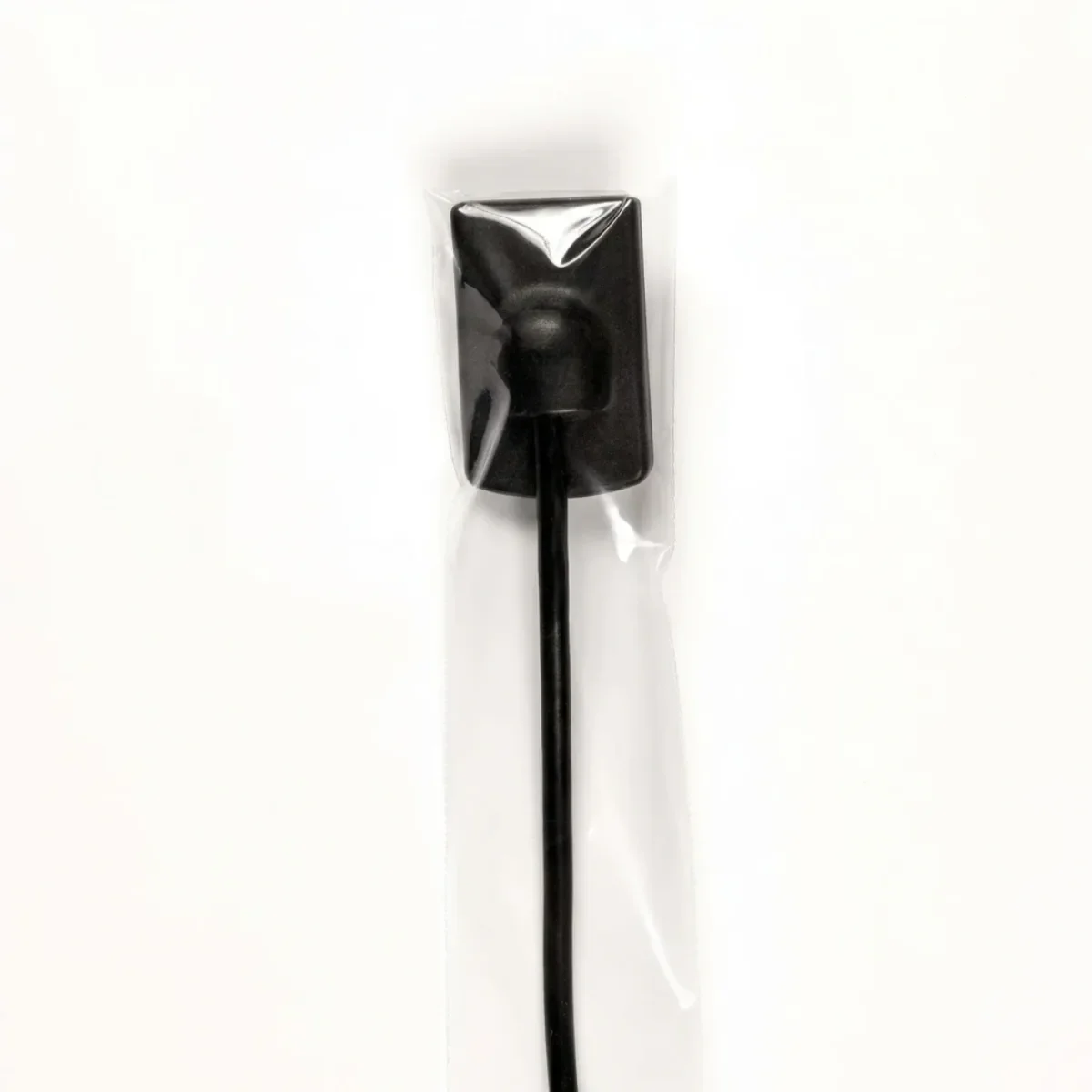
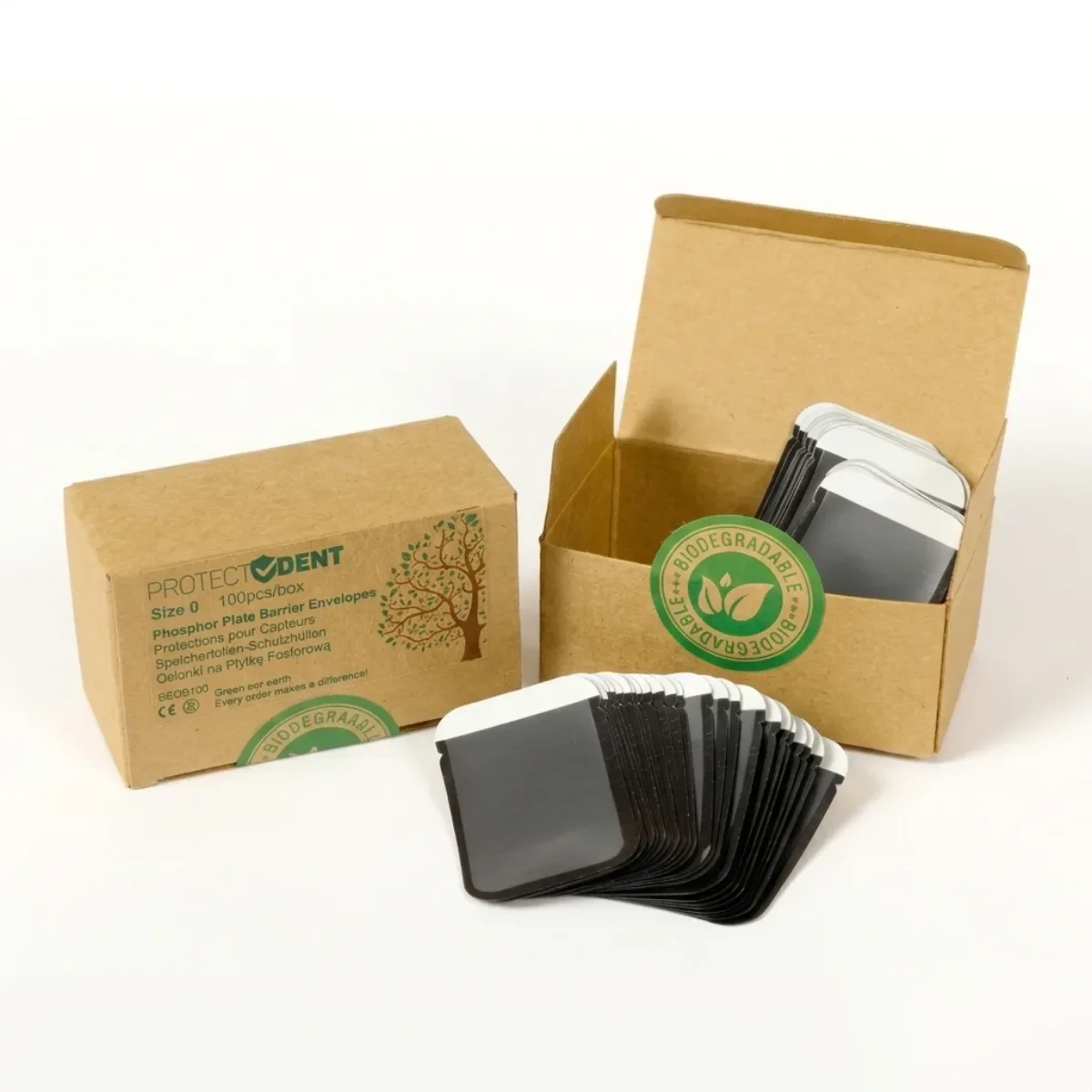
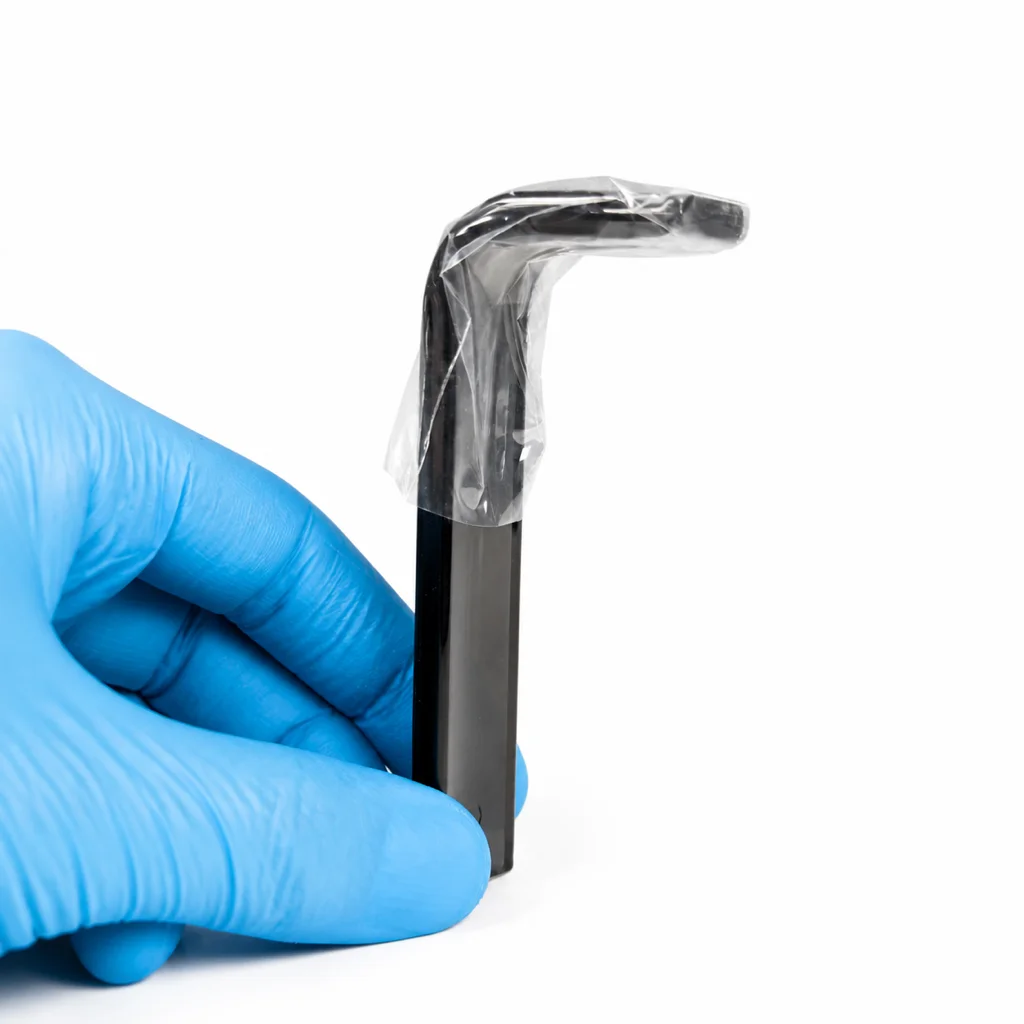
A sensor sleeve, a plate cover or a bite block sleeve is removed after the exposure and discarded. That removal is usually done with gloved hands that have just touched a patient's mouth area. The practical question is the order of events in your own operatory, and whether everybody follows the same one.
A written order is easier to teach than a habit. One way to set it out, to adapt to your own protocol and local rules:
- Remove and discard the used barrier items, then the gloves.
- Perform hand hygiene, and let hands dry.
- Put on new gloves for the next patient.
- Open the new barrier items only when they are going to be used, so they are not handled with soiled gloves.
The last step is our practical suggestion about handling, not a rule from the sources above. It does mean the box of sleeves and covers needs a sensible place in the operatory, within reach of clean hands.
A five-minute check for Monday
- Watch one changeover from start to finish. Do gloves come off before or after the barrier is discarded?
- Ask where the next patient's barrier items are kept, and whether anyone touches them with used gloves.
- Check that hand rub or soap is within reach of the chair, not only at the sink in the corridor.
- Check that the team knows the difference between soiled hands (soap and water) and visibly clean hands (alcohol-based rub), as the ADA describes it.
- Write the order down in one short paragraph in your infection-control protocol.
What barrier items do and do not do
A single-use barrier covers a device so that the device is not touched or soiled directly. It does not replace hand hygiene, and clean hands do not replace the barrier. They are two separate steps in the same changeover, and the guidance above treats hand hygiene as its own measure. This article makes no claim about clinical outcomes. It is about making a routine consistent and easy to follow.
If your practice follows national rules that differ from the CDC and ADA pages used here, follow those first. The sources are US documents and are cited as reference points for the general principle.
Frequently asked questions
When should hands be cleaned around gloves?
The CDC says hand hygiene should be performed immediately before putting on gloves and immediately after removing them, and that hands should be dry before gloving.
Can gloves be washed and reused between patients?
No. The CDC says gloves must not be washed and cannot be reused, and a new pair should be used for each patient.
Soap and water or alcohol rub?
According to the ADA, soap and water when hands are visibly dirty or soiled by body fluids, and an alcohol-based hand sanitizer when they are not visibly soiled.
Do the CDC or ADA pages say how to handle barrier sleeves?
No. The pages we read do not mention barrier sleeves or surface covers, so the changeover order for barriers is a suggestion for your own protocol.
Sources
- Standard Precautions — CDC, 2026-11-26
- Best Practices for Personal Protective Equipment — CDC, 2026-11-26
- Hand Hygiene — American Dental Association, 2026-11-26