New Chair, New Touchscreen: What Planmeca's Pro40 and Pro50 S Don't Change About Barriers

Two new chairs, one new touchpoint
On June 23, 2026, Planmeca launched two new dental units: the Pro40, a side-lifting chair built to slot into installation space already used by existing Planmeca Compact units, and the Pro50 S, a compact, ambidextrous unit aimed at practices with tighter treatment rooms.
Both units carry a touchscreen control interface — a 7-inch screen on the Pro40, a 12.3-inch screen on the Pro50 S, the latter with direct connectivity to Planmeca's Romexis software. The Pro40 adds a feature that's new to how a chair gets used between patients: PlanID sign-in, which loads a clinician's saved seat, light and instrument presets when they log in at the unit itself. The Pro40 also moves to viscoelastic memory foam upholstery, supports six instruments, and is rated for patients up to 200 kg.
None of this is a hygiene product announcement. It's an ergonomics and workflow announcement. But a touchscreen a clinician taps to sign in before every patient, and an upholstery material with different failure characteristics than vinyl, both land squarely in your barrier protocol whether or not the launch materials mention it.
The sign-in screen is now a between-patient touchpoint
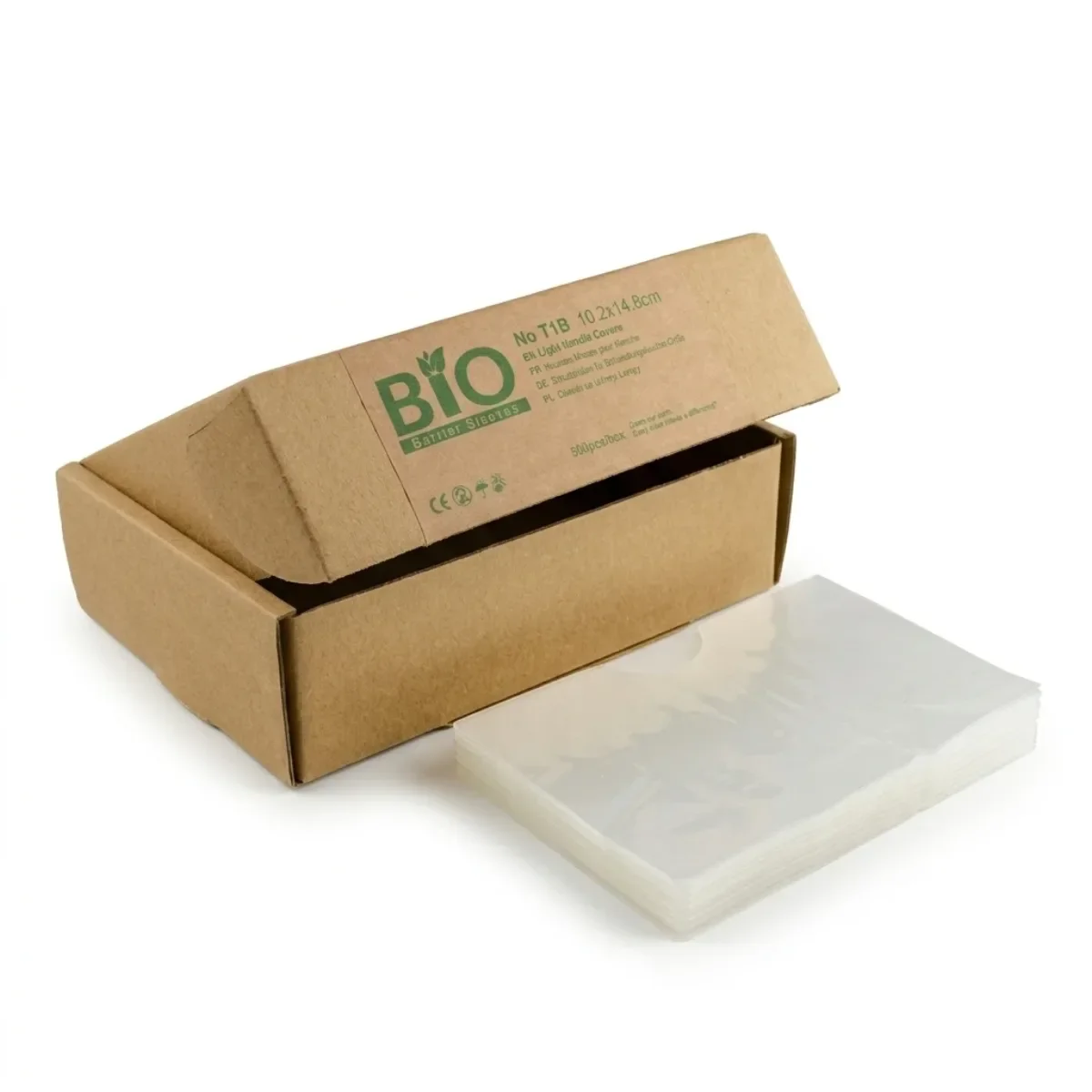
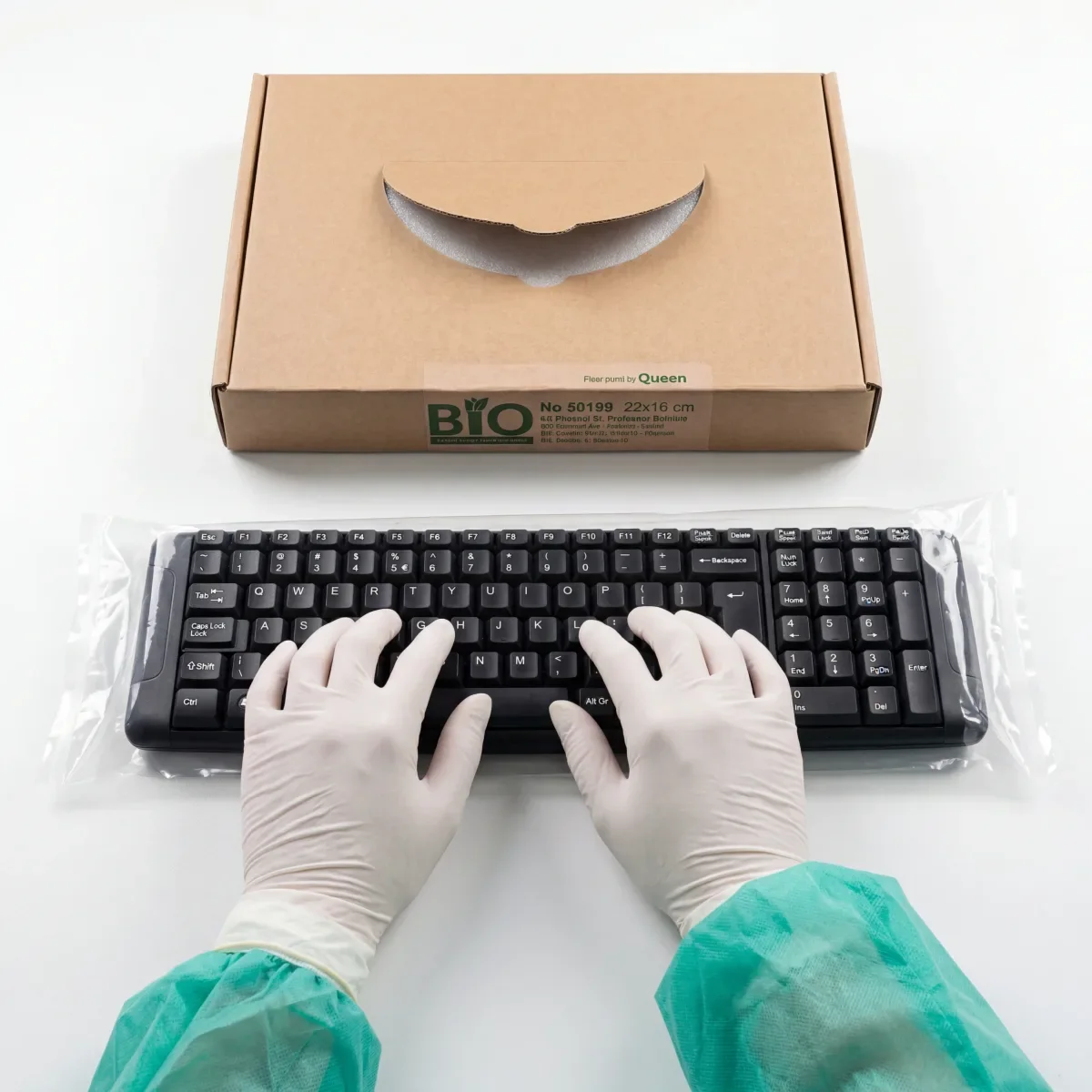
A touchscreen that a clinician uses to load their profile is functionally the same category of surface as the keyboard and mouse already sitting on the operatory PC: something bare or recently-gloved hands touch at a moment that doesn't line up neatly with the rest of the sterilization workflow. Practices that already run barrier sleeves on keyboards and mice for exactly this reason should extend the same logic to a chair-mounted sign-in screen — it's a new physical location for an already-solved problem, not a new problem.
Memory foam changes what a torn cover means
The Pro40's move to viscoelastic memory foam upholstery is a comfort upgrade, and Planmeca isn't the only manufacturer using it. But foam-core upholstery behaves differently from solid vinyl when the outer cover is compromised. Industry guidance on dental chair upholstery care is specific on this point: sealing a small tear immediately is what prevents fluid from penetrating the foam cushion underneath, and once that foam is contaminated, the same source notes it "becomes a significant infection control risk and is far more difficult and expensive to remediate than a simple surface repair." The same guidance recommends a risk-based cleaning approach — matching disinfectant strength to contamination level, and using pH-neutral detergent with a soft microfiber cloth for routine wipe-downs rather than harsh chemicals or abrasive pads that strip the protective topcoat.
The practical takeaway isn't that memory foam is unsafe — it's that a nicked headrest or armrest cover on a foam-backed chair is a same-day repair ticket, not a "get to it next week" item, in a way it wasn't on older solid-foam or all-vinyl designs.
What automated waterline cleaning does and doesn't cover
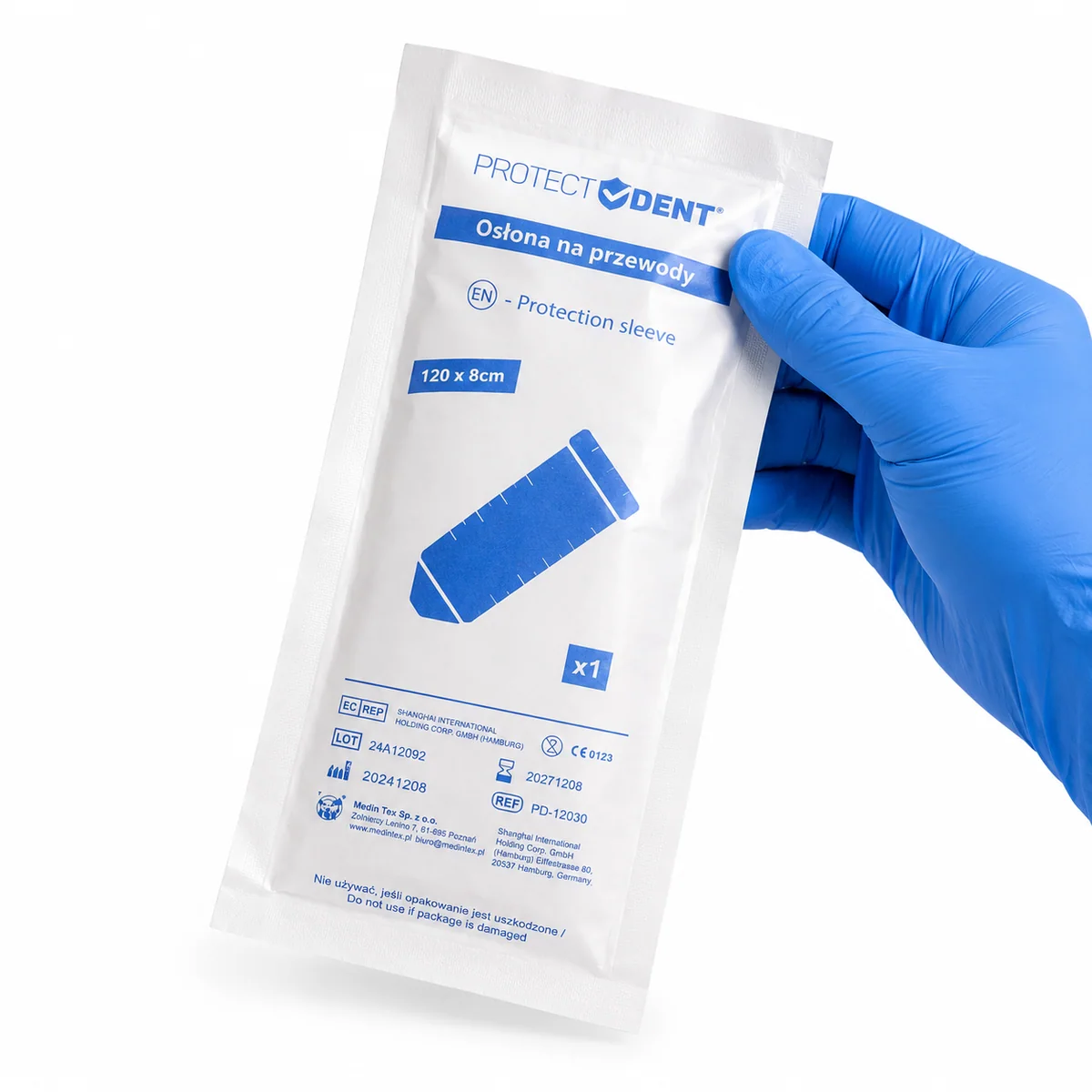
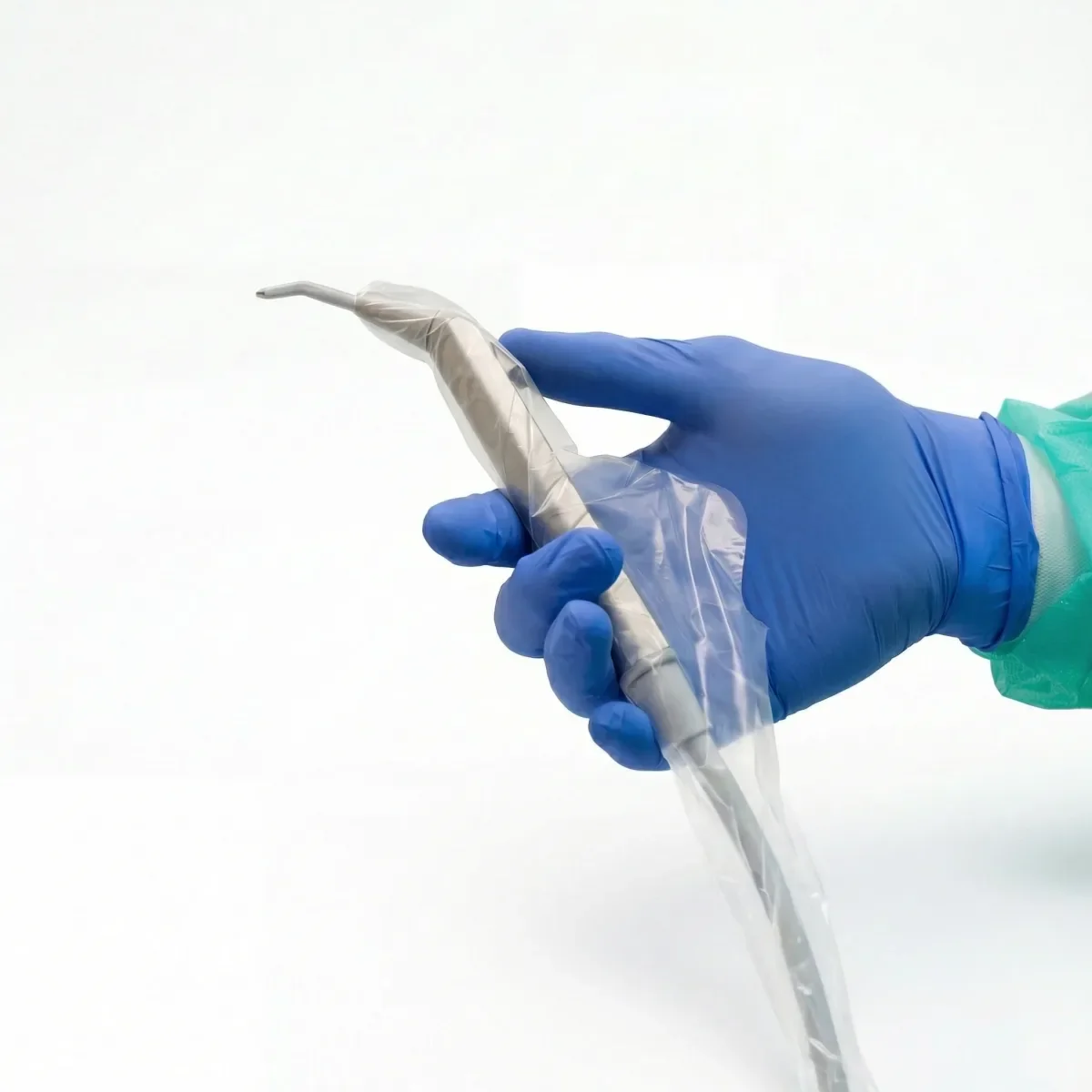
The Pro40's continuous, automated waterline cleaning and the Pro50 S's Planmeca Patrol filtration system (built with BWT) both address what happens inside the unit's plumbing. That's a real reduction in manual midday maintenance work. It is not a substitute for barrier protocol on what happens outside the plumbing: the six instrument connections on the Pro40, and whatever handpieces, scalers, and air-water syringes get plugged into them, still cross into a patient's mouth and back out between appointments, same as on any other chair. Covered instrument connectors make the unit easier to wipe down; they don't remove the need to sleeve the hose and handpiece itself for each patient.
What to check before you reorder
If your practice is evaluating a Pro40 or Pro50 S, or has one on order, the barrier-relevant questions aren't about the headline features — they're about what's now touching a clinician's hands or a patient's face that wasn't there on the previous unit:
- Does the sign-in touchscreen get the same barrier treatment as your existing keyboard and mouse, and is it written into the between-patient checklist?
- Does your upholstery inspection routine catch small tears fast enough to matter on foam-core covers, and does staff know a nick is a same-day fix rather than a maintenance backlog item?
- Are the six instrument lines — handpieces, scaler, air-water syringe — still sleeved individually per patient, regardless of what the connector cover and waterline automation already handle?
None of this requires new equipment from us specifically. It requires updating the checklist the new chair actually ships next to, not the one written for the unit it's replacing.
Sources
- Planmeca Expands Operatory Equipment Portfolio — DrBicuspid.com, 2026-09-02
- Dental Chair Upholstery: Infection Control & Durability — ROSON, 2026-09-02