Latex Allergy in the Operatory: Audit Your Barrier Products Too

Most practices have a line in the health history that asks about latex allergy. Fewer have a written answer to the next question: when a patient says yes, which items in the operatory do you actually remove, and who checks?
Three fetched sources, none of them new but all practical, give a usable shape for that answer. This article turns them into a short audit you can run before Monday's first patient.
What the sources agree on
A risk-management article written for the Florida Dental Association's blog by a patient-safety risk manager at The Doctors Company says to record each patient's latex allergy status prominently in the chart and to update it at every visit. It also notes that touching a latex object can transfer the allergen to a patient, and that glove powder can aerosolize latex proteins.
An OSHAcademy dental-office-safety module says to screen all patients through the health history and to arrange a medical consultation when an allergy is suspected. It recommends a latex-safe treatment area where staff do not use latex gloves and the patient has no contact with latex items. Items that cannot be removed should be covered and isolated. It also suggests booking patients with latex allergy for the first appointments of the day, to reduce exposure to airborne latex particles.
A short technical note in the Annals of The Royal College of Surgeons of England (2013) makes a quieter point. Current guidance asks practices to reduce patient and staff exposure to products containing latex, but the authors say latex-free alternatives to established latex products are not always easy to obtain. Their example is a rubber dam product for which they could not find a latex-free version.
The list is longer than gloves
Gloves are the item everyone thinks of. The Doctors Company article lists others that may contain latex:
- dental dams
- prophy cups
- irrigation tips and bulb syringes
- cushioned eye-protection goggles
- rubber stoppers on medicine vials
- water tubing
- adhesive tapes and bandages
- rubber toothbrush heads and grips
OSHAcademy adds orthodontic elastics. None of these sources lists barrier sleeves or covers. That is not a finding that barriers are safe or unsafe. It means the sources do not tell you, so your own check has to.
A Monday-morning audit
- Walk one operatory with the list above. Open every drawer in the room and note each rubber or elastic item.
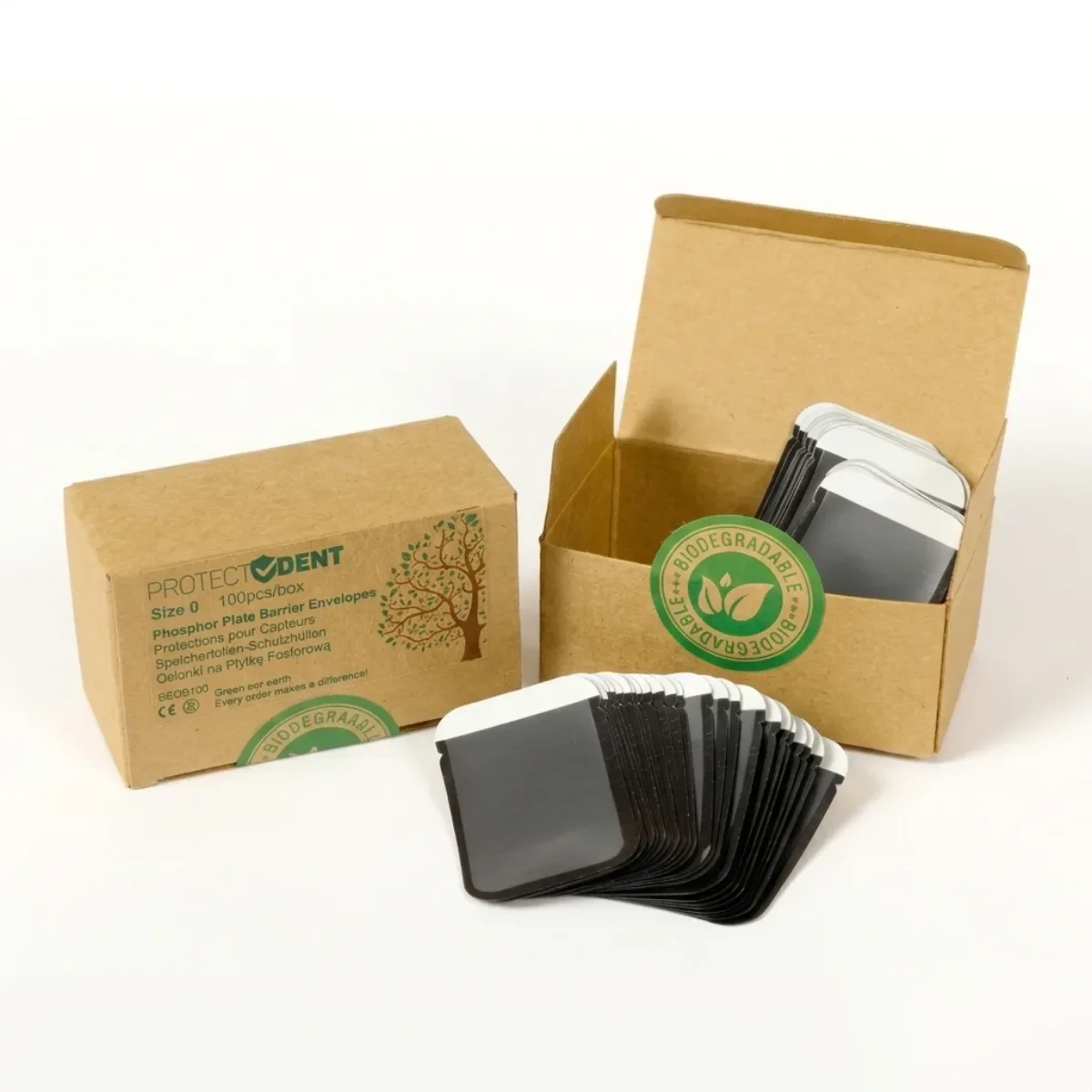
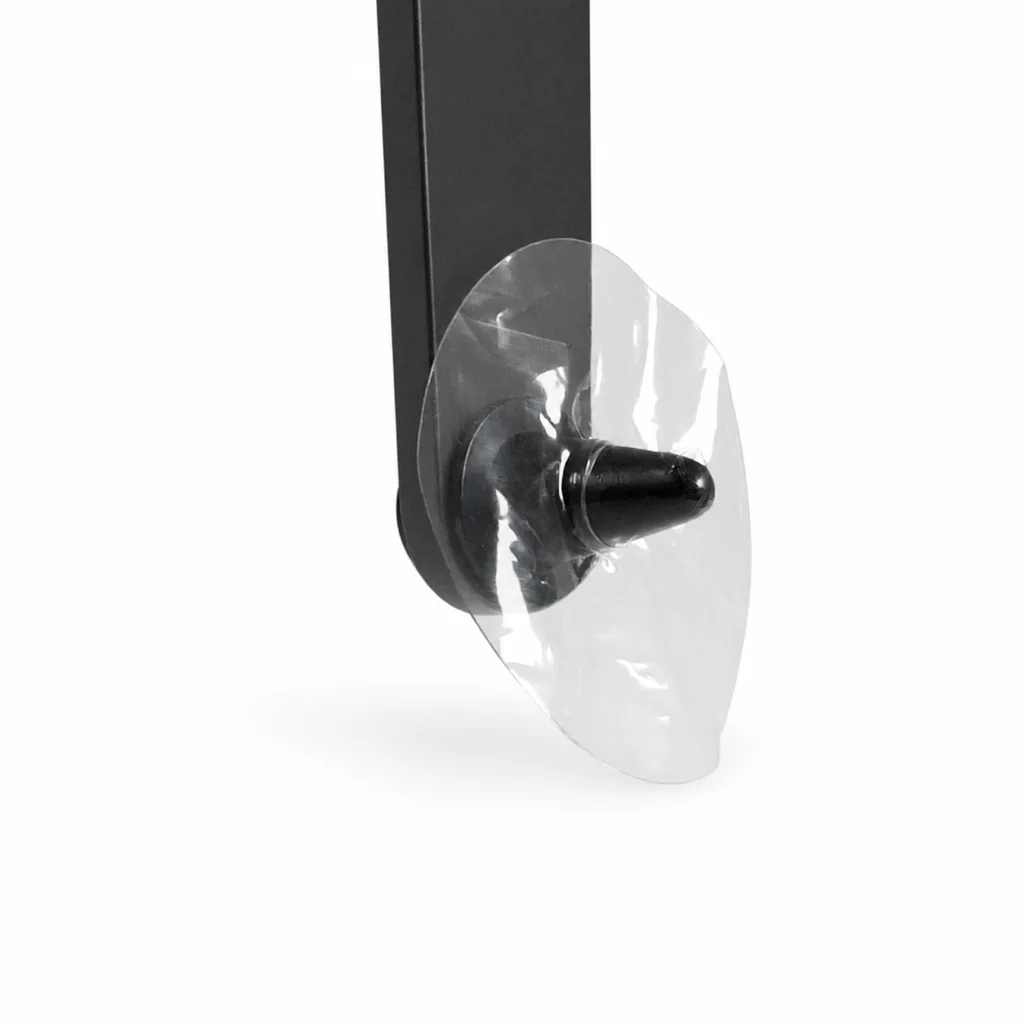
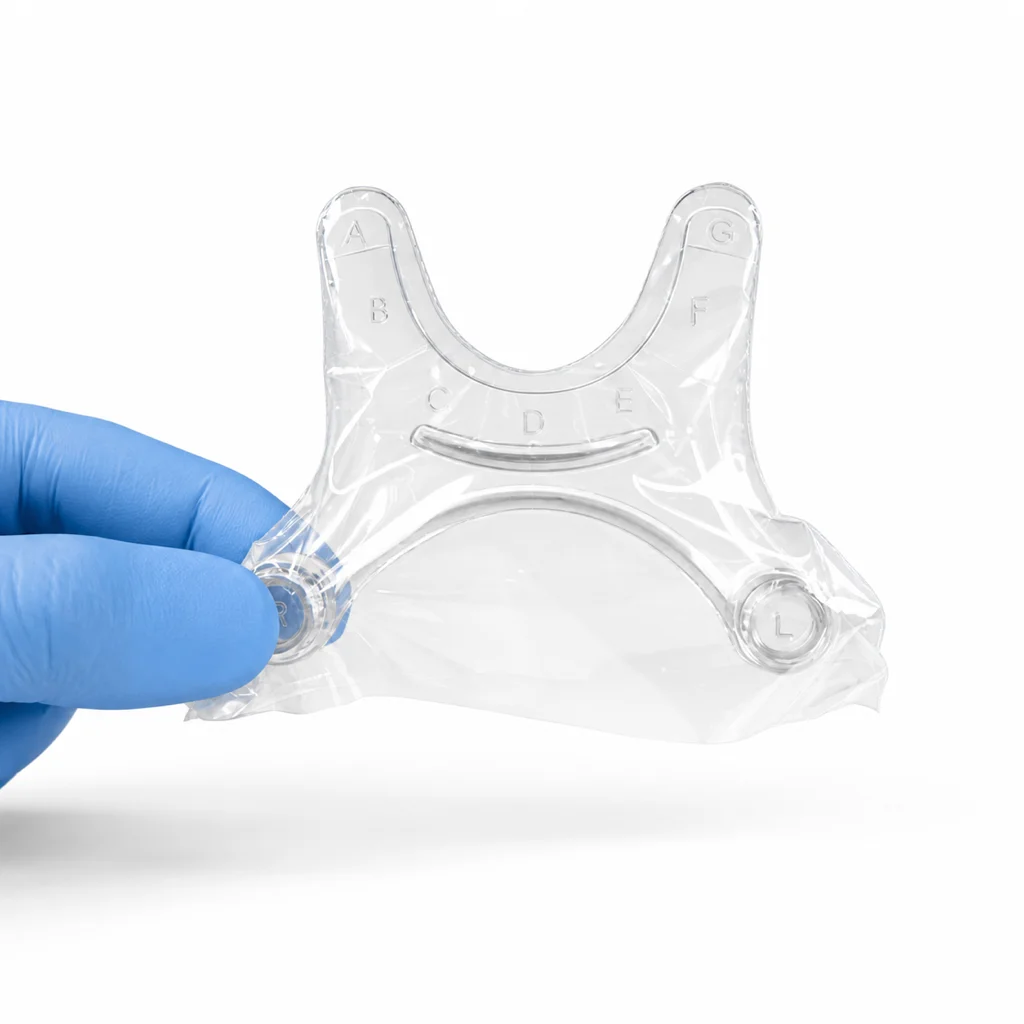
- Add your barrier products to the list. Sensor sleeves, plate covers, bite-block covers, ear-rod sleeves, handpiece covers and chair covers all touch the patient or the equipment the patient touches. Write each product name and its reference number down.
- Ask each supplier for a written material statement. Do not assume from the look or feel of a film. A one-line statement per product, kept in your product file, is enough.
- Mark the room, not just the chart. The Doctors Company article recommends telling staff which products are restricted from the latex-free area and keeping a list of safe devices where staff can find it.
- Keep an emergency kit that matches. OSHAcademy says latex-free treatment and emergency kits should be available at all times.
- Brief the whole team once. The same module says all personnel should know the latex procedures, so no one carries latex material into the room.
Where barrier choices fit in
Barrier products are single-use and get changed between patients, so they are the items most likely to be swapped quietly when a supplier changes a pack or a brand. That is the reason to put them in the product file. If the material statement is on file, a substitution shows up as a missing document instead of a surprise on the day.
If you are choosing barriers for a room set aside for latex-allergic patients, ask for the statement first and compare packs second. Do not read this article as a claim about any particular product.
What this article does not say
It does not give prevalence figures: none of the fetched sources states one, and we will not supply one. It does not give clinical advice on managing a reaction. For that, follow your anaphylaxis protocol and current national guidance, such as the UK guidance the 2013 paper cites. The two practice-facing sources are also several years old and the OSHAcademy page carries no date, so check your national dental association for anything newer.
The useful part is the habit: one list, one room, one statement per product, one briefing.
Frequently asked questions
Do the sources say barrier sleeves contain latex?
No. None of the fetched sources lists barrier sleeves or covers either way. That is why the audit asks each supplier for a written material statement.
Which items beyond gloves can contain latex?
The Doctors Company article lists dental dams, prophy cups, irrigation tips, bulb syringes, cushioned goggles, vial stoppers, water tubing, tapes and rubber toothbrush heads. OSHAcademy adds orthodontic elastics.
When should latex-allergic patients be booked?
OSHAcademy suggests the first appointments of the day, to reduce exposure to airborne latex particles.
Sources
- Latex Precautions in the Dental Setting — Florida Dental Association (author: The Doctors Company), 2026-11-19
- Dental Office Safety: Latex Allergies — OSHAcademy, 2026-11-19
- A novel latex-free alternative to a proprietary paper framed dental rubber dam — Annals of The Royal College of Surgeons of England (PMC), 2026-11-19