The Biocompatibility Standard Behind Your Barrier Products Just Got Rewritten
Why this matters now
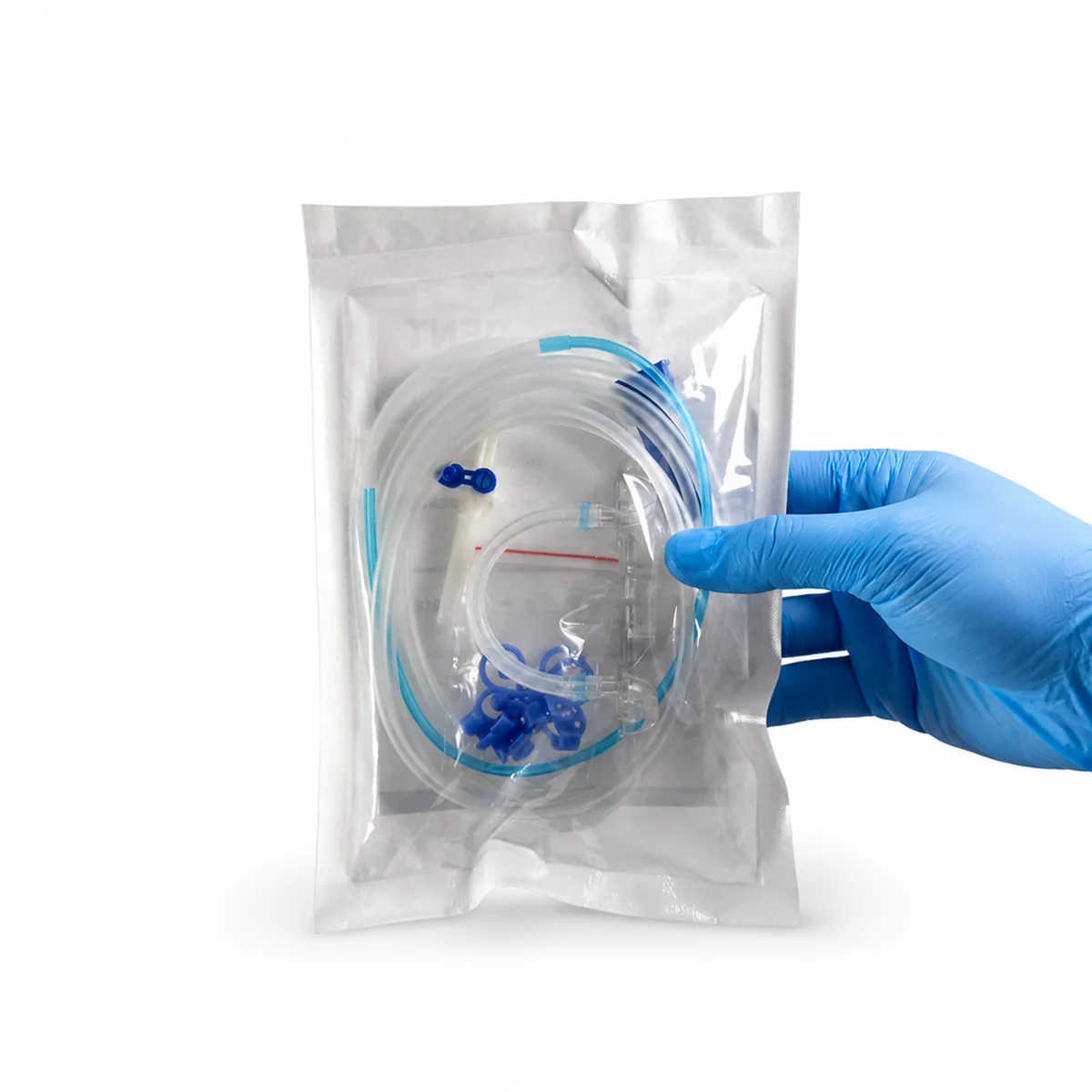
The standard that governs whether a material is safe to touch a patient's skin or mucosa was rewritten in November 2025, for the first time since 2018. The EU has now added the new edition, EN ISO 10993-1:2025, to the list of harmonised standards under the Medical Device Regulation, via Commission Implementing Decision (EU) 2026/1231. That gives it presumption of conformity, and notified bodies are already treating it as the current state of the art. Anything that actually touches a patient — a bite block sleeve, a surgical drape, an irrigation line — sits inside its scope, not just implants.
What actually changed
- One table becomes four. The old general-purpose contact table is replaced with four tables specific to intact skin, mucosal membrane, breached surface, and circulating blood, each with its own set of biological endpoints to evaluate.
- Chemistry comes first. Manufacturers must now identify leachables and degradation products through chemical characterisation before deciding what biological testing, if any, is still needed — testing is no longer the default starting point.
- A new way of counting contact. Every calendar day a device touches a patient now counts as one "contact day." That can push a product from the "limited contact" bucket into "prolonged contact," which in turn now requires genotoxicity evaluation for prolonged-contact devices generally, not just implants.
- Biological evaluation moves inside risk management. The evaluation now has to sit inside the same ISO 14971 risk file as the rest of the device's risk analysis, with traceability between the two.
- Less automatic retesting for familiar materials. A "bioequivalence" concept lets manufacturers lean on existing data for well-characterised materials and established manufacturing processes, instead of defaulting to a fresh test battery every time.
- Not retroactive. Devices already on the market keep their existing files. Only new submissions and technical-file updates are held to the new edition — but EU notified bodies are already asking manufacturers for a gap analysis against it even where the 2018 testing still stands.
- The US is moving separately. The FDA has recognised the same edition for American filings, but only in part — it does not yet accept the standard's own risk-estimation method, and still expects manufacturers to follow ISO 14971:2019 alongside it. A supplier selling into both markets is working from two overlapping rulebooks for now.
What this means in the operatory
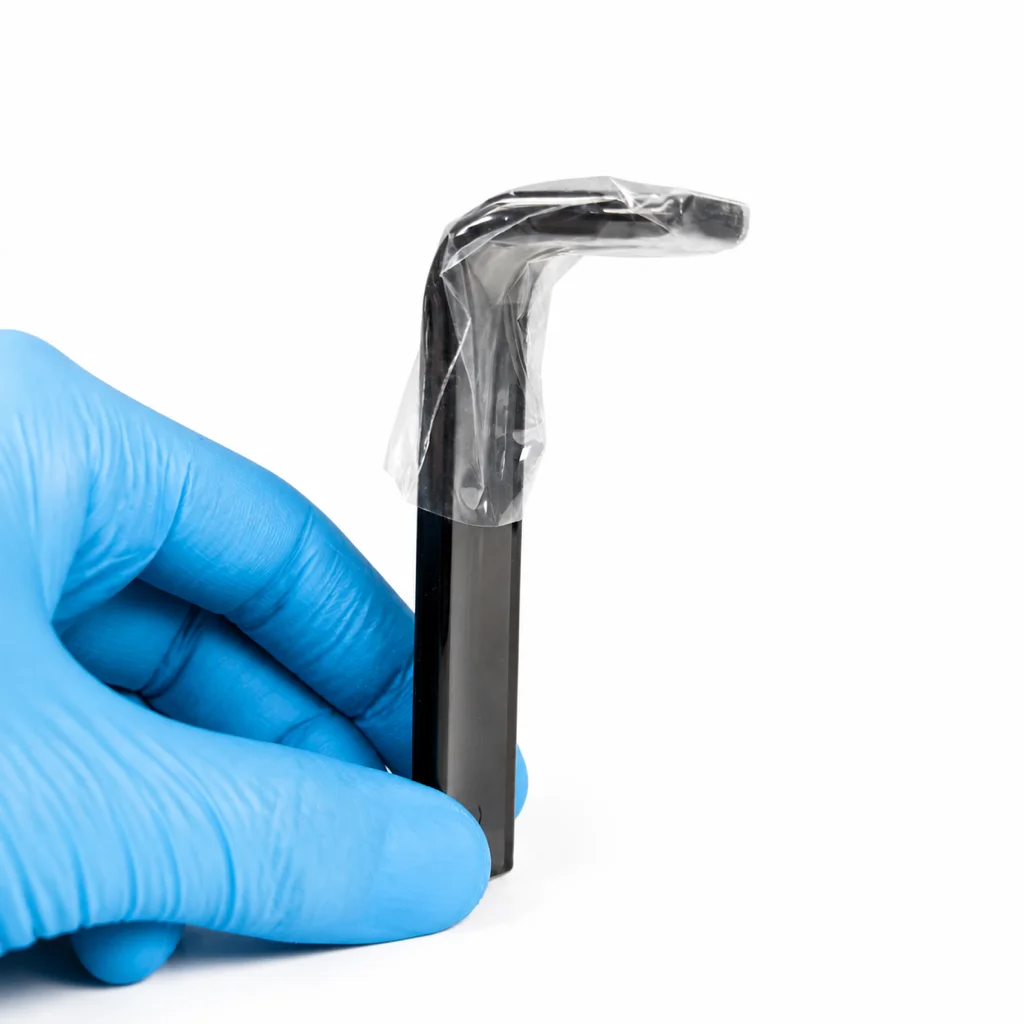
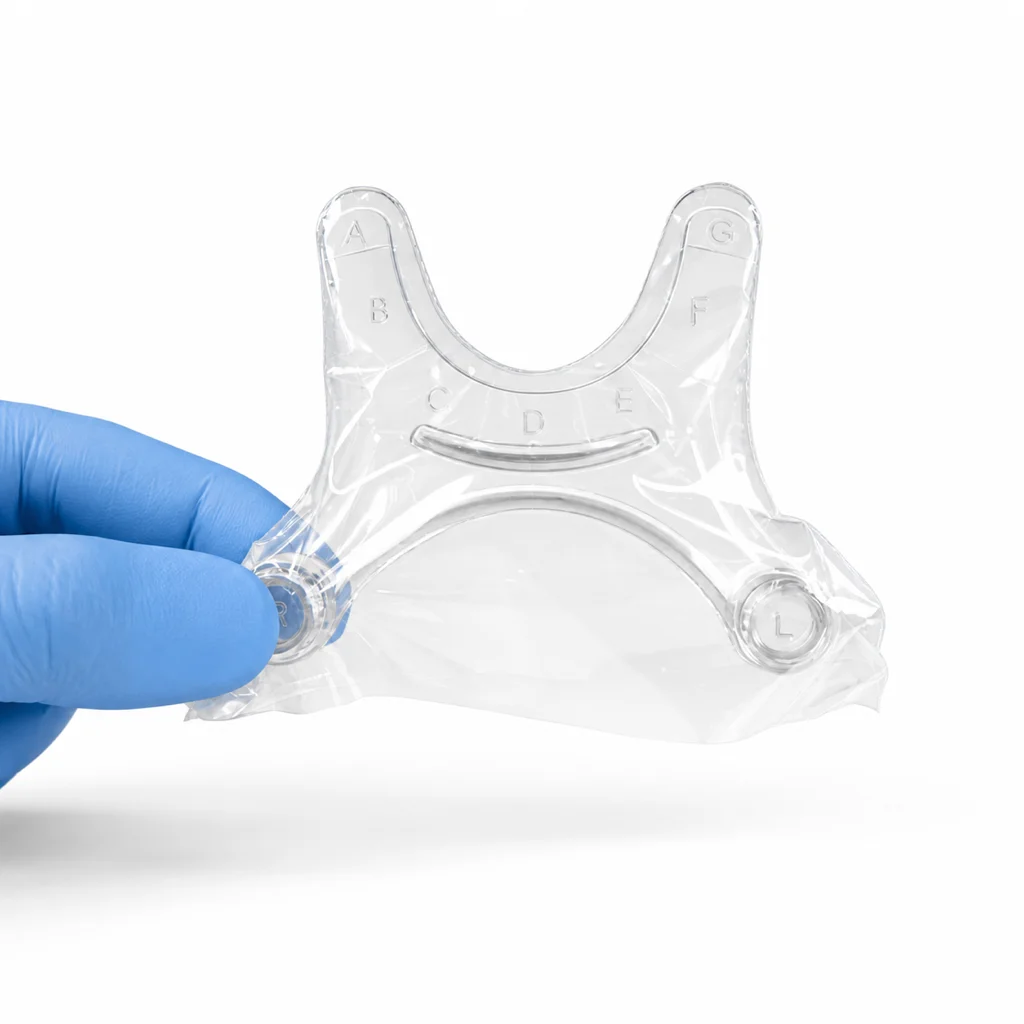
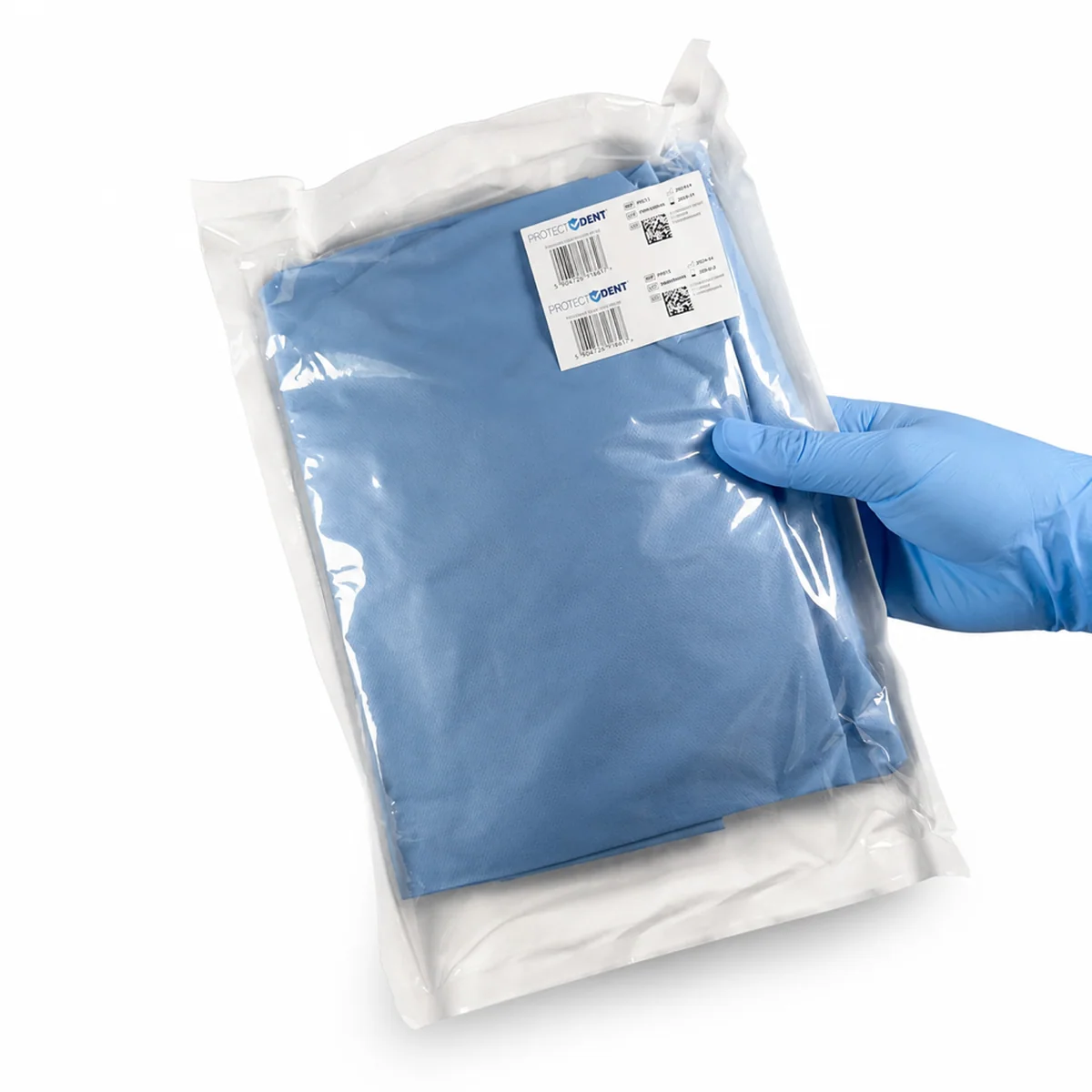
Nothing changes about how a bite block sleeve or a sterile drape gets used tomorrow morning. This is a documentation change that sits with manufacturers and their notified bodies, not a change to the product in the box. What it does change is what "current" paperwork looks like. A biological evaluation report that still cites the 2018 edition isn't wrong today, but it's no longer the newest reference point — and if a practice ever has to show an auditor, an insurer or its own quality lead that supplier files reflect the state of the art, this is the standard that answer now turns on. It also matters directly if a practice repackages, sterilises or private-labels any patient-contact disposable, because that practice's own technical file inherits the same expectation.
What to check
- Ask suppliers whether recent biological evaluation reports reference ISO 10993-1:2025 or still cite the 2018 edition. Both are valid today; only one is current.
- If a product is reused or touches the same patient across several visits, ask whether the new "contact day" counting changes its stated contact duration category.
- For CE-marked devices (not accessory sleeves), check the harmonised-standards annex on the certificate the next time it's renewed.
- If your practice repackages or private-labels a disposable that contacts skin or mucosa, treat this the same way a manufacturer would — it's your technical file too.
Frequently asked questions
Does this mean my current bite block sleeves are no longer compliant?
No. The change isn't retroactive. Devices already on the market keep their existing documentation; the new edition only applies to new submissions and technical-file updates going forward.
What actually changed in ISO 10993-1:2025?
The single general contact-type table was replaced with four tables specific to intact skin, mucosal membrane, breached surface and circulating blood, chemical characterisation now comes before deciding on biological testing, and a new "contact day" count can shift a device between contact-duration categories.
Is EN ISO 10993-1:2025 mandatory under EU MDR?
It has been added to the list of harmonised standards under MDR, which gives products evaluated against it a presumption of conformity. Notified bodies already treat it as state of the art, though manufacturers can still rely on the 2018 edition for now.
Does this affect barrier sleeves that only cover equipment, not the patient?
The standard applies to devices with direct or indirect body contact. A sleeve that only covers a keyboard or a light handle, without touching the patient, sits outside that scope; a bite block sleeve or a sterile surgical drape does not.
Sources
- New EU Harmonized Medical Device Standards 2026 — LNE-GMED, 2026-09-16
- 2026 List: Harmonized Standards / Common Specifications (MDR/IVDR) — Casus Consulting, 2026-09-16
- FDA Recognizes Updated ISO 10993-1 Standard for Medical Device Biocompatibility — Exponent, 2026-09-16
- ISO 10993-1:2025 Update Guide: What Changed, Why It Matters, and How to Prepare — MedDeviceGuide, 2026-09-16
- ISO 10993-1:2025: What Risk-Based Biocompatibility Means for MedTech — Greenlight Guru, 2026-09-16