Dental Barrier Sleeves Have Their Own FDA Device Code. Here's What It Actually Covers
The box says "medical device." What does that actually mean?
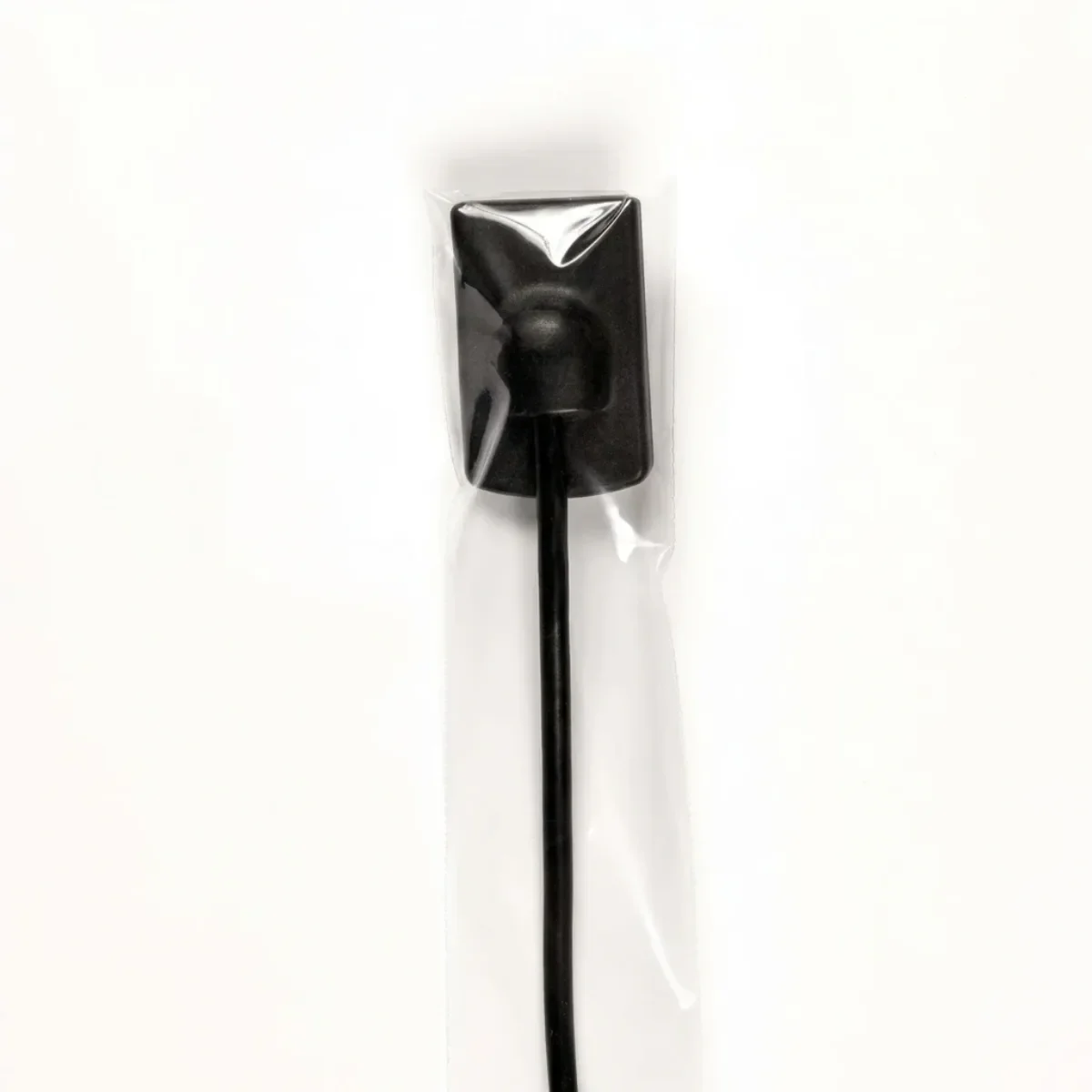
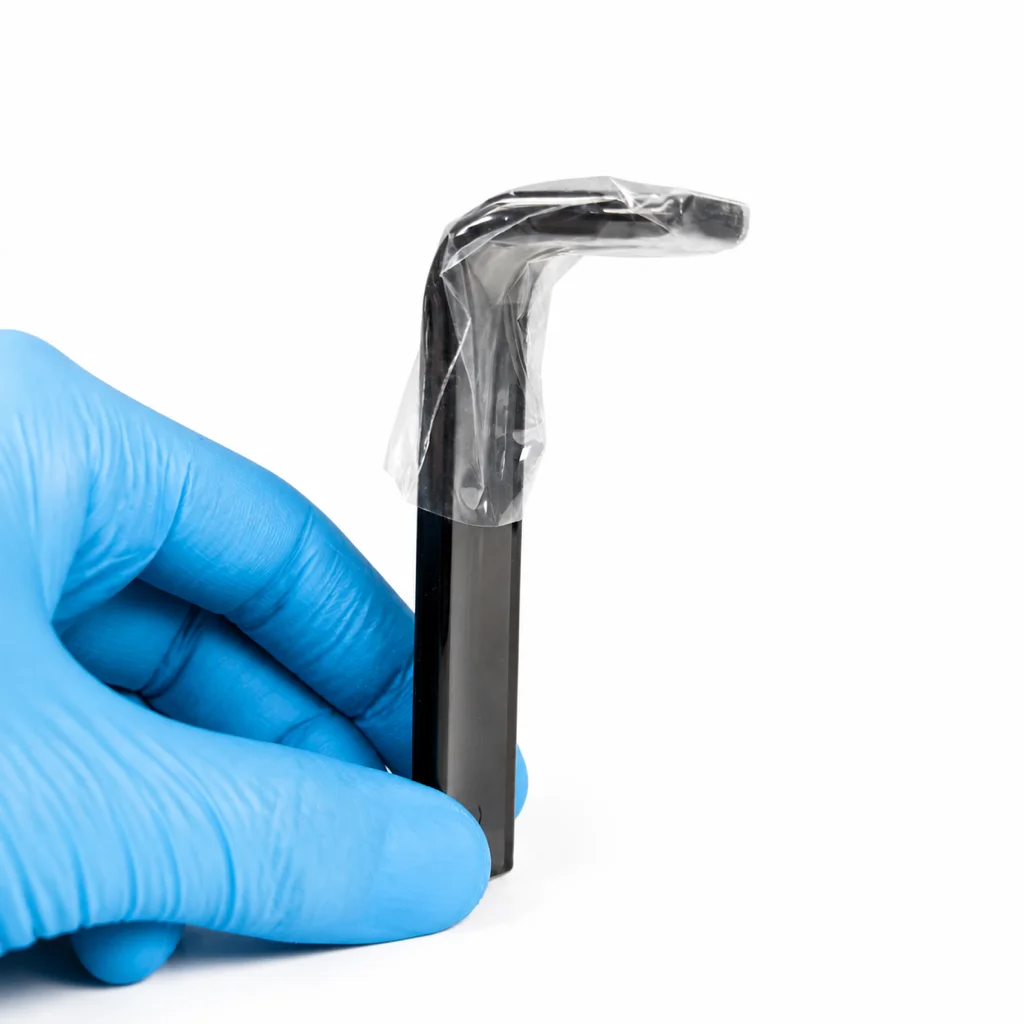
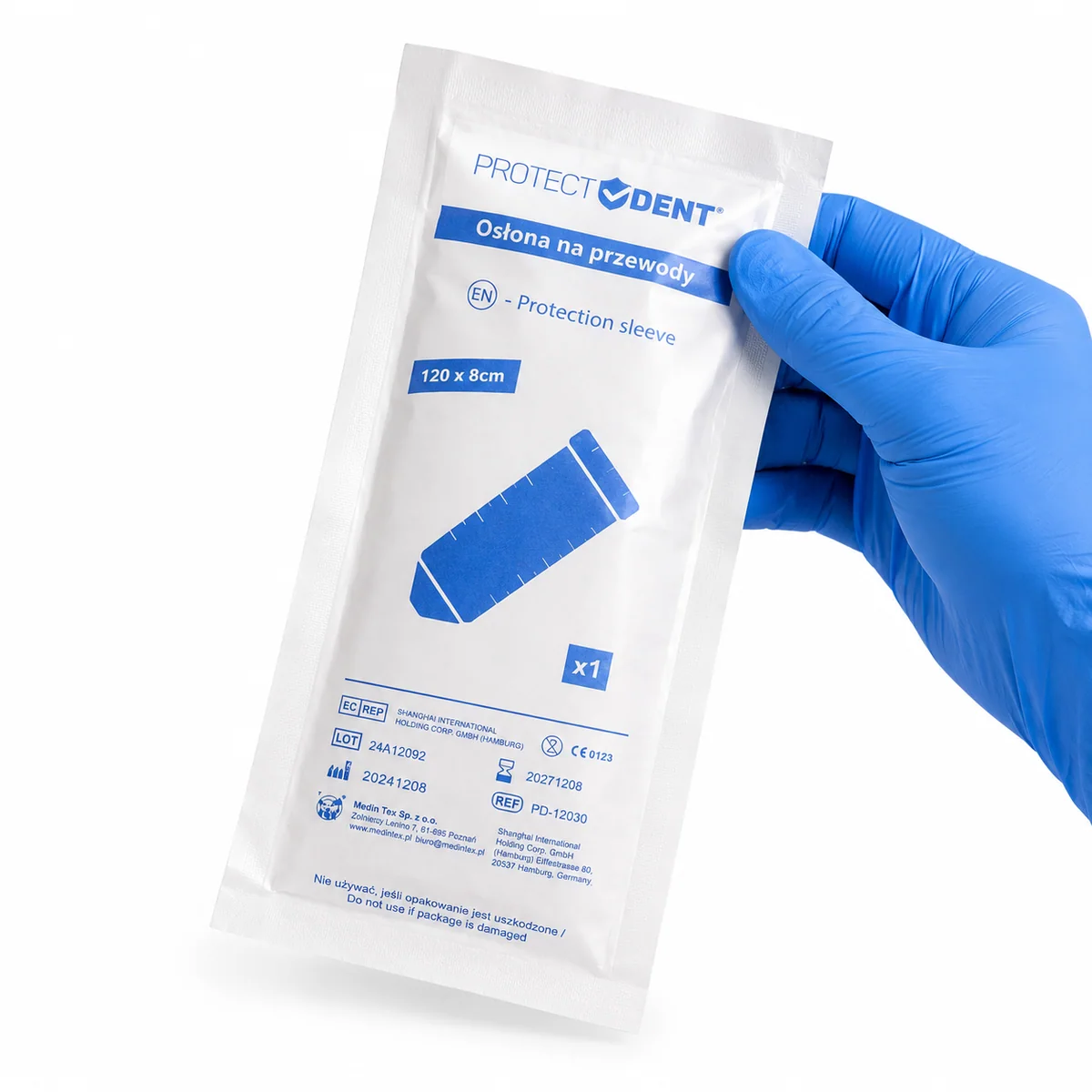
Most of the time, nobody at the chair thinks about the regulatory status of a barrier sleeve. It gets pulled over a sensor or a handpiece, used once, and binned. But in the United States, a disposable dental barrier sleeve is not a loose accessory in the eyes of the FDA. It is a Class II medical device, filed under its own product code, with a paper trail that goes back over a decade and is still being added to in 2025.
A product code built for surgical drapes
The FDA's product classification database lists disposable dental barrier sleeves under the code PEM, officially named "Dental Barriers And Sleeves." That code sits inside 21 CFR 878.4370, a regulation titled Surgical Drape and Drape Accessories — the same regulation number used for operating-room drapes, not a dental-specific rule.
Two recent clearances under that code show what the filing actually says. In May 2025, the FDA cleared a submission from Yueying Medical Instruments (Langfang) Co., Ltd. (K250606) for a device named, plainly, "Dental Barrier and Sleeves." The indications for use state that the device is "intended to be used as a disposable barrier for dental instruments and equipment," and that it is "non-sterile and intended for single patient use only." A month later, in June 2025, the FDA cleared an almost identically worded submission from Fomed Industries, Inc. (K250735) — same product code, same regulation number, same two labelling facts: non-sterile, single patient use only.
Those two words — non-sterile — are doing real work in the filing. The clearance is not claiming the sleeve is sterile the way a surgical drape might be. It is claiming something narrower: that the sleeve acts as a barrier against cross-contamination between patients, tested and labelled for a single use, nothing more.
The coding isn't even consistent within a product family
If you check the US device identification database (GUDID) for a different kind of cover — a sensor sheath rather than a general barrier sleeve — you land on a different code entirely. A Dexis Platinum Sensor Sheath is listed under product code MMP, "Cover, barrier, protective," with a GMDN term of "Cable/lead/sensor/probe cover, non-sterile" (a term the database itself flags as obsolete). So two disposable covers that do essentially the same job — stopping a reusable device from touching anything directly — can end up filed under two different FDA codes, depending on which existing category they were judged to resemble when someone first submitted one for clearance.
That's not a scandal. It's just how a classification system built before today's barrier products existed gets applied retroactively: new submissions get slotted into the nearest fit, not a bespoke dental-barrier category.
How the EU does it differently
The EU MDR doesn't have a single matching product code for barrier sleeves the way the FDA's PEM code works. Instead, classification runs through Annex VIII, rule by rule, accessory by accessory, and manufacturers are responsible for working out — and documenting — which class applies to their own product. That's involved enough, for a product category this scattered, that a dedicated technical report, CEN/TR 12401:2025 ("Dentistry — Guidance on the classification of dental devices and accessories"), was published in 2025 specifically to help manufacturers apply the MDR's general rules consistently to dental devices and accessories.
In practice, that usually lands disposable, non-invasive barrier sleeves in Class I, self-declared by the manufacturer rather than cleared by a regulator the way a US 510(k) works. You can see this on an ordinary product listing: a digital X-ray sensor sleeve sold into the EU market is typically described on its own packaging and listing as "CE marked, Class I medical device" — a self-declaration backed by a Declaration of Conformity, not a government clearance letter.
What this means on Monday morning
None of this changes how a sleeve is used at the chair. It changes what's worth checking before an order goes in.
- "Single patient use only" on a barrier box isn't house style — in the US filings we checked, it's the literal labelling language the clearance was granted against. Reusing a sleeve, or treating the instruction as a suggestion, puts the product outside what it was actually tested and cleared to do.
- "Non-sterile" on the same box isn't a quality gap. It's the category the product was filed in. A barrier sleeve and a sterile surgical drape are tested and labelled against different standards, even when both sit inside the same regulation number.
- In the EU, "CE marked, Class I" on a sleeve means the manufacturer self-declared that classification and holds a Declaration of Conformity for it — not that a notified body reviewed and cleared the specific product the way the FDA does for a 510(k). Asking a supplier for that document, rather than taking the CE mark at face value, is a reasonable thing to do before a bulk reorder.
- If a practice buys both US-sourced and EU-sourced barrier products, don't assume the classification language lines up. A US "Class II" sleeve and an EU "Class I" sleeve can describe comparable products under genuinely different regulatory systems.
The paperwork behind a barrier sleeve isn't marketing. It's a record of exactly what the product was tested, labelled and cleared to do — and it's worth a look before the next bulk order, not after something goes wrong.
Frequently asked questions
Does an FDA Class II listing mean a barrier sleeve is sterile?
No. Every PEM clearance we reviewed, including K250606 and K250735, labels the device "non-sterile" and "intended for single patient use only." Class II describes the level of regulatory control, not sterility.
Why are dental barrier sleeves classified under a surgical-drape regulation?
Because the FDA assigns new submissions to an existing regulation number once they're judged similar enough to a category already on the books. Dental barriers landed under 21 CFR 878.4370, the same number used for surgical drapes and drape accessories, rather than getting a dedicated dental rule.
Is there an EU equivalent to the FDA's PEM product code?
Not a single one. Under the EU MDR, each accessory is classified on its own under Annex VIII, and manufacturers typically self-declare these covers as Class I. A 2025 CEN technical report, CEN/TR 12401, was published specifically to help apply that classification consistently to dental devices and accessories.
Does a sensor sheath carry the same classification as a general barrier sleeve?
Not necessarily in the US device database. The Dexis Platinum Sensor Sheaths we checked are filed under GUDID code MMP ("Cover, barrier, protective"), a different code from the PEM classification used for the dental barrier and sleeve clearances we reviewed, even though both are disposable covers.
What should a practice actually check before reordering barrier sleeves?
Ask the supplier for the product's Declaration of Conformity (EU) or 510(k) clearance letter (US) rather than taking "medical device" on the box at face value. That paperwork states the exact labelling — sterile or not, single-patient-use or not — the product was cleared against.
Sources
- Dental Barrier and Sleeves — 510(k) K250606 Summary (Yueying Medical Instruments) — U.S. FDA 510(k) Premarket Notification Database, 2026-10-08
- Dental Barrier and Sleeves — 510(k) K250735 Summary (Fomed Industries) — U.S. FDA 510(k) Premarket Notification Database, 2026-10-08
- DEVICE: Dexis Platinum Sensor Sheaths — U.S. National Library of Medicine — GUDID, 2026-10-08
- Dentistry — Guidance on the classification of dental devices and accessories (CEN/TR 12401:2025) — BSI Knowledge, 2026-10-08