FDA Clears a New Panoramic Bite Block Cover — and Calls It Optional
Why this matters now
On 17 September 2026, the FDA cleared a new single-use cover for the bite block on Dürr Dental's VistaVox and VistaPano panoramic and CBCT units. That is a small, specific clearance, but the filing itself is more interesting than the product. Dürr's own paperwork states that the cover is "recommended but not mandatory to reduce the risk of cross-contamination," because the bite block it covers is reusable and can be reprocessed under its own instructions for use. The clearance does not create a new requirement. It documents a choice practices already had to make for themselves.
What actually changed
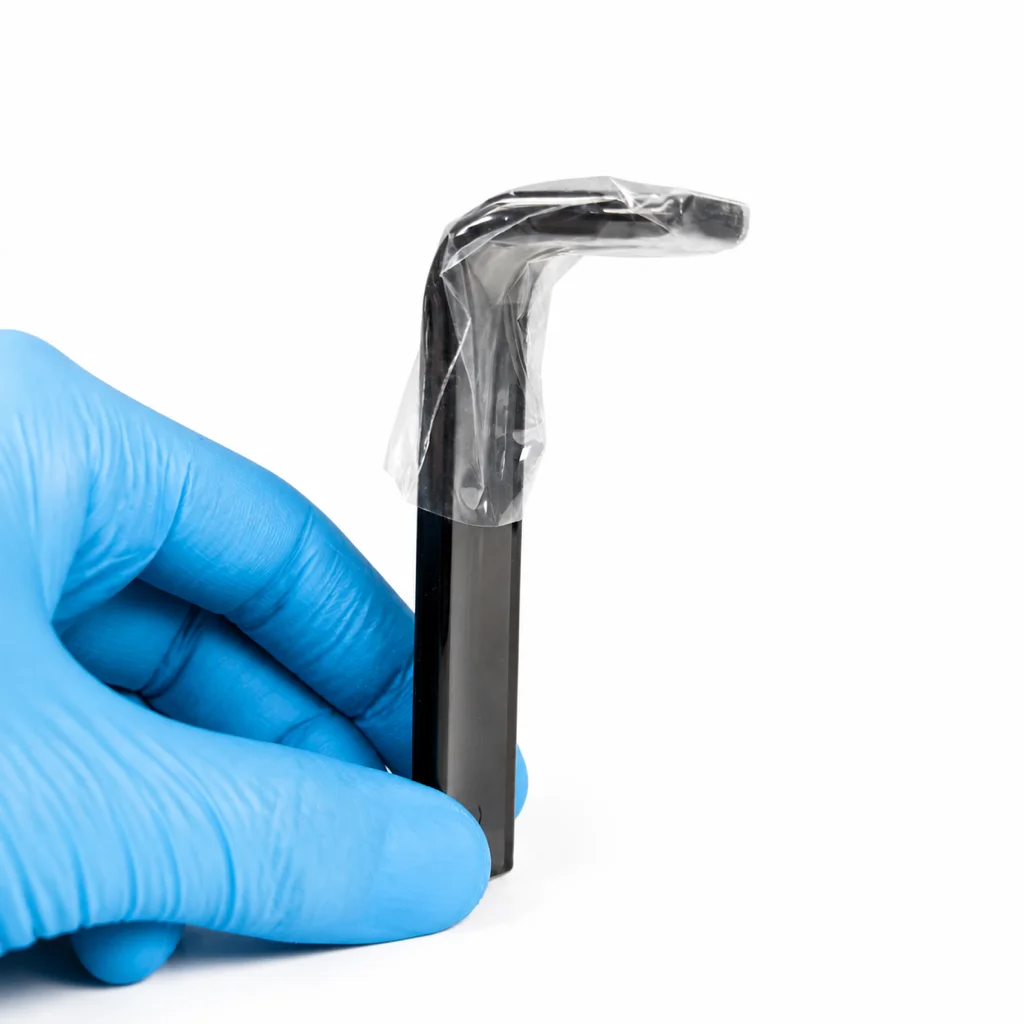
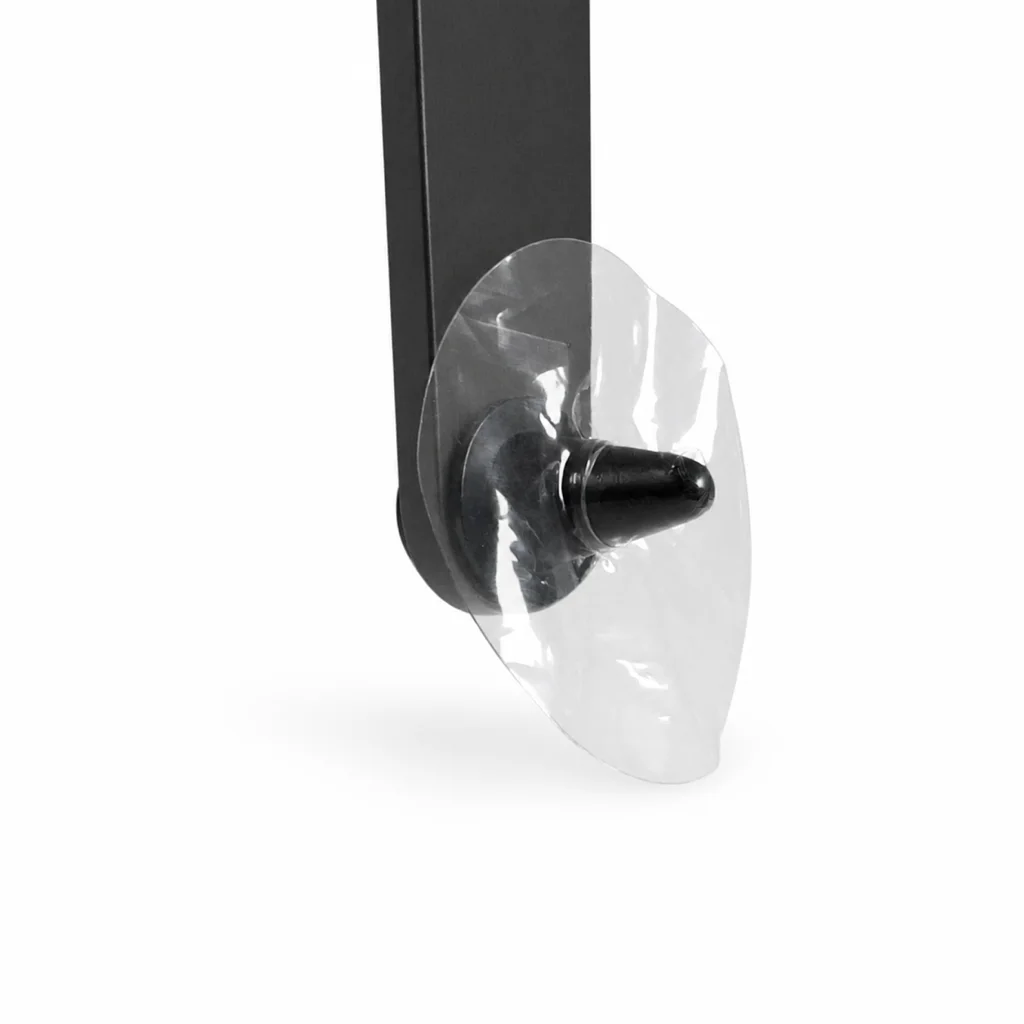
The device, Hygienic Protective Bite Cover (2207-010-50), was cleared under product code PEM, the same Class II classification ("Surgical Drape and Drape Accessories," 21 CFR 878.4370) that covers dental barrier sleeves generally. What is new is the specificity. Earlier clearances under this code, including the one Dürr used as its predicate, describe generic "dental barriers and sleeves." This filing names the exact application: a cover for the bite block on an extraoral imaging unit, placed before a panoramic or CBCT exposure and left in place for the full scan.
It was not the only barrier-sleeve clearance that month. Nine days earlier, ANI Co., Ltd. cleared its own general-purpose dental barrier device under the same code. Two manufacturers, two filings, one pattern: barrier products are increasingly being cleared for named devices and named touchpoints rather than sold purely as generic sleeves.
What this means in the operatory
The paperwork draws a line that is worth drawing yourself. A touchpoint on an imaging unit is either:
- covered by a single-use barrier for that patient, or
- cleaned and disinfected, or sterilized where applicable, under the manufacturer's validated instructions for use.
CDC's guidance on single-use devices puts the test plainly: if a device does not come with reprocessing instructions, treat it as single-use regardless of what the label says. Dürr's bite block does have reprocessing instructions, which is exactly why the FDA filing can call the cover optional: the practice has a documented alternative. A touchpoint that only comes with a sleeve, and no reprocessing instructions, does not get the same latitude.
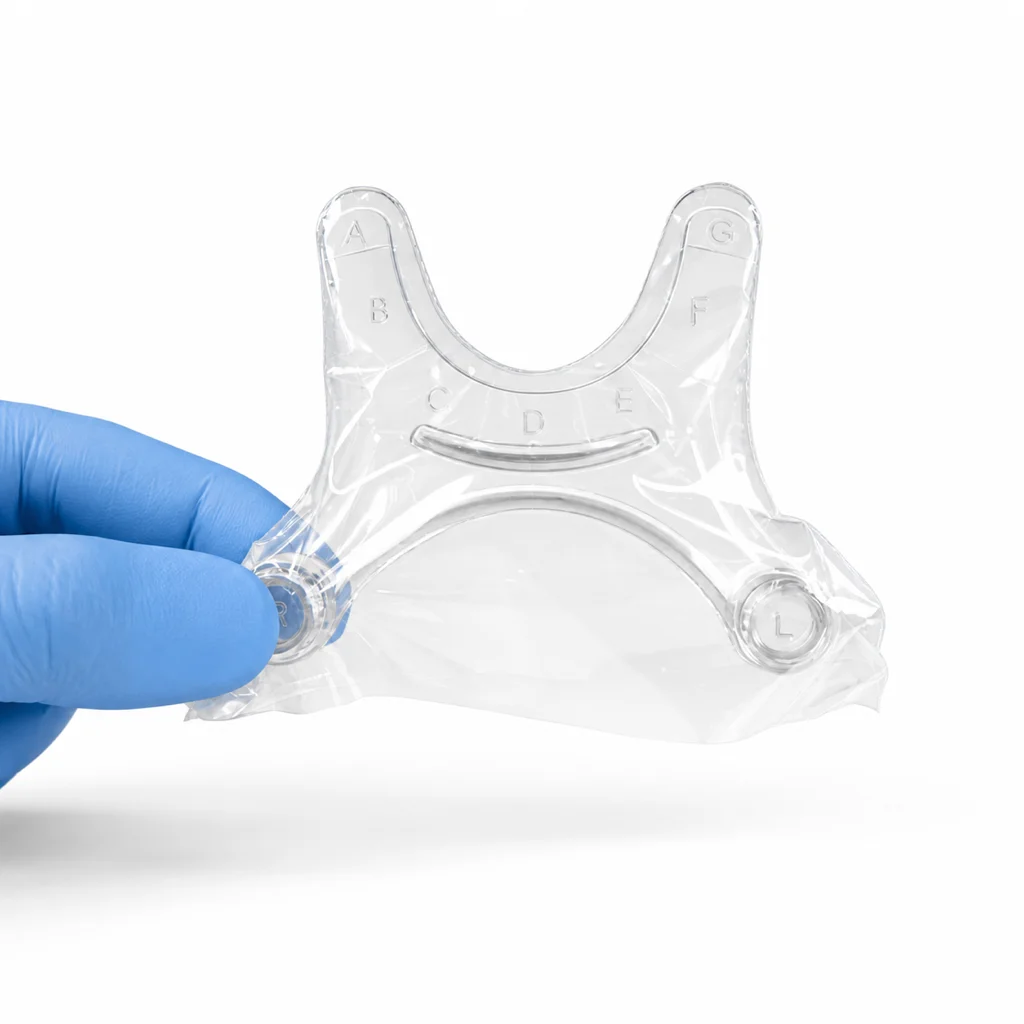
This is not a new idea for panoramic units specifically. Infection-control training material for digital imaging has drawn the same distinction between touchpoints for years: bite sticks get a disposable cover or sterilization between patients, while temple supports get a barrier only, because they are not built to be sterilized at all (Indian Health Service, digital radiography infection control chapter). The 2026 clearance does not change that split. It formalizes one side of it for one manufacturer's hardware.
What to check
- Find your imaging unit's actual instructions for use and confirm which touchpoints are classed as reusable-and-reprocessable versus single-use-only. Do not assume; the two do not follow the same rule even on the same machine.
- If you are reprocessing a bite block instead of covering it, confirm the validated method is documented and actually happens every time. That is the condition the manufacturer's own clearance relies on.
- If you are buying covers, match them to your unit's model rather than a generic size. A cover that does not seat the way the block was validated to seat can shift the patient's bite reference and cause a retake.
- Treat a new FDA clearance as information, not instruction. It tells you a product is legally equivalent to one already on the market, not that your practice must use it.
Frequently asked questions
Does an FDA clearance mean a dental barrier product is legally required?
No. Clearance means FDA found the device substantially equivalent to a legally marketed predicate and subject to general controls — it says nothing about whether a practice must use it. Dürr Dental's own filing for its bite block cover describes the cover as recommended, not mandatory.
How does CDC decide if a dental device is single-use or reusable?
CDC's rule of thumb is that a device without reprocessing instructions should be treated as single-use regardless of its label. If a device comes with validated reprocessing instructions, as this bite block does, reprocessing is a legitimate alternative to a disposable cover.
Is a generic bite block sleeve fine for any panoramic or CBCT unit?
Fit matters more than it looks. The bite block fixes the patient's bite reference position for the scan, so a cover that doesn't seat the way the unit was validated to use it can shift that position and cause a retake. Check compatibility against your specific model.
What's the difference between how bite sticks and temple supports should be handled on a panoramic unit?
Bite sticks can be covered with a disposable sleeve or sterilized between patients. Temple supports aren't built to be sterilized, so they're protected with a barrier only.
Sources
- 510(k) Summary K262073 — Hygienic Protective Bite Cover (Dürr Dental SE) — U.S. Food & Drug Administration, 2026-10-11
- 510(k) Premarket Notification K261956 — Dental Barriers and Sleeves (AB0006), ANI Co., Ltd. — U.S. Food & Drug Administration, 2026-10-11
- Single-Use (Disposable) Devices — Dental Infection Prevention and Control FAQs — Centers for Disease Control and Prevention, 2026-10-11
- Digital Dental Imaging — Chapter 4: Infection Control — Indian Health Service, 2026-10-11