The EU's PFAS Restriction Cleared a Key Milestone: What Dental Practices Should Track
Why this matters now
On 26 March 2026, the European Chemicals Agency opened its final public consultation on a proposed EU-wide restriction on per- and polyfluoroalkyl substances (PFAS) under REACH. Two of ECHA's scientific committees, the Risk Assessment Committee (RAC) and the Committee for Socio-Economic Analysis (SEAC), have now given their opinions. Both back a restriction, though they differ on how many exemptions it should carry, and medical devices are named as one of the sectors under review. Nothing changes in your practice this year. But the timeline is long, the eventual paperwork will land on procurement rather than clinical staff, and it's worth knowing the shape of what's coming before a supplier letter shows up asking about it.
What actually changed
- RAC adopted its final opinion on 2 March 2026, supporting a broad restriction with an 18-month transition period after entry into force and only minimal exemptions, according to Bergeson & Campbell's summary of the opinions.
- SEAC agreed a draft opinion on 10 March 2026 taking a narrower approach: a restriction with use-specific derogations "where costs to society outweigh the benefits," rather than a blanket ban.
- ECHA published both opinions and opened a consultation running to 25 May 2026, inviting comment specifically on SEAC's draft.
- SEAC's final opinion is expected by the end of 2026. Only after that does the European Commission draft the actual legal text, an amendment to REACH Annex XVII, which then goes through the normal EU legislative process. White & Case's analysis puts a formal Commission proposal at 2027 at the earliest.
- For medical devices specifically, SEAC's draft treats several applications as justified or likely justified for derogation, with proposed transition windows of 18 months plus either 5 or 12 years depending on the use, roughly 6.5 to 13.5 years from entry into force.
None of this is final. RAC and SEAC's opinions are inputs to a future Commission decision, not the decision itself, and the derogation lengths above come from a draft SEAC opinion that was still open for comment as of the consultation deadline.
What this means in the operatory
Nothing needs to happen at chairside. If and when this restriction takes effect, it works through the supply chain, through manufacturers reformulating materials or documenting why a specific use qualifies for a derogation, not through any change to how a barrier is applied or disposed of.
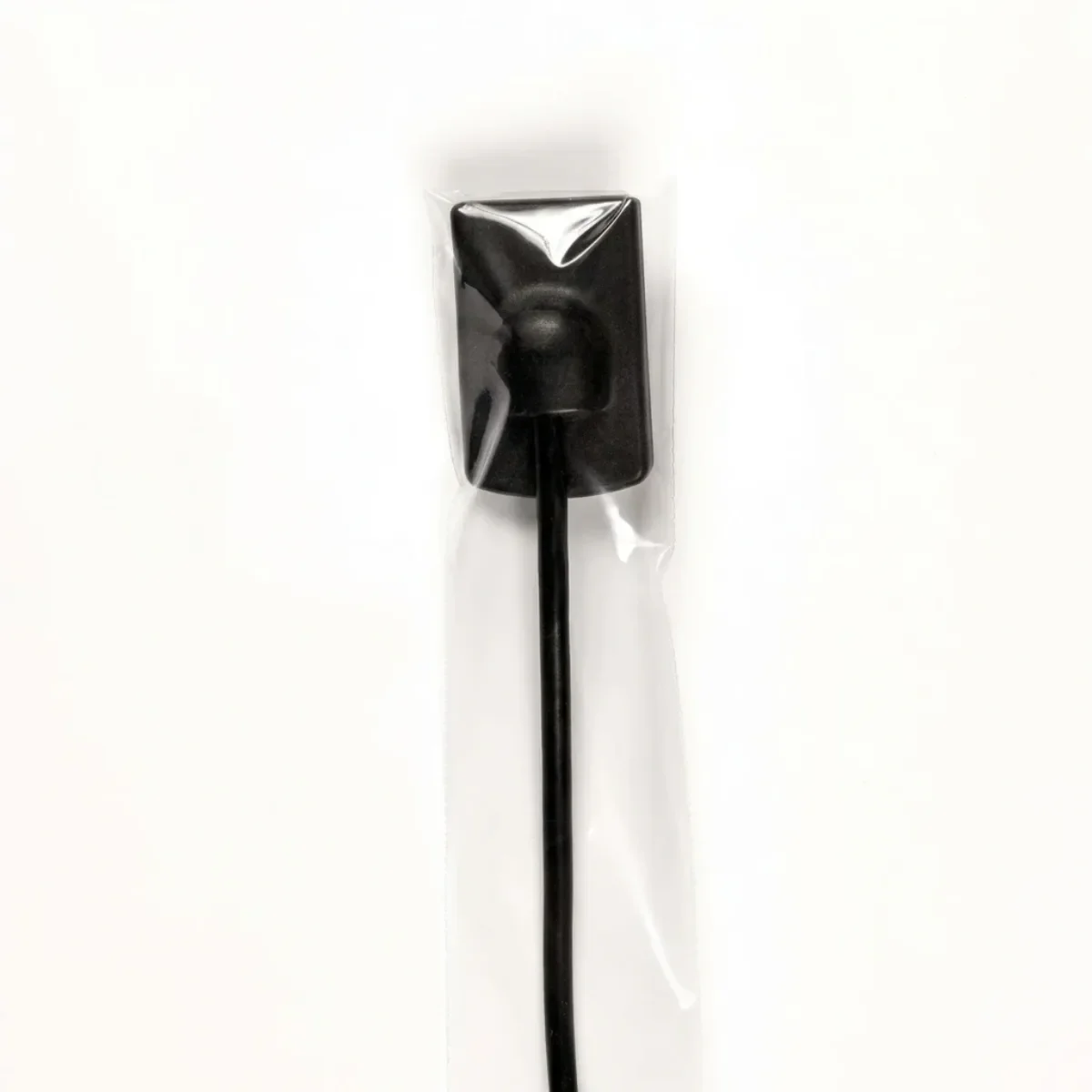
Where it eventually does touch a practice is procurement. Manufacturers of items that contain PFAS-based components, certain coatings, some tubing and cable jacketing, and other fluoropolymer parts across many device categories, will over the coming years need to either reformulate those components or document their exemption. That documentation tends to arrive as supplier declarations or updated safety data sheets. Knowing this is coming means a compliance letter in a year or two won't be a surprise, and you'll know what to do with it: file it, not panic over it.
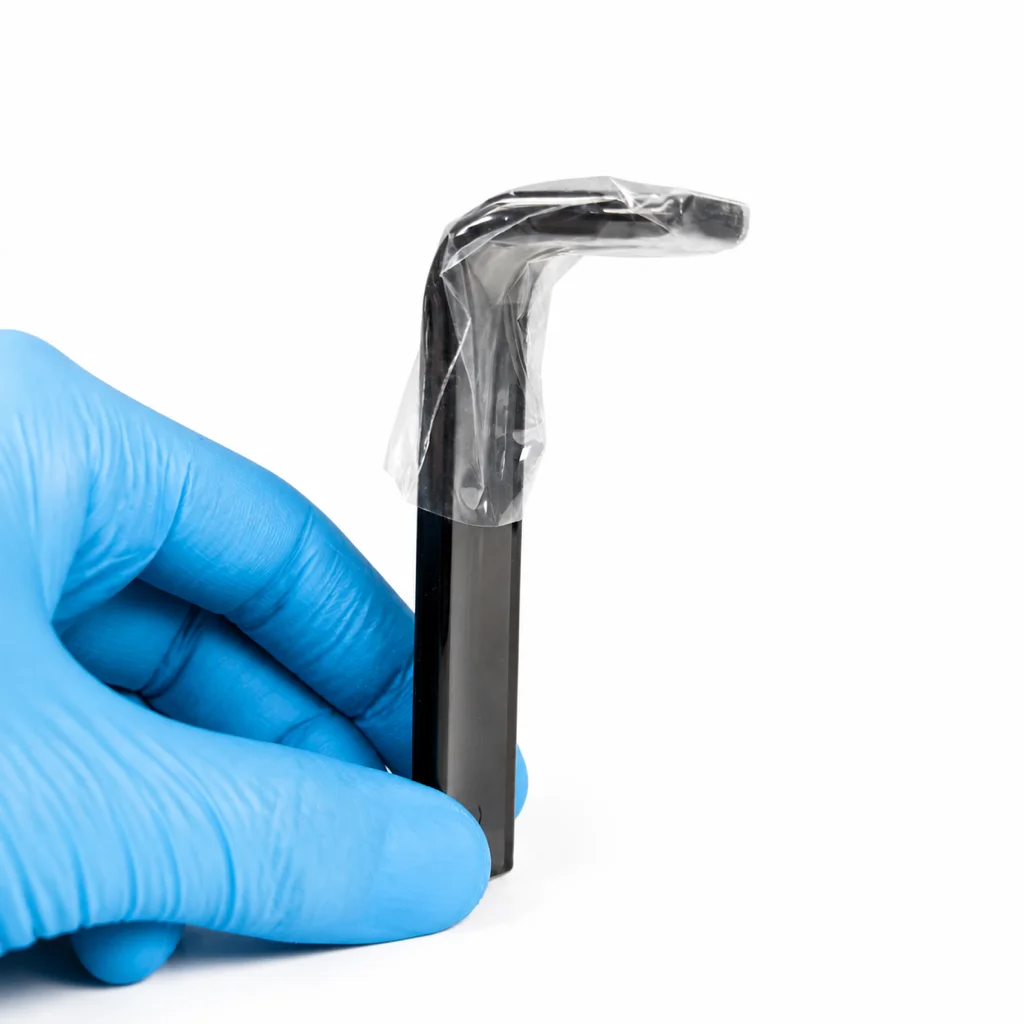
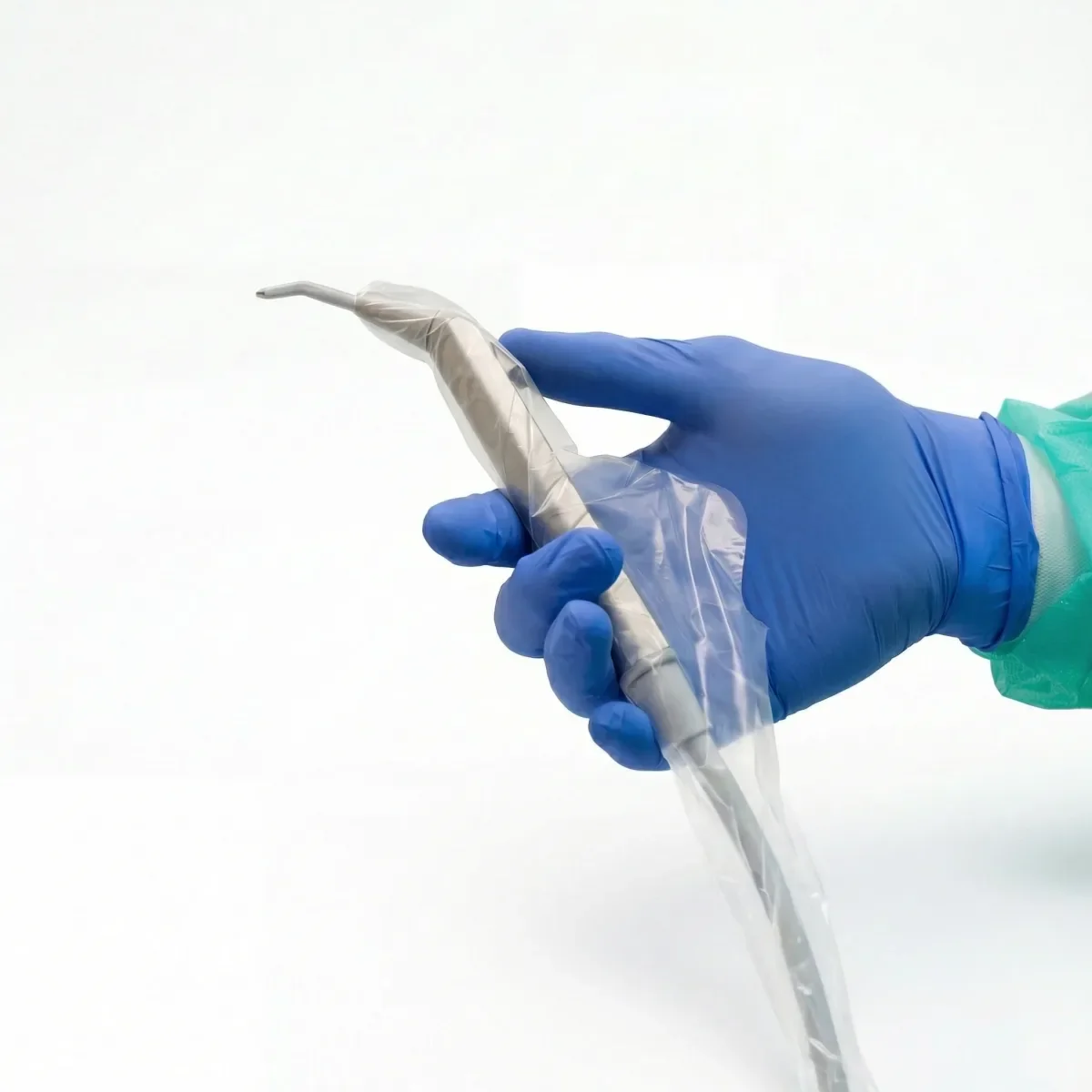
Single-use barrier consumables are not the obvious focus of this restriction. The sectors and derogations under discussion in the current drafts are framed mostly around device components and coatings, not disposable packaging film. But "not the obvious focus" is different from "confirmed exempt," and until SEAC's opinion is finalised and the Commission publishes an actual proposal, no one, including us, can tell you with certainty how any specific product category will eventually be classified.
What to check
- Note the actual dates: SEAC's final opinion is due by the end of 2026, and a Commission proposal is not expected before 2027. There is no near-term deadline for your practice to act on.
- If you buy equipment with known fluoropolymer components, ask your supplier whether they are tracking this restriction and what their current material documentation says.
- Keep supplier material declarations on file as they arrive over the next few years. Several EU member states already require businesses to report PFAS use above certain thresholds, separately from this REACH restriction.
- Don't replace anything yet on the strength of this news. The medical device derogations under discussion, if adopted as drafted, run well into the 2030s for most applications.
Sources
- RAC and Draft SEAC Opinions Support REACH PFAS Restriction with Targeted Derogations; Comments on Draft SEAC Opinion Due May 25 — Bergeson & Campbell, P.C., 2026-08-25
- Europe's PFAS Restriction Proposal Is Moving Forward — White & Case LLP, 2026-08-25