What "Recyclable" and "Biodegradable" Actually Mean on a Barrier Box
Why this matters now
More barrier boxes now arrive printed with a green claim: recyclable, biodegradable, eco-friendly. At the same time, two independent pieces of research published in the last two years have started putting real numbers on how much single-use plastic a dental day actually generates, and FDI World Dental Federation has turned the subject into a standing initiative aimed at the whole supply chain. For whoever reorders sleeves and envelopes, that means the label on the box is more likely to be real, more likely to be asked about, and more likely to be misunderstood.
What actually changed
A 2024 quality improvement project published in the British Dental Journal estimated that an average routine adult dental procedure in the UK uses around 21 single-use plastic items, and put a conservative UK-wide estimate at 720 million dental single-use plastic items becoming waste every year. The same piece named gloves, masks, wipes, sterilisation sleeves and tray liners as the main contributors, and noted that only 9% of all plastic ever produced has been recycled globally, which is the context any recycling claim on a dental product has to be read against.
A separate 2025 review in the World Academy of Sciences Journal, looking at microplastics in dentistry, independently named sterilisation packets, barrier covers, disposable trays, syringes and PPE among the dental office items contributing to plastic waste. Two unrelated pieces of research naming the same category of product, a year apart, is the kind of corroboration that turns an anecdote into a pattern.
At the federation level, FDI World Dental Federation has been running a Sustainability in Dentistry task team since 2023, holding a dedicated summit in June 2025 and running annual sustainability awards. Its declared aim is a Sustainability Code of Practice for the dental supply chain and an interactive toolkit for practices, meaning this is moving from individual supplier marketing toward something closer to an industry standard, though that standard does not exist yet.
What this means in the operatory
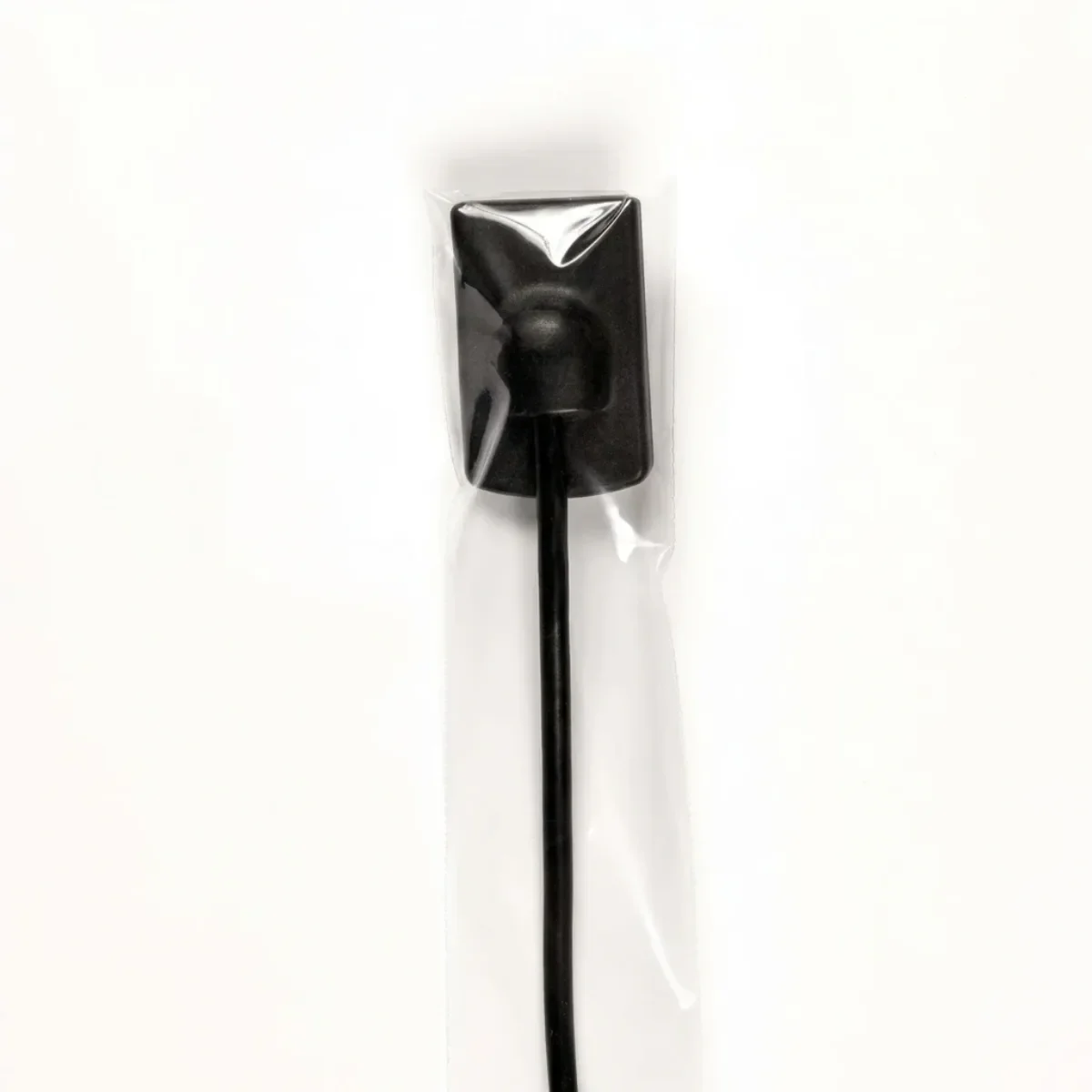
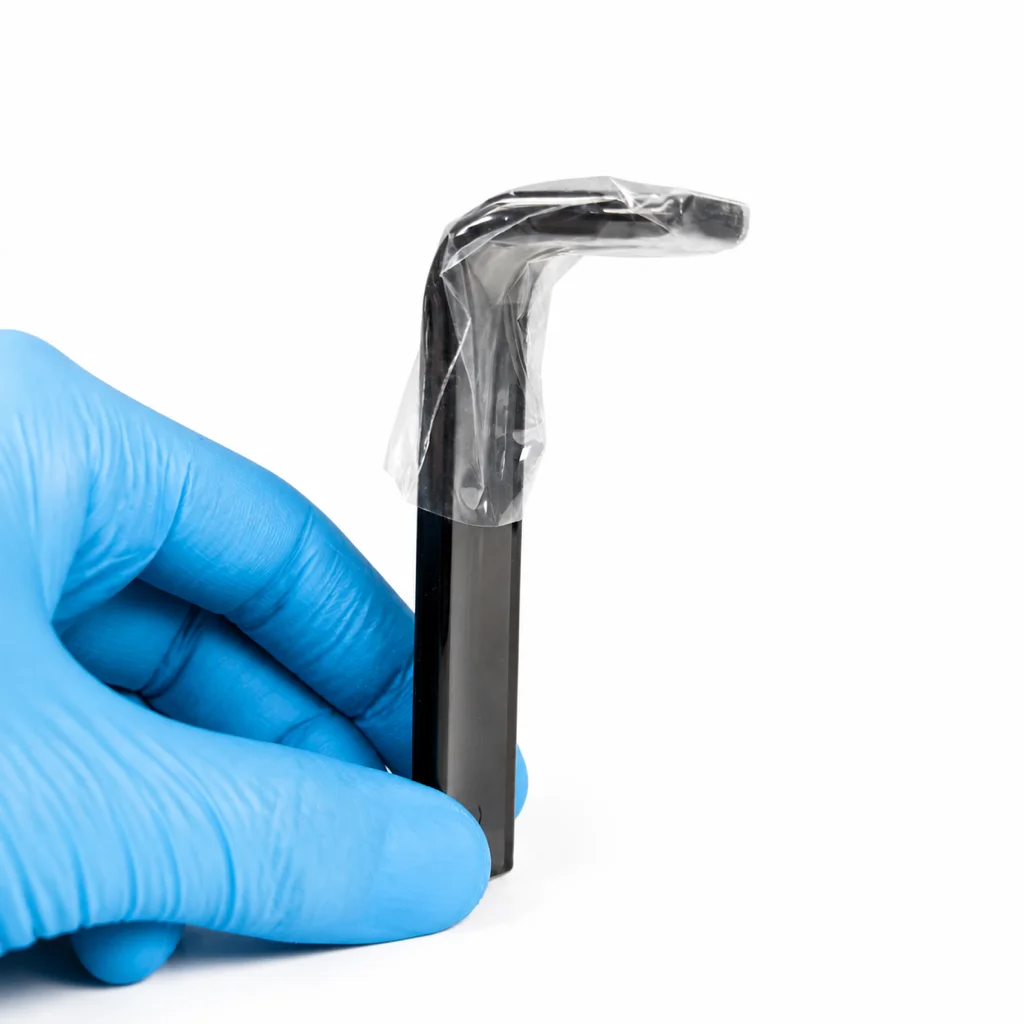
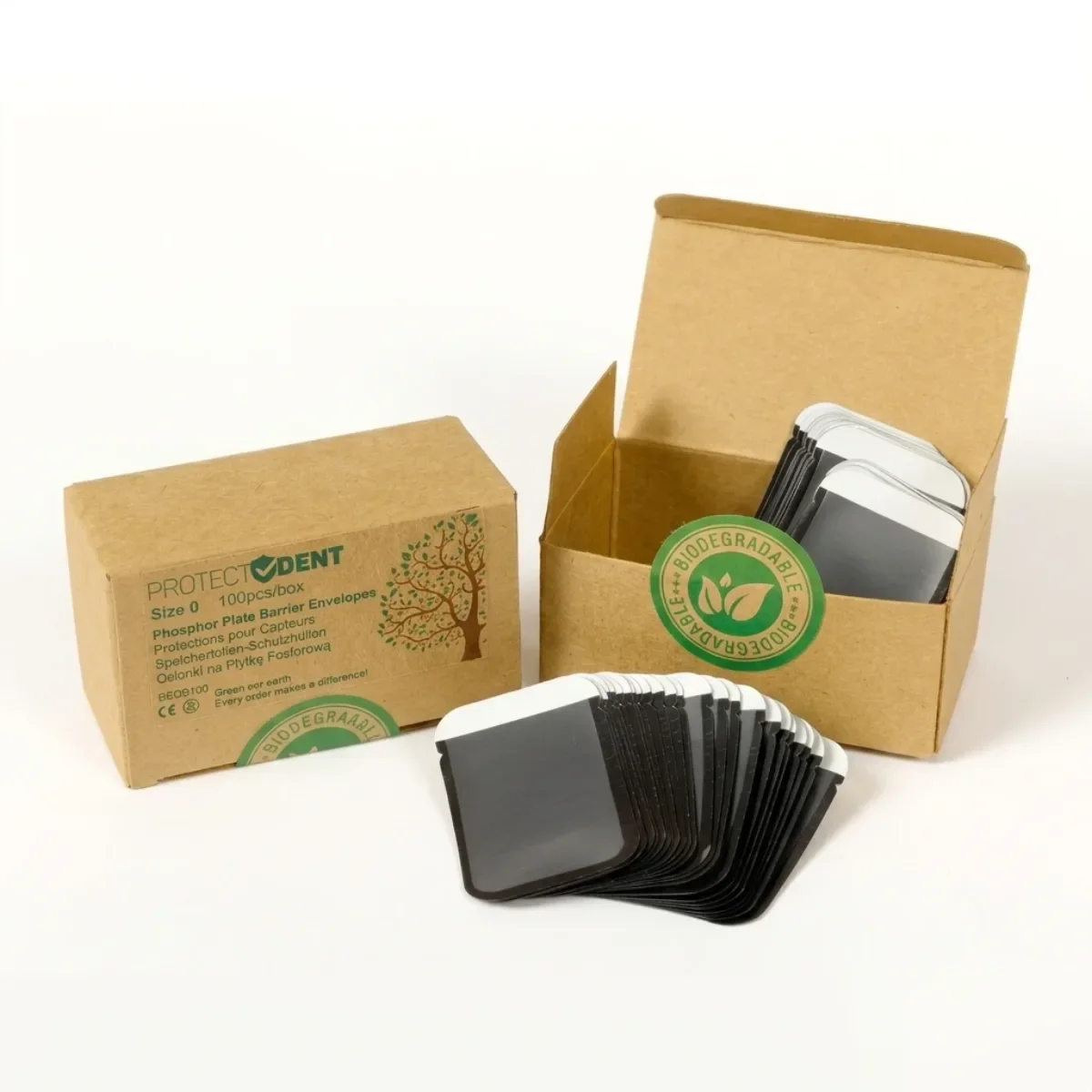
A sustainability claim on a barrier product usually describes one of two different things, and it matters which one. The first is the packaging: the cardboard box the sleeves ship in. The second is the material the sleeve itself is made from. A product can carry either claim, both, or neither, and they behave completely differently once you have used the product.
The box is straightforward. If it is genuinely recyclable cardboard, it goes in with your normal paper and cardboard recycling, the same as any other supply delivery.
The sleeve is not straightforward, regardless of what it is printed as being made from. Once a barrier sleeve, envelope or cover has been on a patient or on equipment during a procedure, it is contaminated single-use waste and follows your existing waste protocol, not a recycling stream. A recyclable or biodegradable material claim on the sleeve itself describes the unused product, not what you do with it after use. This is worth being explicit about internally, because it is the point most likely to get lost between a supplier's marketing copy and what actually happens at the bin in the operatory.
The Centre for Sustainable Healthcare's Sustainable Dentistry guide takes a practical view of where a practice's actual influence lies: it recommends starting with a plastic audit, counting what is genuinely used per procedure, before changing suppliers or products, and it specifically recommends raising sustainability and recycling questions directly with manufacturers rather than assuming a label answers them. That is a more useful starting point than reading claims off a box, because it tells you what you are actually working with before you decide what, if anything, to change.
What to check
- Ask the supplier whether a stated claim applies to the sleeve material, the packaging, or both. They are not the same thing and a box can legitimately state one without the other.
- Remember that a used barrier sleeve is clinical or general waste under your existing protocol regardless of what it is made from. A material claim does not change disposal after use.
- Confirm the packaging is accepted by your actual waste contractor or local collection, not just marked with a recycling symbol.
- Run a short count of what you use per procedure before changing any product. The 2024 British Dental Journal project used exactly this approach across 12 practices and found real variation between them.
- Ask whether the manufacturer will discuss material composition and recycling questions directly, rather than relying on packaging copy alone.
None of this changes what a barrier is for. Infection control does not become optional because a product is described as eco-friendly, and a claim about the box or the raw material is not a claim about what happens once the product has done its job.
Frequently asked questions
Does a biodegradable barrier sleeve mean I can put a used one in regular recycling?
No. Once a sleeve has been used on a patient or on equipment it is contaminated single-use waste and follows your existing waste protocol, whatever material it is made from. A biodegradable or recyclable claim describes the unused product or its packaging, not disposal after use.
What is the difference between a recyclable packaging claim and a biodegradable material claim on a barrier product?
They describe two different things: the box the sleeves ship in, which is often genuinely recyclable cardboard, and the plastic the sleeve itself is made from. A product can state one, both, or neither, so it is worth checking which claim you are actually looking at.
How much single-use plastic does a typical dental procedure use?
A 2024 British Dental Journal quality improvement project estimated an average routine adult procedure in the UK uses around 21 single-use plastic items, contributing to a conservative estimate of 720 million such items becoming waste annually across UK practices.
Is there an industry standard yet for sustainability claims on dental barrier products?
Not a single one. FDI World Dental Federation has run a Sustainability in Dentistry initiative since 2023 and is developing a Sustainability Code of Practice for the supply chain, but there is currently no unified label or certification across the industry.
What is the most useful first step for a practice trying to reduce its barrier plastic footprint?
The Centre for Sustainable Healthcare recommends running a plastic audit first, counting what is actually used per procedure, before changing suppliers or products, and raising material and recycling questions directly with manufacturers.
Sources
- Plastics and dentistry – what can be done? — British Dental Nurses' Journal, 2026-09-05
- Sustainable Dentistry: How-to Guide for Dental Practices — Centre for Sustainable Healthcare, 2026-09-05
- Sustainability in Dentistry — FDI World Dental Federation, 2026-09-05
- The Silent Invasion of Microplastics in Dentistry (Review) — World Academy of Sciences Journal, 2026-09-05