A Dental Inspector's Top 3 Infection-Control Gaps, and the Fix
What the inspector sees first
Most infection-control gaps in a dental practice are not about equipment. They are about habits at the end of a long list: hands, personal protective equipment and the gloves used in the sterilisation room. A recent Infection Control Today video put this into plain terms. Sherrie Busby, who writes The Clean Bite column, talked with Lori Serna-Pate, a dental board inspector in Maryland and the District of Columbia, about the three violations she sees most often.
Those inspections are American, and your national rules will differ. But the habits are the same in every operatory, which is why the list is worth ten minutes of your team meeting.
The three gaps, and a Monday-morning fix for each
1. Hand hygiene between gloves
The article notes that OSHA and CDC expect hand hygiene before putting gloves on and after taking them off, yet teams often swap gloves without it. The OSHA bloodborne pathogens standard says employers must ensure employees wash their hands immediately or as soon as feasible after removing gloves (29 CFR 1910.1030, paragraph (d)(2)(v)).
The fix suggested in the interview is to attach the habit to something you already do. For example, sanitise your hands while you ask the patient, "Do you have any questions before we begin?" Nobody has to remember a separate step.
2. PPE worn as a uniform
Common errors listed were not using PPE when needed, wearing it as a uniform, and keeping clinical barriers on outside treatment areas. The OSHA text is direct: all personal protective equipment must be removed before leaving the work area (paragraph (d)(3)(vii)).
Suggested fixes: take the jacket or gown off when you leave the clinical area, agree a team pact to remind each other, and put hooks by the operatory door so removal is easy.
3. Utility gloves in the sterilisation area
Utility gloves are needed when handling sharps and chemicals in the sterilisation area. The practical advice was to supply puncture- and chemical-resistant gloves that fit, not dishwashing gloves, and to offer several sizes or assign personal pairs.
Where surface barriers fit in
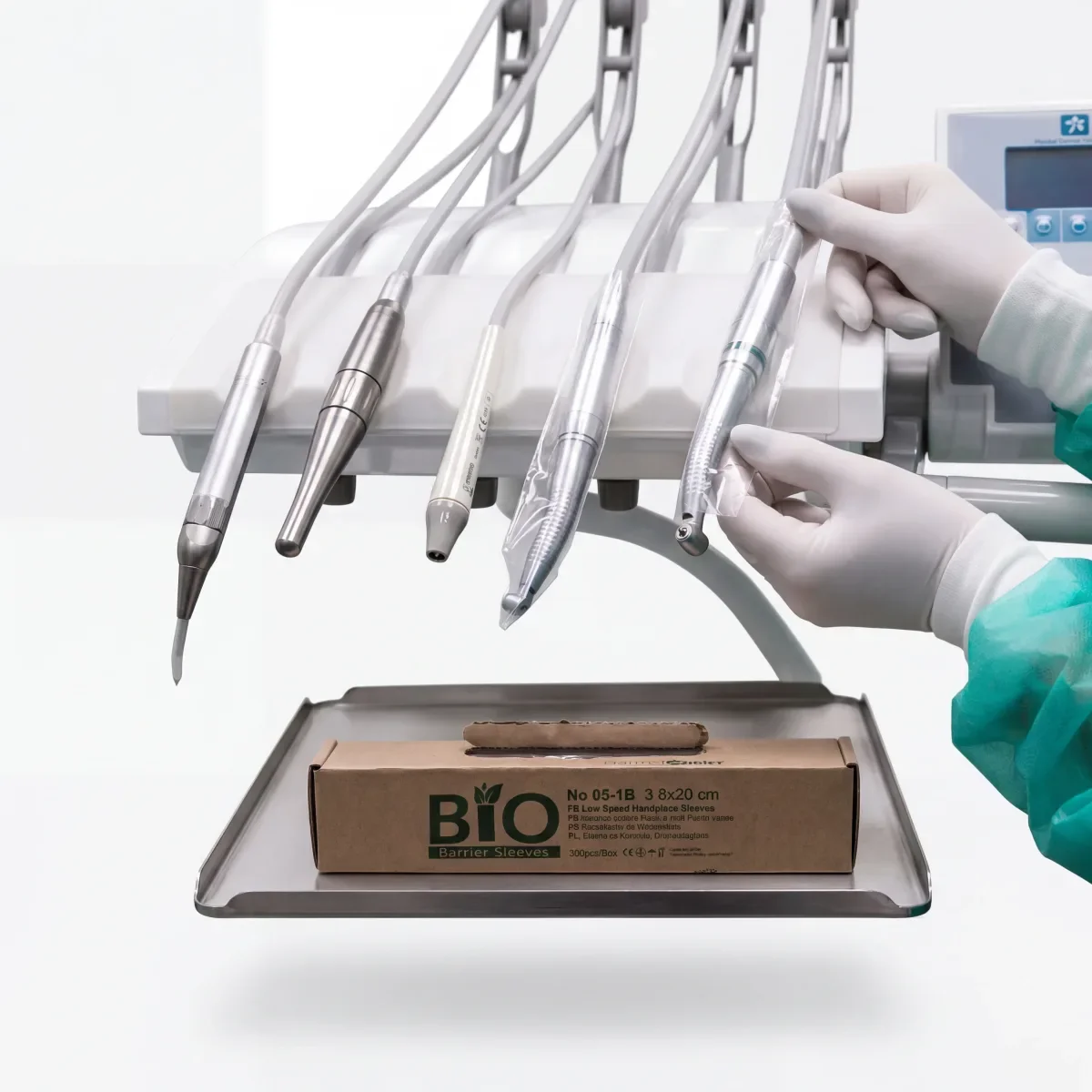
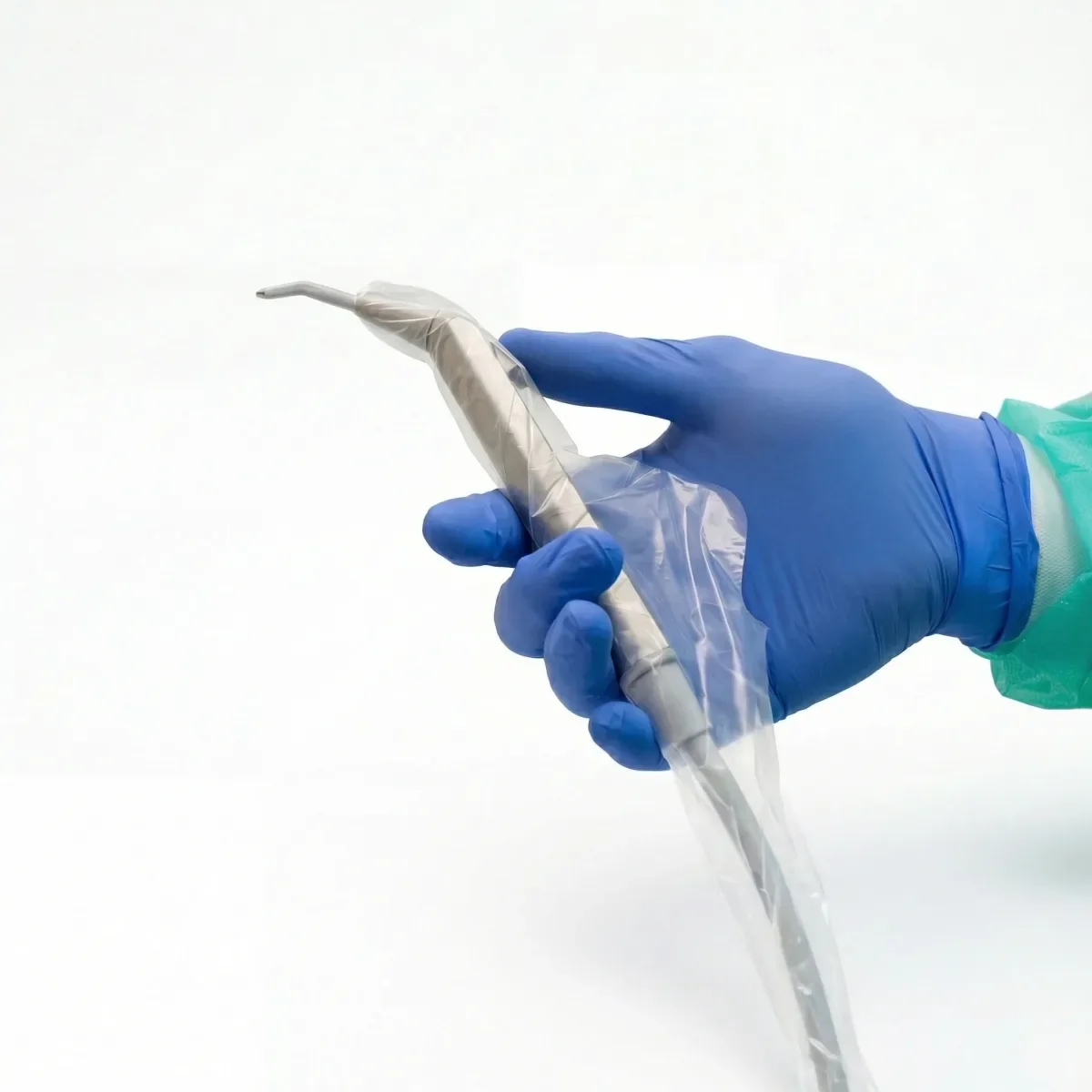
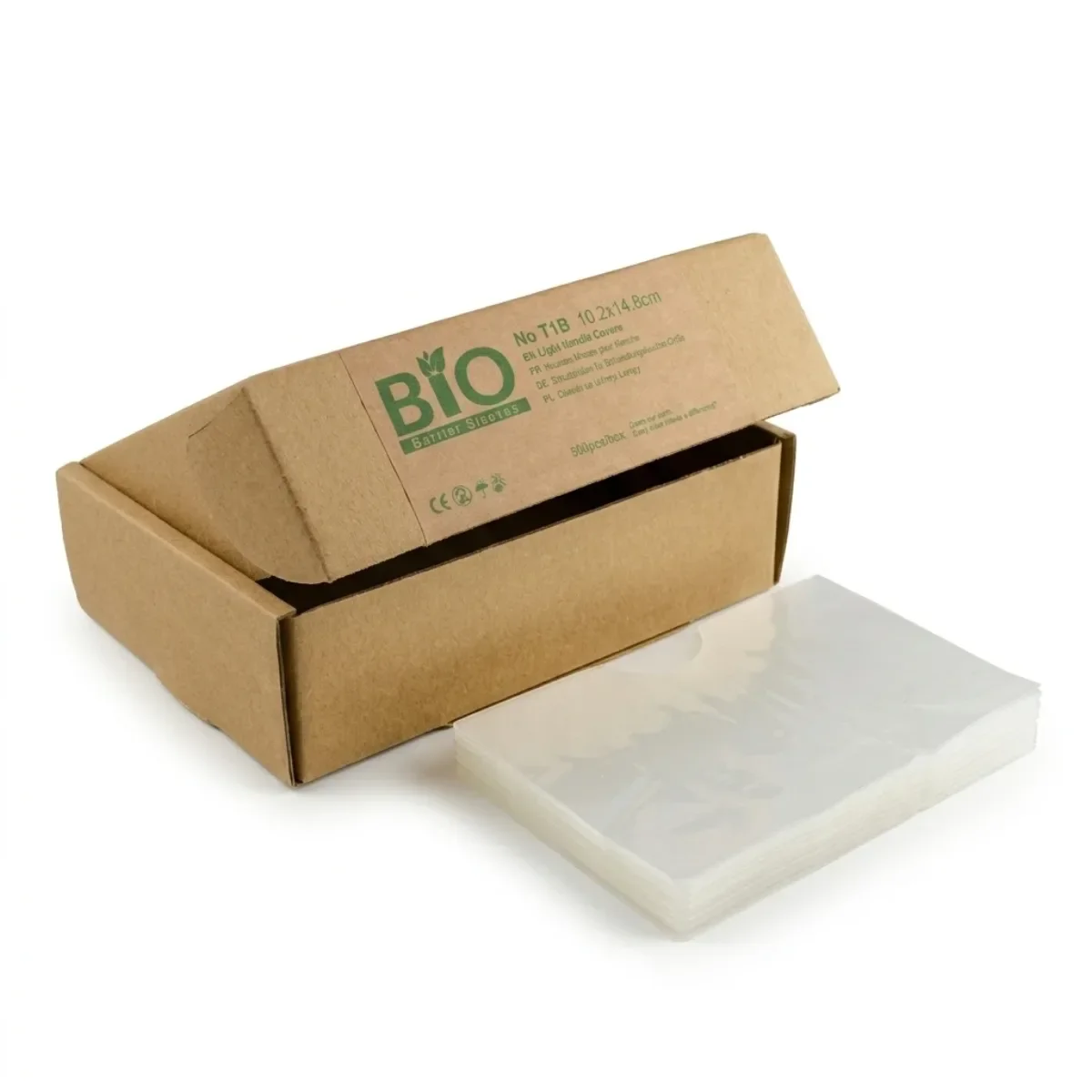
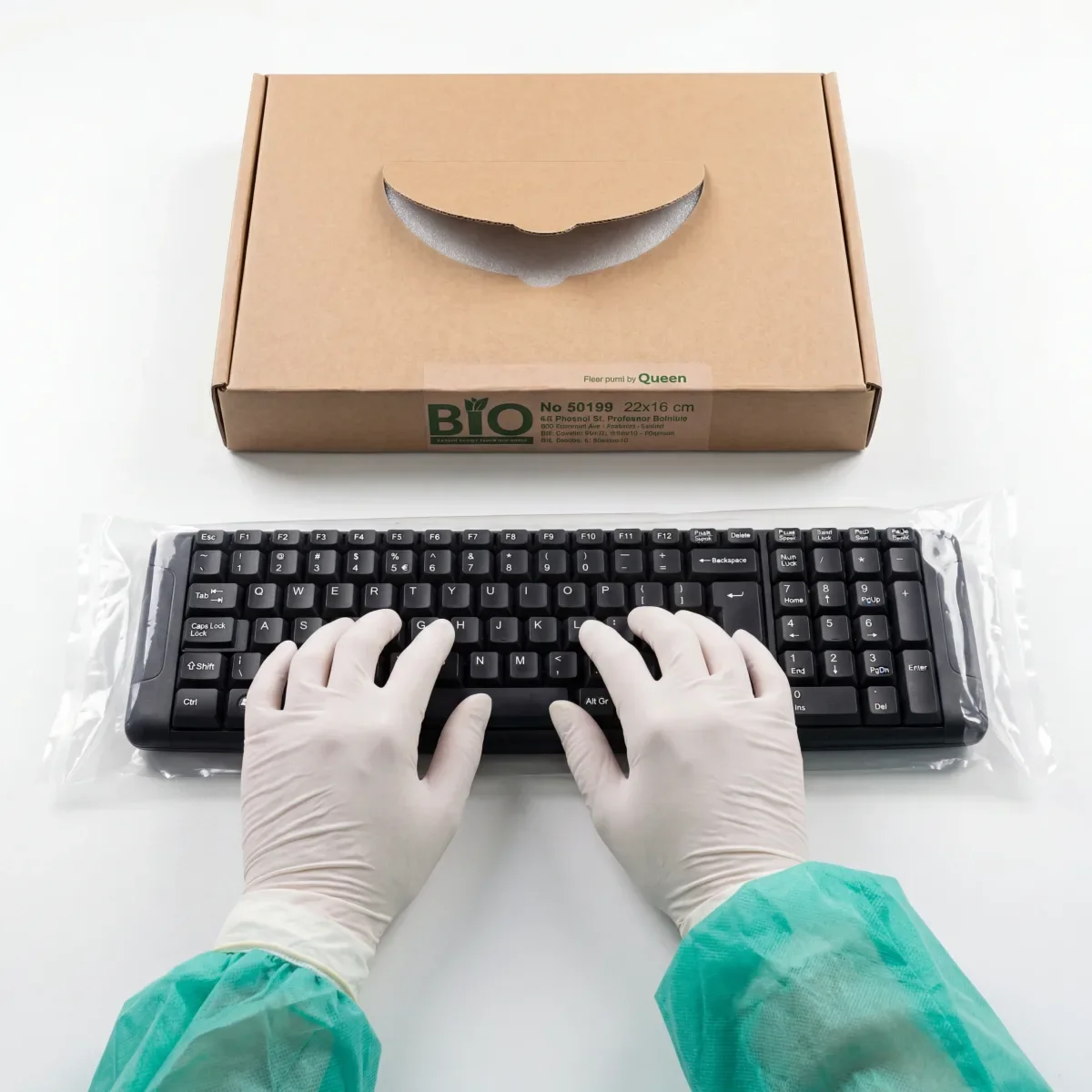
None of the three gaps is solved by a sleeve. But the same OSHA standard covers protective coverings on equipment and surfaces: they must be removed and replaced as soon as feasible when they become overtly contaminated (paragraph (d)(4)(ii)(B)). That is a workflow question. If the covers are at the chairside, and sized for the handpiece, syringe and light handle you actually use, the changeover between patients takes seconds and is less likely to be skipped under time pressure.
A quick audit you can do this week:
- Walk one operatory and list every surface you touch with gloves on: handles, syringe, keyboard, light.
- Mark which ones have a cover and which depend on wipe-down alone.
- Check that the covers and spare gloves are stored where the work happens, not in a back room.
- Ask the newest team member to show you the changeover. Gaps show up quickly.
A training date worth knowing
The ADA is running a live webinar, "Infection Control and OSHA: What Every Team Member Must Know and Do," on Dec. 3, from 5 to 8 p.m. CST (ADA News). The page lists OSHA bloodborne pathogens requirements, CDC recommendations for dental settings and guidance from professional organisations, plus practical steps for sterilisation, instrument reprocessing, waterline management, environmental cleaning, PPE use and administrative controls. It carries three continuing-education credits, and early registration gets a 10% discount until Nov. 18. It is a US event and US rules, so check what applies in your country, but the checklist topics travel well.
What to do with this
Pick one gap, not all three. Make it visible, fix the physical set-up (hooks, glove sizes, sanitiser at the point of use), and re-check in a month. Habits change when the environment makes the right action the easy one.
Frequently asked questions
Does a barrier sleeve replace hand hygiene or PPE rules?
No. Barriers cover equipment surfaces. Hand hygiene after glove removal and removing PPE before leaving the work area are separate requirements in the OSHA bloodborne pathogens standard.
Are these inspection findings relevant outside the US?
The inspector works in Maryland and DC, so the rules cited are American. The habits behind them apply in any operatory, but check your own national requirements.
Sources
- Infection Control and OSHA webinar announcement (ADA News) — ADA News, 2026-11-16
- The Clean Bite discusses 3 most common dental infection control violations — Infection Control Today, 2026-11-16
- 29 CFR 1910.1030 Bloodborne pathogens — OSHA, 2026-11-16