Repurposed Gowns as Chair Covers: What a 2026 Study Does Not Show
A study published in July 2026 in Frontiers in Dental Medicine took disposable polypropylene surgical gowns, cleaned them and turned them into dental chair covers. It is an interesting piece of waste research. It is also easy to misread, so here is what it did and did not show, and what it means for the way you cover surfaces on Monday morning.
What the researchers did
The team worked in a university dental clinic in Peru between August and November 2025. They collected 286 disposable SMS polypropylene gowns after a single clinical use. Each gown was cleaned with neutral detergent, immersed in a 0.1% sodium hypochlorite solution, rinsed with sterile water, air-dried and then given a dry-heat step at 70–75 °C. The finished items were used as chair covers during training procedures that do not generate aerosol.
Of the 286 gowns, 205 (71.7%) were repurposed. The others were set aside: 22% for visible contamination and 8% for damage at the first inspection, with more removed at a second inspection. Students rated the covers 3.89 out of 5 on average. The authors estimate that about 12.9 kg of polypropylene was diverted and about 20.5 kg of CO₂-equivalent avoided, and they call these figures preliminary and not a full life-cycle assessment.
What the study does not claim
The authors are direct about the limits. They write that the work "does not aim to validate microbiological sterility or clinical repurposing of personal protective equipment". No microbiological testing was done. It was one institution, and only 25 professionals answered the questionnaire. The covers were used only on non-critical surfaces, and the authors say the findings should not be extrapolated to clinical PPE or to aerosol-generating procedures.
In plain terms: this is a feasibility study for teaching settings, not a green light to wash and reuse barriers in a treatment room.
What current guidance asks of you
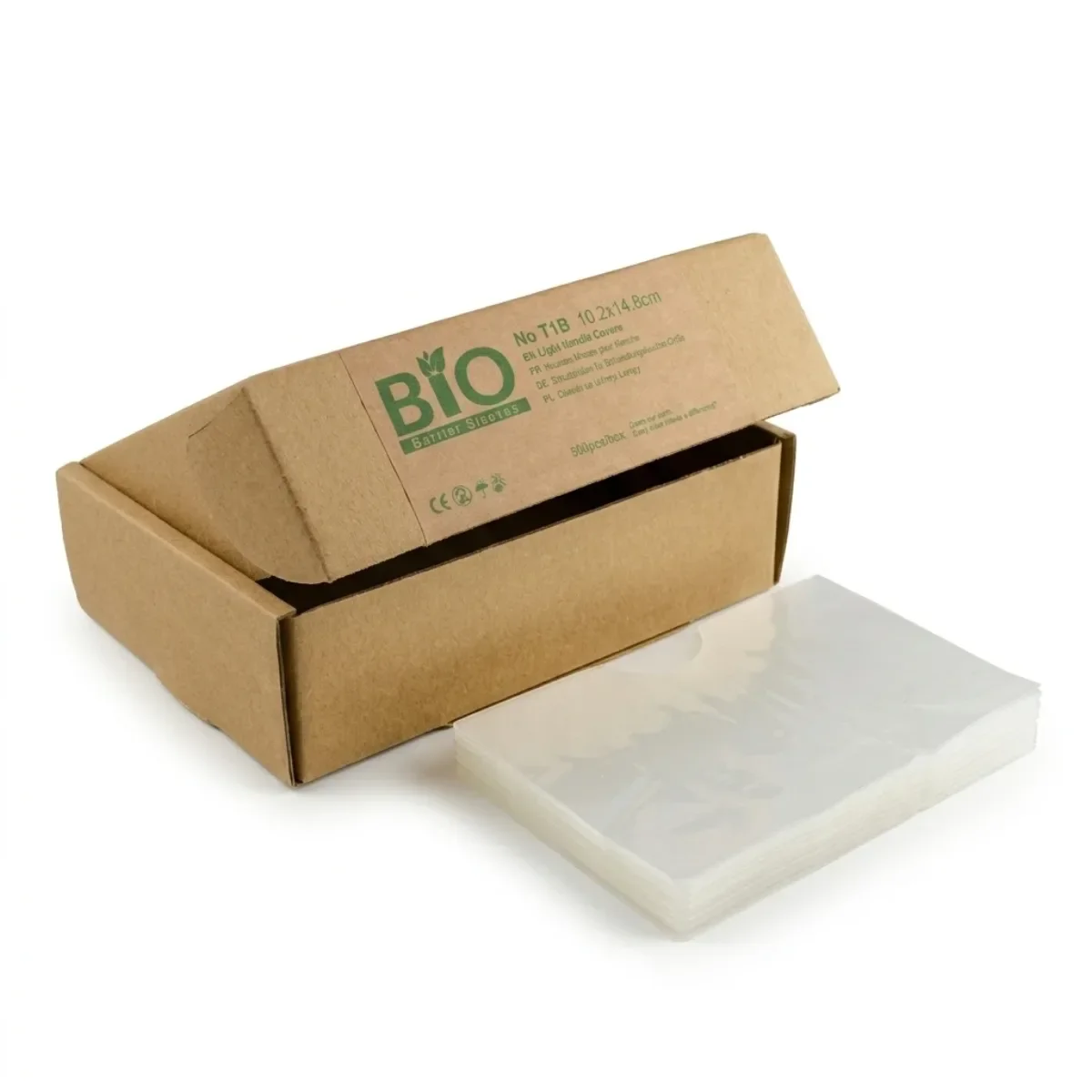
CDC guidance on environmental infection prevention says that clinical contact surfaces that are hard to clean should ideally be protected with an FDA-approved surface barrier. The barrier is replaced for each patient, and after removing it you check the surface. If the surface is contaminated, it must be cleaned and disinfected before the next patient. Where no barrier is used, the surface is cleaned and then disinfected with an appropriate hospital disinfectant.
So the rule that matters on a normal clinic day is not "which plastic" but "barrier changed every patient, surface checked afterwards". A cover that has been through a wash cycle is a different thing from a fresh, single-use cover supplied for that purpose.
Why the waste question is still fair
The pressure to cut plastic is real. A Denplan green-dentistry guide estimates that dental single-use plastics add up to about 720,000,000 items per year, and more than one billion items once PPE is included (excluding packaging). It also notes that over 20 single-use plastic items are used in an average dental procedure, and that the usual reduce-reuse-recycle strategies are not easily applied to them.
That is a reason to look at your own use, not a reason to reuse covers that were not made for it.
A practical Monday-morning check
- Count first. Walk one operatory and list every surface that gets a barrier. Check that the hard-to-clean ones are covered.
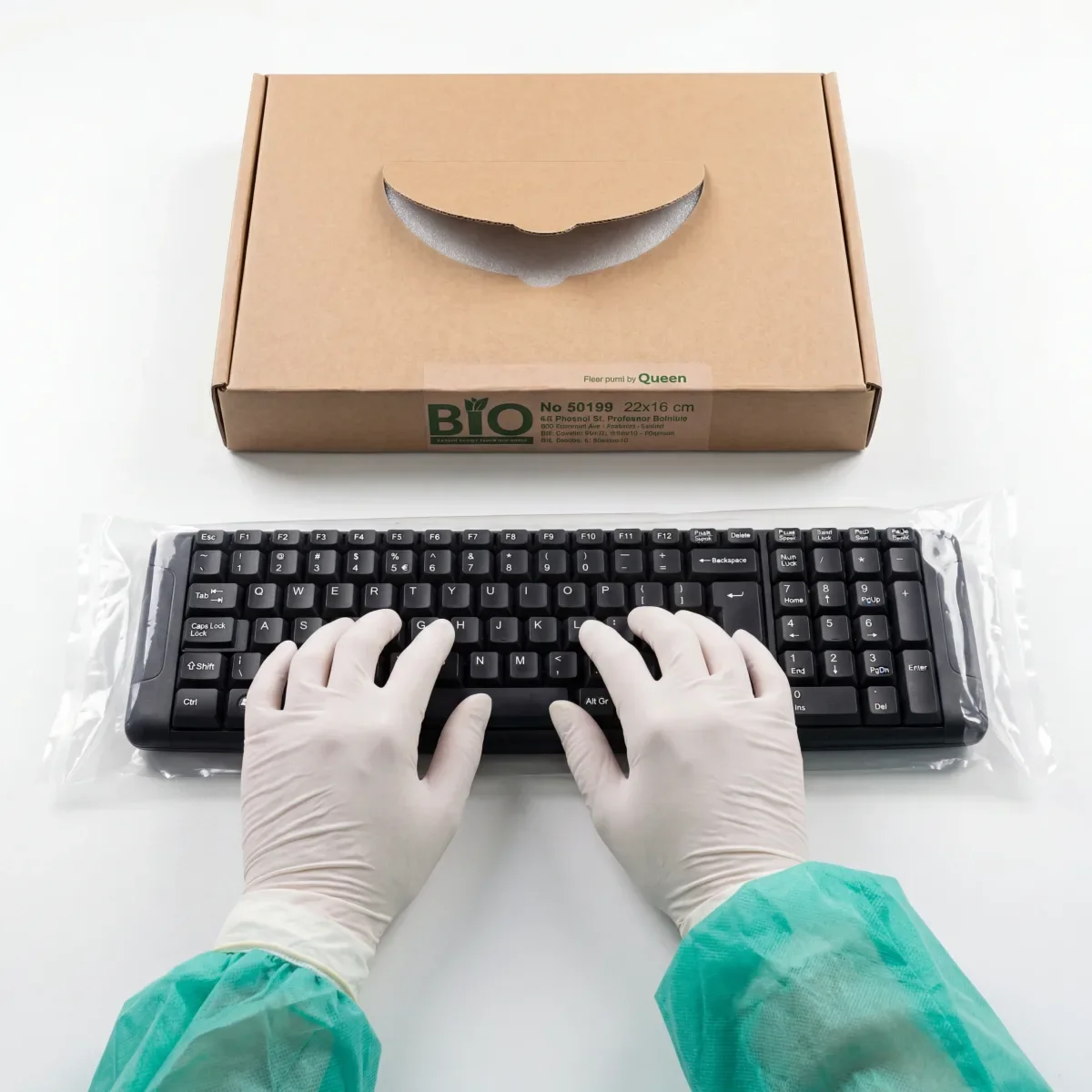
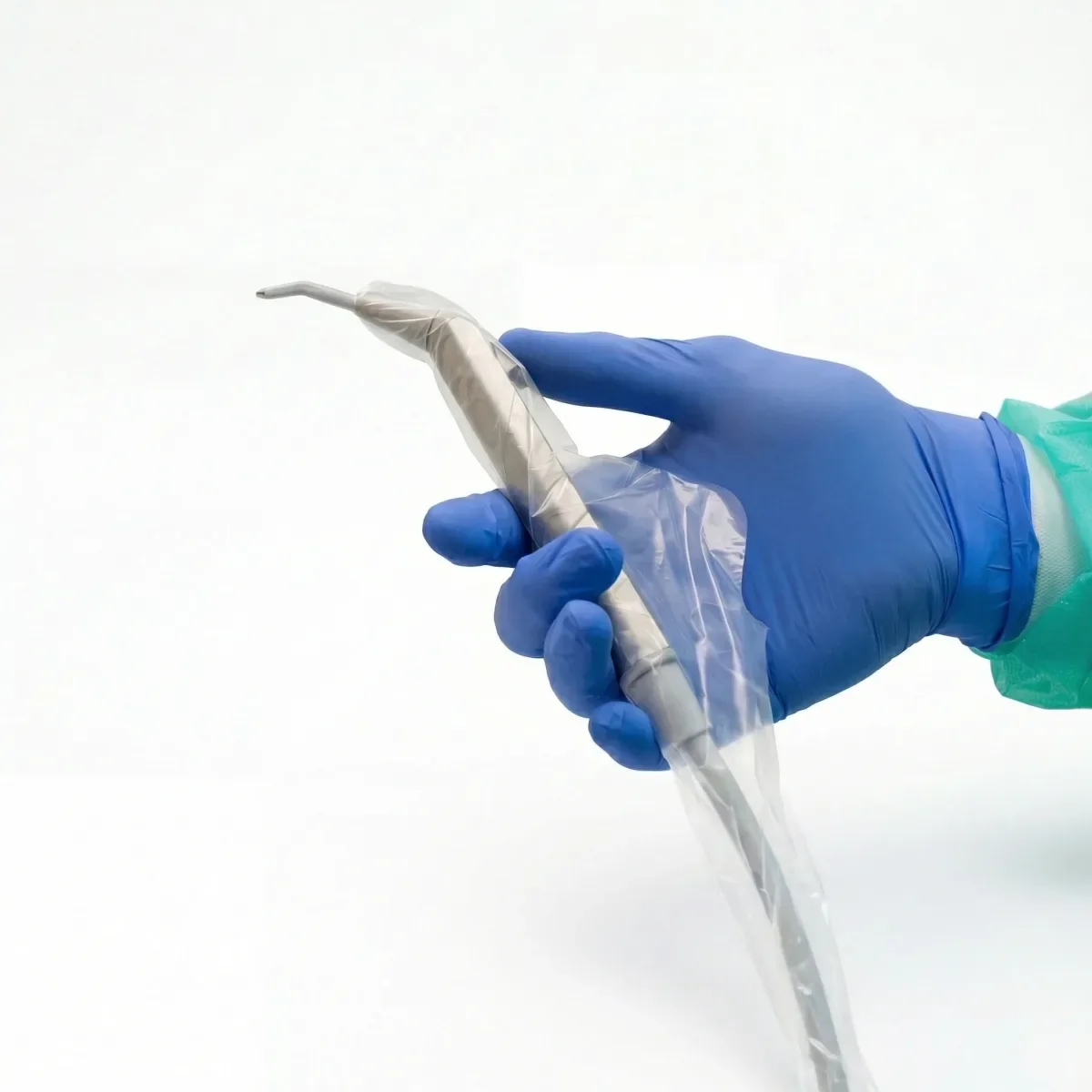
- Cover what is hard to clean. CDC names light handles, bracket trays, dental unit switches and computer equipment as examples of clinical contact surfaces.
- Change per patient, check after. Write the sequence into your turnover protocol so that the check after removal actually happens.
- Do not reuse single-use covers. If you want to cut waste, change what you cover and how much film you use per cover, not whether a cover is fresh.
- Ask your supplier for facts. If a product is described as environmentally friendly, ask what exactly that means and where it is documented.
The bottom line
The Frontiers study shows that waste reduction is being researched seriously, including in dental schools. It does not change what infection-control guidance asks of you in the treatment room: protect hard-to-clean surfaces, use a fresh barrier for each patient and check the surface after removing it. Reduce plastic by auditing what you cover, not by reusing what was made once.
Frequently asked questions
Does the study say single-use barriers can be washed and reused?
No. The authors say it does not validate sterility or clinical repurposing of protective equipment, and that no microbiological testing was done.
What does CDC guidance say about barriers on clinical contact surfaces?
Hard-to-clean surfaces should ideally be covered with an FDA-approved barrier that is replaced for each patient, and the surface is checked after removal.
How can a practice reduce plastic without reusing covers?
Start by counting what you cover in one operatory, keep barriers on hard-to-clean surfaces and review how much film each cover uses.
Sources
- Sustainable repurposing of disposable SMS polypropylene gowns in dental education: a feasibility study on material functionality and user perception — Frontiers in Dental Medicine, 2026-11-24
- Best Practices for Environmental Infection Prevention and Control — CDC, 2026-11-24
- Green Dentistry: a practical guide - Part 2 — Denplan, 2026-11-24