Planmeca's Onyx Scanner Drops the Cord. The Barrier Question Moves Elsewhere.

A scanner built to move, not stay put
Planmeca opened orders for its new intraoral scanner, Onyx, in June 2026, after first showing it at IDS 2025. The launch announcement doesn't lead with resolution or scan speed — it leads with flexibility. Planmeca says the wand "supports both wired and wireless operation," that it "moves between rooms easily," and that it works "on any Romexis workstation in the clinic network after a one-time setup." CAD/CAM Director Pontus Degerlund frames the design goal directly: "our goal was to create a scanner that adapts to the way clinicians work – not the other way around."
That's a genuinely different deployment model from a scanner that lives permanently in one surgery, tethered to one workstation. And it changes two things a barrier protocol has to account for — not by adding new rules, but by moving where the existing ones apply.
The cord was never the only touchpoint
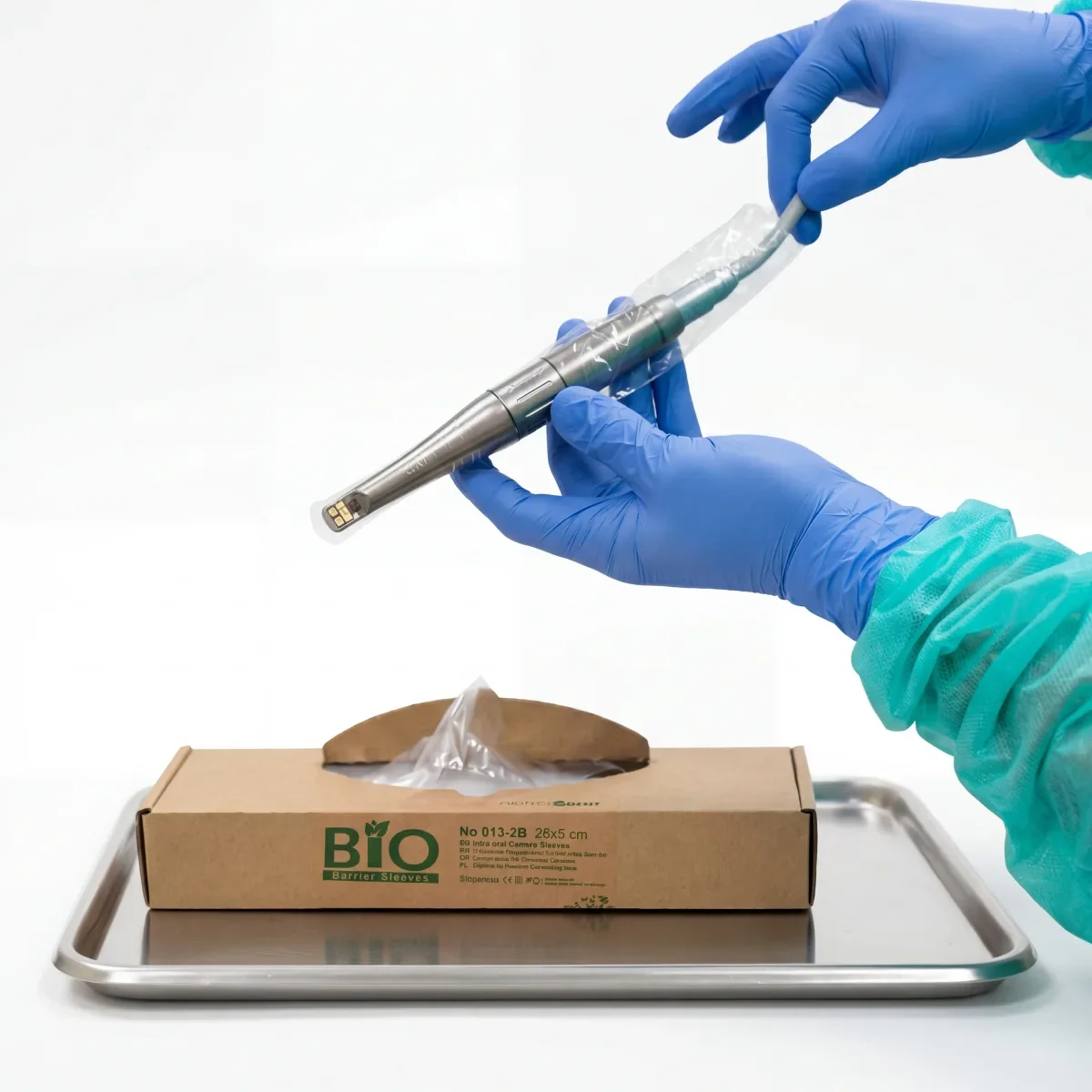
It's tempting to read "wireless" as "one less thing to sleeve." A cordless wand does remove one specific item from the turnaround checklist: there's no cable run to drape or wipe down between patients. But the cord was never the part doing the hygiene work on a scanner wand in the first place — the body and tip were, because (per the ADA's own framework for semicritical dental devices) items that contact mucous membranes "should be heat-sterilized whenever possible, or high-level disinfected," and where that's not possible, barrier protection plus disinfection between patients is the fallback.
A wireless wand doesn't change that classification. It just moves the question of where the weak point in the surface sits — from the cord to the battery. 3Shape's own documentation of its wireless TRIOS 5 scanner is explicit about this: the company built the wand "hygienically sealed up to its battery inlet" specifically so there are "no cracks or crevices that can accumulate contaminants," and it still ships with "single-use sleeves to cover the scanner body" on top of an autoclavable tip. In other words, going cordless didn't let the manufacturer drop the body sleeve — it made the seal around the battery compartment a design problem the sleeve now has to work around, not a reason to skip it.
Planmeca hasn't published the Onyx's battery-inlet or seam design at the time of writing. Until it does, the safe assumption for a practice fitting barrier sleeves is the same one that applies to any wireless wand: the battery compartment and charging contact are new seams in a surface that used to be one continuous cord-to-handle run, and the sleeve has to account for them rather than stop short of them.
What actually changes: where the scanner goes
The second change is less about the wand and more about where it ends up. A scanner that's tethered to one computer in one surgery only ever touches that computer's keyboard and mouse. A scanner built to "move between rooms easily" and connect to "any Romexis workstation in the clinic network" is, by design, going to be picked up in Room 2, carried to Room 4, and plugged into a different machine — one that another clinician's gloved hands were just on.
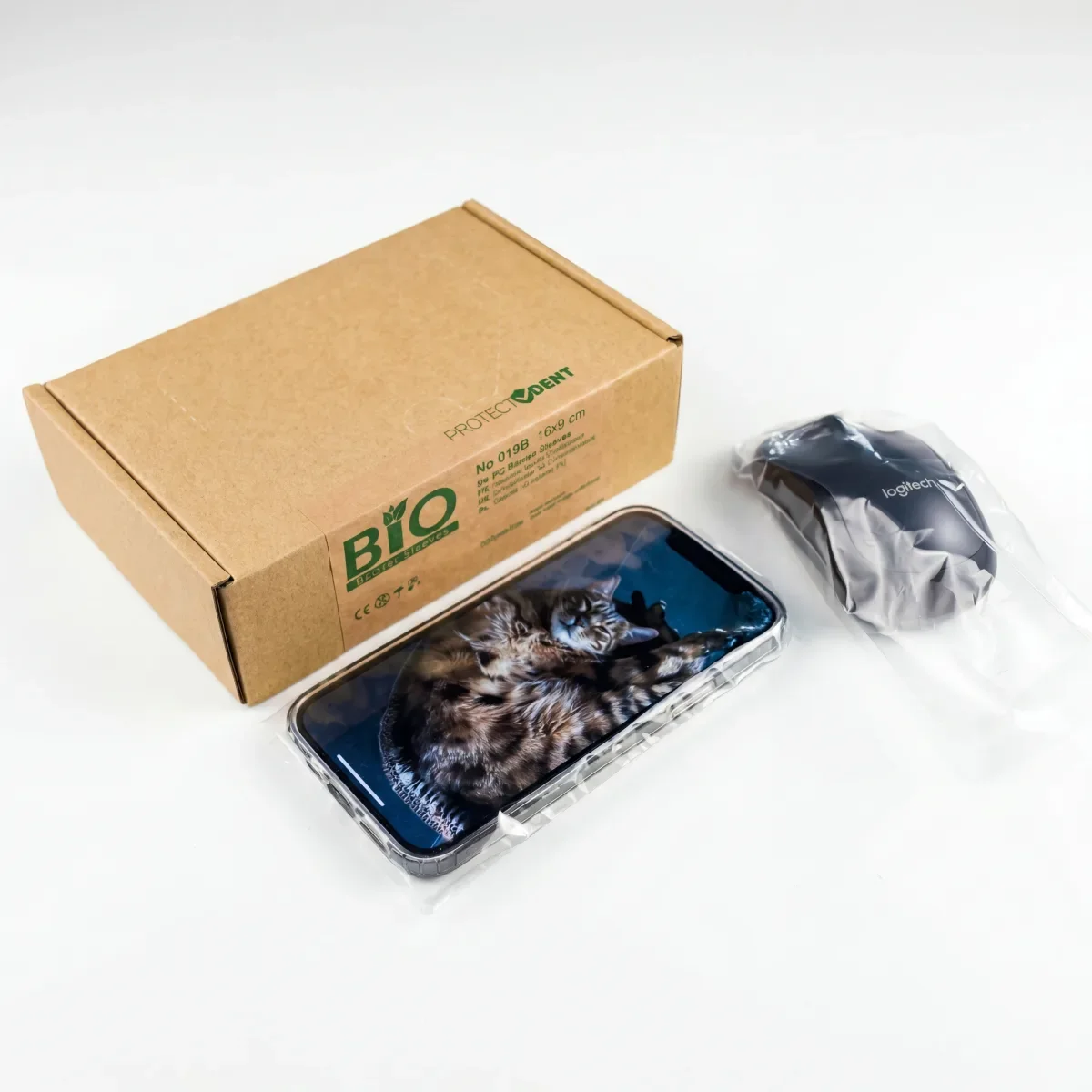
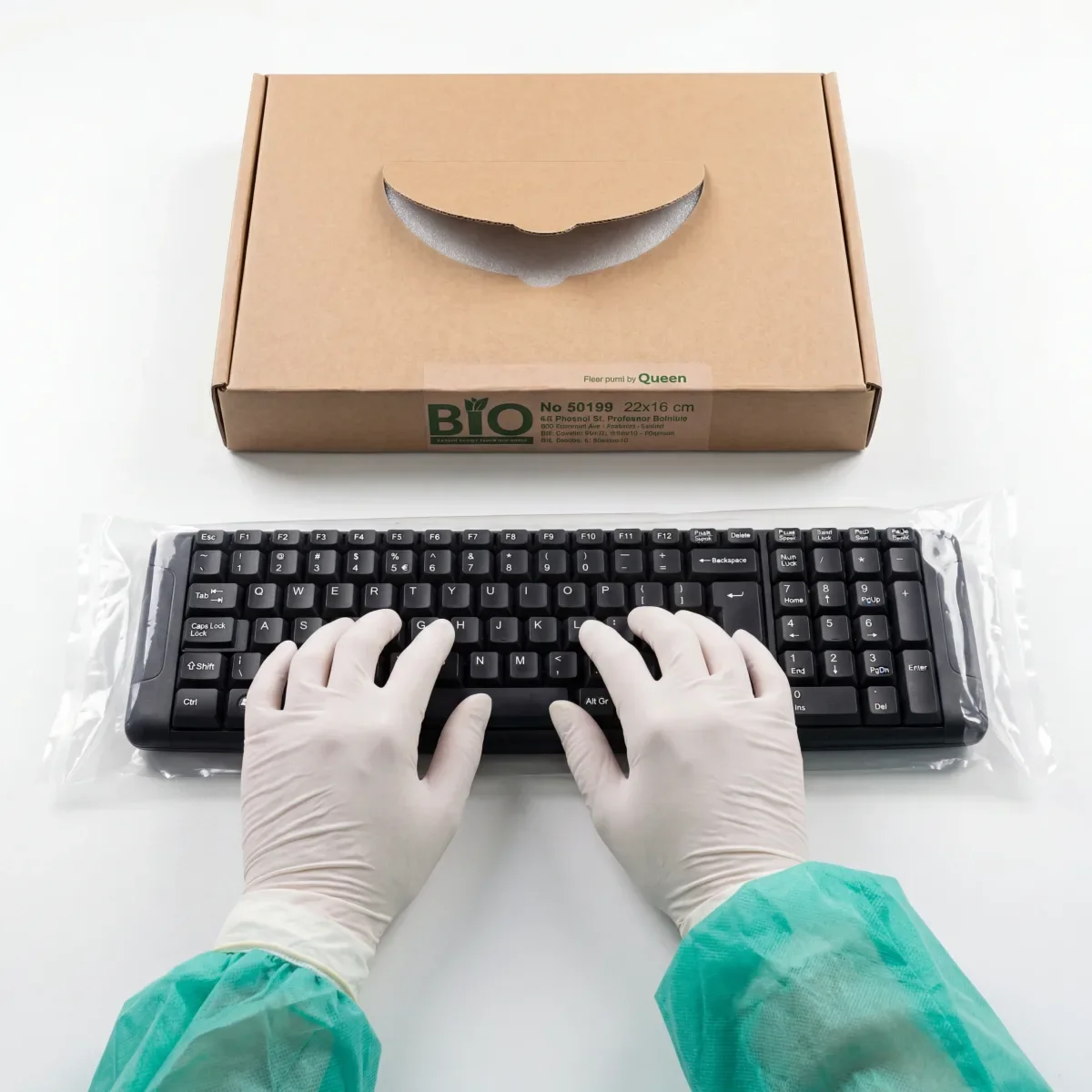
That's not a scanner-barrier problem. It's a workstation-barrier problem that a mobile scanner creates by making the clinic's computers part of the same turnaround as the chair. If the Onyx — or any scanner designed to roam — becomes part of your workflow, the keyboard and mouse at every workstation it touches are now shared surfaces in the same sense the chairside syringe or light handle already are — touched between patients, by different hands, on a schedule the practice doesn't fully control room to room.
What to check this Monday
- Ask your Planmeca rep for the Onyx's IFU on the battery compartment and charging contact specifically — not just the general reprocessing instructions for the tip and body.
- If a wireless scanner is going to move between rooms, treat every workstation it connects to as a shared-touch surface for that session, not just the room it started in.
- Don't assume "wireless" means "one fewer barrier." It usually means the barrier question moved, not that it closed.
Frequently asked questions
Does a wireless intraoral scanner need fewer barrier sleeves than a corded one?
Not based on what's published so far. Removing the cord removes one item from the cleaning routine, but the wand body and tip still contact mucous membranes and still need the same barrier-or-disinfection approach semicritical devices require. A wireless design typically adds a sealed battery compartment, which is a new seam to account for, not a reason to skip the body sleeve.
What did Planmeca actually say about the Onyx's hygiene design?
The June 2026 launch announcement says the scanner supports wired and wireless operation and moves between Romexis workstations across the clinic network. It doesn't publish specific barrier or reprocessing instructions for the battery compartment — that detail needs to come from the IFU.
Why would a roaming scanner affect the computer, not just the scanner itself?
Because a scanner designed to connect to "any workstation in the clinic network" is used, by design, on more than one computer per day. Each keyboard and mouse it touches becomes a surface shared between whoever used that workstation before and the clinician using the scanner now.
Is this specific to Planmeca, or does it apply to any wireless scanner?
It applies to any scanner built to be cordless and to roam between rooms. 3Shape's TRIOS 5 is one documented example of how a manufacturer handles the battery-seal question on a wireless wand, and the same logic applies to any device with that design.
Sources
- Planmeca's New Intraoral Scanner Now Available – Planmeca Onyx Offers Unforeseen Flexibility for Every Clinician — Planmeca Oy (Cision News), 2026-11-05
- Infection Control and Sterilization — American Dental Association, 2026-11-05
- Summary of Infection Prevention Practices in Dental Settings: Basic Expectations for Safe Care — Centers for Disease Control and Prevention, 2026-11-05
- 5Ws: TRIOS 5 Wireless Intraoral Scanner — Dental Products Report, 2026-11-05