ISO 15883-6:2026: Why Powered Equipment Still Needs a Barrier, Not a Washer
Why this matters now
ISO published a new edition of ISO 15883-6 in January 2026, replacing the 2011 version. It sets the requirements for washer-disinfectors that rely on thermal disinfection alone — without an independent automated record of the process — and its scope is narrower than the name suggests. It covers non-invasive, non-critical equipment only, and it explicitly rules out powered devices. For a practice weighing whether a washer-disinfector could take on more of its non-critical cleaning, that single word — "powered" — decides a lot of what is already wrapped in a barrier sleeve.
What actually changed
- ISO 15883-6:2026 is Edition 2, published 26 January 2026 by ISO/TC 198, Sterilization of health care products. It replaces the 2011 edition.
- Its scope is washer-disinfectors that achieve disinfection through cleaning and thermal disinfection (an A0 value of at least 60), used alongside ISO 15883-1, without needing an independent automated record of critical process data.
- It applies only to "non-invasive, non-critical devices and equipment" — items that do not penetrate skin or contact mucosal surfaces.
- It states plainly what it does not cover: "powered devices, lumened devices, and other semi-critical and critical medical devices," along with anything already governed by ISO 15883-2, -3, -4 or -7.
- That exclusion sits apart from the washer-disinfectors used to process reusable dental instruments before sterilization. NHS Scotland's decontamination guidance for dental local decontamination units specifies a washer-disinfector stage — thermal disinfection before sterilization — as part of the standard instrument workflow; that use case falls under the other parts of the ISO 15883 family, not part 6.
What this means in the operatory
The Spaulding classification behind most infection-control protocols sorts equipment by what it touches during use: critical items penetrate tissue, semicritical items contact mucous membranes, and noncritical items touch only intact skin. CDC's description of the scheme places things like blood pressure cuffs and other intact-skin-only equipment in the noncritical group, which calls for low-level disinfection rather than sterilization.
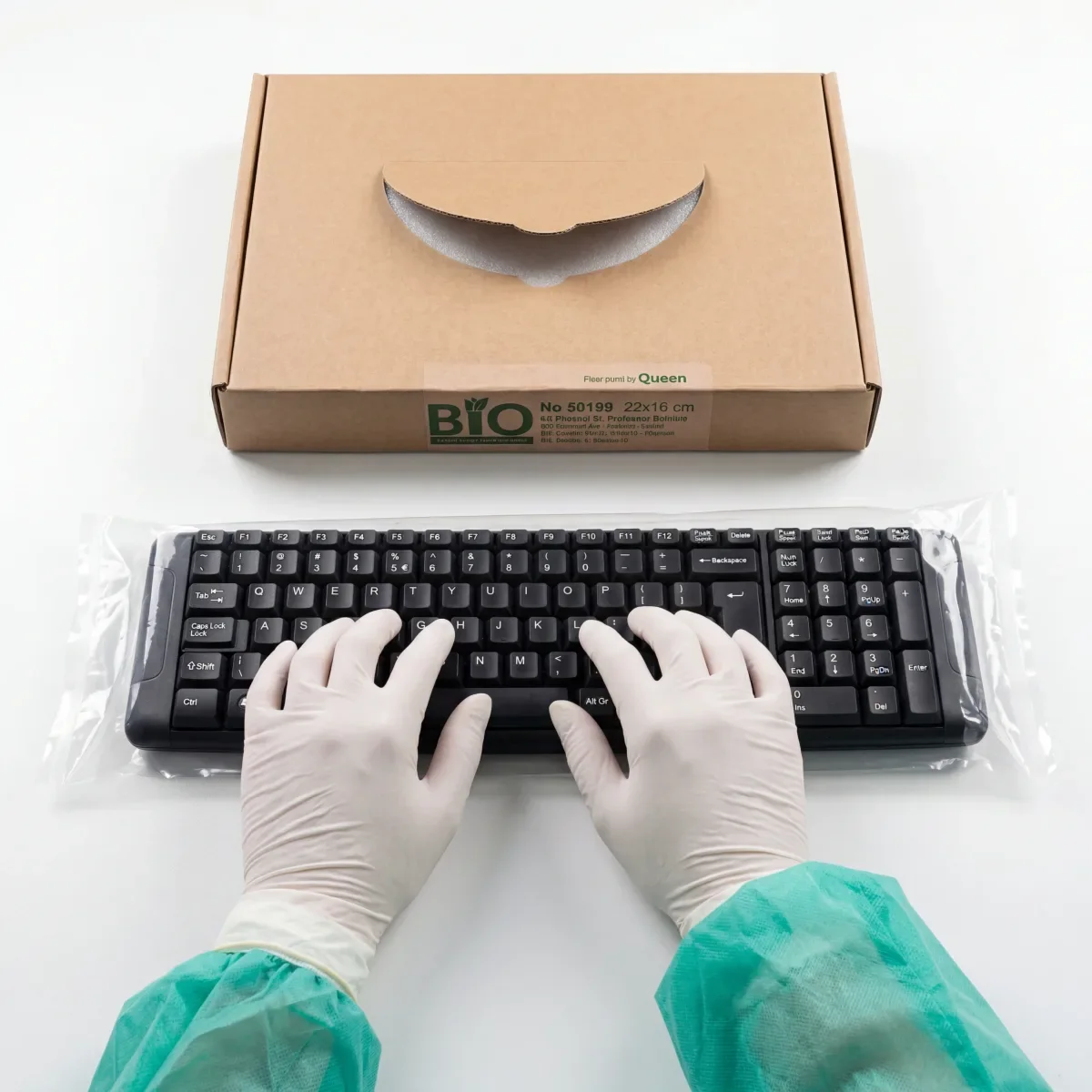
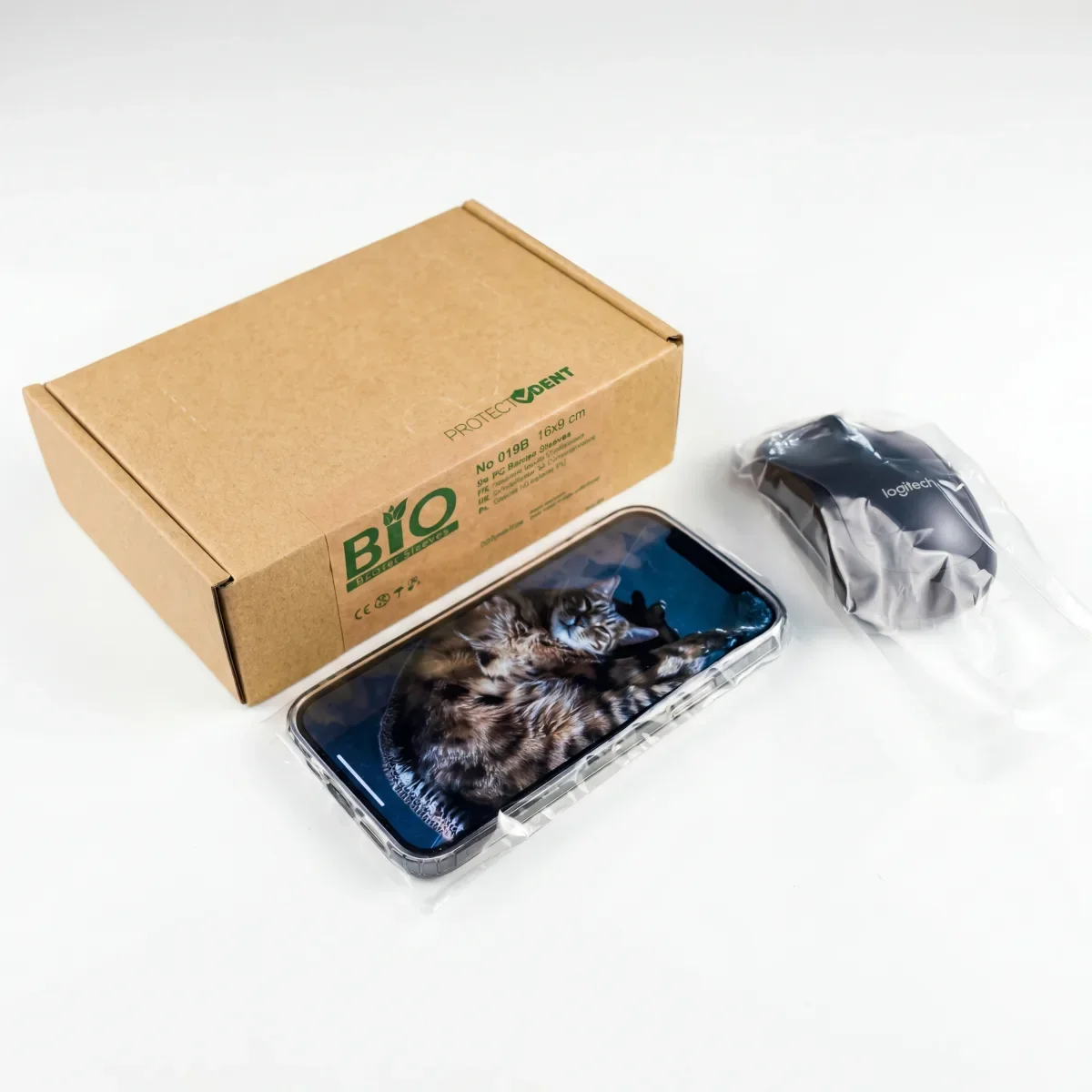
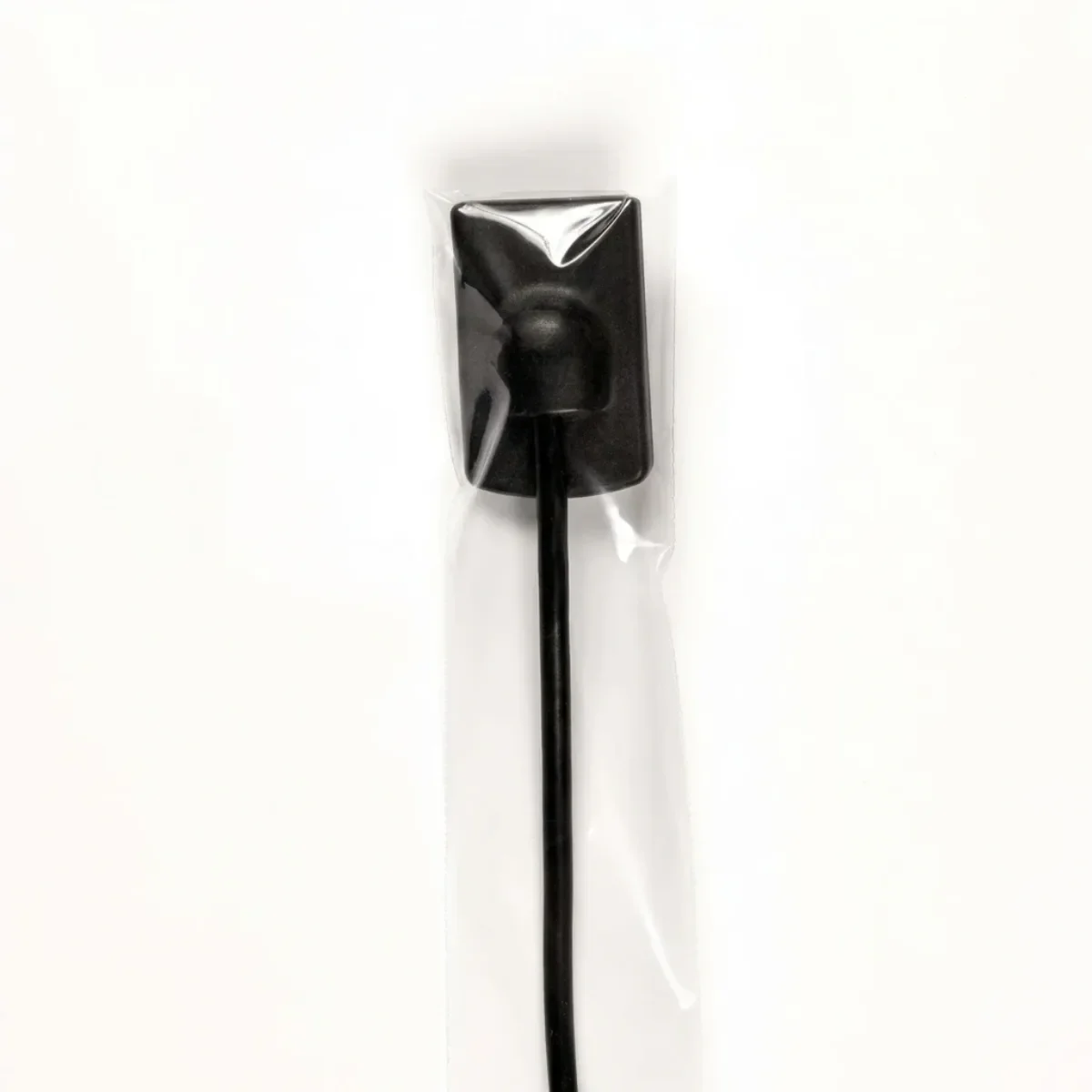
ISO 15883-6:2026 adds a second filter on top of that classification. Noncritical is necessary but not sufficient for a validated thermal washer-disinfector cycle under this standard — the device also has to be non-powered. A positioning frame, a thyroid collar, or a lead apron that is genuinely just fabric, plastic or lead-loaded vinyl can, in principle, sit inside that scope. A keyboard, a mouse, an X-ray sensor, a curing light or an intraoral camera cannot, no matter how noncritical the surface they touch is — they are powered, and the standard excludes powered devices outright.
That does not change what a practice using barrier sleeves on those items is already doing. What it does is give a practice manager a specific, current, named reason when the protocol gets questioned: the equipment is not excluded from a validated washing cycle by habit or caution. It is excluded because the standard that defines that cycle says powered devices are out of scope.
What to check
- List which of your noncritical equipment is genuinely non-powered — lead aprons, thyroid collars, positioning frames. These are the items a washer-disinfector validated to ISO 15883-6:2026 could realistically take on.
- For anything powered or cabled that only touches intact skin, such as keyboards, mice, sensor cables and curing lights, the standard excludes it from this washer-disinfector route regardless of how noncritical the contact is; barrier sleeves or wipeable disinfection remain the options.
- If any of your decontamination documentation cites ISO 15883-6 for an instrument, a cable or a powered unit, flag it for correction — the standard is explicit that those fall outside its scope.
- Keep ISO 15883-6 separate from the ISO 15883 parts your washer-disinfector actually operates under for dental instrument reprocessing. That is a different stage of the workflow, governed by different parts of the same standard family.
Frequently asked questions
Does ISO 15883-6:2026 mean our barrier sleeves on sensors and cameras are now unnecessary?
No — the opposite. The standard explicitly excludes powered devices from its scope, so a validated ISO 15883-6 washer-disinfector cycle was never going to cover electronic equipment, regardless of this update.
What equipment can actually be validated under ISO 15883-6:2026?
Non-invasive, non-critical items that are also non-powered — for example a lead apron, a thyroid collar or a positioning frame made only of fabric, plastic or lead-loaded vinyl.
Does this standard apply to the washer-disinfector we use for dental instruments?
No. Washing and thermal disinfection of reusable dental instruments before sterilisation is covered by other parts of the ISO 15883 family; NHS Scotland's decontamination guidance confirms that stage uses a washer-disinfector separate from this scope.
When was ISO 15883-6:2026 published?
26 January 2026, as Edition 2, issued by ISO/TC 198 (Sterilization of health care products), replacing the 2011 edition.
What's the difference between 'non-critical' and 'non-powered' in this context?
Non-critical, per the Spaulding classification, is about what an item touches — intact skin only. Non-powered is a separate condition the standard adds: an item can be non-critical and still fall outside ISO 15883-6 if it has a power cord or electronics.
Sources
- ISO 15883-6:2026 — Washer-disinfectors — Part 6: Requirements and tests for washer-disinfectors employing thermal disinfection for non-critical medical devices and health care equipment — ISO/TC 198, 2026-10-09
- A Rational Approach to Disinfection and Sterilization — CDC, 2026-10-09
- SHTM 01-05 Part C: Management, Equipment and Process of the Decontamination of Dental Instruments in a Local Decontamination Unit (LDU) in NHSScotland — NHS National Services Scotland / Health Facilities Scotland, 2026-10-09