EUDR Delayed to 2026: What It Means for Your Barrier Sleeve Packaging
Why this matters now
Paper and cardboard packaging are back in EU regulatory news this year. The EU Deforestation Regulation (EUDR) — the law requiring proof that timber, paper and several other commodities aren't linked to recently deforested land — has been postponed twice, most recently by Regulation (EU) 2025/2650, published in December 2025. The new application date is 30 December 2026 for large and medium companies, and 30 June 2027 for micro and small ones. That first date is now less than four months away, and it's prompting a wave of "does this apply to me" questions from anyone who buys or sells anything that arrives in a cardboard box. For a dental practice ordering barrier sleeves, the honest answer is: probably not directly — but it's worth understanding why, so a supplier's sustainability claims get read correctly rather than assumed.
What actually changed
- EUDR covers goods made from seven commodities, wood among them. Paper and paperboard fall under this by way of HS codes in chapters 47 to 49 — pulp, paper and paperboard, and printed products — according to the paper industry association CEPI's compliance guidance.
- The regulation's start date has moved twice: originally December 2024, pushed to December 2025, then pushed again to the current 30 December 2026 / 30 June 2027 dates by the postponement published in December 2025.
- The Commission's FAQ guidance draws a distinction most headline coverage skips: packaging material used exclusively to support, protect or carry another product placed on the market is not a "relevant product" under EUDR, regardless of what HS code it would otherwise fall under. The forestry-certification body Preferred by Nature confirms the same reading in its review of the FAQ updates.
- That exclusion covers the box, wrap or void-fill a product ships in. It stops applying if the packaging is instead sold, rented or exported as a standalone item — a pallet resold on its own, for example, rather than one carrying goods.
What this means in the operatory
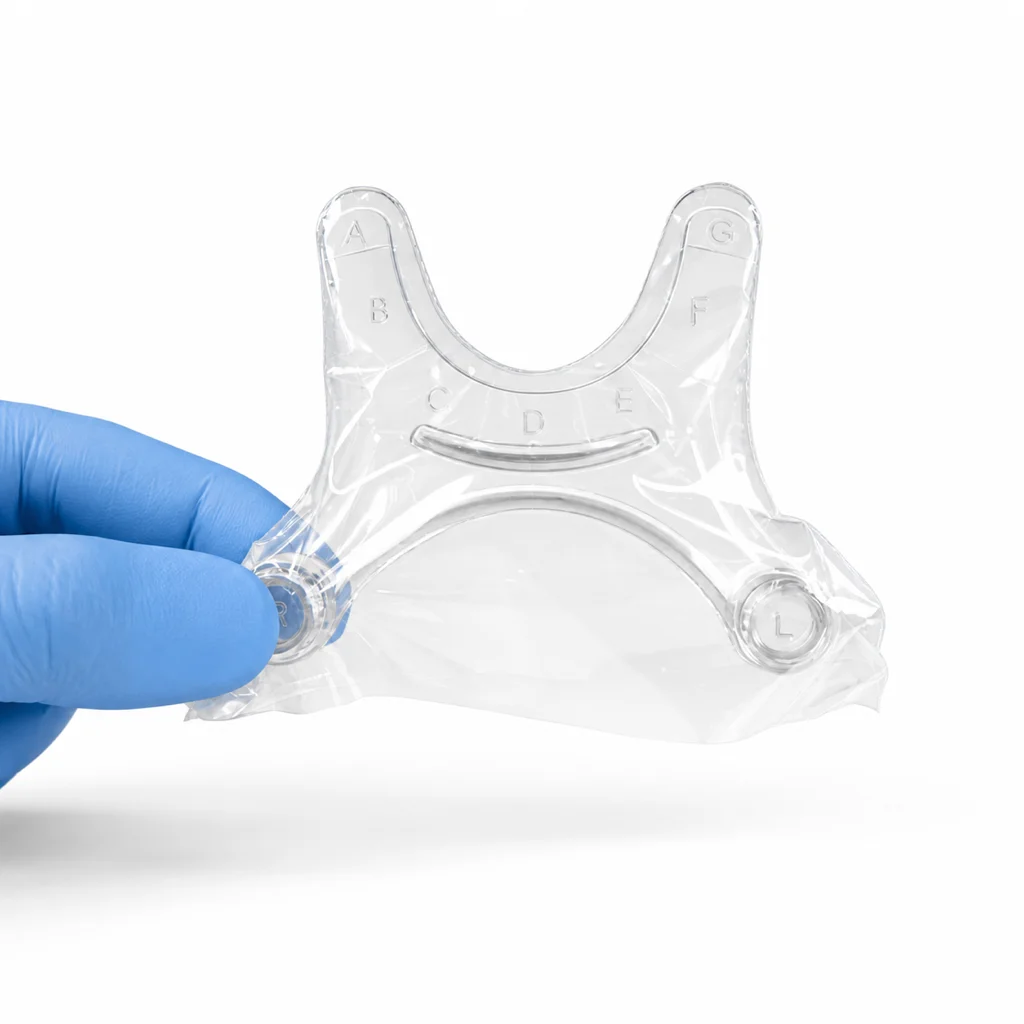
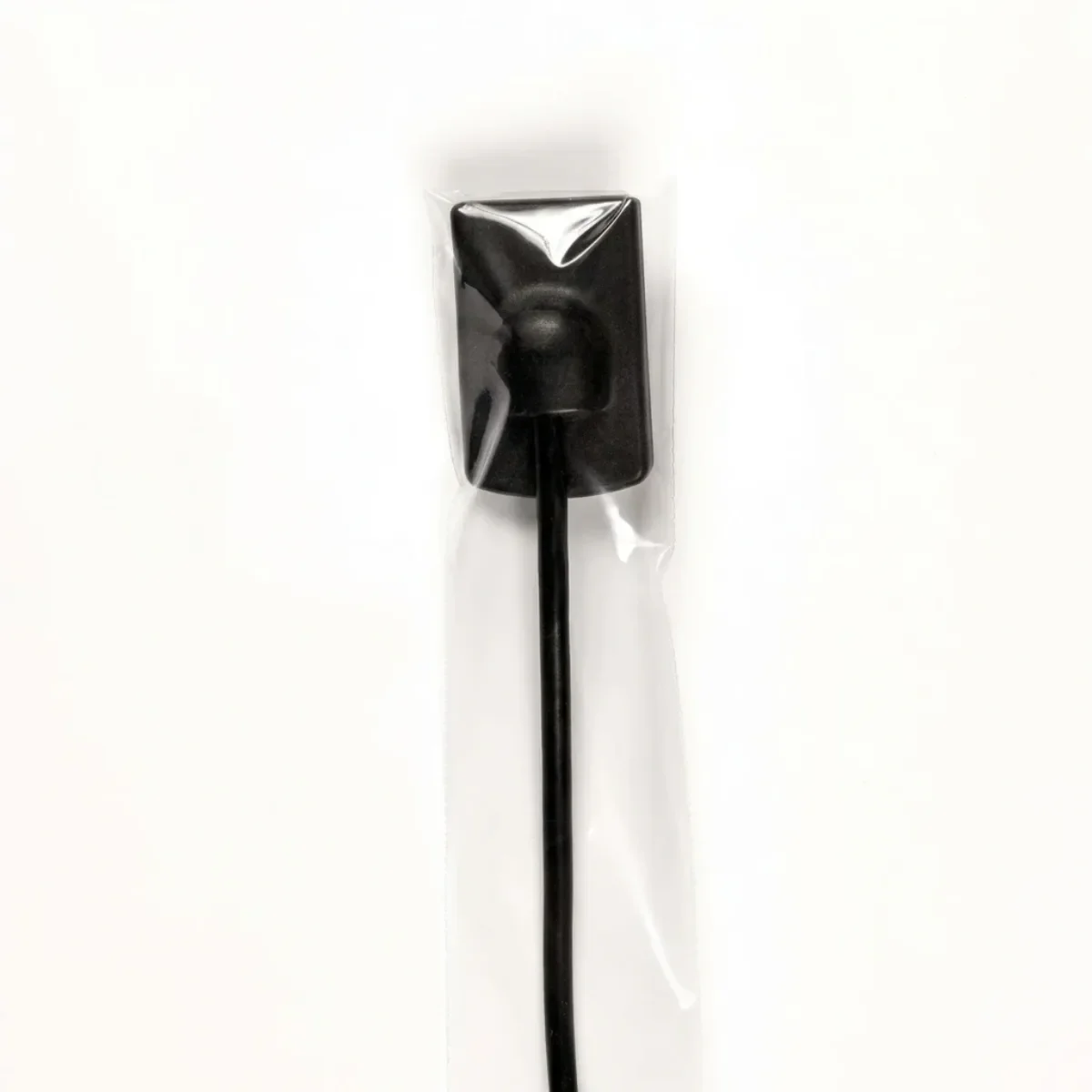
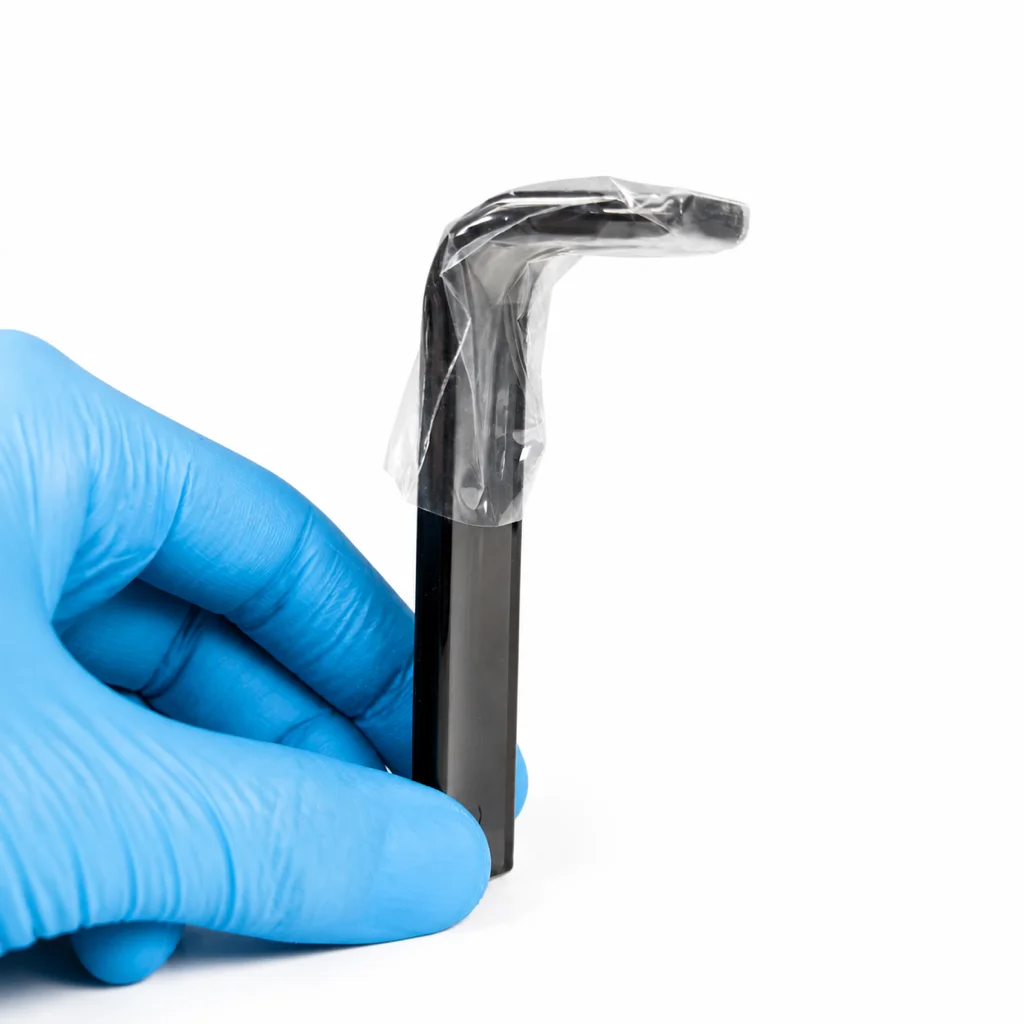
If barrier sleeves arrive at your practice in a cardboard box, that box is packaging in the plain sense the FAQ describes: it exists to protect and carry the sleeves, not to be sold as a paper product in its own right. On the reading the Commission and Preferred by Nature both give, it sits outside EUDR's scope. Nothing about the 30 December 2026 date obliges your practice, or in most cases your supplier's packaging line, to produce a new due-diligence statement for that box.
What doesn't change is the separate question of what a sustainability claim printed on that box actually means. "Recyclable" is a materials claim. An FSC or PEFC mark is a forest-certification claim, run through its own chain-of-custody system, unrelated to EUDR. Due diligence under EUDR — plot-of-land traceability, geolocation data, a formal statement filed with an authority — is a third, distinct thing again, and it only applies where the paper product itself is in scope. A box can carry any combination of these three claims, or none of them, and none implies the other two.
What to check
- If a supplier's marketing leans on EUDR compliance for packaging, ask whether that packaging is ever sold as a standalone item. If it only ever ships as a wrapper around barrier sleeves, EUDR due diligence isn't the relevant question to be asking about it.
- Keep sustainability claims and regulatory claims separate when reading a box label or spec sheet. "Recyclable" and "FSC-certified" are not proof of EUDR status, and being out of EUDR's scope is not proof of recyclability.
- Note the date anyway: 30 December 2026 is when large and medium companies handling in-scope wood and paper products need to be ready, per Regulation (EU) 2025/2650. If your group also imports or resells paper products as standalone goods — not just as packaging — that is the deadline that applies to it.
- If you're unsure which category a supplier's packaging falls into, ask them directly rather than assuming either that "postponed" means "cancelled," or that "made of wood fibre" automatically means "covered."
Frequently asked questions
Does the EU Deforestation Regulation apply to the box my barrier sleeves arrive in?
Generally no. The Commission's FAQ guidance excludes packaging material used exclusively to support, protect or carry another product from the definition of a 'relevant product' under EUDR, regardless of its HS code.
When does EUDR actually take effect now?
Large and medium companies must comply from 30 December 2026, and micro and small enterprises from 30 June 2027, following the postponement set out in Regulation (EU) 2025/2650, published in December 2025.
Does an FSC or PEFC label on a barrier sleeve box mean the supplier is EUDR-compliant?
Not on its own. Forest-certification schemes and EUDR due diligence are separate systems with separate documentation; a certified product can still need its own due-diligence statement if it is actually in scope.
Why is EUDR back in the news now if it was originally due to start in 2024?
Because it has been postponed twice - most recently in December 2025 - while the Commission simplified due-diligence obligations. The date currently in force is 30 December 2026 for larger operators.
Sources
- Delay until December 2026 and other developments in the implementation of the EUDR Regulation — European Commission - Access2Markets, 2026-09-09
- Cepi Guidance on the EU Deforestation Regulation (EU) 1115/2023 — CEPI - Confederation of European Paper Industries, 2026-09-09
- 10 key interpretations in the EUDR Guidance and FAQ updates: What you need to know — Preferred by Nature, 2026-09-09