What the EU's PFAS Restriction Debate Actually Means for Your Barrier Products
Why this matters now
ECHA's two scientific committees finished the bulk of their work on the EU-wide PFAS restriction in 2026, and coverage of it has settled into a single framing: a ban on "forever chemicals" in medical plastics. For a practice that buys barrier sleeves, drapes and gowns, that framing is misleading. The restriction, as currently drafted, targets specific chemistries — and most of what sits in a barrier sleeve box isn't one of them.
What actually changed
- ECHA's Risk Assessment Committee adopted its opinion on 2 March 2026. Its Socio-Economic Assessment Committee (SEAC) published a draft opinion on 26 March 2026, opening a public consultation that closed on 25 May 2026. SEAC's final opinion is expected by the end of 2026, after which ECHA sends everything to the European Commission.
- The Commission is not expected to adopt any restriction before the third quarter of 2027, and even under the committees' own recommendations, a restriction would not start applying before 2029.
- The original proposal gave medical device packaging that uses fluoropolymers or perfluoropolyethers a 13.5-year derogation. SEAC's draft opinion only partly supports that: it backs the derogation for PCTFE-based packaging and for PFAS used in flexible packaging, not for fluoropolymer medical device packaging in general.
- MedTech Europe, the industry association representing device manufacturers, is pushing for broader and longer derogations. Its position is that no validated non-PFAS alternative exists yet for some of these materials, and that any replacement has to pass biocompatibility and aging testing, plus MDR or IVDR approval, before it can go into a device.
Where PFAS actually turns up in medical supplies
PFAS chemistry's track record in medical products isn't in plain polyethylene film. It shows up in fluorocarbon finishes applied to woven fabric — the water- and stain-repellent coatings used for decades on surgical gowns and drapes because they resist fluid, oil and staining through handling. That history is also why nonwoven material suppliers have been developing fluid-repellent alternatives that avoid PFAS altogether, ahead of any legal requirement, in response to the same environmental-persistence concerns driving the EU proposal.
What this means in the operatory
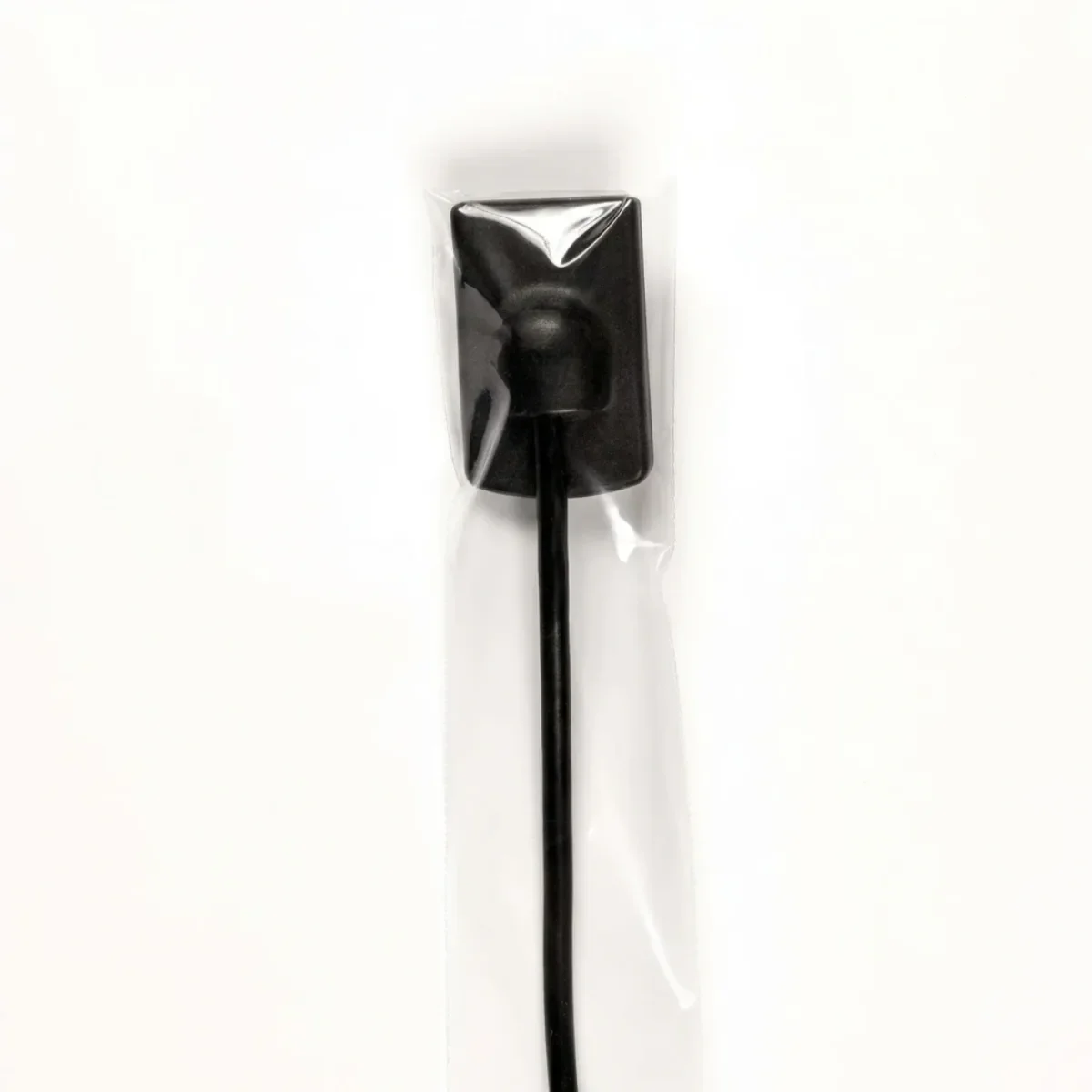
A standard polyethylene barrier sleeve — for a sensor, a bite block, a handpiece or a light handle — is not a fluoropolymer and not a fluorocarbon-finished textile. It sits outside both categories this restriction debate is actually about, whichever way the Commission eventually rules.
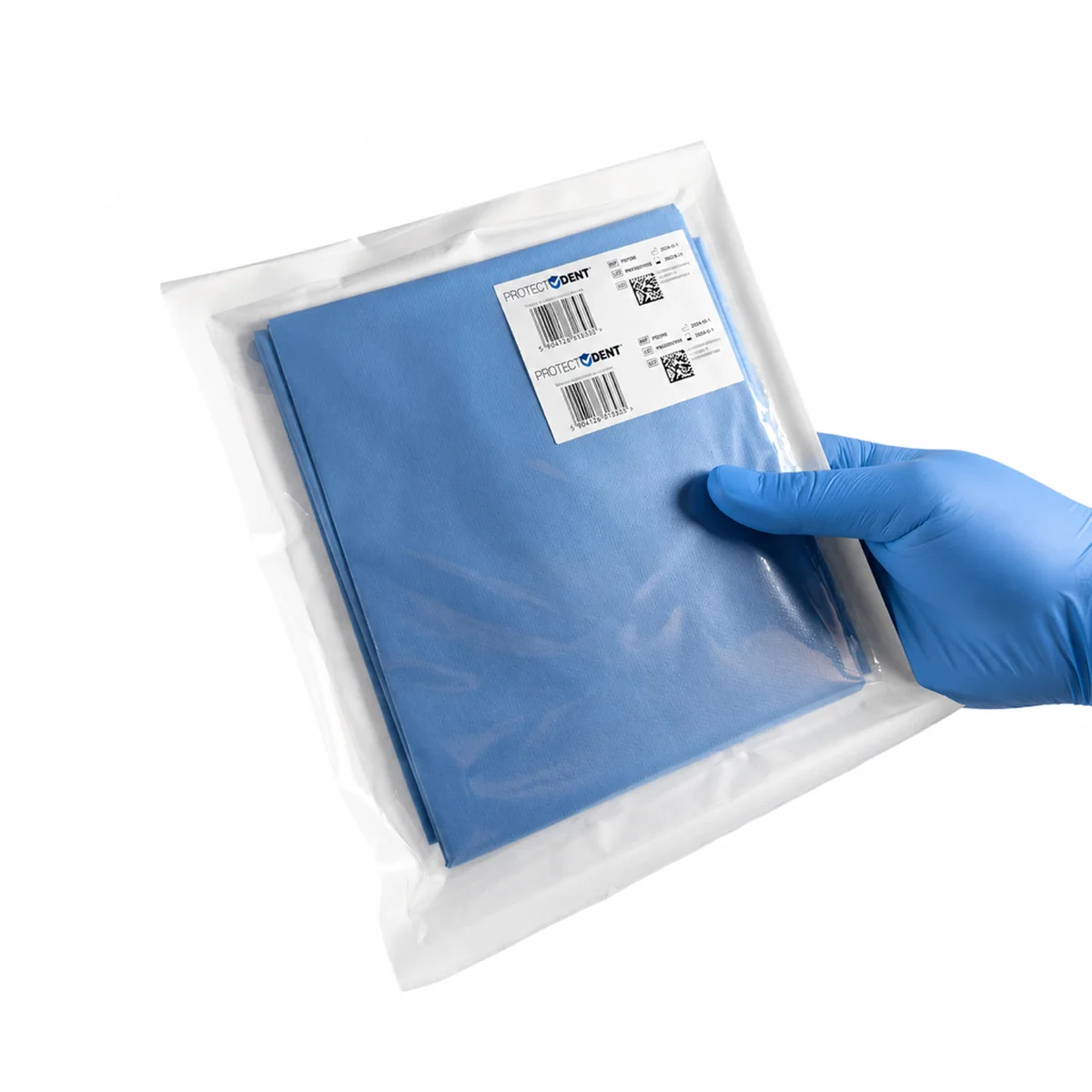
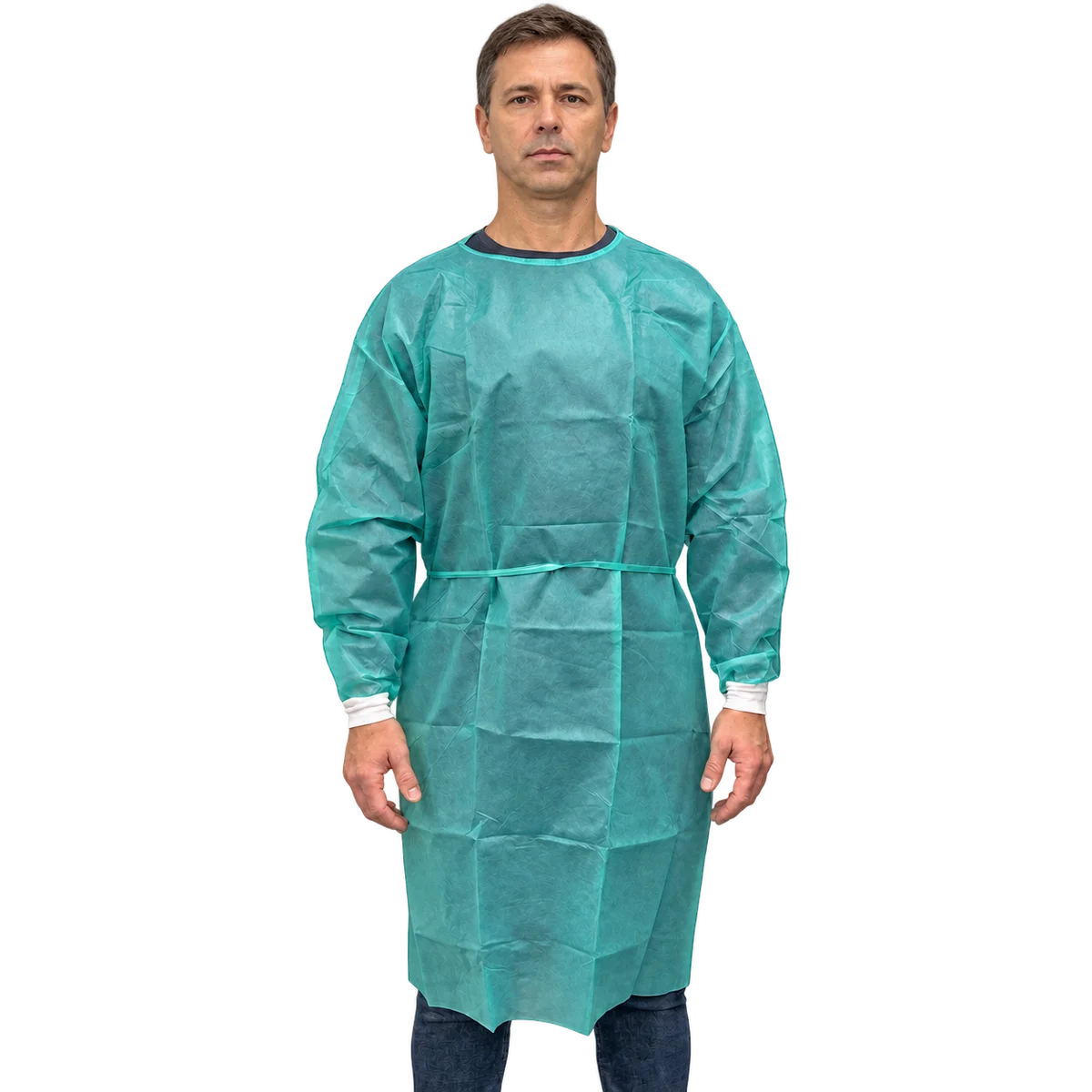
Drapes and gowns built from polypropylene or polyethylene nonwoven, with no added water-repellent finish, are a different material class again from the fluorocarbon-treated wovens under discussion. Material class alone isn't proof of anything, though. The way to know for certain what a specific product contains is the supplier's own material declaration, not the base polymer printed on the box.
What to check
- For any gown, drape or sterile packaging item that carries a water- or stain-repellent finish, ask the supplier directly whether that finish is fluorocarbon-based.
- Skip that question for plain polyethylene film sleeves — PE is not a fluoropolymer, and that side of the debate doesn't reach them.
- If a supplier markets something as "PFAS-free," ask what comparison is being made. The term means something different for a nonwoven finish than it does for a fluoropolymer packaging film.
- Track SEAC's final opinion, due by the end of 2026, and the Commission's response after it. That is where any real compliance deadline gets fixed — not this year's headlines.
The derogation question splits into two separate tracks. Implantable and invasive devices also got a 13.5-year derogation in the original proposal, and SEAC's draft considers that one justified. That's a different, better-supported track from the narrower, partly-approved derogation for device packaging — worth knowing if a supplier cites "the 13.5-year exemption" without saying which one.
Frequently asked questions
Does the EU's PFAS restriction ban dental barrier sleeves?
No. The proposal targets specific uses, including fluoropolymer medical device packaging and PFAS-treated textiles. Standard polyethylene barrier sleeves are not fluoropolymers and sit outside that discussion.
When would an EU PFAS restriction actually take effect?
Not before 2029 at the earliest. The European Commission isn't expected to decide on the proposal before the third quarter of 2027, and SEAC's final opinion is still due by the end of 2026.
Which dental supplies are most likely to be affected?
Woven textile items with a fluorocarbon water- or stain-repellent finish, and medical device packaging that uses fluoropolymer or perfluoropolyether materials.
What should I ask my supplier about PFAS?
Whether any gown, drape or sterile packaging item with a repellent finish uses fluorocarbon chemistry, and whether a non-fluorinated alternative is available.
Is a 'PFAS-free' label on a dental product meaningful right now?
Some manufacturers are marketing PFAS-free nonwoven finishes ahead of any legal requirement, in response to the same pressure driving the EU proposal — but the term means different things for a textile finish than for packaging material, so it's worth asking what was tested.
Sources
- ECHA Launches a New Public Consultation on a Proposed Universal Ban on PFAS in the EU — Covington & Burling LLP, 2026-10-26
- MedTech Europe Position on the Proposal for a REACH Universal PFAS Restriction — MedTech Europe, 2026-10-26
- Safer, fluid-repellent nonwoven textiles for medical apparel — Medical Textiles (Textile Media), 2026-10-26