A New Wipe-Testing Standard Just Showed How Many Surface Wipes Miss Their Claim
Why this matters now
A revised European test standard for disinfectant wipes and mops, EN 16615:2026, replaces the 2015 edition and names dental institutions directly in its scope. The standard matters because it tests a product the way it is actually used in your operatory — wiped across a surface — rather than as a liquid dropped into a test tube. A peer-reviewed study using this exact method tested four commercial healthcare wipes and found real performance gaps, including against MRSA, at the contact times printed on their labels.
What actually changed
EN 16615 is what test labs call a "4-field test with mechanical action." A wipe or mop carrying the diluted disinfectant is drawn across contaminated test surfaces, and the surviving microbial load is measured afterward. That is different from EN 13727, a widely used suspension test where the disinfectant is mixed directly with the test organisms in liquid, with no wiping, no surface, and no mechanical removal involved.
The 2026 edition of EN 16615 replaces EN 16615:2015 and covers four ways a wipe or mop can carry the disinfectant: soaked by the user, sprayed onto the wipe, user-impregnated from a bulk roll, or pre-impregnated by the manufacturer as a ready-to-use product. Its scope also now explicitly covers fungicidal activity and tuberculocidal/mycobactericidal activity, alongside the bactericidal and yeasticidal activity the 2015 edition tested. The standard states plainly that it applies to medically indicated disinfection in hospitals, clinics and dental institutions.
The distinction matters because a product can pass EN 13727 comfortably — the disinfectant itself kills the organism in solution — and still perform differently once it is on a wipe being dragged across a benchtop, a chair arm or a light handle, where contact is brief, pressure is uneven and the liquid film is thin.
What this means in the operatory
A 2025 study in Frontiers in Microbiology tested four proprietary healthcare wet wipes under EN 16615 conditions, with 30- and 60-second contact times against E. coli, S. aureus, MRSA and A. baumannii. Three of the four wipes reached the standard's required 5-log reduction against most organisms within 60 seconds. One wipe failed outright against E. coli and S. aureus at the shorter contact time. None of the four fully met the standard's criteria against MRSA, which the authors flag as a specific gap worth further scrutiny. Performance tracked closely with how much disinfectant the wipe actually released onto the surface — a range of roughly 7 to 11% of the wipe's total liquid mass across the four products. The authors' direct conclusion: manufacturers and users should stop treating a 30-second contact time as a safe default, because several products did not meet the standard's own pass criteria at that duration.
A separate February 2026 review in the South African Dental Journal on disinfection methods in dental practices makes a related, practice-level point: manual wipe disinfection is the most common surface method in dental clinics, but its real-world efficacy depends on correct wipe storage, and workflow constraints in busy clinics often make strict adherence to contact-time protocols difficult, particularly on surfaces that are awkward to reach or textured. Coverage gaps on hard-to-clean areas, the review notes, are a recognised and persistent weak point in manual disinfection.
What to check
- Ask your disinfectant supplier whether the product's stated contact time is backed by EN 16615 (wipe, mechanical action) or only by EN 13727 (suspension only) — the two are not interchangeable evidence.
- Keep the surface visibly wet for the full stated contact time; a film that evaporates early is not a validated condition on most labels, and the Frontiers study found variation in how much disinfectant different wipes even deposit.
- Don't assume every product's "30 second" claim behaves the same — contact-time performance varied by organism and by product in the published data above.
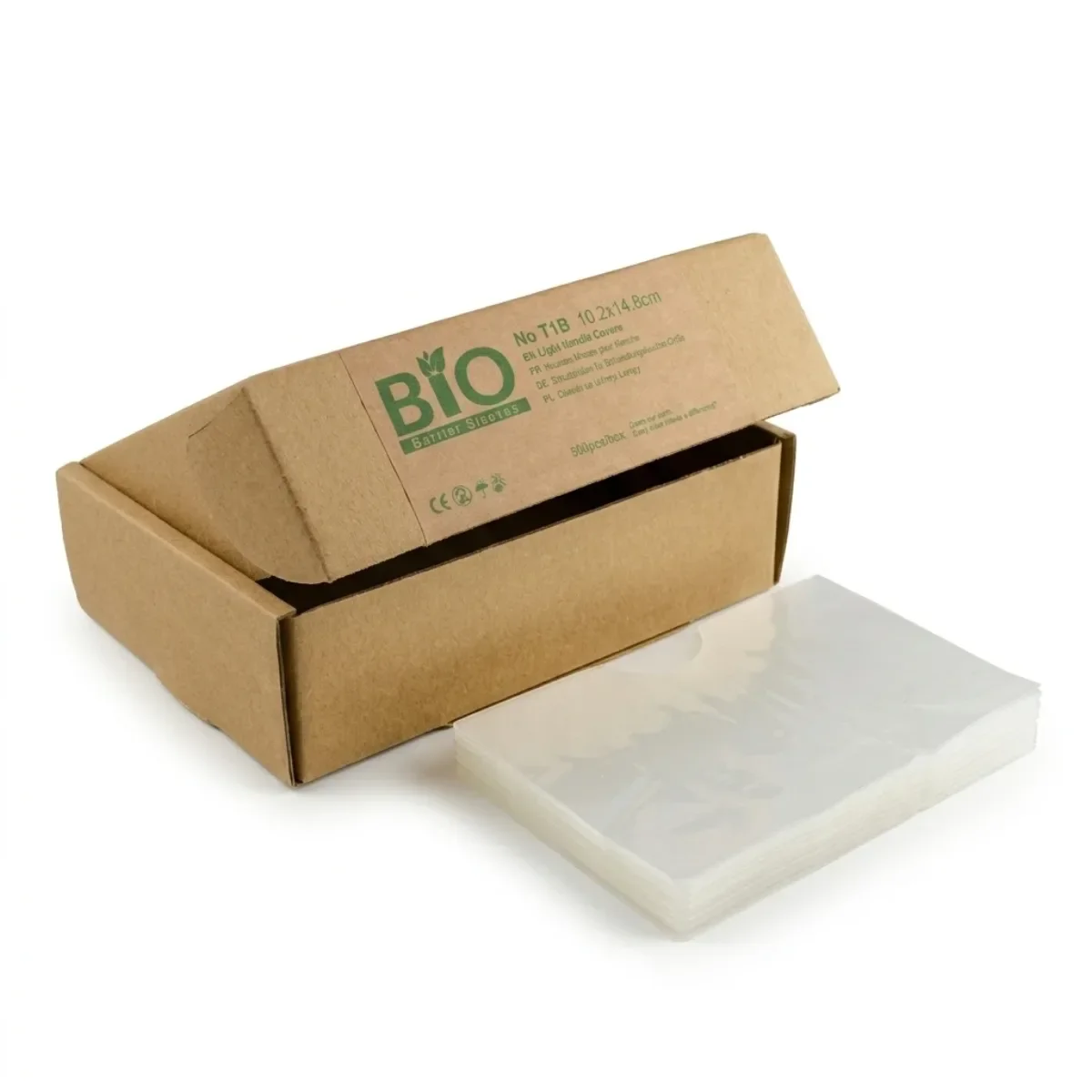
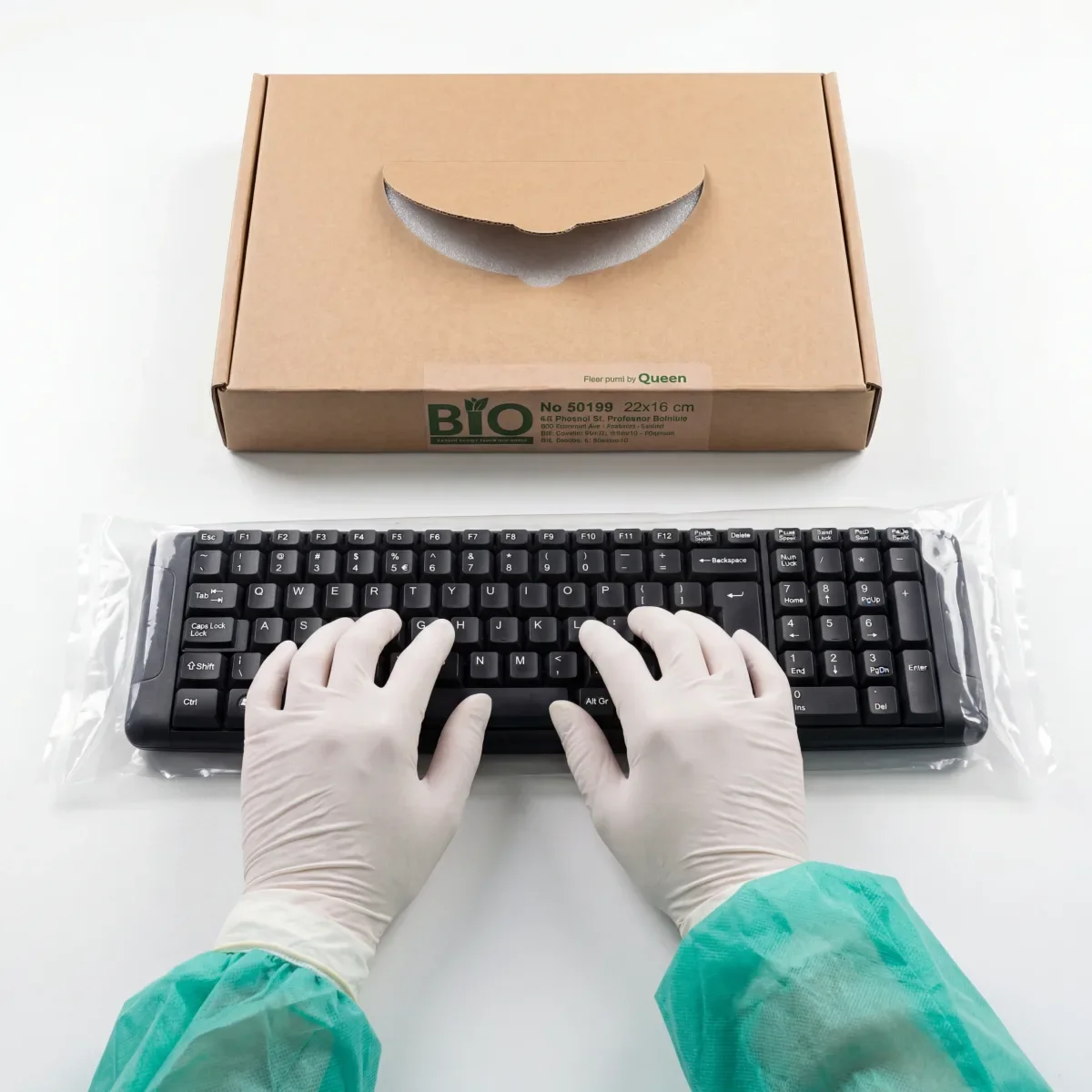
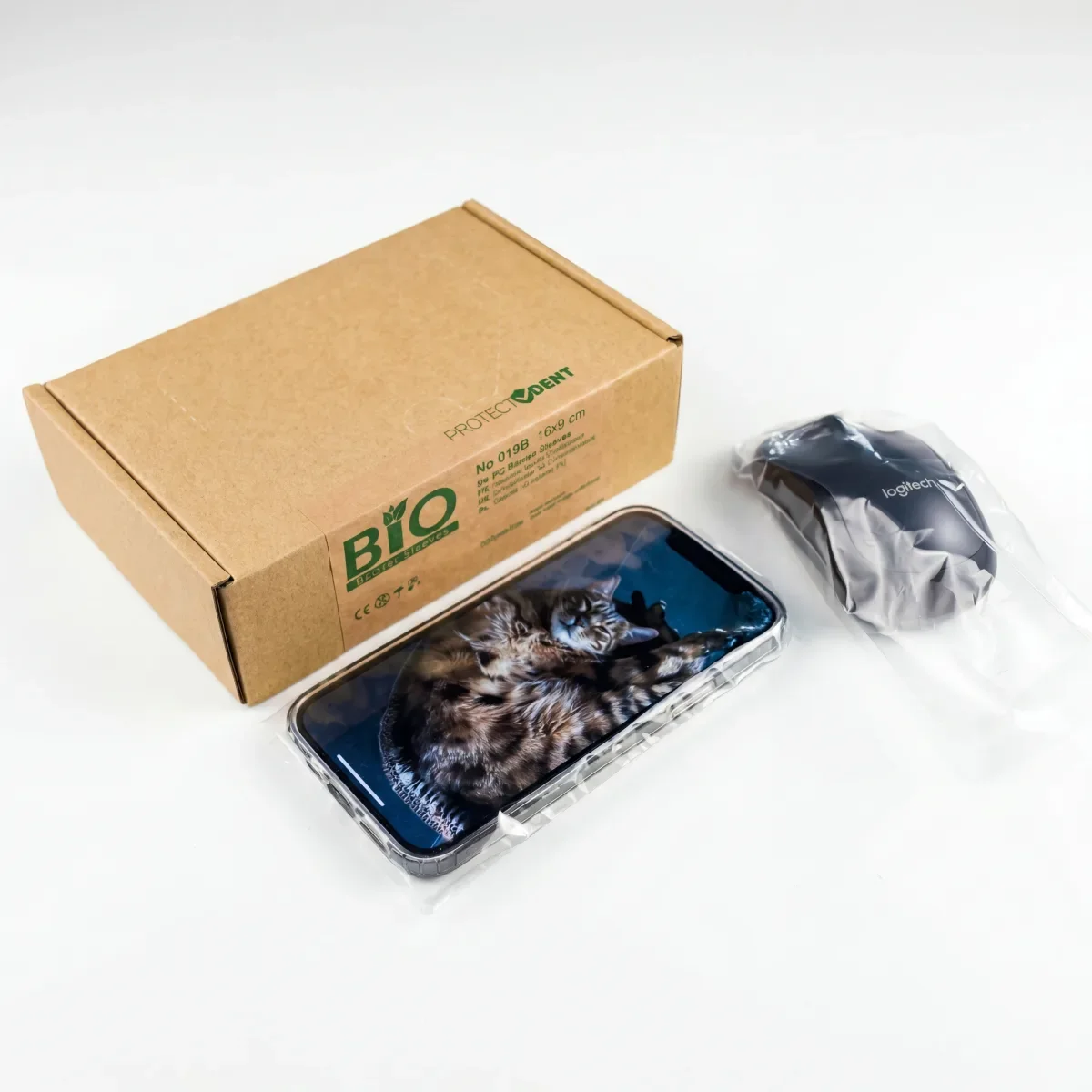
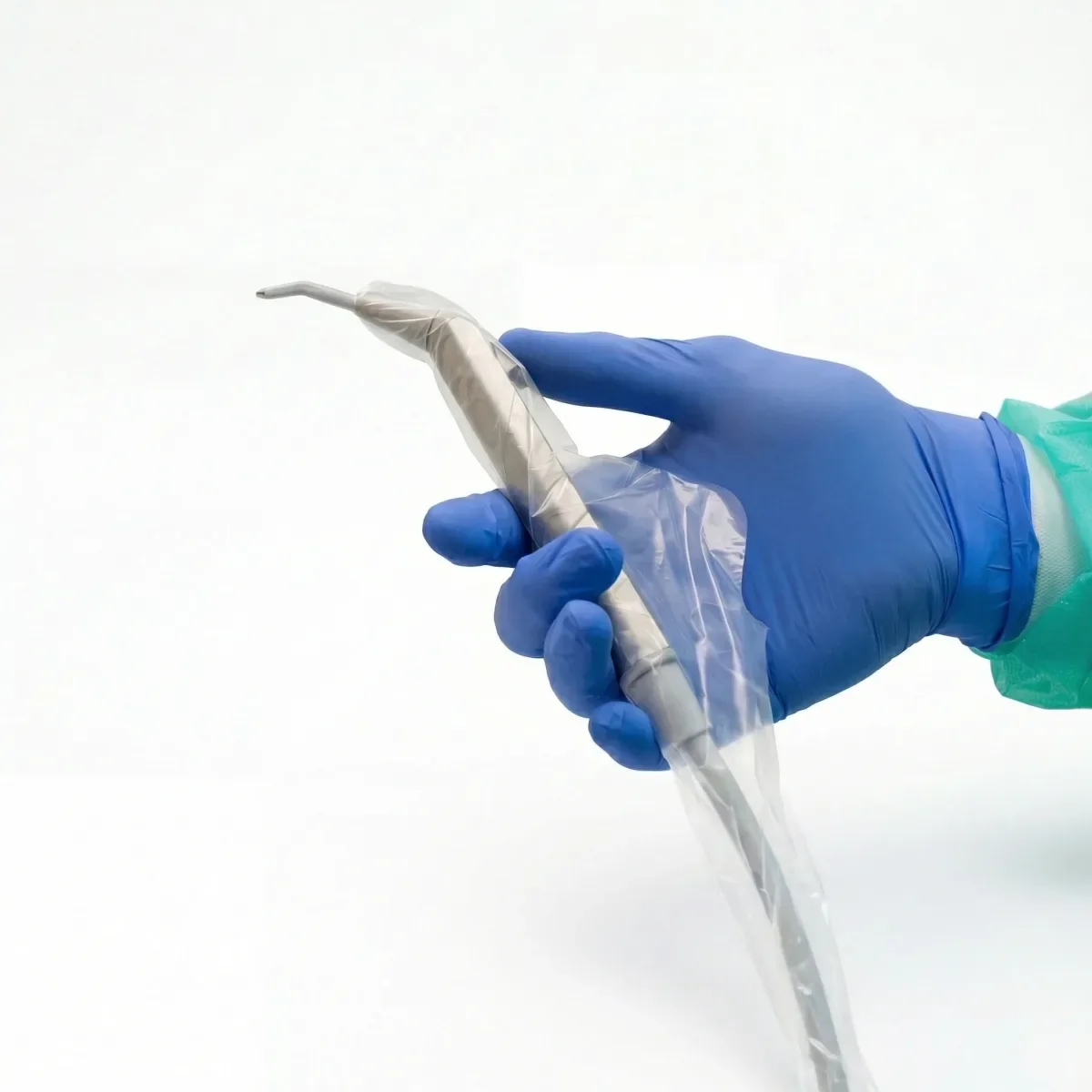
- For touchpoints that are textured, jointed or otherwise hard to wipe evenly in the time you actually have between patients — light handles, keyboards, mice, syringe heads — a single-use barrier removes the wipe-coverage question for that surface rather than relying on technique alone.
Frequently asked questions
What is EN 16615 and how is it different from EN 13727?
EN 16615 tests a disinfectant on a wipe or mop being drawn across a surface, with mechanical action included. EN 13727 tests the disinfectant alone in liquid suspension, with no wiping or surface involved. A product can perform differently under each test.
Does the EN 16615:2026 standard apply to dental practices?
Yes. The standard's published scope explicitly lists dental institutions among the medically indicated settings it covers, alongside hospitals and clinics.
What changed in the 2026 revision of EN 16615?
The 2015 edition tested bactericidal and yeasticidal activity. The 2026 edition's scope also covers fungicidal and tuberculocidal/mycobactericidal activity, and it replaces the 2015 edition entirely.
Should a dental practice stop using wipes with a 30-second contact time?
Not automatically, but a 2025 study using the EN 16615 method found that a 30-second contact time failed against some organisms for some commercial wipes. Confirm whether your product's claim is backed by EN 16615 testing and keep the surface visibly wet for the full stated time.
Sources
- EN 16615:2026 — Chemical disinfectants and antiseptics, quantitative test method using wipes or mops (4-field test) — CEN / Genorma standards registry, 2026-10-29
- Angulo-Pineda et al., evaluation of healthcare wet wipe disinfection performance under EN 16615 and related test methods — Frontiers in Microbiology, 2026-10-29
- The Evolution and Efficacy of Disinfection Methods in Dental Practices: From Traditional to Advanced Technologies — A Review Article — South African Dental Journal (SADJ), Vol. 81 No. 1, 2026-10-29