EMS's New GBT Machine Has a Cleaner Shell. The Handpiece Still Needs the Autoclave.
A device you'll touch a lot in a single afternoon
Hygiene appointments turn over faster than most other chairs in the practice, and the prophylaxis unit sits at the centre of that turnover: a control panel, a handpiece holder and a shared water line, all touched between nearly every patient. That makes it the kind of equipment where the details of a redesign matter more than they might on a device used a few times a day.
EMS unveiled the redesigned GBT Machine — the fifth generation of its tabletop prophylaxis units — at the International Dental Show in March 2025, positioning it as the successor to the AIRFLOW Prophylaxis Master. According to Dental Tribune's coverage of the launch, the unit was "developed with 30% less plastic," with aluminium and tempered glass surfaces that the manufacturer says "facilitate cleaning and disinfection." The touch interface offers three power and water settings, automatic handpiece recognition switches the unit into GBT mode as soon as a handpiece is lifted from its holder, and — a genuine workflow change — a single water bottle now supplies both handpieces instead of one bottle per handpiece.
What "easier to clean" actually changes
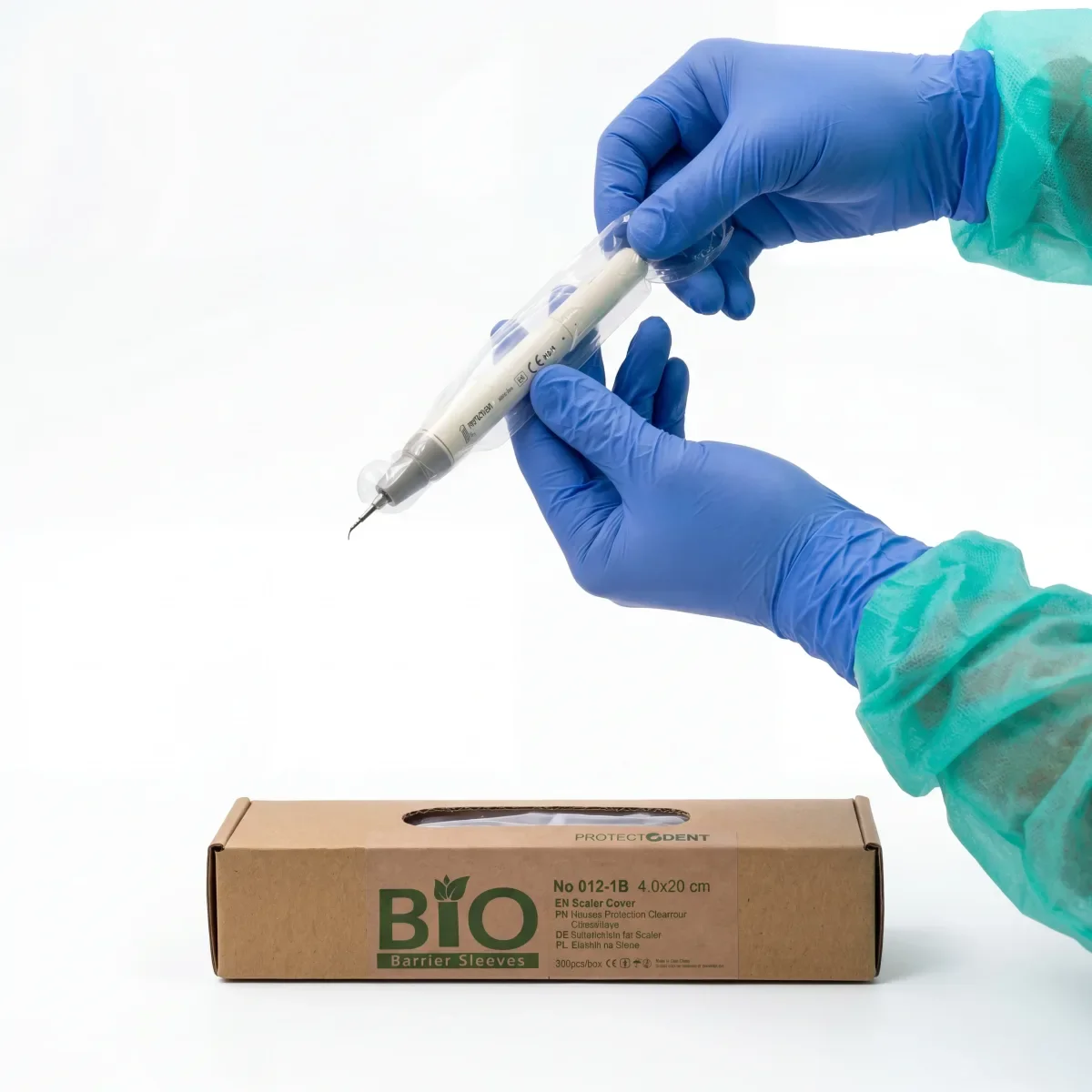
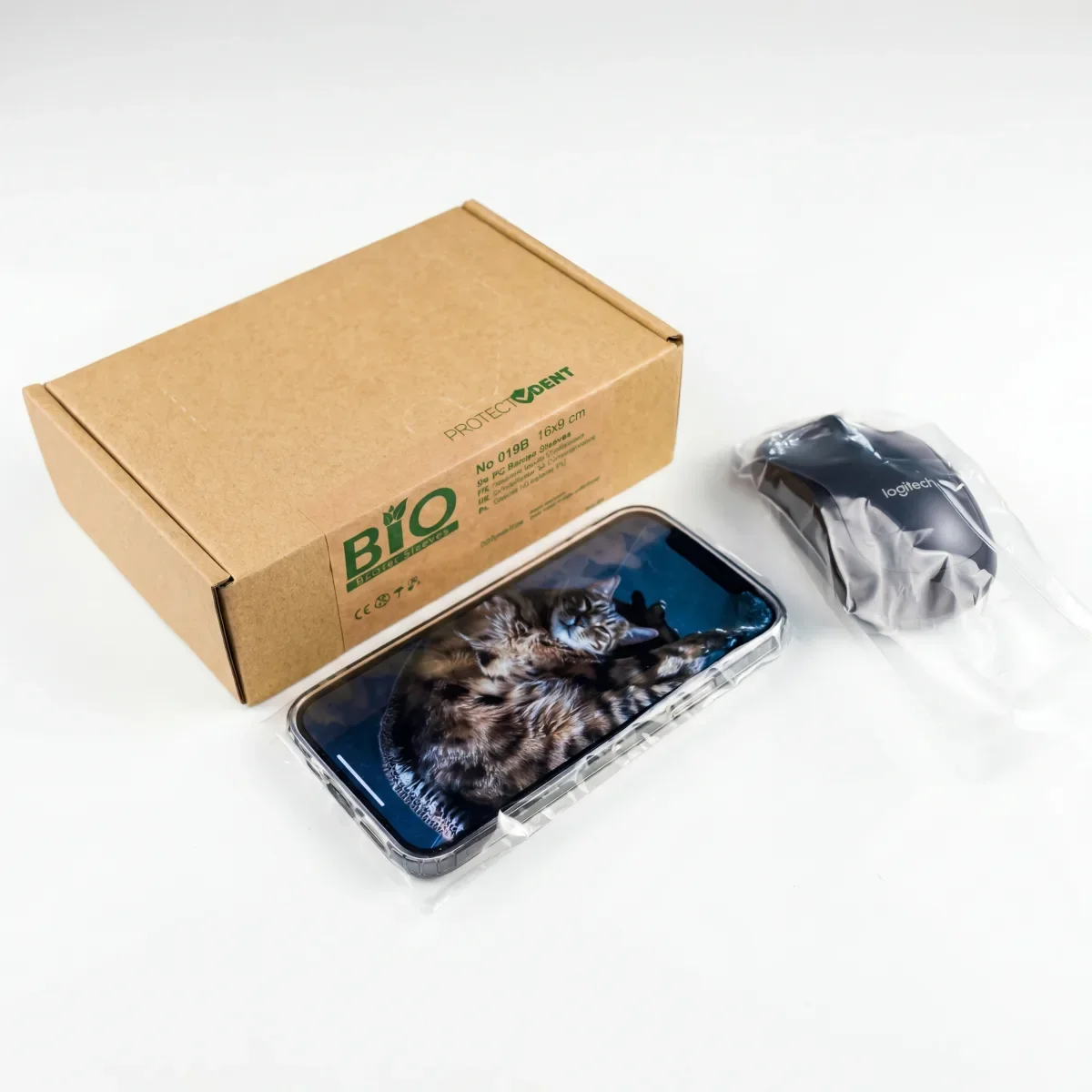
None of this changes the basic rule that governs every touch surface in the operatory. CDC's summary of dental infection prevention and control practices puts frequently touched clinical contact surfaces — it names dental unit switches and computer equipment as examples — into one of two lanes: protect them with a single-use barrier and change the barrier between patients, or clean and disinfect them between patients with an EPA-registered hospital disinfectant left wet for its full contact time. A control panel made of aluminium and tempered glass is a genuinely easier surface to wipe down than a textured plastic housing — but it still sits in that same choice between barrier and disinfectant. The material doesn't move it into a category where neither is required.
Where the redesign matters more is the handpiece itself, and here the answer doesn't change no matter how the shell is built. CDC guidance is explicit that handpieces and reusable prophylaxis attachments require heat sterilization between every patient — not high-level disinfection, and not a barrier as a substitute — because their internal surfaces can become contaminated during use in ways a wipe-down or a sleeve can't reach. Automatic handpiece recognition is a convenience feature for power and water settings; it has no bearing on what has to happen to the handpiece between patients. A commentary on infection control policy for dental technologies published in Decisions in Dentistry makes the same point about difficult-to-clean electronics generally: barriers are "recommended for difficult-to-clean items," but the article also warns that a barrier alone "may provide a false sense of protection," and recommends pairing barriers with disinfection for semicritical devices rather than treating either as sufficient on its own.
What that means for a fast-turnover hygiene op
For a practice running back-to-back GBT appointments, the practical takeaway isn't that the new shell needs less attention — it's that the shell and the handpiece now need two different, unrelated routines, and the redesign doesn't blur the line between them.
- The touch panel and any shared controls still need either a fresh barrier or a full disinfectant wipe with proper contact time between every patient — the glass and aluminium make that faster, not optional.
- The handpiece and its reusable prophylaxis attachment go through heat sterilization every time, regardless of the recognition feature or the holder design.
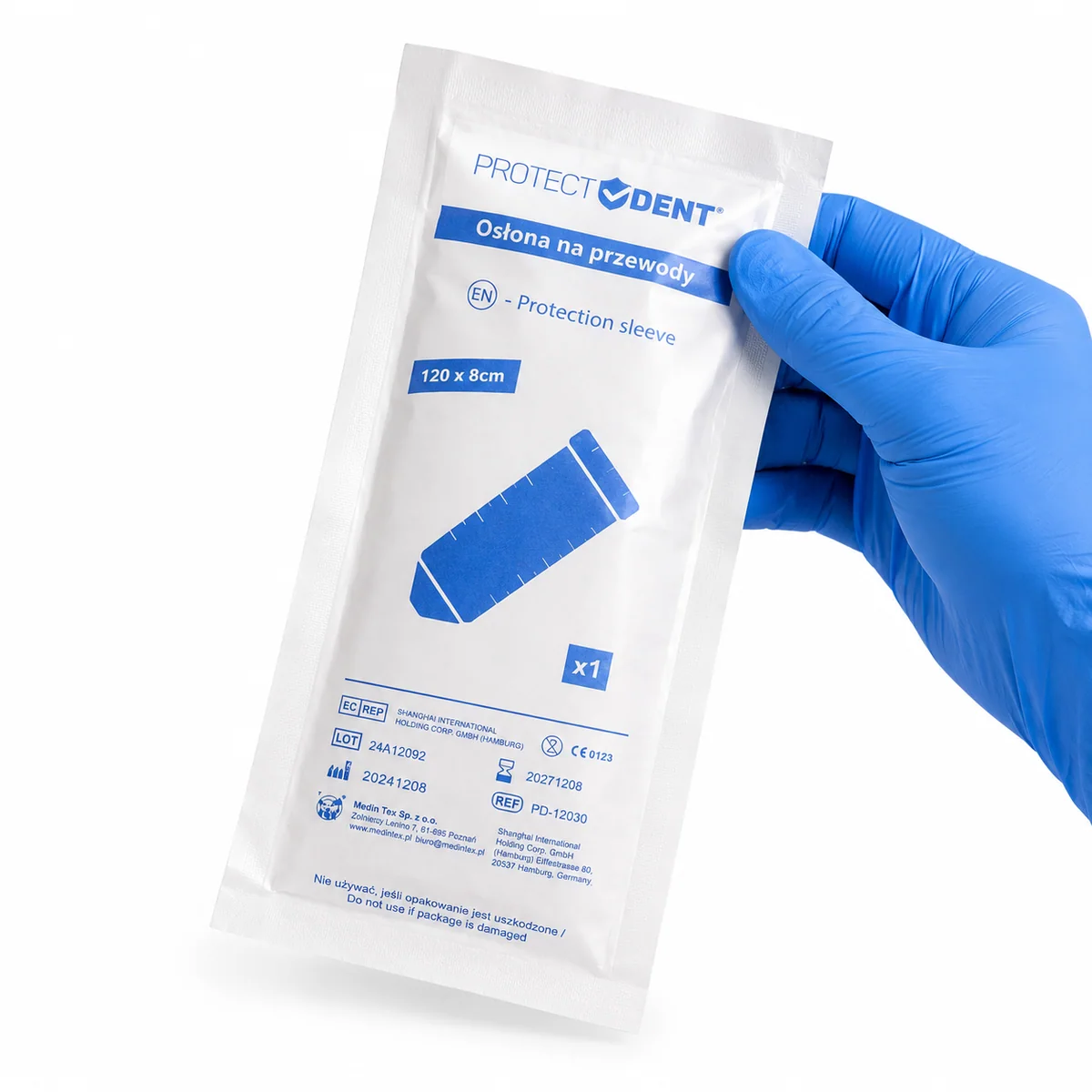
- The new single water bottle feeds a shared line to both handpieces — that line is now a shared touch and flow path between two working handpieces, worth covering explicitly in whatever hose or tubing protocol the operatory already runs, rather than assuming the redesign has quietly handled it.
None of this requires new protocols, just applying the existing ones to a device whose surfaces changed but whose infection-control category didn't.
Frequently asked questions
Does the GBT Machine's aluminium and glass shell mean I can skip barriers on the control panel?
No. CDC guidance treats frequently touched clinical contact surfaces as needing either a single-use barrier changed between patients or disinfection with an EPA-registered hospital disinfectant for its full contact time — the material of the panel doesn't remove that requirement, it just makes the disinfect option faster to execute.
Does automatic handpiece recognition change how I reprocess the handpiece?
No. The recognition feature only adjusts power and water settings when a handpiece is lifted from the holder. The handpiece and its reusable attachments still require heat sterilization between every patient, per CDC guidance on semicritical dental devices.
What's different about the shared water bottle setup?
Earlier EMS tabletop units used a separate bottle per handpiece; the GBT Machine's single bottle supplies both. That's a workflow and stock-management change, and it means the line running to both handpieces is one shared path worth covering in your existing hose or tubing barrier protocol rather than treating each handpiece's line separately.
Sources
- The new GBT Machine: EMS takes prophylaxis to the next level — Dental Tribune, 2026-09-08
- Sterilization and Disinfection — Dental Infection Prevention and Control — CDC, 2026-09-08
- Infection Control Policy for Dental Technologies — Decisions in Dentistry, 2026-09-08