The Wipe That Disinfects Your Equipment Can Also Crack Its Plastic
Why this matters now
Most infection-control attention in a dental surgery goes to what touches the patient. Less goes to what the disinfectant wipe does to the equipment underneath it. The UK's Medicines and Healthcare products Regulatory Agency (MHRA) has an active alert on exactly this: detergent and disinfectant wipes can degrade the plastic surfaces of reusable medical devices, and the damage can affect both how well a device can be decontaminated and how it functions. A 2024 review in the Journal of Hospital Infection, recently cited by the UK dental trade press, puts a number on how often that happens. The practical point for a surgery: the wipe you reach for after every patient is not a neutral act on the plastic it touches.
What the evidence shows
- The MHRA's alert, still current, was prompted by incident reports of plastic degradation on reusable devices — thermometers, patient monitors, infusion pumps and others — caused by wipes that were not compatible with the device's surface material.
- The 2024 Journal of Hospital Infection review tested 39 plastics against a range of detergent and disinfectant products. 22 of them visibly cracked. Products with a pH above 8.0 accounted for 74% of the failures.
- Dentistry.co.uk's September 2026 coverage of that review names vinyl upholstery and acrylic glass — both common on a dental chair and surgery computer — as surfaces that can crack or discolour with the wrong product, and flags alcohol concentration as a specific thing to check.
- PDI, which makes both general-purpose and touchscreen-specific disinfectant wipes, is explicit that its standard Sani-Cloth line is "not intended for touchscreen monitors," and sells a separate 70% IPA formulation for that purpose. The distinction exists because manufacturers know one wipe does not suit every plastic.
What this means in the operatory
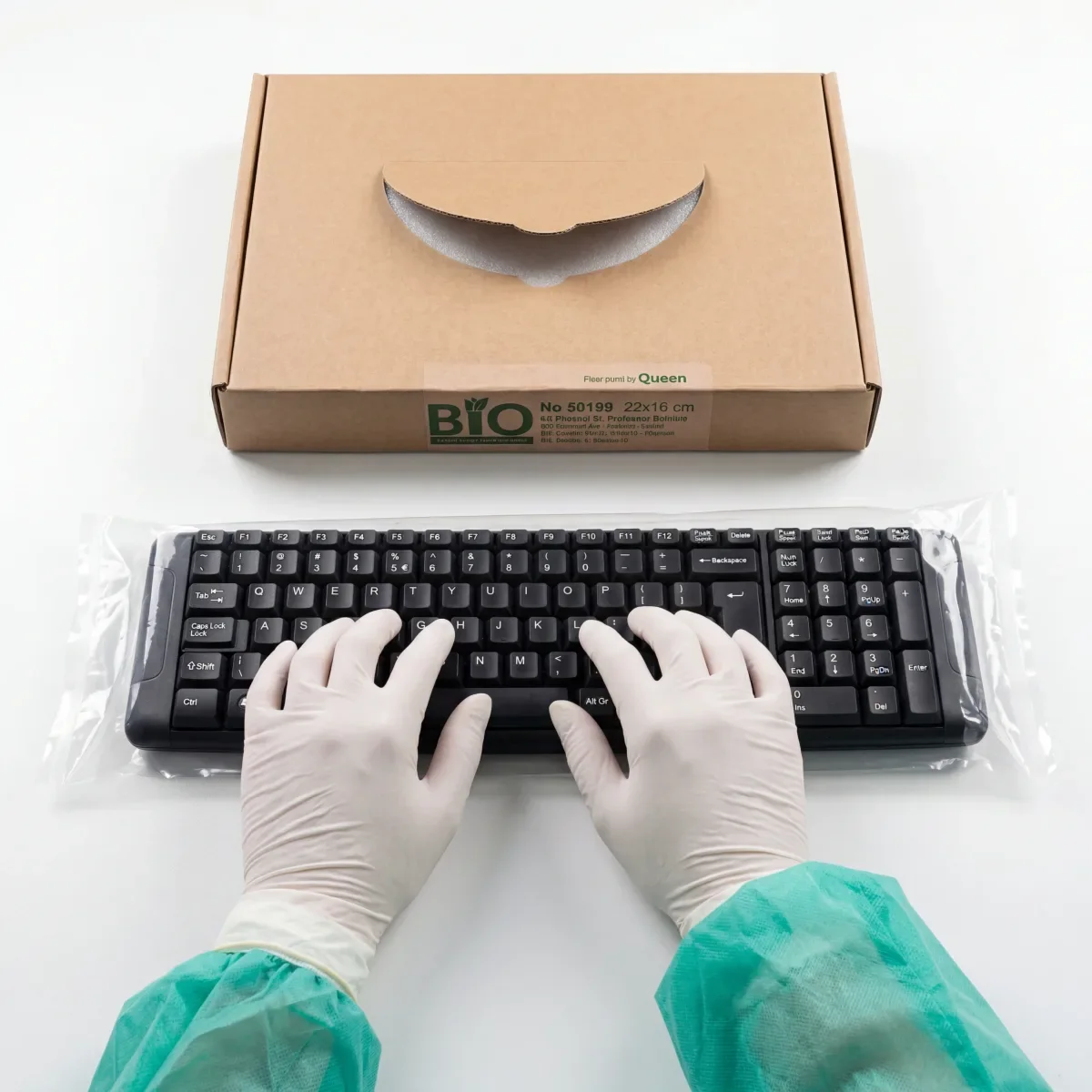
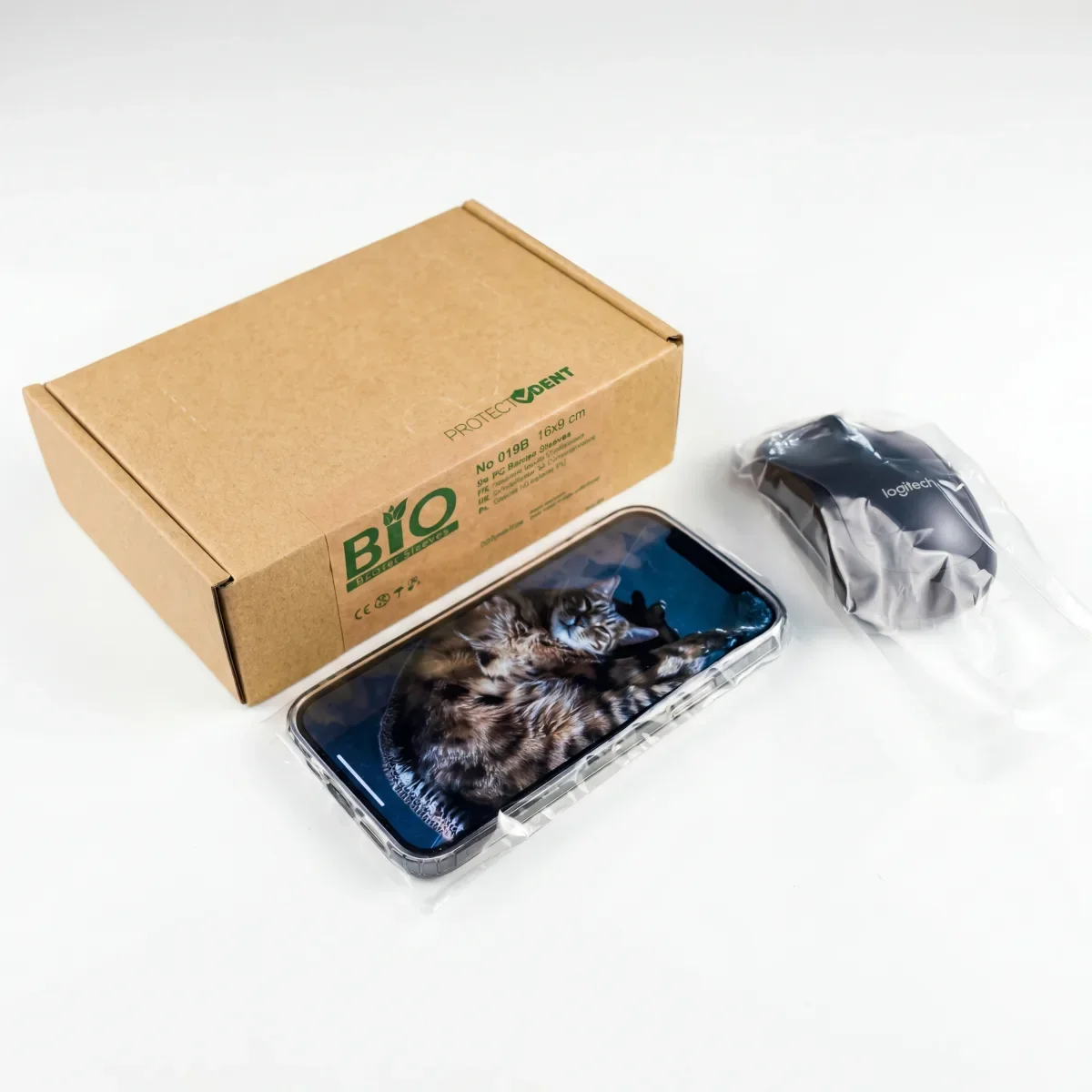
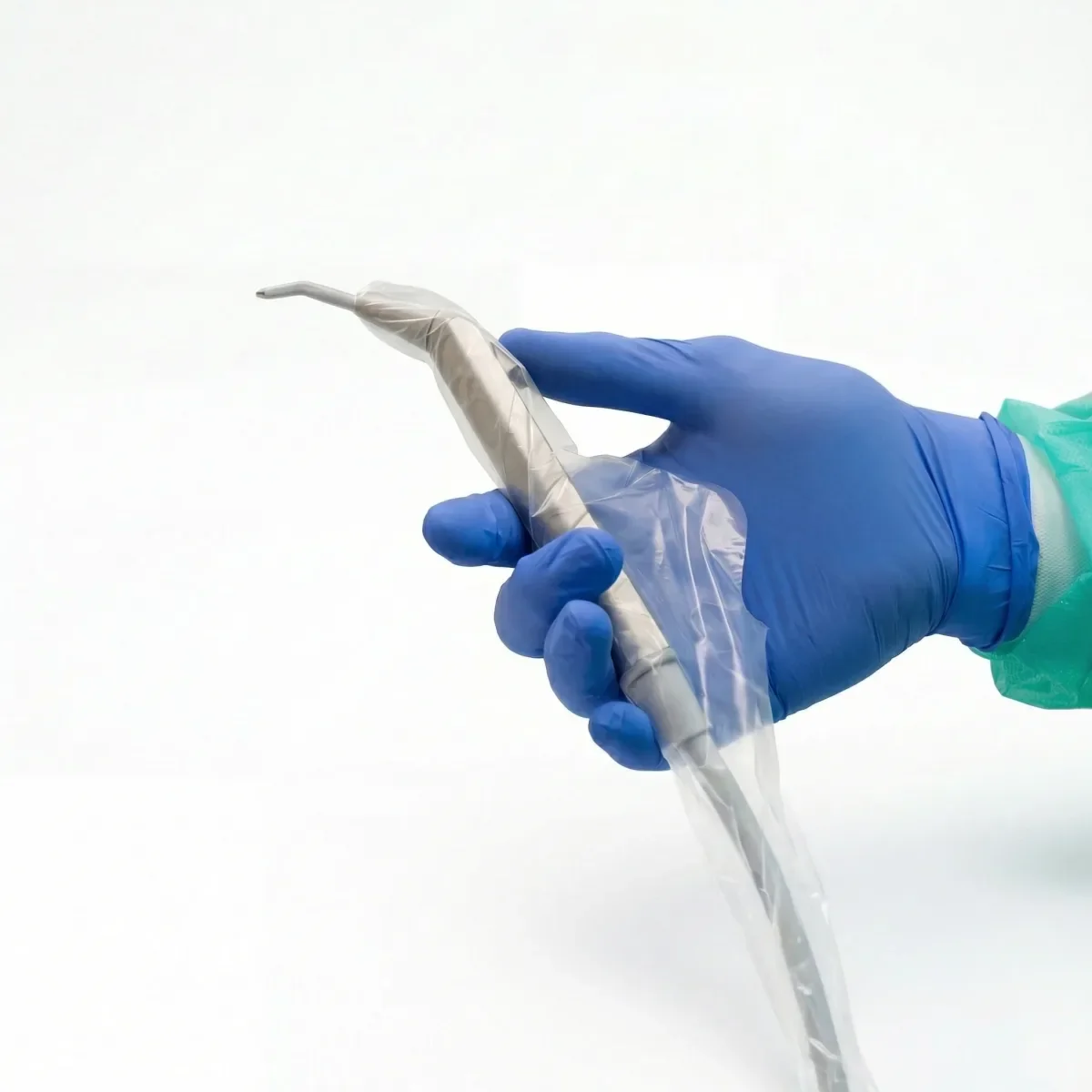
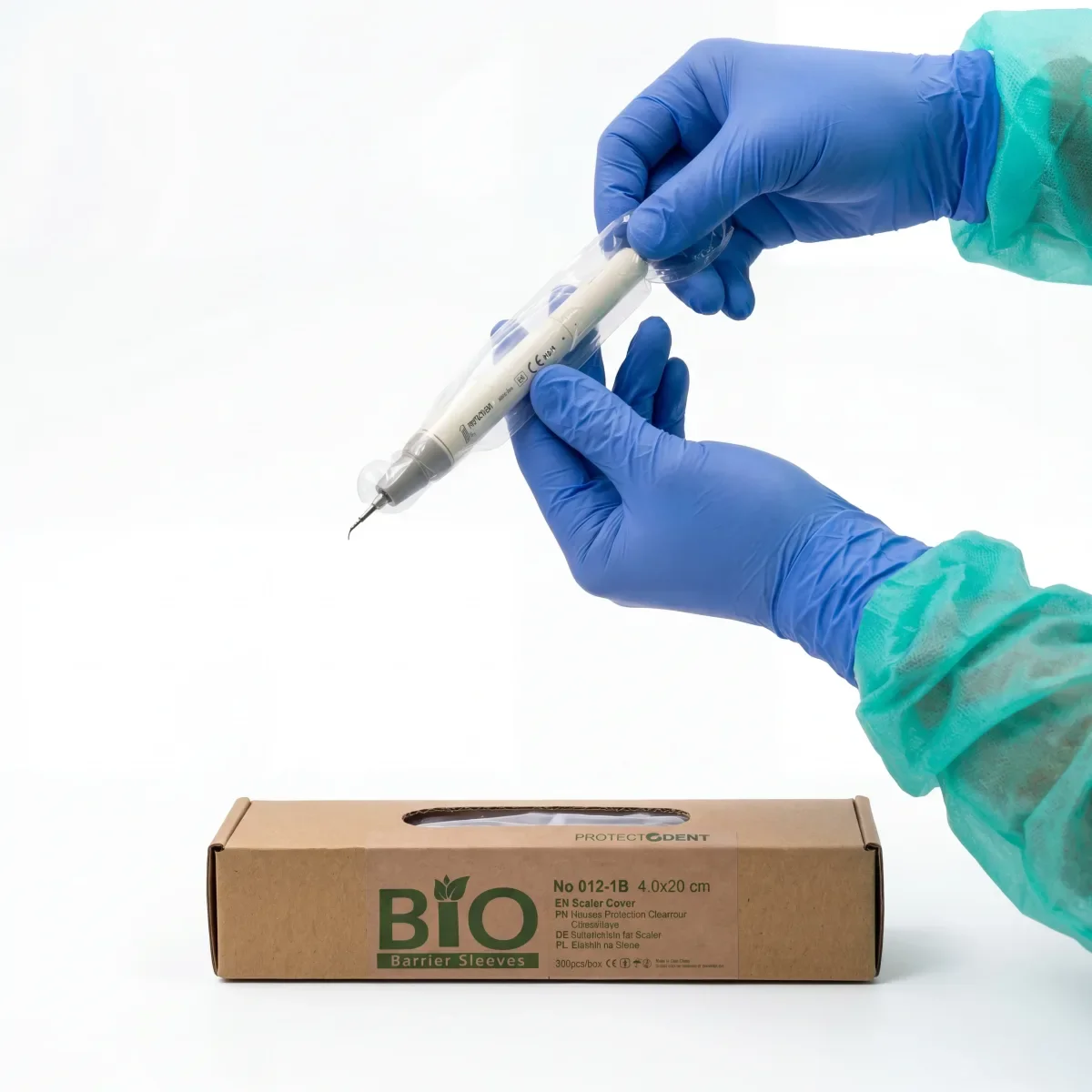
Keyboards, mice, syringe handles and scaler bodies are handled with gloved hands between every patient and, in most practices, wiped down rather than barriered. That makes them the surfaces most exposed to repeated disinfectant contact over a working day — and, per the MHRA alert and the 2024 review, repeated contact with an incompatible product is exactly the mechanism behind stress cracking. A cracked housing is not only a replacement cost. The MHRA alert notes that damaged plastic can also compromise how well a device can be decontaminated in the first place, since cracks and crazing give residue somewhere to collect that a wipe cannot reach.
None of this is a reason to stop disinfecting equipment — any exposed surface still needs cleaning between patients, and a barrier does not change that for the parts it does not cover. It is a reason to separate two questions that tend to get merged: is this wipe effective against the pathogens you're targeting, and is it compatible with the plastic you're putting it on. A sleeve that comes off and goes in the bin after each patient removes the second question for whatever it covers, because the housing itself stops being the surface that gets wiped dozens of times a day.
What to check
- Pull the manufacturer's own decontamination instructions for your keyboard, mouse, syringe and scaler — not a generic "medical device safe" label — and check what chemical classes and pH range they actually permit.
- If any of your equipment has a touchscreen, confirm you're using the wipe the manufacturer or supplier specifies for screens, not the same cloth you use on the chair.
- Look for fine surface cracking (crazing) on handles, buttons and bezels, not just discolouration — crazing is the early sign both the 2024 review and the MHRA alert describe.
- Where a surface gets wiped dozens of times a day, weigh whether a disposable barrier reduces that exposure instead of asking the plastic to tolerate it indefinitely.
Frequently asked questions
Does a barrier sleeve replace the need to disinfect equipment between patients?
No. A sleeve blocks direct contact and reduces how often the housing itself needs a full chemical wipe-down, but any exposed surface still needs cleaning and disinfection per the manufacturer's instructions.
Which disinfectants are most likely to cause stress cracking in equipment plastics?
A 2024 review in the Journal of Hospital Infection found that disinfectants with a pH above 8.0 were responsible for 74% of the plastic failures it tested, out of 39 plastics tested with 22 visibly cracking.
Are touchscreens especially vulnerable to the wrong disinfectant?
Yes. PDI, a disinfectant wipe manufacturer, explicitly states its general-purpose Sani-Cloth line is not intended for touchscreen monitors, and sells a separate 70% IPA formulation for screens.
What should I check before choosing a disinfectant for keyboards, mice and syringe handles?
Check the equipment manufacturer's own decontamination instructions for pH and chemical-class restrictions, and ask your wipe supplier for compatibility data against the actual plastics on your equipment rather than relying on a generic "medical device safe" label.
Is the MHRA alert specific to dental equipment?
No. The MHRA's alert covers reusable medical devices generally — its examples include thermometers, patient monitors and infusion pumps — but the mechanism it describes, incompatible wipes degrading device plastic, applies to any equipment with plastic housings, including dental surgery equipment.
Sources
- Medical Device Alert: Detergent and disinfectant wipes used on reusable medical devices with plastic surfaces — Medicines and Healthcare products Regulatory Agency (MHRA) / GOV.UK, 2026-10-17
- Dental chair disinfection: why material compatibility matters — Dentistry.co.uk, 2026-10-17
- Easy Screen Wipes and Sani-Cloth touchscreen/plastic compatibility guidance — PDI Healthcare, 2026-10-17