US Grant on Tissue Safety: What Your Surgical Operatory Can Take From It
On 12 November 2026 the American Dental Association (ADA) announced a five-year cooperative agreement with the US Centers for Disease Control and Prevention (CDC). Part of it is titled "Improving Tissue Safety in Dentistry". It is a US programme, and it will not change EU rules. But what it asks practices to document is worth a look, because the same habits show up in any surgical operatory.
What the ADA announced
According to the ADA press release, the agreement has two titles: "Improving Antibiotic Prescribing and Stewardship in Dental Settings" and "Improving Tissue Safety in Dentistry". The ADA will work with the CDC's Division of Healthcare Quality Promotion and outside experts. The release does not state an amount and gives no interim milestones.
For tissue grafts, the listed deliverables are:
- evidence-based tissue graft safety guidance
- recommendations for standardized clinical documentation and informed consent
- improved traceability of tissue graft products through health information technology
- education for dental professionals on the safe and effective use of tissue grafts
The release notes that human tissue allografts are used in periodontal regeneration, oral reconstruction and implant site development. It also says tissue safety has to be considered to reduce the risk of disease transmission. ADA President Thomas M. Paumier is quoted calling responsible stewardship and safe use of human tissue "critical to patient safety and public health".
What it does not say
The release says nothing about barrier products, drapes or sleeves. It does not announce new requirements, and nothing in it applies to practices in the EU. Treat it as a signal about where US dental guidance is heading, not as a rule you must follow.
It also sits next to a clarification the ADA published in September. In its report on the CDC's updated healthcare-personnel guidance, the ADA said the CDC "maintains separate dental infection prevention recommendations" and that the updates "do not modify standard precautions or introduce any new infection control requirements for dental practices".
What changes on Monday morning
Nothing has to change. But the grant's emphasis on traceability and documentation is a reasonable prompt for a short internal review of how your surgical days are recorded.
- Pick one surgical day and trace it backwards. Choose a recent implant or periodontal procedure. Can you find, from the patient file alone, which sterile items were opened, and from which batch?
- Check where the barrier items are recorded. Sterile drapes, gowns, tubing sleeves and suction tips are single-use items. If your batch or lot numbers are noted for implants and grafts but not for these, that is a gap in the chain.
- Look at your checklist. The CDC's summary of infection prevention practices in dental settings states that it includes a checklist that can be used to evaluate compliance, and it urges readers to use the Infection Prevention Checklist for Dental Settings. Run your surgical room against it once.
- Agree who writes it down. On a busy day, the person opening packs is rarely the person updating the file. Decide beforehand who records what.
Where barriers fit
Barrier products are the part of the surgical set-up that you control completely: you open them, use them once and discard them. That also makes them easy to record. A pack with a visible lot number and a consistent place on the checklist costs no extra time once it is routine.
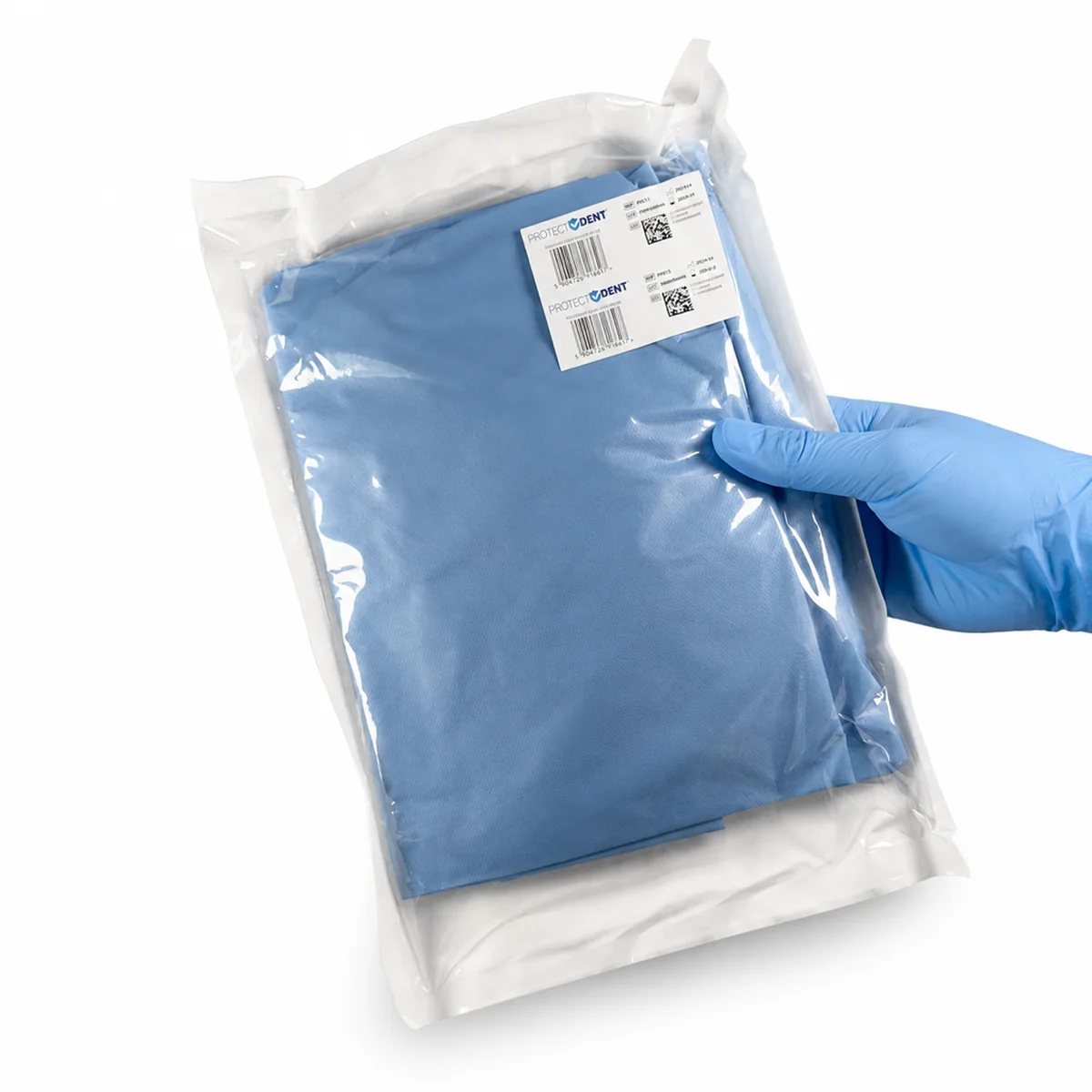
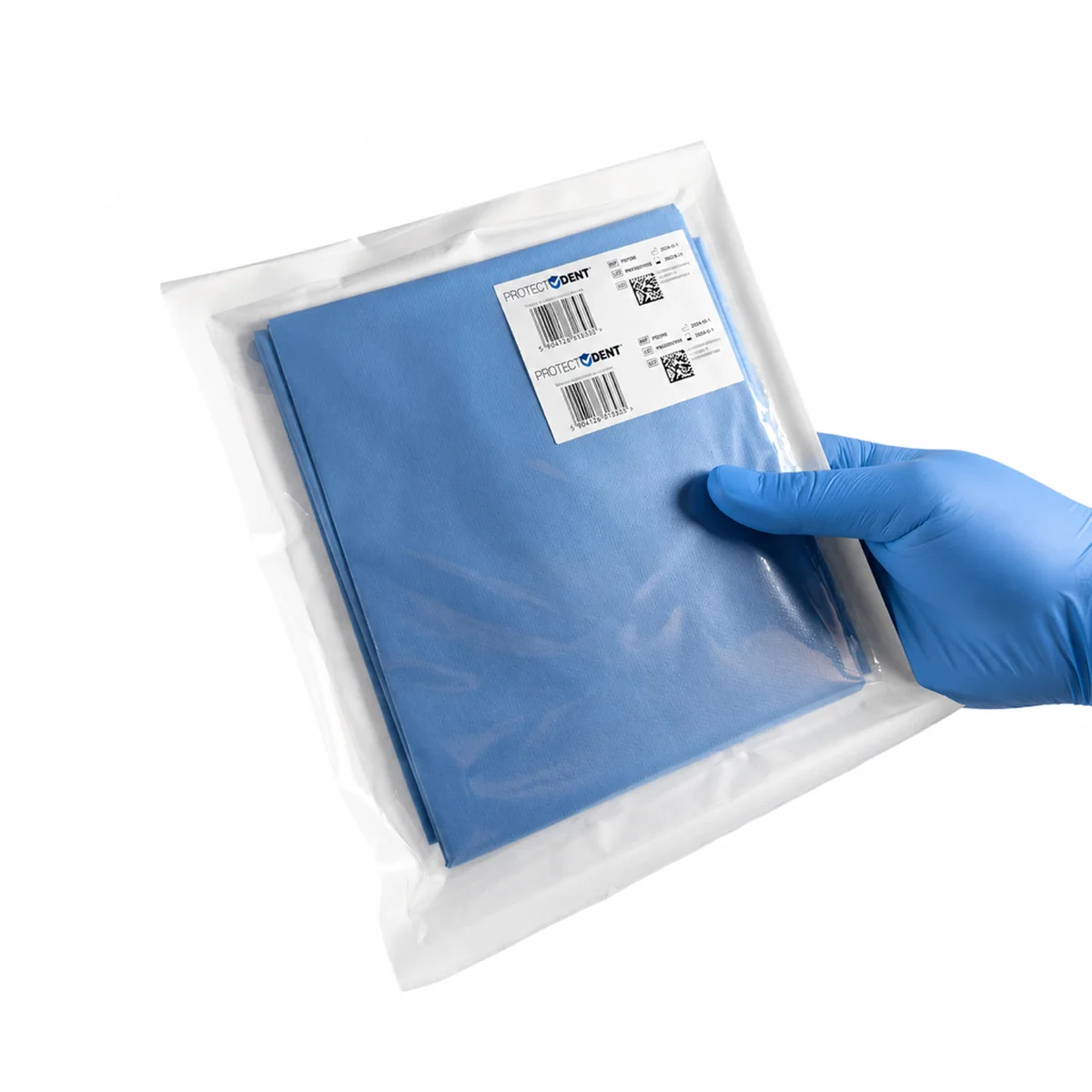
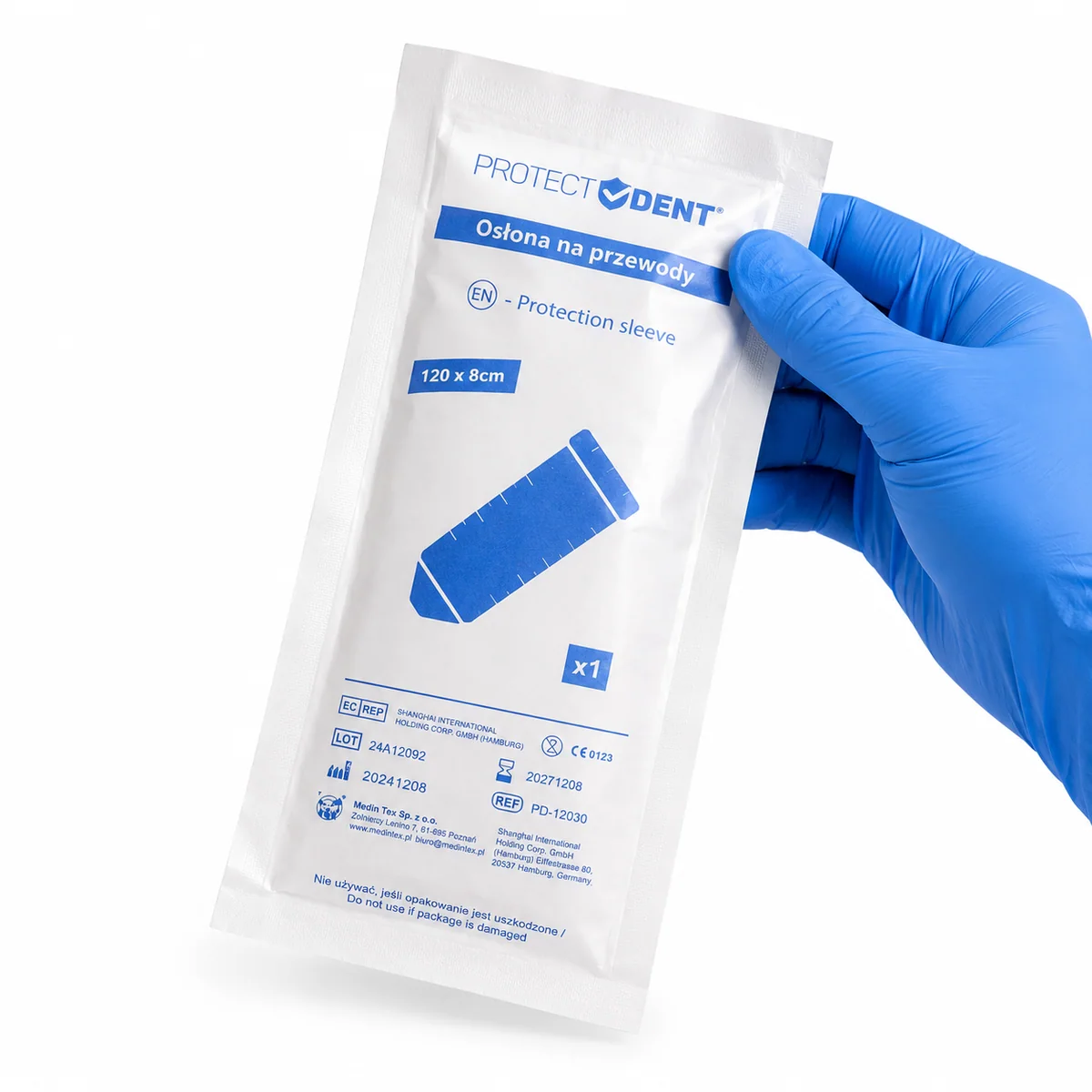
If you want to check a surgical set-up, the sterile surgery set, two-layer drapes and sterile tubing sleeves are the items to look at first. The ADA also lists a live infection control webinar on 3 December, described in its own announcement; it is built around US OSHA and CDC requirements, so use it as background reading if you work in the EU.
The short version
A US grant on tissue safety will not change your obligations in Europe. It is still a useful reminder that being able to show what was used, and when, is part of safe surgical practice. Start with one traced procedure this week.
Frequently asked questions
Does the ADA–CDC agreement apply to dental practices in the EU?
No. It is a US cooperative agreement between the ADA and the CDC, and the release announces no new requirements. It is useful only as a signal about documentation and traceability.
Does the announcement mention barrier products?
No. The release covers antibiotic stewardship and tissue graft safety. It says nothing about drapes, sleeves or other barriers.
What is a practical first step?
Pick one recent surgical procedure and check whether you can trace the sterile single-use items used, from the patient file alone.
Sources
- ADA receives Centers for Disease Control and Prevention grant — American Dental Association, 2026-11-20
- No new dental requirements in updated CDC infection control guidance — ADA News, 2026-11-20
- Summary of Infection Prevention Practices in Dental Settings — CDC, 2026-11-20
- ADA webinar to cover infection control requirements — ADA News, 2026-11-20