The Chairside 3D Printer Wash Station Nobody Added to the Barrier Protocol
3D Printers Are Quietly Becoming Standard Equipment
For years, chairside 3D printing sat in the "nice to have" column next to CAD/CAM mills — useful for a night guard here, a surgical guide there. That's shifted. SprintRay's own 2026 outlook for digital dentistry states plainly that "more US practices now have 3D printers than mills for in-office production," and that the trend is set to accelerate through the year (SprintRay).
The reasons are straightforward economics: printers cost less to buy than mills, the material is cheaper per unit than milling blocks, and one printer can produce surgical guides, night guards, denture bases and crown models instead of needing separate machines for each job. SprintRay also points to a partnership with Solventum aimed at bringing permanent same-day restorations to the same chairside workflow, which — if it lands as described — would push printing further into everyday clinical use rather than a lab-only tool.
That matters for barrier protocol for one simple reason: a machine that used to live in a back lab, run occasionally by a technician, is turning into equipment that sits in or next to the operatory and gets touched between patients, sometimes several times a case.
What a Wash-and-Cure Station Actually Involves
Resin printing isn't just "print and done." A completed part comes off the build plate still covered in uncured resin, gets washed (commonly in isopropyl alcohol), and then goes into a UV curing unit before it's ready to use. Each of those steps means someone — often whoever is free at that moment, not necessarily the person who ran the print — is opening lids, pressing buttons, and handling a part that is still wet with uncured material.
The Exposure Research Says Handling Is the Weak Point
A May 2026 report covering research from Dr. Qian Zhang at UL Research Institutes' Chemical Insights Center found more than 400 compounds in the emissions coming off dental resins during printing and post-processing, including irritants, reproductive and developmental toxicants, and carcinogens (Dental Tribune). Two details from that research are directly relevant to barrier protocol rather than just ventilation:
"Any resin droplets on surfaces outside the printer chamber should be cleaned immediately to avoid continuous off-gassing from uncured resins and accidental contact with skin or clothing."
And separately, that resins "off-gas at room temperature, releasing VOCs even when equipment is not in operation" — meaning the risk doesn't end when the print job does.
A broader literature review in Medical Research Archives reaches the same conclusion from a different angle: resin-based 3D printing in dental clinics generates volatile organic compounds and particulate matter that affect indoor air quality, and the recommended controls are ventilation, filtration, and — the part that belongs on a barrier checklist — "best practices for material handling and disposal" (Medical Research Archives).
Neither source is about surface barriers specifically. But both describe exactly the same touchpoint pattern that barrier protocols already exist to solve everywhere else in the practice: a surface gets contaminated repeatedly by gloved hands mid-procedure, and it's touched again by the next person who walks up to it.
The Touchpoints That Usually Don't Make the List
Most practices that add a printer treat it like a piece of lab equipment rather than clinical equipment — which means it often sits outside the surface-disinfection rota that covers the chair, the light handle, and the keyboard at the front desk. The touchpoints worth adding:
- The printer's own touchscreen or control panel, pressed with gloved, resin-contaminated hands to start and check print jobs
- The wash station's lid, basket handle, and any buttons on the IPA bath or ultrasonic cleaner
- The curing unit's door and controls
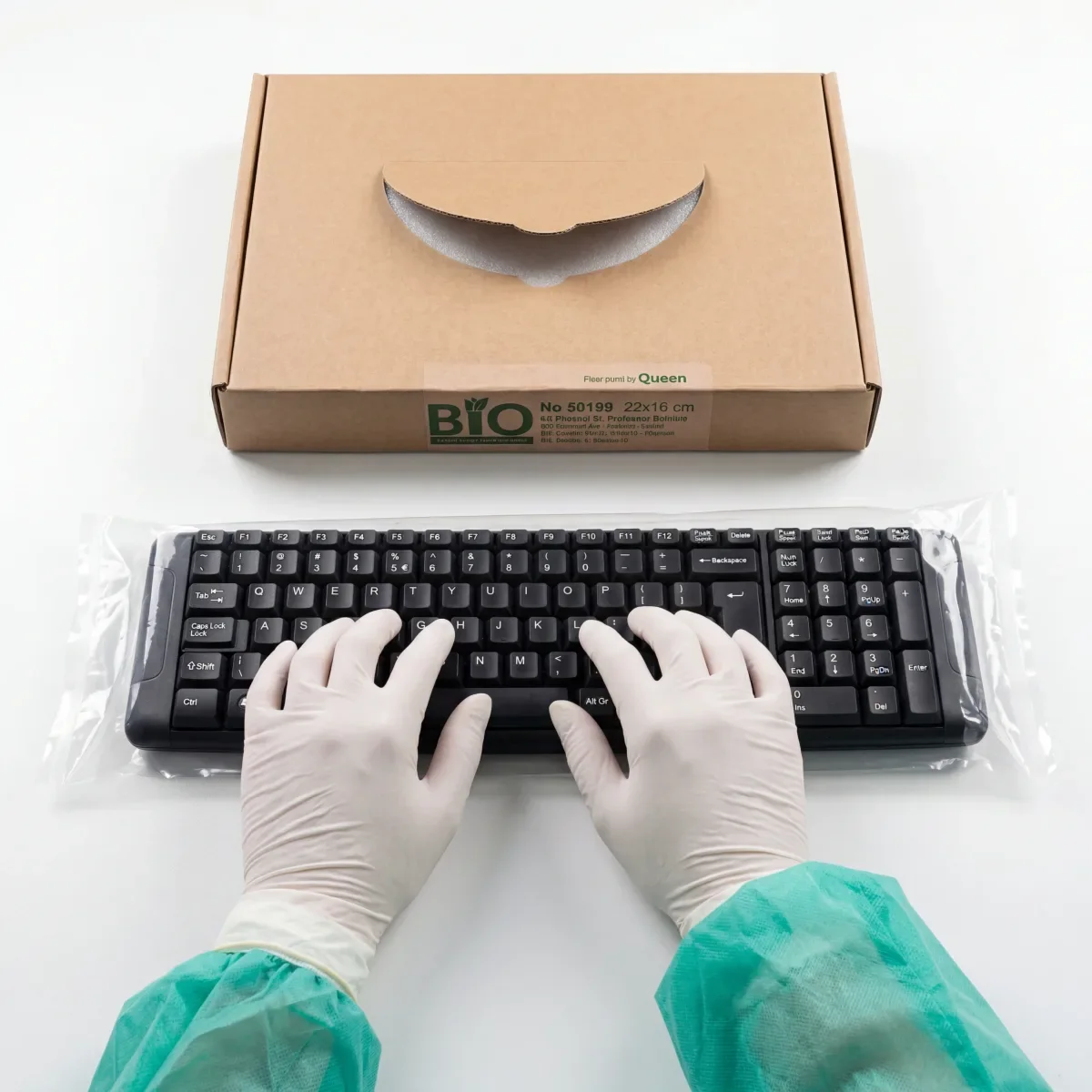
- Any lab tablet, laptop or keyboard used to send the print job or check case files, if it sits at the printing station rather than at a dedicated desk
None of this replaces the ventilation, gloves, and sealed-container storage that the exposure research calls for — those address inhalation and skin contact. The barrier gap is specifically about what happens when a second, ungloved person — a different assistant, the dentist checking on a case, someone finishing the batch later — puts a bare hand on the same panel or handle a resin-gloved hand touched an hour earlier.
What Changes Monday Morning
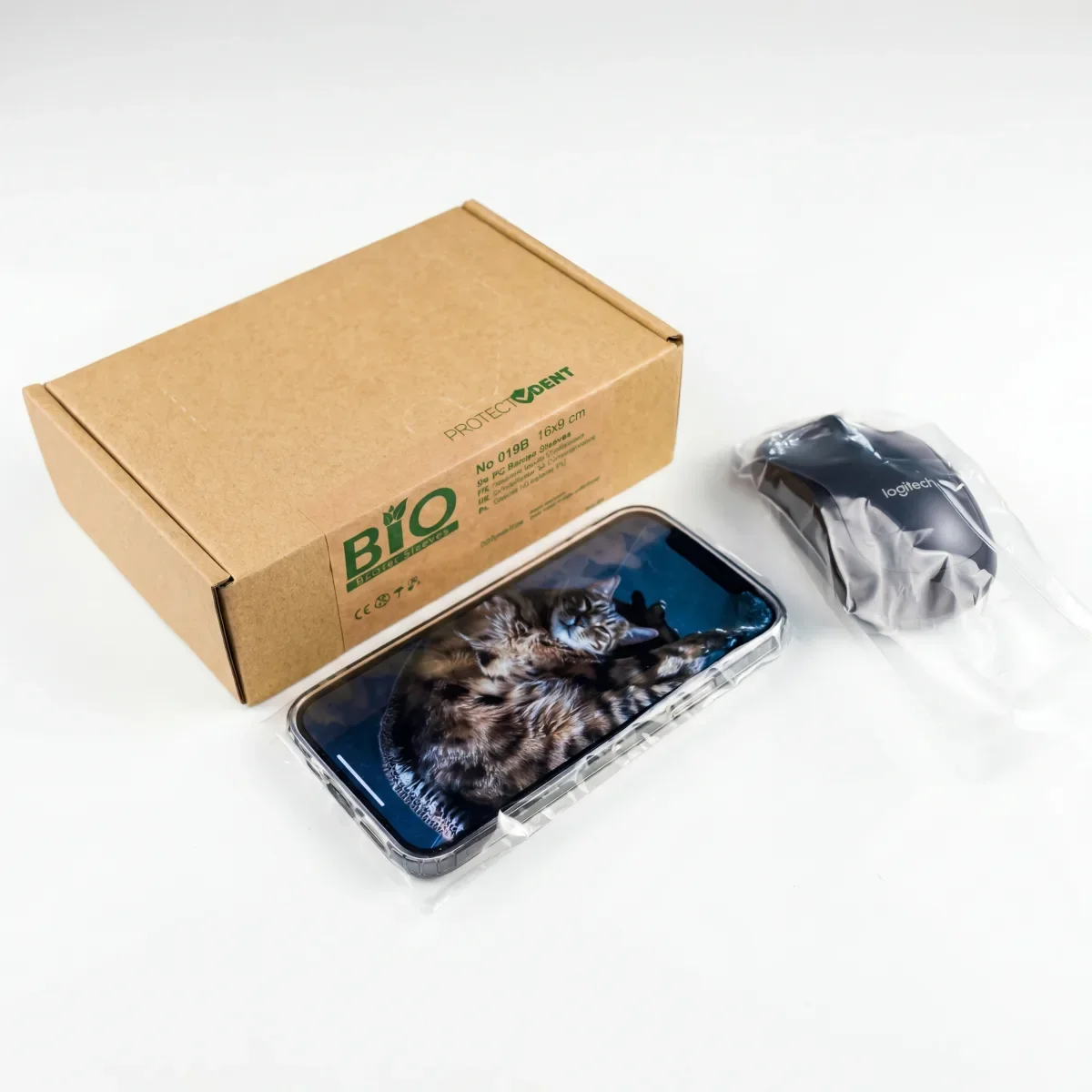
If a 3D printer or wash-and-cure unit went into the practice this year, it's worth a five-minute walk-through: does anyone log which surfaces around that station get wiped down, and how often? If the honest answer is "whenever someone remembers," the fix is the same one already used for the light handle and the keyboard — put a barrier on the touchpoint before the shift starts and change it between print jobs, not after someone notices resin residue on a control panel.
Frequently asked questions
Do surface barriers replace the ventilation and PPE recommended for 3D printer resin handling?
No. Ventilation, gloves, face shields and sealed storage address inhalation and skin contact with resin itself. Barriers on touchscreens, lids and handles address a separate problem: a contaminated surface being touched by someone else afterward.
Which parts of a 3D printing station are most often missed in cleaning protocols?
The printer's own touchscreen or control panel, the wash station's lid and basket handle, and the curing unit's door and buttons — these get handled with resin-contaminated gloves but are frequently outside the practice's normal disinfection rota because the station is treated as lab rather than clinical equipment.
Is chairside 3D printing actually common enough in 2026 to need its own protocol?
According to SprintRay's 2026 digital dentistry outlook, more US practices now have 3D printers than milling units for in-office production, and adoption is expected to keep accelerating this year.
Does uncured resin stop being a risk once a print job finishes?
No — research cited by Dental Tribune found that resins continue to off-gas volatile organic compounds at room temperature even when the printer isn't running, which is why researchers recommend cleaning stray resin droplets immediately rather than at end of day.
Sources
- What's Coming in Digital Dentistry: Our 2026 Predictions — SprintRay, 2026-09-19
- Dental 3D Printing: Emissions Inhalation Exposure Is Often Overlooked — Dental Tribune, 2026-09-19
- Assessing the Occupational and Environmental Risks of Resin-Based 3D Printing in Dental Clinics — Medical Research Archives, 2026-09-19