ISO 11607-3 Covers the Pouch Seal, Not Your Sterilization Routine
Why this matters now
A new international standard for sterile medical device packaging, ISO 11607-3:2026, was published in September 2026. It covers how manufacturers develop and validate the heat-sealing process used on sterile barrier systems — the peel pouches that pre-sterilised dental supplies, and most in-house autoclave loads, are sealed into. It does not change anything at your sterilizer or your chairside. It changes what a pouch or pre-sterilised product manufacturer should be able to show you if you ask.
What actually changed
ISO 11607 already had two parts. Part 1 sets requirements for packaging materials and the finished sterile barrier system; Part 2 covers validating the forming, sealing and assembly process. Part 3 fills a gap those two left: a documented method for developing the heat-sealing process itself, and for showing that a seal made on one machine is equivalent to a seal made on another. Oliver Healthcare Packaging describes this as filling a real gap — before Part 3, there was no consensus method for proving that adding or changing a sealing machine still produced an equivalent seal, so a change often meant re-running validation from the start.
ISO's own listing for the standard confirms it applies to both preformed sterile barrier systems and barrier systems made with heat sealing, and that it is meant to be used before process validation, not instead of it. It is aimed at the industrial side — device and sterile-packaging manufacturers — and it is voluntary. There is no compliance deadline that applies to a dental practice.
What this means in the operatory
Nothing changes in your own sterilization routine. CDC's guidance on sterilization and disinfection still describes sterility as "event-related": a package stays sterile until something happens to it — not until a date passes. Instruments still go into a wrap, pouch or container system before heat sterilization, and the check that actually protects a patient is still the one at the point of use: inspect every package before opening it for wetness, tears or punctures, and read the chemical indicator before trusting what's inside.
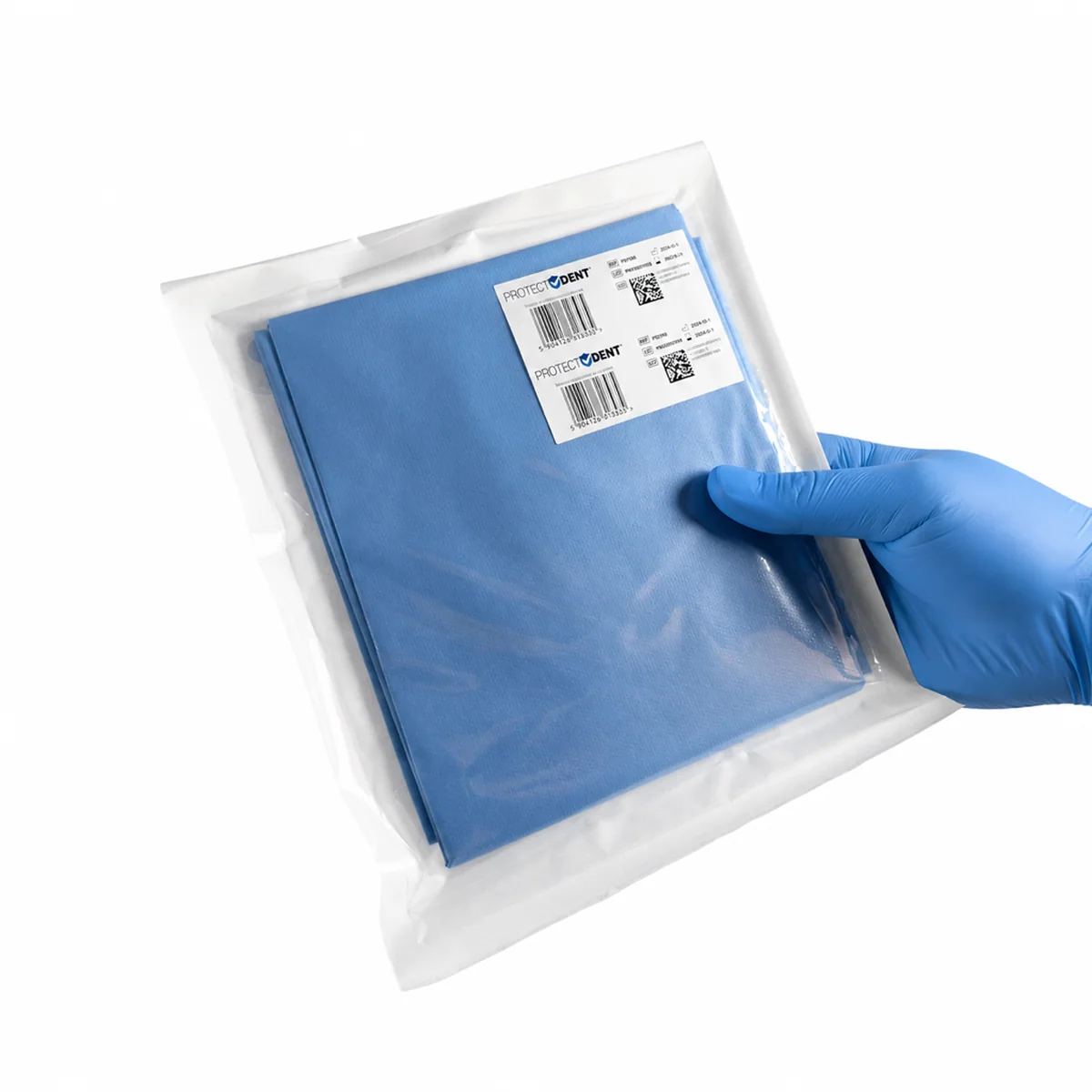
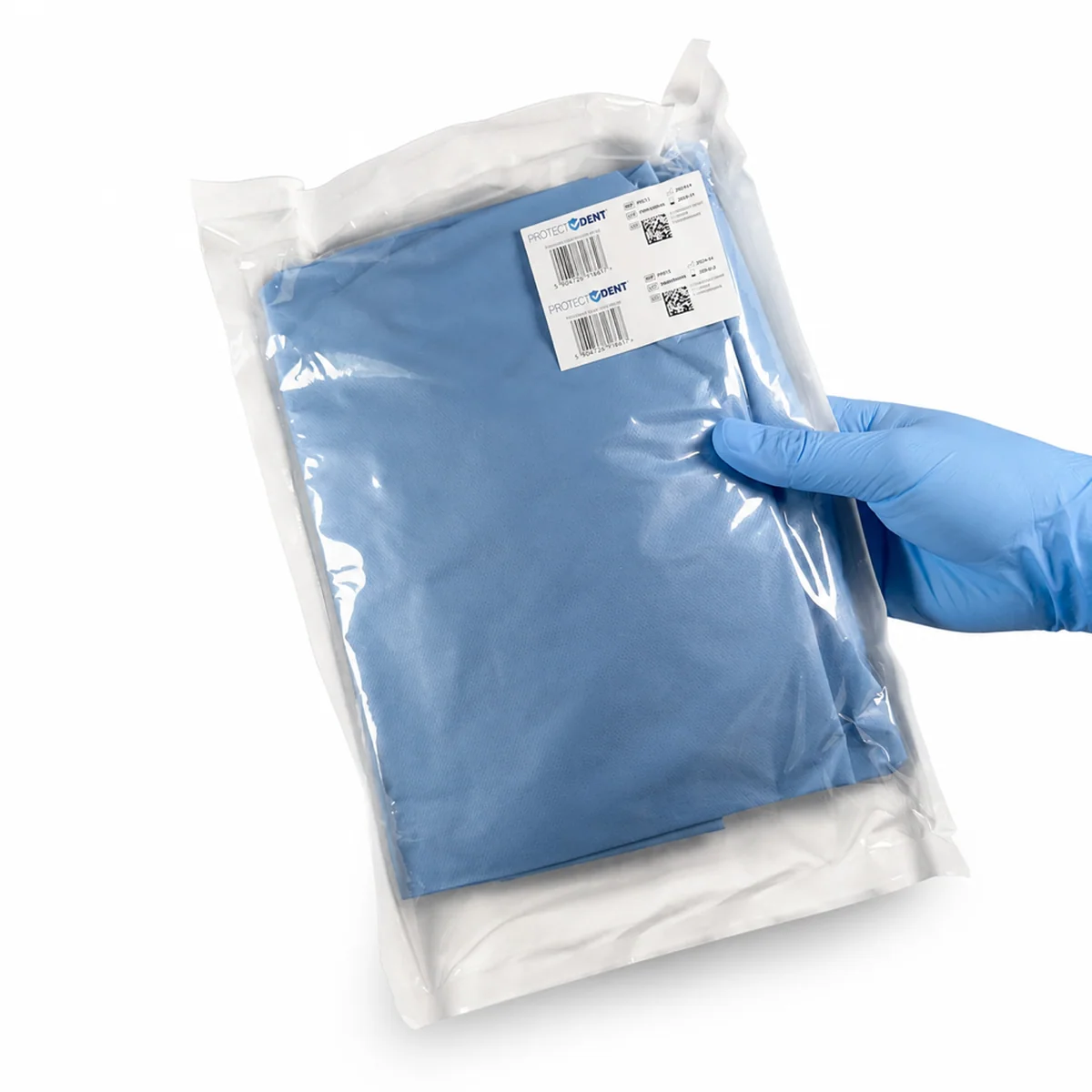
Where ISO 11607-3 shows up is further back, in whatever a manufacturer can say about how the pouch around a pre-sterilised drape, gown or surgical set was sealed. If a supplier changes sealing equipment, a production line, or a packaging site, this is the standard meant to let them demonstrate the new seal is equivalent to the old one, instead of treating every change as a one-off with no shared method of proof. For anything that arrives already sterile in a sealed pouch, that is now a specific, nameable thing to ask a supplier about.
What to check
- When you review a supplier of pre-sterilised, peel-pouched products — drapes, gowns, surgical sets — ask whether their heat-sealing process has documented validation. ISO 11607-3 is the name for what "equivalent seal across machines" is supposed to mean.
- Keep inspecting every wrapped or pouched package before opening it, regardless of what standard the manufacturer followed. CDC's event-related sterility rule is the control that actually catches a compromised pouch at your end, and this standard doesn't change that.
- Don't expect a label change. ISO 11607-3 governs a manufacturer's internal process development, not product marking, so a box won't say "ISO 11607-3 compliant" on it.
- If packaging looks or feels different after a supplier switches equipment or site, that's still a reason to check the seal and the chemical indicator yourself before use — the standard doesn't remove that step from your side of the counter.
Frequently asked questions
Does ISO 11607-3 require my practice to change how we seal autoclave pouches?
No. It is a process-development standard for manufacturers of sterile barrier packaging, not a requirement on how a practice seals its own pouches.
Will products arrive labelled as "ISO 11607-3 compliant"?
Not necessarily. The standard governs a manufacturer's internal process development, not product marking, so don't expect to see it referenced on a box.
Is ISO 11607-3 mandatory under EU MDR?
It is a voluntary ISO standard. Whether or how it gets referenced under MDR is a separate question this article doesn't settle.
What should I still check on every sterile package before I open it?
The same things CDC has always recommended: that the packaging isn't wet, torn or punctured, and that the chemical indicator shows the correct colour change.
Sources
- ISO 11607-3:2026 — Packaging for terminally sterilized medical devices — Part 3 — ISO, 2026-10-03
- What to Expect with ISO 11607-3 — Oliver Healthcare Packaging, 2026-10-03
- Sterilization and Disinfection — Summary — CDC, 2026-10-03