The EU's New Implant Exemption List Includes 'Dental Barriers.' Here's What That Is
Why this matters now
The European Commission has quietly expanded the list of medical devices that get a lighter path to CE marking. Two delegated regulations, signed on 20 March 2026 and in force since 19 July 2026, add dozens of device types to the MDR's "well-established technologies" (WET) list — mature designs with a long track record that no longer need the full weight of individual review. Dental implants, crowns, fillings and braces are on it. So is something the Commission's own text calls a "dental barrier." That phrase is close enough to our own product name that it is worth being precise about what it actually is, and what the change does and doesn't touch.
What actually changed
The two acts work on different parts of the MDR:
- Delegated Regulation (EU) 2026/1359 amends Article 52(4): for devices on the WET list, a notified body can assess a representative sample of a device family instead of reviewing the technical documentation of every single variant.
- Delegated Regulation (EU) 2026/1451 amends Article 61(6)(b): manufacturers of WET-listed implantable and Class III devices can rely on existing clinical data and literature instead of running a new clinical investigation for each one.
Both followed a 2025 call for evidence and a Medical Device Coordination Group (MDCG) task force of national experts, and both were adopted to cut down review work that regulators say has been backing up behind limited notified-body capacity.
The dental entries on the two lists aren't identical. The technical-documentation list (2026/1359) names dental implants, orthodontic devices and dental barriers. The clinical-investigation list (2026/1451) adds dental veneers to that set. Both sit alongside a long run of general surgical hardware — sutures, staples, screws, wedges, plates, wires, pins, clips, connectors, bone wax, bone fillers and bone substitutes among them.
What "dental barrier" actually means here
In the terminology used for implant and periodontal surgery, a barrier membrane — sometimes written as "dental barrier" — is a resorbable or non-resorbable membrane placed over a bone or tissue defect during guided bone regeneration (GBR) or guided tissue regeneration (GTR). It keeps gum tissue and epithelial cells from migrating into the defect while bone has a chance to form underneath. It is implanted, usually left in place, and classified alongside the implants and bone-graft materials it is used with.
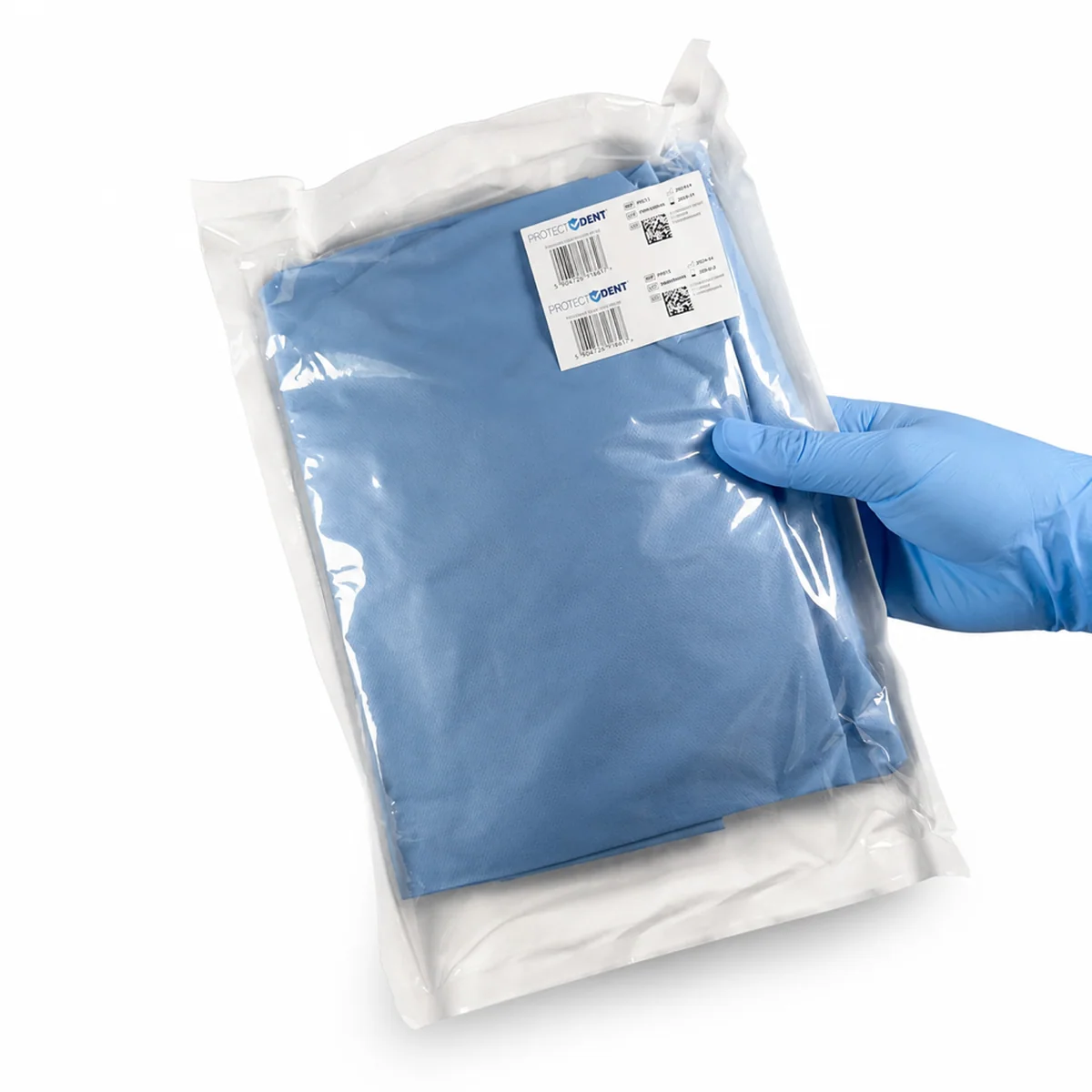
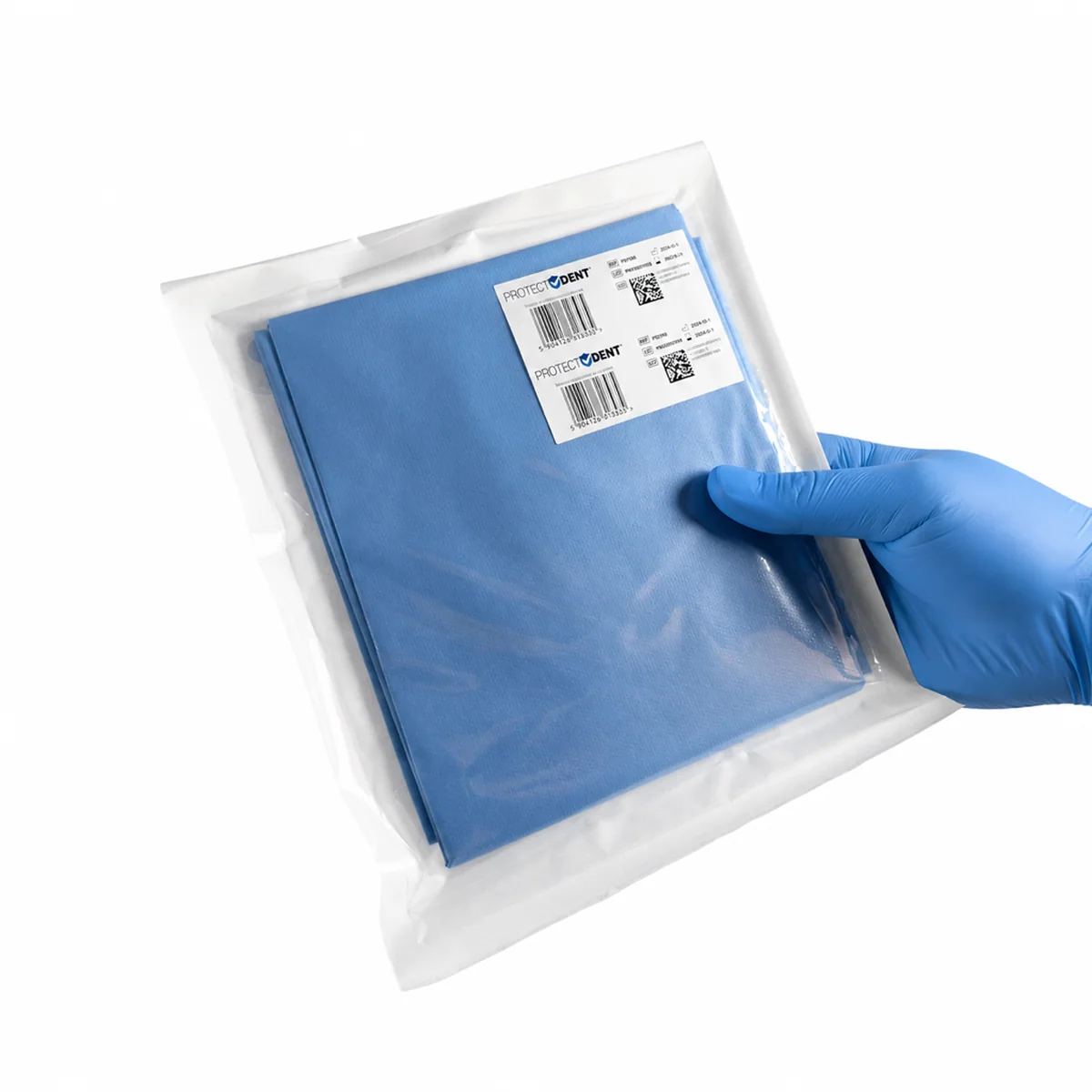
That is a different device, in a different regulatory class, from the single-use protective sleeves and drapes a practice uses to cover equipment and surfaces between patients. Nothing in either delegated regulation touches Class I barrier products. They were never subject to the per-device technical-documentation review that Article 52(4) covers, so there was nothing for this exemption to lighten.
What this means in the operatory
For a practice that places implants, uses GBR or GTR membranes, or orders crowns, fillings and orthodontic hardware, there is no new form to fill in and no new label to check. The exemption changes how a manufacturer's notified body reviews the file behind the device — sampling a product family instead of auditing every variant, and leaning on existing clinical evidence instead of commissioning fresh trials. It does not change the CE marking, UDI or instructions for use you already rely on at the point of use, and it does not relax the underlying safety or performance requirements the device has to meet.
The practical upside, if there is one, shows up upstream: a manufacturer restocking a well-established crown system or membrane line now has a shorter technical-review queue to sit in. Whether that translates into steadier supply for any given product line is up to that manufacturer, not something this regulation guarantees.
What to check
- If a supplier's datasheet or CE documentation now references "WET" or "well-established technology," that is a conformity-assessment pathway, not a performance claim — it says nothing about the device itself beyond "the design is mature."
- Don't read "dental barrier" on a regulatory list as a reference to your sleeve or drape inventory. It is a different device category with a different classification.
- CE marking, UDI and the instructions for use for implants, membranes, crowns, fillings and braces are unchanged by this exemption — verify them the way you always have.
- The two dental lists differ slightly: veneers appear only in the clinical-investigation exemption (2026/1451), not the technical-documentation one (2026/1359).
Frequently asked questions
Does this change affect the barrier sleeves and drapes we use chairside?
No. It applies only to Class IIb implantable devices such as dental implants, crowns, fillings, braces and barrier membranes. Single-use Class I barriers and drapes follow a separate conformity-assessment route that this exemption doesn't touch.
What does "dental barrier" mean in the EU's exemption list?
It's the term used for the membrane placed over a bone or tissue defect during guided bone regeneration or guided tissue regeneration -- an implantable surgical device, not a disposable cover.
Do we need to do anything differently when ordering implants, crowns or membranes now?
No. The exemption changes how a manufacturer's notified body reviews technical documentation and clinical data. It doesn't change the CE marking, UDI or instructions for use you check at the point of use.
When did this take effect?
Both delegated regulations were signed on 20 March 2026, published in the Official Journal on 29 June 2026, and entered into force on 19 July 2026.
Why did the EU make this change?
To ease a notified-body workload for technical-documentation review and clinical investigations that regulators and industry have linked to limited notified-body capacity and slower certification of mature, well-understood device designs.
Sources
- New Delegated Regulation (EU) 2026/1359 — LNE-GMED, 2026-10-06
- Medical Devices: Delegated acts on well-established technologies published — European Commission (DG SANTE), 2026-10-06
- European Commission expands list of well-established technologies under MDR — Regulatory Affairs Professionals Society (RAPS), 2026-10-06
- WET Devices Legally Expanded in European Legislation — Emergo by UL, 2026-10-06
- Barrier membranes for tissue regeneration in dentistry — PMC (National Library of Medicine), 2026-10-06