EN 14683:2025: What the Updated Mask Standard Means for Your Next Order
Why this matters now
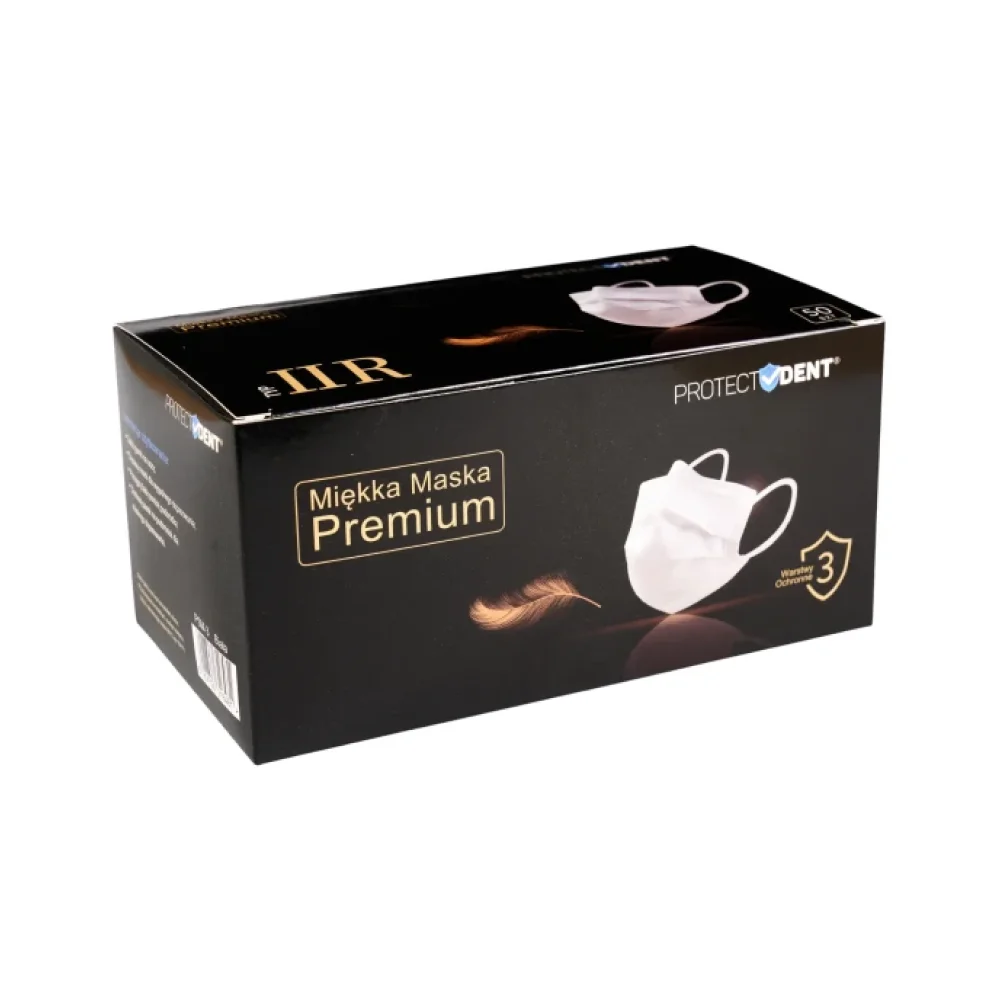
The European standard that surgical masks are tested and CE-marked against was revised in early 2025. BS EN 14683:2025 replaced the 2019 edition and changed several of the test methods manufacturers use to justify a mask's Type I, II or IIR classification. If your Type IIR masks were certified against the old standard, that paperwork does not automatically carry over. The next time you reorder, it is worth checking which edition your supplier's declaration of conformity actually cites.
What actually changed
EN 14683 covers medical face masks worn in surgical and comparable clinical settings — the masks at chairside and at the sterilisation bench, not respirators. The 2025 revision changed how manufacturers test and document that classification:
- Differential pressure, the breathability test, is now measured in pascals instead of Pa/cm², and Type IIR masks must meet a limit of 300 Pa or below.
- The bacterial filtration efficiency test now uses a broader bacterial challenge range, and the option to batch-test under a 4% acceptable quality level has been removed.
- Test instrument accuracy requirements were tightened for the mass flow meters and manometers used in filtration and pressure testing.
- Microbial cleanliness testing was revised so results are extrapolated across the whole mask rather than a sample area.
- New provisions cover transparent medical face masks, intended for settings where patients rely on seeing the wearer's mouth — relevant if you treat patients who lip-read.
- A new annex formally recognises reusable masks as a category and addresses their environmental impact.
- An informative annex flags a possible future removal of the Type I classification in the next revision. Nothing changes for Type I masks today, but it's a category worth watching rather than assuming is permanent.
The standard also draws a firmer line between medical face masks and personal protective respirators. It explicitly excludes masks designed exclusively for the wearer's own protection, and compliance with it is a separate matter from PPE regulation. A Type IIR surgical mask and an FFP2 respirator answer to different rules — worth not treating their paperwork as interchangeable.
What this means in the operatory
Nothing in the box of masks already on your shelf becomes unsafe to use overnight. A standard revision applies to what manufacturers test and document for new production going forward — it doesn't retroactively invalidate stock you already hold. What does change is what you should expect to see on your next order: once a manufacturer has re-certified a line against the new test methods, the declaration of conformity should cite EN 14683:2025, not the 2019 edition.
It's also not purely a paperwork refresh. One testing lab's summary of the revision put it plainly: masks that complied with the old standard are not guaranteed to pass the new one without re-evaluation, because some of the pass thresholds and test methods themselves moved. A supplier who has simply re-stamped old test data with a new document number has not actually re-certified anything.
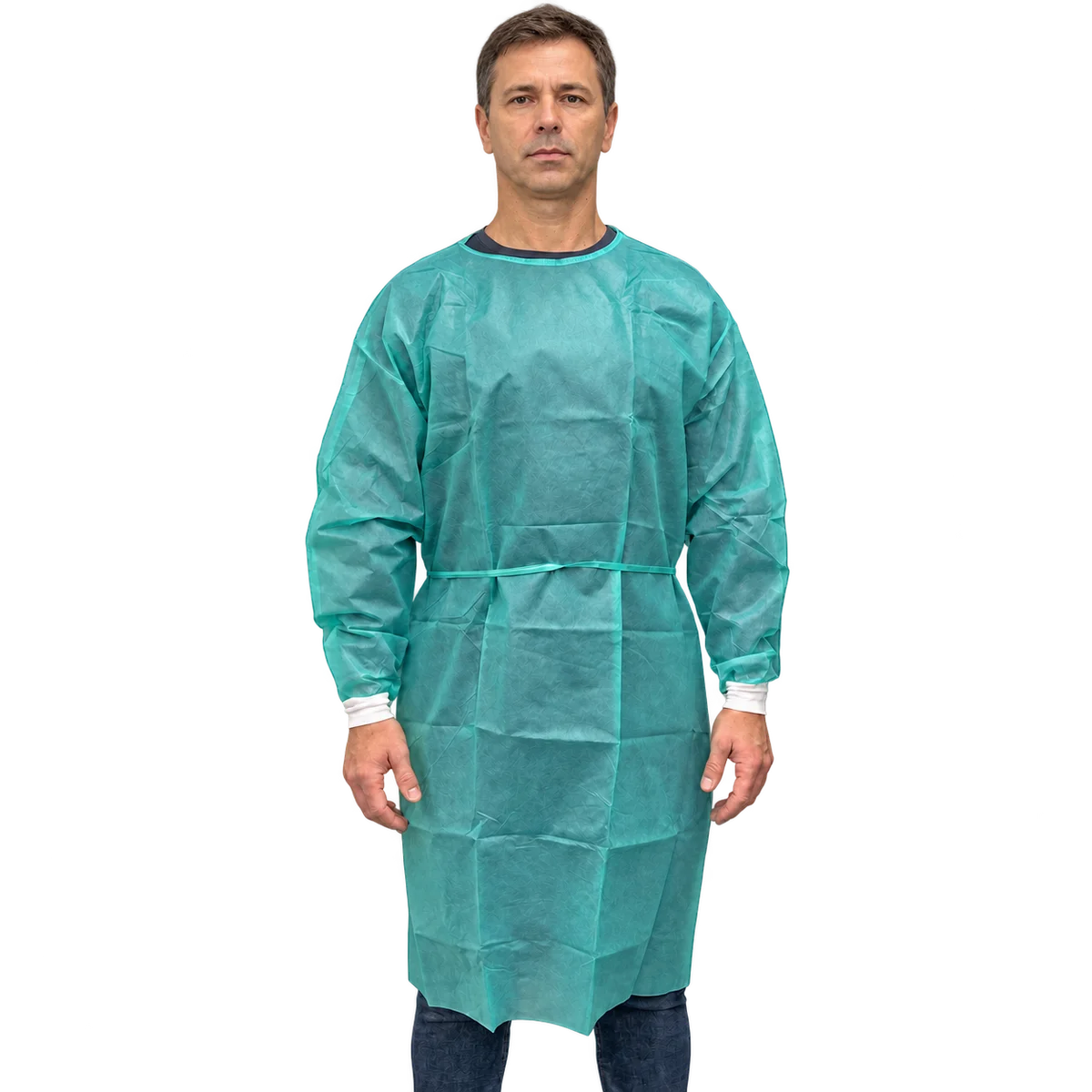
This is also a reasonable moment to ask the same question about the rest of the single-use PPE that ships alongside your masks — gowns, drapes, anything else CE-marked in the same delivery. Not because EN 14683 applies to them (it doesn't; gowns and drapes sit under different standards), but because a supplier documentation review is naturally easier to do for everything at once rather than one item at a time.
What to check
- Ask your mask supplier which edition — 2019 or 2025 — their current declaration of conformity cites, and when their line was last re-certified.
- If you still stock Type I masks, don't assume the classification is permanent; it's flagged for possible removal in a future revision, though no date has been set.
- Keep surgical masks and PPE-rated respirators as separate purchasing and documentation categories — one doesn't stand in for the other.
- If you treat patients who rely on lip-reading, ask whether your supplier carries a transparent mask tested against the new provisions.
- While you're reviewing mask paperwork, ask your gown and drape supplier for their current declarations too — it costs nothing extra to check.
Sources
- Medical face masks. Requirements and test methods (BS EN 14683:2025) — BSI Knowledge, 2026-08-28
- BS EN 14683:2025: The updated medical face mask standard explained — BSI Knowledge, 2026-08-28
- BS EN 14683:2025 Medical face masks. Requirements and test methods — EN Standard, 2026-08-28
- Navigating the new EN 14683:2025 medical face mask standard — 4Ward Testing, 2026-08-28